Flying Into a Remote Ontario Camp
Many hunters dream of escaping the crowds and experiencing true wilderness, but the thought of navigating vast, unmapped territories can be daunting. If you’re looking to unlock those deep-woods hunting opportunities in Ontario, where the game sees less pressure and the silence is truly golden, a fly-in camp might just be your ticket. This guide will walk you through everything you need to know about planning and executing a successful hunting trip to one of Ontario's remote fly-in camps.
Why Choose a Fly-In Camp for Your Ontario Hunt?
Let's face it, hunting pressure is a real thing. Drive-in areas can get hammered, and finding that undisturbed honey hole often means putting in serious boot leather. But what if you could bypass all that? Fly-in camps offer an unparalleled opportunity to hunt truly remote, often untouched wilderness, giving you an advantage before you even set foot out of the cabin.
The Allure of Untouched Wilderness
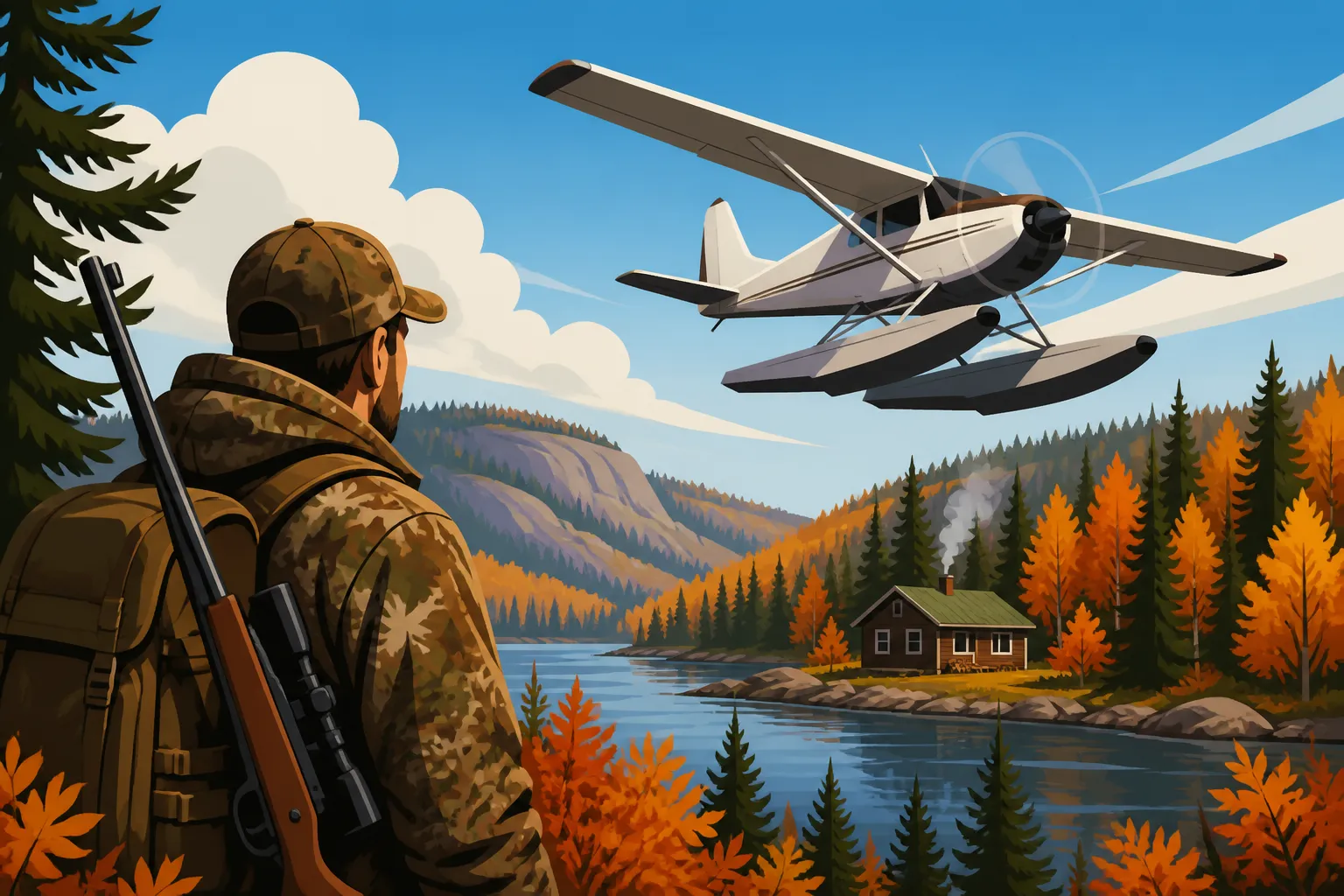
There’s a special kind of magic that comes with stepping off a float plane onto a pristine lake, knowing you’re miles from the nearest road or human settlement. The air smells cleaner, the silence is profound, and the wildlife acts differently. Animals in these remote regions haven't been educated by constant human presence. They often hold less fear and stick to their natural patterns, which can lead to incredible hunting experiences. You're not just hunting; you're immersing yourself in an ecosystem where nature truly reigns supreme. It’s an adventure that builds character and provides stories that last a lifetime.
Species-Specific Advantages
While a fly-in hunt can be excellent for many species, certain game animals thrive in these remote, low-pressure environments. Moose, for example, often frequent areas inaccessible by road, making fly-in options prime for big bulls. You might find untouched feeding grounds, rutting areas, and bedding sites that a drive-in hunter would never reach. For black bear, remote baits or glassing opportunities can yield impressive results simply because the bears haven't learned to associate human scent or sound with danger. Even upland birds like grouse can be more abundant and less wary in remote locations, providing excellent hunting over dogs or simply walking the logging cuts and edges far from any vehicle. The further you get from easy access, the higher the likelihood of encountering mature, undisturbed animals.
Disconnecting and Recharging
Beyond the hunting itself, a fly-in trip offers a unique chance to truly disconnect. Forget about cell service, emails, and the endless demands of daily life. When your only connection to the outside world is that float plane, you’re forced to be present, to focus on the moment, and to appreciate the raw beauty around you. This mental reset can be just as valuable as the hunt itself. It’s an opportunity to bond deeply with your hunting partners, share stories around a crackling fire, and simply breathe in the wild. Many hunters find that the peace and solitude of a remote camp are just as rewarding as harvesting an animal.
Planning Your Fly-In Logistics
Embarking on a fly-in hunt requires a fair bit of planning, far more than simply jumping in the truck for a weekend trip. The stakes are higher, and a forgotten item or a mismanaged detail can quickly turn an adventure into a nightmare. It’s all about preparation and working closely with your chosen outfitter.
Choosing Your Outfitter and Air Charter
The backbone of any successful fly-in hunt is a reputable outfitter. These aren't just guides; they're your lifeline to the wilderness. They often operate the air charters or work closely with specific air services, handling everything from your flight in and out to the condition of your cabin and boats. When researching, look for outfitters with a long-standing history and excellent reviews. Sites like GoHunt can sometimes offer insights and reviews, though direct communication is always best. Ask about their success rates, what’s included in their packages (housekeeping vs. American plan), and their emergency protocols. Understanding the difference between a fully guided American plan (meals, guide, lodging included) and a housekeeping plan (you bring and cook your own food) is crucial for budgeting and packing.
A good outfitter will be transparent about what they provide and what you're responsible for. They will also typically have a solid relationship with the air charter service, ensuring smooth transitions. You want to feel confident that they’ve got your back, especially when you're deep in the bush. Don't be shy about asking for references from past clients; a reputable outfitter will be happy to provide them.
Understanding Weight and Baggage Limits
This is where reality often sets in for fly-in hunters. Float planes, while rugged and capable, have strict weight and space limitations. Every pound counts, and overloading a plane isn't just a rule violation—it's a serious safety hazard. Your outfitter will give you specific weight limits per person, which often range from 50 to 75 pounds including your personal gear and any communal supplies for housekeeping camps. This includes your firearm, ammunition, clothing, food, and anything else you plan to bring.
You'll need to pack smartly, prioritizing essential items. Consider coordinating with your hunting partners to share heavy items like axes, cooking fuel, or certain tools. Vacuum-sealed bags for clothing can save space. Some outfitters might offer bulk items like propane or water at the camp, so inquire about what you can leave behind. Overweight charges can be substantial, and in extreme cases, your extra gear might simply be left behind. Always clarify What a Fly-In Camp Weight Limit Means with your outfitter well in advance.
Getting to the Departure Point
Your adventure actually begins long before you step on that float plane. Most fly-in camps operate out of smaller northern towns that serve as hubs for air charters. For hunts in Northwestern Ontario, you might fly into or drive to communities like Thunder Bay, Dryden, or Red Lake. Northeastern hunts might depart from points near Sudbury or Timmins. You’ll need to factor in travel time to these departure points, which could involve long drives or connecting flights.
If you’re flying commercially, you’ll likely land at a larger airport like Toronto Pearson (YYZ) or Thunder Bay (YQT) and then take a regional flight to a smaller airstrip. Coordinating these flights with your float plane schedule is critical, especially given potential weather delays. Sometimes, an overnight stay in the departure town is necessary before your morning flight into camp. Always check with your outfitter about their recommended travel routes and preferred airports. It pays to understand Which Airport to Fly Into for Your Hunt to streamline your journey.
Essential Gear and Packing for a Remote Hunt
Packing for a fly-in hunt isn't like packing for a hotel stay. You're heading into the wilderness, often completely self-sufficient. Every item must earn its place in your limited baggage allowance, and redundancy is a luxury you can rarely afford.
Clothing and Layering for Northern Ontario
Ontario's weather, especially in the northern regions, can be notoriously unpredictable. A warm, sunny morning can quickly turn into a cold, wet afternoon, even during what seems like mild seasons. Layering is your best friend. Start with moisture-wicking base layers, add insulating mid-layers like fleece or down, and top it with a waterproof and windproof outer shell. Think synthetics or wool over cotton, which retains moisture and can lead to dangerous hypothermia. Pack extra socks – dry feet are happy feet. Good quality, broken-in waterproof boots are non-negotiable for navigating wet bush and boggy terrain. Consider the specific time of year for your hunt; a late fall moose hunt will require significantly different gear than a spring bear hunt. For November hunts, pay special attention to Dressing for Ontario's November Cold and ensure your footwear is up to the task of Boots for Wet Ontario Bush.
Hunting Equipment Considerations
When it comes to your actual hunting gear, efficiency and reliability are key. For firearms, ensure it's sighted in and you're familiar with safe transport practices. Remember to declare your firearm at the border if you're a non-resident, and understand Bringing Firearms Into Ontario. Ammunition should be limited to what you reasonably need, as it's heavy; typically a box or two is plenty. Also, be aware of Ammunition Rules at the Border. Bows and crossbows should be in sturdy cases to protect them during transport. Optics, such as binoculars and a rangefinder, are indispensable for spotting game and making ethical shots. While you might consider bringing a portable treestand, confirm with your outfitter if it's feasible given weight limits and camp policies. Often, remote hunting involves more still-hunting or ground blinds.
Camp Essentials and Comfort Items
Even in a remote camp, a few comfort items can make a world of difference. A quality sleeping bag rated for colder temperatures than you expect to encounter is crucial, along with a comfortable sleeping pad. For housekeeping camps, you’ll need cooking gear, basic utensils, and food that is non-perishable and compact. A good first-aid kit, robust and well-stocked, is absolutely essential. Don't forget personal medications and toiletries. While you might be seeking to disconnect, a reliable satellite phone or a two-way satellite messenger like an inReach device is a smart safety measure, especially if you venture out alone or into areas without direct communication. Offline mapping apps like onX Hunt are incredibly useful for pre-scouting and on-the-ground navigation, especially in areas with no cell service. Make sure your power bank is fully charged! Review What to Bring to an Ontario Bush Camp for a comprehensive checklist.
On the Ground: Navigating and Hunting Remote Country
Once you've landed at your remote camp, the real work and excitement begin. You’re now responsible for navigating unfamiliar terrain, safely hunting, and properly handling your harvest in an environment with limited resources.
Understanding Remote Navigation
In vast tracts of northern Ontario wilderness, marked trails are a rarity. You'll rely heavily on good navigation skills and tools. A reliable GPS unit with pre-loaded maps or a smartphone app like onX Hunt with downloaded offline maps is invaluable. Before your trip, use satellite imagery to identify potential hunting areas, travel routes, and emergency rendezvous points. This is part of Scouting With Satellite Imagery in Ontario. Mark your camp location, promising cover, water sources, and any other features of interest as waypoints. Always carry a traditional compass and map as a backup, and know how to use them.
Before heading out each day, let your partners know your general direction and expected return time. The bush can disorient even experienced hunters, and knowing What to Do If You Get Turned Around can be the difference between a minor inconvenience and a serious situation. Practice navigating with your tools before you leave home, so you're proficient when it truly matters.
Wildlife Safety and Emergency Preparedness
Remote hunting means you are deep in bear country, and encountering a black bear is a very real possibility. Carry bear spray and know how to use it. Store food properly, away from your sleeping area, and keep a clean camp to avoid attracting unwanted visitors. Understanding Wildlife Safety in Ontario Bear Country is paramount. Beyond bears, preparedness for other emergencies is critical. A comprehensive first-aid kit, knowledge of basic wilderness first aid, and your satellite communication device are your best defenses. Always tell someone your plans, even if it's just your campmates, and carry enough water and snacks for longer than you anticipate being out. Hypothermia is a silent killer in the bush, so be mindful of changing weather and damp clothing.
Meat Care and Trophy Transport
Congratulations, you've harvested an animal in the remote wilderness! Now comes the arduous, but rewarding, task of getting it out. In warm early seasons, Field Dressing in Warm Ontario Weather is a race against the clock. For large game like moose, you'll need to know how to effectively quarter the animal and pack it out. This could mean multiple trips by foot, or if you're lucky, an accessible water route with a boat. Outfitters will often have specific protocols for communicating your harvest and arranging for the float plane to pick up your game, but expect to do the initial field processing yourself. Knowing Quartering a Moose Alone in the Bush can be very helpful.
Transporting meat and trophies back home, especially for non-residents, requires proper documentation. You'll need an export permit for your game, so ensure you understand the process for Getting a Non-Resident Export Permit well in advance. Keep your tags attached to the correct parts of the animal as required by regulation. Proper cooling of meat is essential to prevent spoilage, and most outfitters will have some form of cold storage or a cool place for hanging game. Communicate clearly with your outfitter about your plans for your meat and trophy.
Here's a quick comparison of general characteristics for different types of remote camps:
| Feature | Drive-In/Boat-In Camps | Fly-In Camps |
|---|---|---|
| Access | Via vehicle or boat on navigable waterways | Via float plane, often into remote lakes |
| Hunting Pressure | Generally higher, especially near roads/trails | Significantly lower, often pristine wilderness |
| Weight Limits | Minimal to none (for personal vehicles/boats) | Strict limits due to aircraft capacity |
| Communication | Often has cell service, sometimes Wi-Fi | Typically no cell service; satellite devices essential |
| Emergency Response | Generally quicker due to road access | Longer response times; dependent on air support |
| Game Animals | Good opportunity, but often more educated | Excellent for less pressured, mature animals |
| Cost | Generally lower due to reduced logistics | Higher due to specialized air transport |
| Packing Strategy | Bring more comfort items and gear | Strict essentials only, multi-use items a must |
| Experience Level | Suitable for all, easier logistics | Best for experienced wilderness hunters |
Disclaimer
This article is for general informational purposes only and does not constitute professional advice. Laws, prices and regulations vary by location and change over time. Consult a qualified professional for guidance on your specific situation.