Retrieving Game From Private Land in Ontario
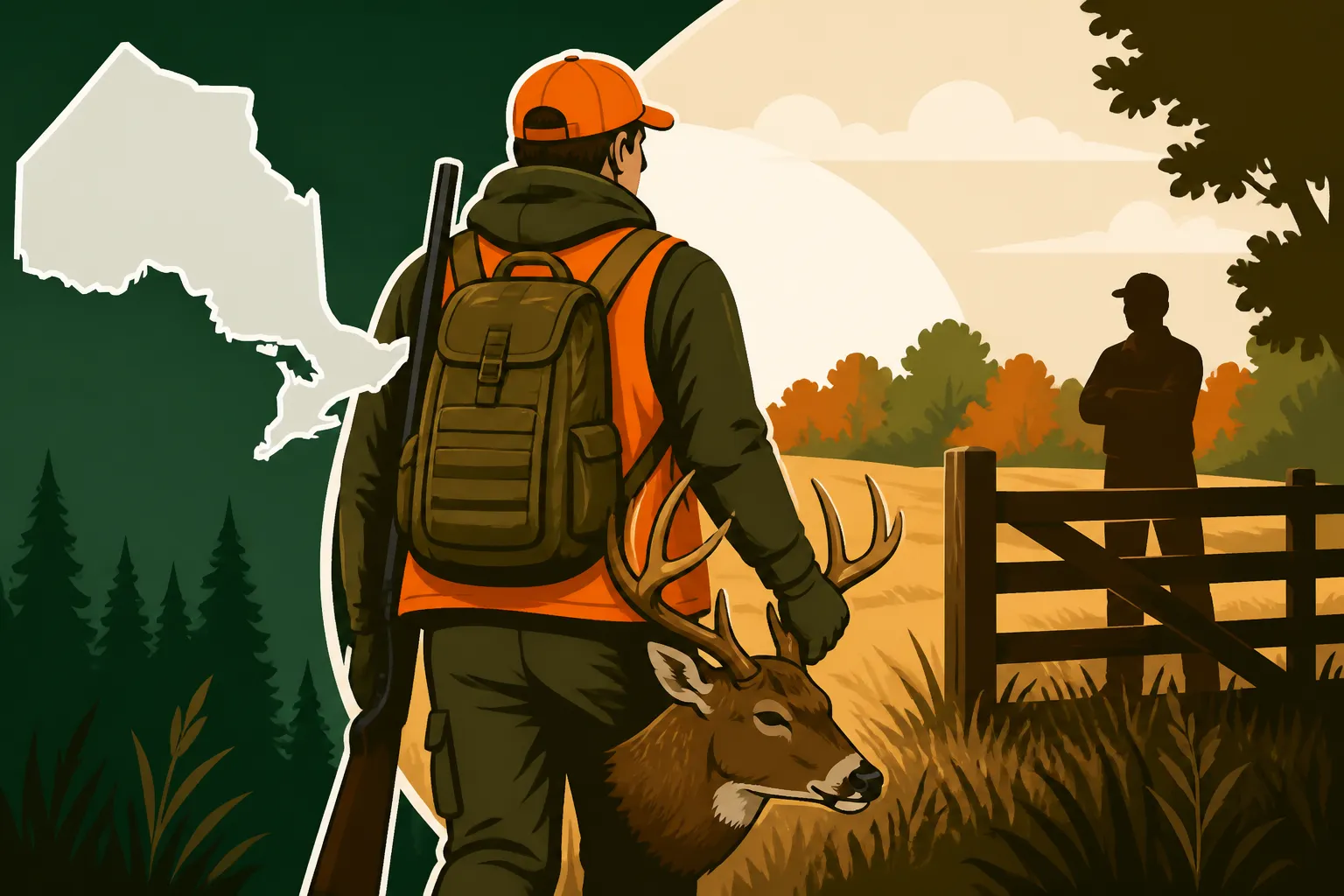
We’ve all been there, haven't we? You make a good shot on a deer, a bear, or even a turkey, and the animal takes off, quickly disappearing from sight. Your heart pounds, a mix of excitement and anxiety. You follow the blood trail, optimistic, only to realize with a sinking feeling that the tracks, and likely your game, are heading straight for that "No Trespassing" sign you noticed earlier. This situation can turn a successful hunt into a confusing, frustrating, and even legally precarious predicament. This guide will walk you through the proper steps, legal considerations, and ethical approaches to retrieving game that has crossed onto private land here in Ontario, helping you navigate this tricky scenario with respect and within the law.
Understanding Ontario's Trespass Laws for Hunters
The moment your game crosses a property line onto private land, the rules shift dramatically. It's not just about tracking an animal anymore; it's about respecting private property rights, which are taken very seriously in Ontario. The last thing any hunter wants is to face legal trouble or, worse, tarnish the reputation of hunters in general by disrespecting a landowner's boundaries.
The Basics of Permission and Access
In Ontario, the law is quite clear: you absolutely need permission from the landowner to enter private property for any reason, and that includes retrieving game. This isn't a suggestion; it's a legal requirement. Without explicit permission, you are trespassing, plain and simple. Imagine someone walking into your backyard without asking—it feels intrusive, right? Landowners feel the same way about their property, especially when it comes to someone entering with a firearm, even if it's for retrieval.
This permission doesn't need to be formal or written, but having it documented, even with a text message, can save a lot of headaches later on. Verbal permission is perfectly legal, but it can be harder to prove if there's a misunderstanding. The key is that the permission must be current and specific to your purpose. Old permission to hunt ducks in a different area won't cover tracking a deer across their woodlot this season. It's always best to get fresh permission, even if you’ve had it before, especially when the stakes are as high as retrieving a downed animal. For more on this, check out Ontario Trespass Law for Hunters.
What Constitutes Trespassing While Retrieving
Trespassing isn't just about sneaking onto someone's land in the dead of night. It's any unauthorized entry onto private property. Even if you can see your downed deer just over the fence, stepping onto that land without permission is trespassing. The intent might be noble—you want to recover your game ethically—but the legal reality doesn't change.
It's important to understand that your hunting licence or tag doesn't grant you any special rights to access private land. Those only give you the right to hunt game where it is legal to do so, and private land without permission is not legal. Even if you've wounded an animal and believe it's suffering, entering without permission could lead to charges under the Trespass to Property Act. This is a critical point that many hunters misunderstand, often out of desperation to recover their harvest. Instead of rushing in, take a breath, back off, and focus on the correct procedure.
Steps to Take When Game Crosses Property Lines
So, your game has crossed over. What's next? The moments immediately following this realization are crucial. Your actions and attitude can make all the difference in whether you successfully retrieve your animal or face an uncomfortable confrontation.
Immediate Actions and Assessment
First and foremost, do not cross the property line. Mark where your game entered the private property from your side. Note any distinguishing features like a specific tree, a rock, or a fence post. This gives you a clear point of reference and shows you respected the boundary. If you have a GPS device or a mapping app like onX Hunt, mark the exact spot where the animal crossed. This isn't just for your benefit; it's tangible evidence you can show the landowner.
Next, unload your firearm or secure your bow. Even if you plan to talk to the landowner, appearing at their door with a loaded weapon or nocked arrow can be intimidating and create an immediate barrier. Your goal is to be perceived as a respectful, responsible individual, not a threat. Take a deep breath. It’s natural to feel frustrated or anxious, but a calm, composed approach is always better.
How to Approach Landowners Respectfully
This is arguably the most critical step. Your entire success hinges on a positive interaction. Start by researching who owns the property. This is where mapping apps like onX Hunt or even municipal property records can be incredibly useful. If you don't know the owner, you might need to ask neighbours, local businesses, or even a local conservation officer for assistance in identifying them.
Once you identify the landowner, approach them directly and at a reasonable time. Avoid showing up unannounced late in the evening or very early in the morning. When you do approach, introduce yourself clearly. Explain the situation honestly and concisely: "Hello, my name is [Your Name], and I'm a hunter. I just shot a deer/bear on the property next to yours, and it appears to have run onto your land. I was hoping I could get your permission to track and retrieve it." Show them where it crossed, ideally on a map or by pointing. Offer to have them accompany you. This builds trust and transparency. For tips on initial contact, read Asking an Ontario Landowner for Permission and Knocking on Doors in Southern Ontario.
The Importance of Communication and Documentation
Clear and respectful communication is paramount. Listen to the landowner's concerns, and be prepared for them to say no. If they agree, discuss the specifics: where you’ll enter, where you expect the animal to be, and how you’ll remove it. If they want to come with you, welcome their presence. If they prefer you enter alone, make sure you understand the boundaries and any specific requests they have.
It's a good practice to exchange contact information, and if possible, get their permission in writing, even a quick text message or email, summarizing your agreement. This isn't about distrust; it's about clarity and protecting both parties. For instance, you could text: "Thanks for allowing me to retrieve my deer from your south woodlot. I'll be sure to close all gates and leave no trace." This confirms the verbal agreement. Always be extremely careful not to damage any property, gates, or fences. Leave the property exactly as you found it, if not better.
Legal and Ethical Considerations
Even with the best intentions, retrieving game from private land can involve complex situations. Understanding your legal standing and adhering to ethical principles is key to maintaining a good relationship with landowners and upholding the integrity of the hunting community.
What if Permission is Denied?
This is the tough one. If a landowner denies you permission to retrieve your game, you generally have no legal right to enter their property. Period. While it's incredibly frustrating, and your first thought might be the wasted meat or the suffering animal, forcing the issue could lead to legal charges of trespassing and even mischief. It's a hard pill to swallow, but you must respect their decision.
In such a scenario, you might try asking if they would be willing to retrieve the animal themselves, especially if they are also hunters or simply want to ensure an injured animal isn't left to suffer. Offer to help in any way they permit from your side of the fence. Sometimes, a "no" to you entering might turn into a "yes" to them assisting. If all avenues are exhausted and permission is still denied, you might have to accept the loss. It's a devastating outcome for any hunter, but it's crucial to prioritize legal and ethical conduct above all else. Remember, your goal is to be a responsible hunter, which includes respecting property rights even in challenging circumstances.
Your Rights and Responsibilities as a Hunter
As a hunter in Ontario, you have the right to pursue game legally on accessible land, but this comes with significant responsibilities. Your primary responsibility is to respect property rights, ensure public safety, and make every reasonable effort to retrieve wounded game. This means not taking risky shots that have a high probability of the animal running onto unaccessed private land.
When it comes to retrieving game, your responsibilities include:
- Proof of Legal Harvest: Have your valid hunting licence and tag readily available. If the landowner has concerns, showing them you're a legal hunter can build trust.
- Safe Handling of Firearms: As mentioned, always approach landowners with an unloaded, cased, or visibly secured firearm or bow.
- Minimizing Impact: Leave no trash, do not disturb livestock or crops, and ensure gates are closed. If you track through an area, try to leave as little trace as possible.
- Reporting Your Harvest: Even if retrieved from private land, your harvest still needs to be properly reported according to Ontario's regulations. Reporting Your Ontario Harvest outlines this process.
Ethical Hunting Practices and Public Perception
Every interaction a hunter has with a non-hunter, especially a landowner, shapes the public perception of hunting. A courteous, respectful hunter who follows the rules, even when it means sacrificing a harvest, does far more for the image of hunting than someone who acts entitled or creates conflict.
Think about the bigger picture: if you upset a landowner, they might put up more "No Hunting" signs, making it harder for all hunters in the future. On the other hand, a positive interaction might open doors for you or other hunters down the line. It's about being an ambassador for our sport. This is why knowing regulations, such as those covered in Ontario Hunter Education Requirements, is so vital. We want to be seen as responsible stewards of the land and wildlife, not as intruders.
Tools and Resources for Navigating Property Lines
Navigating property lines, especially in unfamiliar territory, can be a real challenge. Thankfully, modern technology and local knowledge can significantly aid hunters in avoiding these dilemmas and handling them respectfully if they arise.
Using Mapping Apps to Identify Boundaries
In today's hunting world, digital mapping apps have become indispensable. Tools like onX Hunt are game-changers for identifying property lines and landowner information before you even step foot in the woods. You can scout from home, identify potential problem areas, and even find landowner contact details in some cases. This proactive approach can prevent the situation where your game runs onto unknown private land.
Imagine you're hunting a bush lot you just got access to. Before you even head out, you can pull up onX Hunt on your phone or computer, zoom in, and see exactly where the property lines are. You can identify neighbouring parcels, see who owns them, and even mark "no-go" zones. This kind of preparation is invaluable. While there are other tools out there, like those that sometimes integrate with platforms like GoHunt for broader hunting planning and scouting, onX Hunt is particularly renowned for its detailed property line layers in many regions, including Ontario. Reading Ontario Crown Land Layers on onX offers more detail on how these tools can be used to your advantage.
Local Resources and Community Connections
Beyond technology, good old-fashioned community connections are invaluable. Local bait shops, conservation officers, and even other hunters can be excellent resources for identifying landowners or understanding local access nuances. These people often have deep knowledge of local properties and who owns what.
Before hunting an area, especially near private parcels, make an effort to connect with the community. You might find out that Farmer Johnson doesn't mind hunters tracking wounded game, as long as you ask first. Or, you might learn that the logging company owning the adjacent parcel actually encourages ethical retrieval if you contact their local office. Don't underestimate the power of local relationships. Always remember that proactive scouting, including using satellite imagery as discussed in Scouting With Satellite Imagery in Ontario, coupled with local intelligence, is your best defense against unexpected boundary crossings.
Here's a quick summary of dos and don'ts when your game crosses onto private land:
| Action Category | Do's | Don'ts |
|---|---|---|
| Immediate Response | Mark the crossing point, unload weapon, secure bow, take a deep breath. | Cross the property line without permission, rush in, act entitled. |
| Landowner Approach | Identify owner, approach respectfully, explain clearly and calmly. | Confront, demand access, show up unannounced at odd hours, appear threatening. |
| Communication | Be transparent, listen to concerns, offer for them to join, get consent. | Argue, make assumptions, damage property, leave gates open. |
| Preparation | Use mapping apps (onX Hunt), scout property lines, know local rules. | Neglect scouting, rely on outdated information, assume universal access. |
| After Retrieval | Thank the landowner, leave no trace, report your harvest. | Forget to thank them, leave garbage, cause damage. |
Disclaimer
This article is for general informational purposes only and does not constitute professional advice. Laws, prices and regulations vary by location and change over time. Consult a qualified professional for guidance on your specific situation.