Ontario WMUs You Can Hunt From a Truck
It’s a common frustration for many hunters, especially as we get a little older or when time is tight: how do you access great hunting ground without having to backpack in for miles or rely on ATVs where they might not be practical or even legal? The idea of "truck hunting" in Ontario isn't about shooting from your vehicle – which is strictly illegal and unethical – but rather about effectively using your truck for access, scouting, and establishing a base camp in Wildlife Management Units (WMUs) that offer good road networks. This guide is all about helping you identify those accessible WMUs and how to maximize your hunting success while staying within the rules and respecting the land.
Understanding the Rules: Vehicle Use and Hunting in Ontario
Navigating hunting regulations can sometimes feel like a maze, and vehicle use is one area where it’s easy to get confused. The key distinction, as mentioned, is that you can't hunt from a vehicle, but you absolutely can use your truck to get to your hunting spot. Understanding the specific rules about driving on Crown Land, logging roads, and other accessible areas is paramount to a successful and legal hunt.
Legal Limitations on Hunting From a Vehicle
Let's get this out of the way first: shooting a firearm or bow from any vehicle, including your truck, ATV, or even a boat under power, is illegal in Ontario. This includes shooting across a roadway. The spirit of fair chase and safety dictates that hunters must be on foot, actively stalking or still-hunting, or in a stationary blind. Your truck serves as transportation, a mobile gear locker, and a shelter, not a shooting platform. Imagine the safety hazards and ethical breaches if everyone was allowed to shoot from their vehicle – it would be chaos and endanger everyone. Always exit your vehicle, ensure your firearm is unloaded and cased (or bow is unstrung/cased) before driving, and only prepare to hunt once you are safely away from the road and ready to begin your pursuit on foot.
Accessing Crown Land and Private Roads
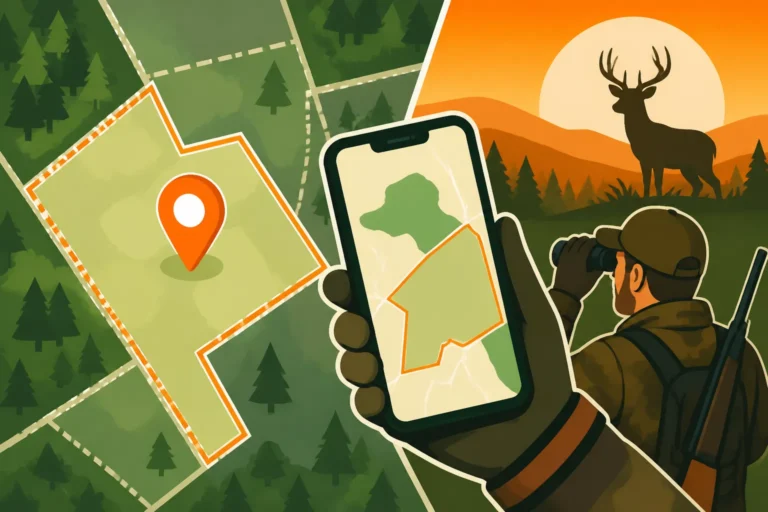
Ontario boasts vast tracts of Crown Land, much of which is accessible by vehicle, particularly in the northern and central regions. These can often be accessed via public roads, municipal roads, or even old logging roads. However, there are nuances. Some logging roads are privately owned and maintained by timber companies, which might have restrictions or require permits, especially during active logging operations. Always keep an eye out for "No Trespassing" signs or barriers. For Crown Land, generally, if a road appears public and isn't clearly marked as private, you can use it for access. However, some areas have specific restrictions on vehicle types or seasonal closures, especially sensitive natural areas or areas prone to erosion. Always check the local WMU regulations and consult resources like Reading an Ontario WMU Map Before You Go to understand access points. Tools like onX Hunt can be incredibly helpful here, showing detailed land ownership and road networks, helping you distinguish between public and private access.
ATV Rules on Ontario Crown Land
While the focus here is on trucks, it’s worth noting that many truck-accessible WMUs also allow ATV use. However, the rules for ATVs on Crown Land can be quite specific. For instance, in some areas, ATVs might be restricted to existing roads and trails, while in others, cross-country travel might be prohibited to protect sensitive ecosystems. Always research the specific WMU and any relevant local bylaws. Even where ATVs are permitted, remember the same rule applies: no hunting from the ATV. They are for transport to your hunting grounds, allowing you to venture further than your truck might allow, but you still need to dismount and hunt on foot. Ignoring these rules can lead to significant fines and the loss of your hunting privileges, which is a headache no one wants.
Scouting and Strategy for Truck-Accessible WMUs
Just because you can drive into an area doesn't mean the hunting will be easy. Smart scouting and a solid strategy are still essential. The truck simply becomes another tool in your hunting arsenal, enabling you to cover more ground and adjust your plans more flexibly.
Utilizing Road Networks for Scouting
Your truck is an incredible asset for pre-season scouting. You can drive miles of old logging roads, hydro lines, and concession roads that border or cut through WMUs, covering vast distances in a short amount of time. Look for fresh tracks, rub lines along the edges of the road, or deer crossing points. Often, deer will use these less-trafficked roads as travel corridors, especially at dawn and dusk. Pay attention to changes in habitat – where a dense stand of pines meets a clearcut, or where a hardwood ridge transitions into a cedar swamp. These transition zones, easily spotted from a truck window, are often prime spots. Even a quick drive through an area can give you a better feel for the terrain, the amount of pressure, and potential entry points than simply looking at a map. Consider using digital mapping tools like GoHunt or onX Hunt to mark points of interest you discover from your vehicle, building a comprehensive scouting map.
Identifying Productive Areas from Your Truck
When you're driving, don't just look at the road. Look beyond it. Scan for tell-tale signs of game activity.
- Old Logging Roads and Clear Cuts: These areas often provide new browse for deer and moose, especially a few years after cutting. The edges where the forest meets the clearcut can be excellent travel corridors. Hunting a Cutover Three Years On can offer more insights into these areas.
- Hydro Lines and Pipelines: These linear features create natural clearings and edges that game animals often use for movement. They also offer excellent long-range visibility, which can be useful for spotting distant game, particularly moose. Hunting a Hydro Line Right-of-Way provides specific strategies.
- Beaver Ponds and Swamps: Look for signs of water, especially in drier areas. Beaver ponds and swamp edges are natural draws for all kinds of wildlife, providing water, cover, and food. While you might not drive right up to them, a truck can get you close enough to hike in. Hunting a Beaver Meadow Crossing is a great resource for this.
- Agricultural Edges: In WMUs that border farmland, pay close attention to where the bush meets fields of standing corn or soybeans. Deer will often bed in the bush and feed in the fields. A truck allows you to quickly check multiple field edges, particularly at first and last light. Hunting a Standing Corn Field Edge and Hunting a Soybean Field at Dusk explain this further.
Strategic Parking and Still-Hunting
The beauty of a truck-accessible WMU is the flexibility it offers. Instead of just picking one spot and sticking to it all day, you can employ a "park and still-hunt" strategy. Drive to a promising looking area, park discreetly, and then head into the bush on foot. Still-hunt through a block of cover for a few hours. If you don't find what you're looking for, or if conditions change, you can easily return to your truck and relocate to a different area quickly. This is especially effective in diverse landscapes where game might be widely dispersed, or in areas with varying wind directions. It's a fantastic way to cover significant ground effectively without exhausting yourself before the day is out.
Specific Ontario WMUs Favourable for Truck-Based Access
Ontario is a huge province, and not all WMUs are created equal when it comes to road access. Certain regions, by their nature, have more extensive networks of public and logging roads that make truck-based hunting a viable and often preferred option.
Northern Ontario: Logging Roads and Remote Bush Access
Many WMUs in Northern Ontario, particularly in the Northwest (around Thunder Bay, Kenora) and Northeast (around Timmins, Sudbury), are crisscrossed by thousands of kilometers of logging roads. These roads provide incredible access into vast tracts of Crown Land that would otherwise be nearly impenetrable.
- Northwestern Ontario: Areas like the Hunting the Nipigon Country or the region around Dryden and Sioux Lookout are prime examples. Here, you'll find extensive networks of active and inactive logging roads. While active roads require extreme caution due to heavy equipment, older, abandoned roads can offer fantastic, low-pressure hunting. You might need a good 4×4 truck, and always be prepared for remote conditions.
- Northeastern Ontario: The "Clay Belt" region, particularly around Cochrane and Kapuskasing, also offers extensive road access through managed forest lands. Hunting the Cochrane Clay Belt is a great example of a WMU where truck access is common. These areas are excellent for moose, bear, and grouse.
These northern WMUs often have a lower human population density, which translates to fewer hunters per square kilometre, even on accessible roads. However, always be self-sufficient; cell service can be spotty to non-existent, and help can be a long way off. Your truck needs to be reliable, and you should carry emergency supplies. Truck Kit for a Northern Ontario Hunt is a must-read if you're planning such a trip.
Central Ontario: Algonquin Fringe and Mixed Forest Units
Central Ontario offers a different flavor of truck-accessible hunting, often blending vast Crown Land forests with pockets of private land and smaller, more winding roads.
- Algonquin Fringe: WMUs bordering Algonquin Park, such as those in the Haliburton Highlands or around Parry Sound, offer a mix of Crown Land and private property. While not as remote as the far North, these areas have numerous gravel roads, old colonization roads, and bush roads that provide access to excellent deer and bear habitat. The terrain here can be more rugged, with granite outcroppings and dense mixed forest. Hunting the Haliburton Highlands outlines the unique challenges and rewards of this region.
- Mixed Forest Units: WMUs with significant mixed hardwood and conifer stands often have good road access through them. These areas provide diverse habitat for whitetails, small game, and even some bear. You'll find a higher density of local hunters here, so choosing less obvious access points or being willing to walk a bit further from the truck can make a big difference.
Southern Ontario: Farm Country Edges and Limited Bush Lots
While Southern Ontario is largely private land and highly agricultural, there are still WMUs where a truck can be instrumental, primarily for accessing small bush lots or hunting along field edges.
- Farmland WMUs: In WMUs dominated by agriculture, a truck is essential for driving between smaller, scattered bush lots where hunting permission has been secured. You might park at the edge of a woodlot and still-hunt in, or use your truck to access multiple properties throughout the day. This is often the case when Hunting Deer in Southern Ontario Farmland.
- Conservation Areas and Municipal Forests: Some Conservation Authority lands or municipal forest tracts allow hunting, and these often have excellent road access, although vehicle restrictions within the properties themselves might apply. Always check with the specific land manager for their rules. While not strictly "Crown Land," these can offer accessible hunting opportunities near population centres.
Here's a quick comparison of general truck accessibility across Ontario regions:
| Region | Typical WMU Characteristics | Truck Access Level | Common Game Species | Considerations |
|---|---|---|---|---|
| Northwest Ontario | Vast Crown Land, extensive logging road networks, remote wilderness | High | Moose, Bear, Whitetail (North), Grouse | Long drives, limited cell service, active logging, 4×4 recommended |
| Northeast Ontario | Clay Belt, managed forests, older logging roads, some private | High | Moose, Bear, Whitetail, Grouse, Waterfowl | Similar to NW, potentially less rugged, more agricultural pockets |
| Central Ontario | Mixed forest, Algonquin fringe, private land mix, rugged Shield | Medium-High | Whitetail, Bear, Grouse, Turkey | Good mix of roads, some dead ends, more local pressure, varied terrain |
| Southern Ontario | Agricultural land, small bush lots, higher population density | Medium | Whitetail, Turkey, Small Game, Waterfowl (field edges) | Focus on private land access, parking at field/woodlot edges, less "bush" driving |
Ethical Considerations and Respectful Practices
Hunting from a truck, even for access, comes with its own set of ethical considerations. It's not just about staying legal, but about maintaining the integrity of our hunting heritage and respecting both the land and other users.
Minimizing Impact and Practicing Leave No Trace
When you're driving into remote areas, it's easy to feel like you're the only one out there. However, every hunter has a responsibility to minimize their impact. Stick to existing roads and trails. Avoid driving in excessively wet conditions where you could cause deep ruts and erosion. Pack out everything you pack in, and then some. This includes spent shell casings, food wrappers, and any garbage you might find. If you leave your truck parked on the side of a road, ensure it’s not obstructing traffic or damaging vegetation. A well-maintained, clean hunting area benefits everyone and ensures continued access for future generations.
Sharing the Road and Respecting Other Users
Logging roads and Crown Land access points aren't just for hunters. You'll encounter other users: loggers, trappers, anglers, ATV enthusiasts, hikers, and campers. Be courteous, slow down for oncoming traffic, and be prepared to yield, especially to commercial vehicles like logging trucks. If you see someone else already set up in an area you planned to hunt, be respectful and find another spot. Communication goes a long way. A friendly wave and a nod can go a long way in fostering positive relationships between different user groups. Remember, we all share the outdoors.
Public Perception and Responsible Hunting
The image of hunters driving around in trucks can sometimes contribute to negative public perception, especially if it's misunderstood as "road hunting." It's our responsibility to ensure we are always acting as ethical, responsible outdoorsmen. This means not just following the letter of the law, but also its spirit. If you're using your truck for access, ensure your firearms are unloaded and cased, and that you are clearly getting out of your vehicle to hunt on foot. Never showcase careless or reckless behaviour near roads or public areas. Our actions reflect on the entire hunting community, and demonstrating respect for wildlife, regulations, and other people helps secure the future of hunting in Ontario.
Disclaimer
This article is for general informational purposes only and does not constitute professional advice. Laws, prices and regulations vary by location and change over time. Consult a qualified professional for guidance on your specific situation.