Hunting Around Hearst and Kapuskasing
For many hunters, the thought of venturing into the vast, wild stretches of Northern Ontario, particularly the areas surrounding Hearst and Kapuskasing, can be a mix of excitement and trepidation. It's an enormous landscape, often perceived as an impenetrable wilderness, and knowing where to start, what to expect, and how to navigate it can feel overwhelming. This guide aims to pull back the curtain on hunting in this incredible region, offering practical advice and insight to help you plan a successful and rewarding adventure.
Understanding the Landscape: The Clay Belt's Unique Appeal
When you hear "Northern Ontario," many folks immediately picture rugged, rocky Canadian Shield country, dotted with endless lakes and towering pines. While that's certainly true for much of the north, the area around Hearst and Kapuskasing offers a unique geological and ecological experience known as the "Clay Belt." This distinct environment shapes everything about hunting here, from the types of game you'll find to the best ways to access them.
Geography and Terrain: More Than Just Trees
The Clay Belt is exactly what it sounds like: a vast, flat, and often poorly drained plain of fertile clay soil left behind by ancient glacial lakes. Unlike the granite outcroppings and dramatic elevation changes of the Shield, here you'll find a more subdued, rolling landscape dominated by a mix of boreal forest species. Think endless stands of black spruce, balsam fir, and tamarack, interspersed with pockets of trembling aspen, white birch, and poplar.
This particular blend of forest, especially when combined with active logging operations, creates incredibly diverse and productive habitat. Logging creates clearcuts that quickly regenerate into thick browse, providing essential food for moose. The dense spruce and cedar swamps offer crucial winter cover. While it might seem monotonous at first glance, understanding these subtle shifts in vegetation is key. The flat terrain can make travel challenging, especially off-trail, as water often pools, creating boggy, knee-deep conditions in many areas. Expect to get your boots wet, even on what looks like solid ground. This terrain is a huge reason why moose thrive here; it's perfect habitat for them.
Key Game Species in the Region: Northwoods Giants
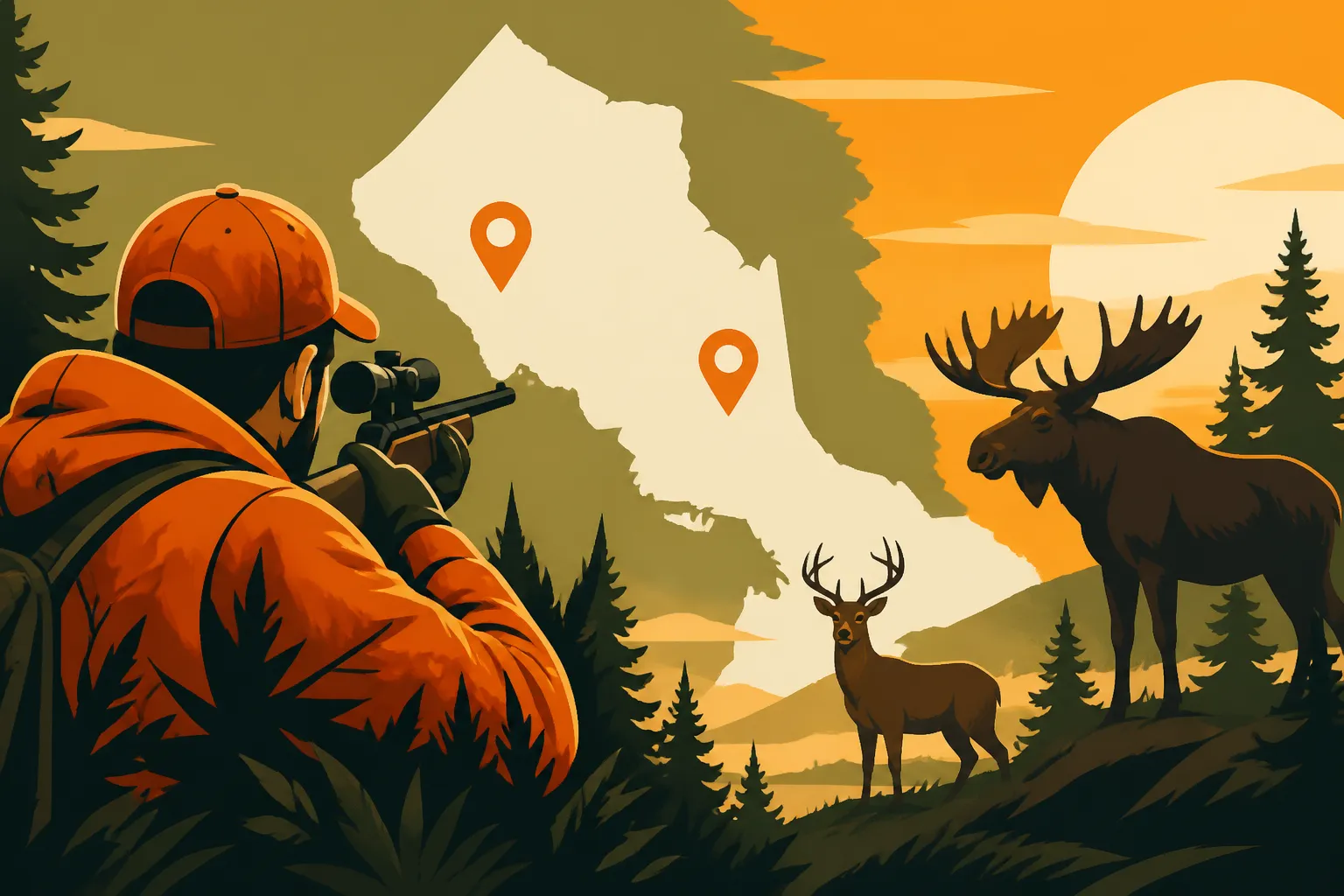
The Hearst and Kapuskasing region is primarily renowned for its big game hunting, specifically moose and black bear. These animals thrive in the Clay Belt's rich habitat, offering hunters incredible opportunities.
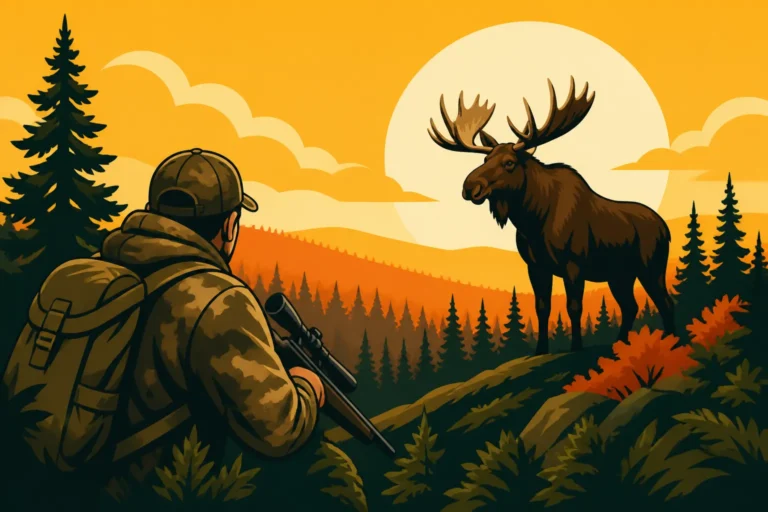
Moose are, without a doubt, the undisputed monarchs of this northern landscape. They feed heavily on the abundant browse found in regenerating clearcuts, along river systems, and in and around the countless beaver ponds. Seeing a mature bull emerge from the mist of a bog or a thick stand of alders is an unforgettable experience. Their sheer size and the dense cover make hunting them a true challenge.
Black bears are also prevalent, drawn by the same regenerating forests that provide a bounty of berries, nuts, and other forage, especially in the fall. Old logging cuts often become prime bear country as the berry crops flourish. Bears here tend to be large, well-fed animals, and encountering one is always a thrill.
Beyond the big game, upland birds like ruffed grouse are incredibly common along old logging roads and in aspen stands, offering a fantastic bonus hunt. Snowshoe hare populations can also be quite robust, especially in the later seasons after a good snowfall, providing another exciting small game option. Understanding where these animals prefer to be in this unique environment is the first step to a successful hunt.
Accessing the Vastness: Roads, Trails, and Waterways
The sheer scale of the hunting grounds around Hearst and Kapuskasing can be daunting. Unlike some southern areas with neatly divided private parcels, much of this region is Crown Land, accessible through a network of roads and waterways. However, "accessible" doesn't always mean "easy," and knowing how to navigate this wild frontier is crucial.
Navigating Logging Roads and Trails
The lifeline of hunting in the Clay Belt is its extensive network of logging roads. These vary wildly, from well-maintained main lines used by heavy equipment to overgrown, barely discernable two-tracks that haven't seen a grader in decades. These roads allow hunters to penetrate deep into areas that would otherwise be inaccessible. However, they come with their own set of challenges.
Active logging roads mean you'll be sharing the space with massive trucks and machinery. Always give way to logging traffic and be aware of your surroundings; these drivers are often on tight schedules and may not expect recreational vehicles. Many side roads can quickly become impassable due to deep mud, washouts, or simply becoming too overgrown to drive. A reliable 4×4 vehicle with good ground clearance is highly recommended. It’s not uncommon to find yourself needing to turn around or back out of a tricky spot if the road degrades.
This is where modern mapping tools really shine. Services like onX Hunt or GoHunt offer invaluable satellite imagery and, crucially, often delineate Crown Land boundaries, recent cut blocks, and even older logging roads that might not appear on standard road maps. You can download maps for offline use, which is essential as cell service quickly disappears once you leave the main highways. I can't tell you how many times I've used these tools to confirm I'm still on public ground or to find a forgotten spur road that leads to a hidden gem of a hunting spot. Remember, roads can change rapidly due to new logging or weather events, so always be prepared for the unexpected. Scouting With Satellite Imagery in Ontario can provide more tips here.
Utilizing Water Access and Remote Areas
While roads are vital, some of the best hunting grounds, particularly for moose, are found by utilizing the region's abundant waterways. The Clay Belt is crisscrossed with rivers, streams, and numerous beaver ponds and small lakes. For those willing to put in the effort, Canoe-In Hunting on Ontario Crown Land can open up vast, untouched territories far from any road hunter pressure.
Imagine paddling quietly down a meandering river at first light, calling for a bull moose as the mist rises off the water. This type of hunting requires more planning and specialized gear, including durable canoes or small aluminum boats, and knowledge of portage routes. But the reward of reaching truly remote areas, where the only tracks you'll see are those of wildlife, is immense. When hunting moose, getting your animal out can be a significant challenge, and using a boat or canoe, as discussed in Hunting Moose From a Boat or Canoe, becomes a practical necessity rather than just an access method. Always prioritize safety on the water, especially in colder temperatures or swift currents.
Crown Land Regulations and Considerations
Much of the land around Hearst and Kapuskasing is publicly owned Crown Land, meaning it's generally open for hunting by licensed individuals. However, understanding the specific rules is crucial. While hunting on Crown Land is a privilege, it comes with responsibilities. For instance, non-residents often require a specific Crown Land camping permit if they plan to stay overnight in the bush.
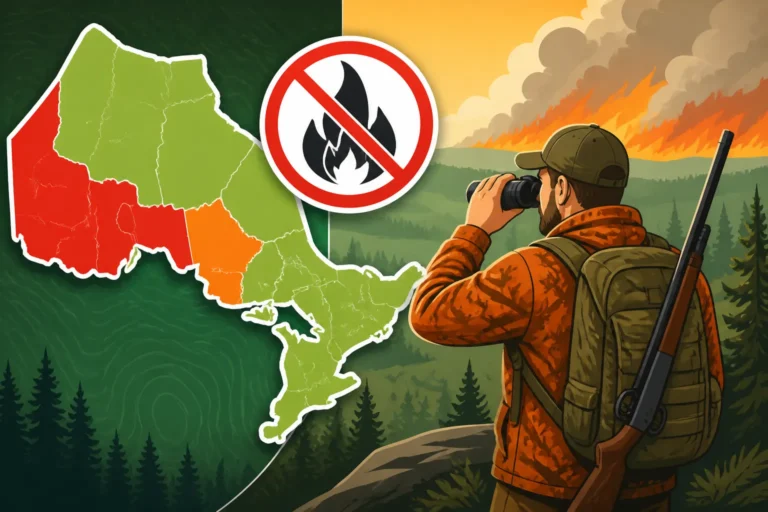
Always respect industrial operations; logging companies have active leases and rights-of-way. Drive carefully, be aware of signage, and avoid interfering with their work. Leave no trace, pack out all your garbage, and ensure any campfires are completely extinguished. The northern bush is a fire risk, especially in dry periods. These lands are a shared resource, and ethical conduct ensures they remain open for all of us. You can find more general information about Hunting Ontario's Crown Land to prepare for your trip.
Strategies for Success in the Northern Bush
Hunting in the Hearst and Kapuskasing region demands specific strategies tailored to the terrain and the behaviour of its resident game. This isn't your typical whitetail hunt, and understanding the nuances can make all the difference between a memorable experience and a frustrating one.
Moose Hunting Tactics: Calling, Still-Hunting, and Patience
Moose hunting in the Clay Belt is a truly immersive experience, often revolving around a combination of calling, still-hunting, and meticulous scouting. During the rut, typically in late September and early October, calling becomes incredibly effective. The vast, relatively flat landscape means sound can carry a long way, and a well-executed cow call or bull grunt can bring a curious or territorial bull in from surprising distances.
The key to successful calling, as detailed in Calling a Bull Moose in the Rut, is patience and reading the animal's response. Don't call too frequently, and listen intently for responses – a twig snap, a distant grunt, or the splash of a moose crossing a bog. Finding fresh sign is also paramount. Look for rubs on small trees, fresh tracks in mud or snow, and heavily browsed areas. Moose are creatures of habit, often using the same travel corridors along water features or through younger clearcuts. Hunting Moose Around an Ontario Beaver Pond is a prime example of targeting these natural travel routes and feeding areas.
Still-hunting through the dense spruce and alder stands is physically demanding but highly rewarding. Moose are big animals, but they can disappear silently in thick cover. Move slowly, scan constantly, and use your binoculars to pick apart the shadows. Focus on areas where food and cover meet, or along the edges of swamps and logging cuts. The sheer size of the country here means you might cover a lot of ground without seeing an animal, but when you do connect, the effort is instantly forgotten.
Black Bear Hunting Approaches: Baits, Berries, and Bush Edges
Black bear hunting in this region offers diverse opportunities. While many hunters opt for baiting, which can be highly effective, spot-and-stalk or still-hunting can also yield results. Baiting requires significant commitment – finding a suitable location, getting permission if on private land (though much of this area is Crown), setting up a consistent bait site, and regular refreshing. It's a long-term strategy, and patience is a virtue when waiting over a bait. Setting a Bear Bait Site in Ontario provides all the necessary details for this method. Always be mindful of ethical baiting practices and provincial regulations.
For those preferring a more active hunt, still-hunting or spot-and-stalk can be productive, especially during seasons when natural food sources are abundant. Bears will often concentrate in recent clearcuts or along bush edges where berry crops (blueberries, raspberries, saskatoons) are plentiful. Focus on areas with a mix of mature timber for cover and open or regenerating areas for food. Fresh scat, tracks, and disturbed ground can indicate recent bear activity. The Clay Belt's mix of forest types and logging activity creates dynamic food sources, so scouting for these areas is crucial.
Upland Bird and Small Game Opportunities: Quick Action and Rewarding Hunts
Don't overlook the fantastic small game opportunities while you're in the Hearst and Kapuskasing area. Ruffed grouse, in particular, are incredibly abundant along old logging roads, ATV trails, and in young aspen and poplar stands. These birds are often referred to as "thunder chickens" for a reason; they explode from cover with a startling drumming of wings, demanding quick reflexes.
Walking these old roads, especially during the morning or late afternoon, can provide consistent action. A good pointing or flushing dog can significantly increase your success and enjoyment. Pay attention to edges where different cover types meet, and focus on areas with thick undergrowth for refuge. Ruffed Grouse Hunting Ontario's Bush Roads offers excellent strategies for this.
Snowshoe hare populations can also be quite high, especially during the colder months when snow has fallen. Hunting them with beagles in thickets of young spruce and cedar can be an exhilarating experience. The thick cover they inhabit makes for challenging but rewarding shooting.
Planning Your Hearst/Kapuskasing Hunting Adventure
A successful hunt in Northern Ontario, especially around Hearst and Kapuskasing, hinges on thorough planning and preparation. This isn't a spur-of-the-moment trip; it requires careful consideration of gear, logistics, and respecting the environment and local communities.
Essential Gear and Preparation: Be Ready for Anything
The northern bush is beautiful but unforgiving. Your gear selection and preparation are paramount. Layered clothing is a must, as temperatures can swing wildly, even within a single day. Waterproof and windproof outer layers are critical, especially given the region's often wet terrain and unpredictable weather. Good quality, waterproof boots are non-negotiable – expect mud, wet ground, and potentially stream crossings.
Navigation is key. While paper maps and a compass are essential backups, a reliable GPS unit or a robust hunting app like onX Hunt downloaded with offline maps is invaluable for navigating the maze of logging roads and dense bush. Cell service is non-existent in many areas, so a satellite communication device (like a satellite phone or a two-way satellite messenger) for emergencies is highly recommended. What to Do If You Get Turned Around is a good read if you are worried about getting lost.
Beyond personal gear, consider how you'll handle your game. If you're successful with a moose, you'll have hundreds of pounds of meat to process and transport. Have a plan for quartering, cooling, and storing the meat, especially during the warmer early fall seasons. Meat Care in Ontario's Warm Early Seasons can help you prepare for this. A robust first-aid kit, emergency shelter, fire-starting supplies, and enough food and water for unexpected delays are non-negotiable.
Working with Outfitters and Local Resources: Leveraging Expertise
For hunters new to the region, or non-residents, considering an outfitter can dramatically increase your chances of success and significantly reduce the logistical headaches. Local outfitters have intimate knowledge of the area, understand game movements, and often have established bait sites or proven moose calling territories. They can provide accommodation, guidance, transportation, and even assist with securing tags.
If you're interested in a guided moose hunt, Booking an Ontario Moose Hunt can walk you through the process. Outfitters in the Hearst/Kapuskasing area specialize in big game, and they often hold allocations for moose tags, which can be a huge advantage given the competitive draw system. Even for self-guided trips, checking in with local bait shops, hardware stores, or general stores can provide invaluable, up-to-date information on road conditions, recent game sightings, and local nuances. Don't underestimate the power of local knowledge. You can learn more about finding reputable operations in Hunting Guides and Outfitters in Ontario.
Respecting the Environment and Local Communities: Sustaining the Future
Hunting in Ontario is a privilege, and nowhere is this more evident than in the vast wilderness of the north. Always practice ethical hunting, respect bag limits, and ensure proper identification of your target. Beyond regulations, practice "leave no trace" principles: pack out everything you pack in, avoid unnecessary damage to vegetation, and treat the land with the respect it deserves.
The communities of Hearst and Kapuskasing are built on resource industries, including logging and tourism, and hunting is a significant part of their local economy and culture. Be courteous to residents, support local businesses, and if you encounter industrial operations, give them space and respect their work. A positive relationship between hunters and locals ensures continued access and goodwill. Report any suspicious activity or violations to the authorities. By being a responsible and respectful hunter, you contribute to the sustainability of this incredible resource for generations to come.
Comparative Overview: Key Game Species and Tactics
To help visualize some of the main hunting opportunities in the Hearst and Kapuskasing region, here's a brief comparison of the primary big game species you'll encounter and the typical approaches to hunting them.
| Feature | Moose | Black Bear |
|---|---|---|
| Primary Habitat | Regenerating clearcuts, beaver ponds, river systems, dense swamps | Logging cuts (especially with berries), heavy timber, denning areas |
| Key Food Sources | Willow, aspen, balsam fir browse, aquatic vegetation | Berries, nuts, insects, roots, logging discards, carrion |
| Common Tactics | Calling (rut), still-hunting, scouting fresh sign, tracking | Baiting, spot-and-stalk (clearcuts), still-hunting bush edges |
| Prime Season | Late September/Early October (rut) | Spring (May/June), Fall (August/September) |
| Challenges | Vast terrain, dense cover, game retrieval, physical exertion, competitive draw | Patience (baiting), identifying legal bears, scent control, thick cover |
| Required Gear | Reliable navigation, powerful rifle/bow, good boots, game cart/boat for retrieval | Reliable rifle/bow, scent control, robust bait setup (if baiting), binoculars |
Disclaimer
This article is for general informational purposes only and does not constitute professional advice. Laws, prices and regulations vary by location and change over time. Consult a qualified professional for guidance on your specific situation.