Hunting an Island on a Northern Lake
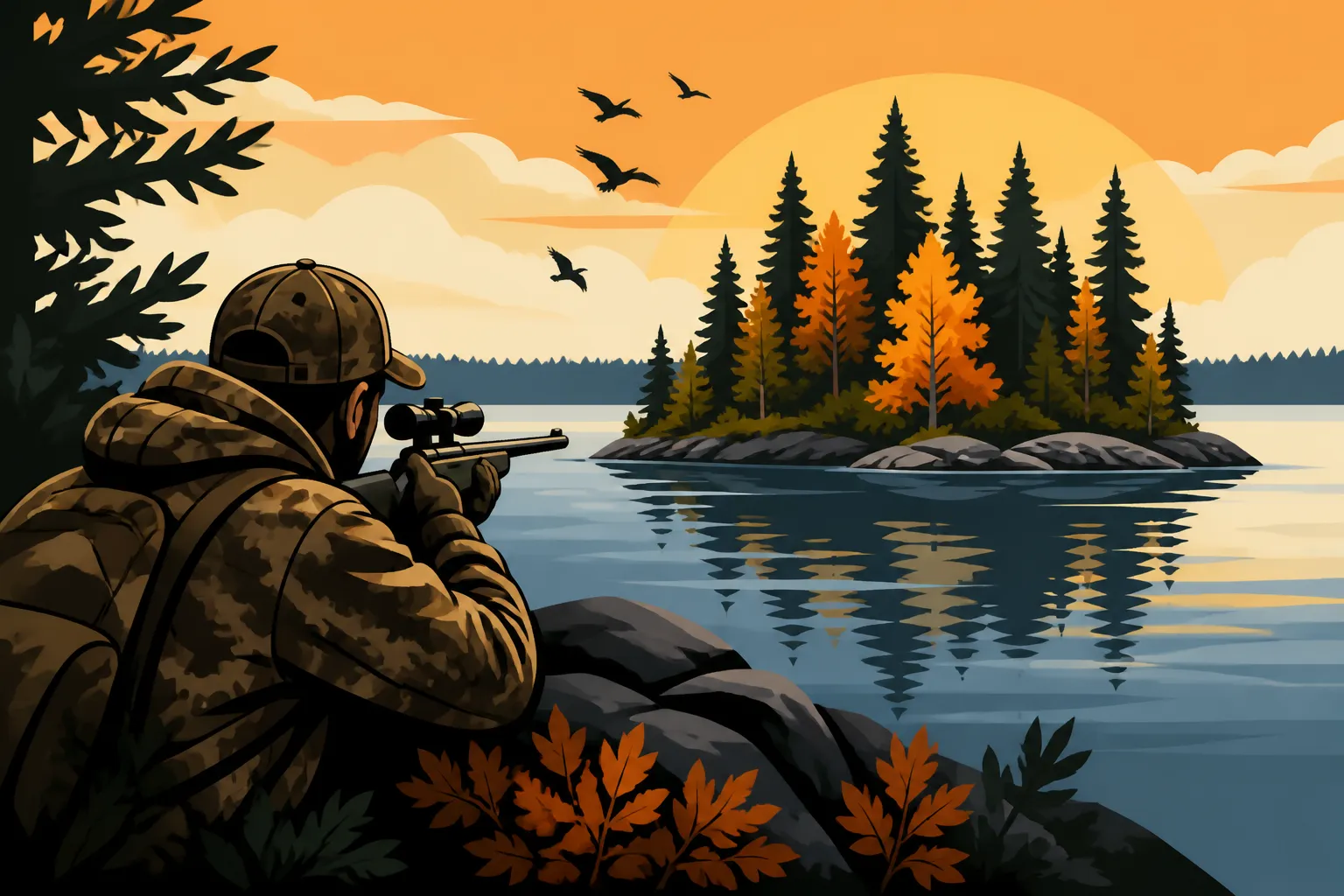
There's a special kind of magic that draws hunters to islands on northern Ontario lakes. It's the allure of untouched wilderness, the feeling of absolute solitude, and the hope that the isolation creates a haven for game that rarely sees human pressure. However, hunting these watery pockets of land comes with its own unique set of challenges, from accessing them safely to understanding how animals behave in such a confined, yet rich, environment. This guide is all about helping you unlock the potential of island hunting, navigate the obstacles, and make the most of these truly wild opportunities.
Why Hunting an Island on a Northern Lake is Different
Hunting an island isn't just "hunting, but surrounded by water." It’s an entirely different beast, one that demands specific strategies, a keen understanding of animal behavior in confined spaces, and a deep respect for the elements. The isolation that often attracts hunters to islands is both its greatest strength and its most significant challenge.
The Allure of Isolation and Reduced Pressure
Think about it: most hunters stick to the mainland, accessing bush by truck, ATV, or a short walk. Islands, especially those larger ones set a ways off shore on big, northern lakes, often escape this easy access. This means they can be true sanctuaries where whitetails, moose, or even bears live with far less human disturbance. I’ve seen some incredible sign on islands that I know haven’t been hunted in years, simply because getting there is a barrier for many. The idea is that if game can't get off easily, and hunters can't get on easily, animals might settle into a more natural routine, unspooked by constant intrusion. This can lead to older, larger animals establishing territories, especially if the island offers good cover, food, and water sources. It's a gamble, but when it pays off, it's often with a truly memorable experience.
Unique Game Behavior on Confined Landmasses
Animals on an island behave differently than their mainland cousins. For whitetails, an island is their world. They don't have endless kilometres of bush to roam, so their core ranges might be smaller, but they'll know every nook and cranny. Bucks might not be as quick to blow out of an area if they feel cornered by water, sometimes opting to circle back or lay low. This can be a double-edged sword: they can be easier to pattern because their movement is restricted, but they can also be incredibly difficult to push out of thick cover. Moose, too, will establish routines on larger islands, often using the shoreline for feeding on aquatic vegetation or moving between sections of timber. You might find more consistent rub lines or bedding areas. Hunting an Ontario River Valley offers some parallels, as river systems also create natural boundaries that can funnel game. For bears, islands can be a feast if berry crops are good, but they'll often swim back and forth to the mainland, so tracking their presence can be trickier. Understanding these localized patterns is key, and it all starts with diligent scouting.
Scouting and Accessing Your Northern Lake Island
Before you even think about setting foot on an island with a rifle or bow, you need to put in serious scouting time. And equally important, you need a robust plan for safe and reliable access. Northern lakes are beautiful, but they can turn nasty in a hurry.
Pre-Season Reconnaissance and Mapping
Your pre-season work for an island hunt is even more critical than on the mainland. Start with satellite imagery. Tools like onX Hunt or even basic Google Maps can reveal incredible detail about an island’s topography, cover, and potential pinch points. Look for thick cedar swamps, hardwood ridges, old blowdowns, or beaver flows. These features will dictate game movement. Can you spot any natural clearings or potential food sources like old apple trees? Pay close attention to the shoreline – where are the easiest landing spots? Are there any shallow areas where deer might wade across to the mainland, or where moose might feed? Mark these points on your map. This digital scouting can save you a lot of time and fuel.
Once you have a few promising islands identified, an in-person visit, perhaps in late summer, is invaluable. Drive or boat around them, glassing the edges. If feasible and legal, land and walk them. Look for tracks along the shoreline, fresh rubs, droppings, and well-worn trails leading from one end to the other. Pay attention to water depth and clarity, especially if you plan to access by canoe or kayak. You're looking for evidence of consistent game use, not just a one-off visit. While you're at it, assess the prevailing winds in that area. An island is often more exposed, and the wind can shift unexpectedly off the water. Understanding Reading Whitetail Sign in Ontario Hardwoods is a crucial skill to bring to your island scouting.
Boat Access and Safety Considerations
Your boat is your lifeline. A reliable, well-maintained boat suitable for the size of the lake is non-negotiable. For big, open northern lakes, a small canoe might not cut it, especially if the weather changes suddenly. You need a boat that can handle chop, has a dependable motor, and enough capacity for all your gear, your hunting partners, and potentially an animal. Always carry extra fuel, oars or a paddle, a bailing bucket, life jackets for everyone, a sound-signalling device, and a first-aid kit. Consider a marine radio or satellite communicator, as cell service can be spotty to non-existent on many northern lakes.
Weather is your biggest concern. A calm morning can quickly turn into whitecaps and driving rain. Check the forecast religiously, and if there's any doubt, stay put. It's not worth risking your life, or losing an animal, over a bad decision to push through unsafe conditions. Practice docking and launching in various conditions. And speaking of launching, ensure your boat launch access is clear, especially if you're going deep into the shoulder seasons when ice might be a concern. When scouting, you might find some islands that are only accessible by Canoe-In Hunting on Ontario Crown Land, which requires an entirely different approach to gear and logistics.
Tactics for Hunting Deer and Moose on an Island
Hunting an island requires a shift in mindset. You're dealing with a finite space, which can work to your advantage if you understand how to use its boundaries.
Understanding Island Game Movement Patterns
On an island, animals don't have the luxury of disappearing into endless kilometres of bush. Their movement is often dictated by the island's shape, its cover, and the availability of food and water. Deer will often circle the perimeter, using thick cover for bedding and venturing out to more open areas or hardwood patches to feed. Look for trails that parallel the shore, especially along a transition zone between thick evergreens and deciduous trees. They'll use these highways to move from bedding to feeding and back again. On larger islands, expect them to follow any ridges or drainage systems that run through the middle.
Consider the wind constantly. On an island, your scent will travel over the water and then hit the island, potentially carrying in multiple directions depending on shoreline contours and thermal drafts. Setting up where your scent blows off into the lake, or over a less likely travel corridor, is crucial. If you jump a deer, they might run a short distance and then circle, trying to get downwind of what spooked them. This gives you a unique opportunity for a second chance if you move quickly and strategically.
Strategic Stand Placement and Drives
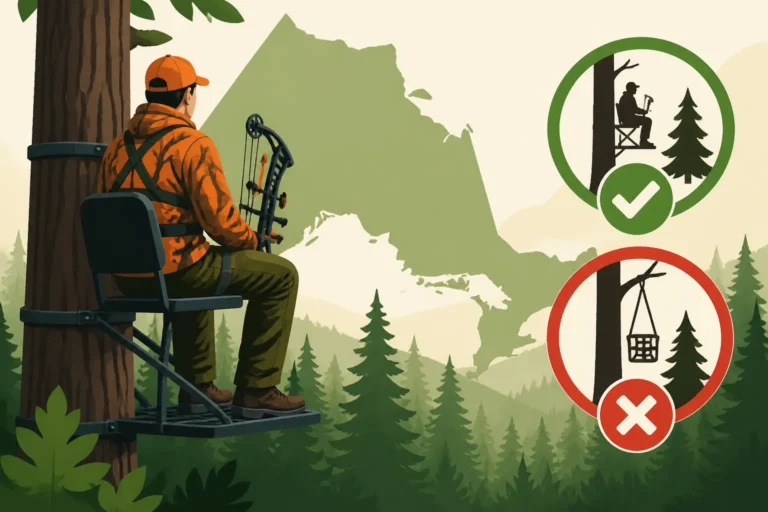
Given the confined nature, stand placement is paramount. You want to intercept game moving along those natural travel corridors. Look for saddles between ridges, pinch points where thick cover narrows, or crossings over small creeks or beaver dams. A key strategy on an island is to place your stand overlooking a major trail that connects two good cover blocks, especially if it runs near water.
If you're hunting with a group, a small, well-orchestrated drive can be incredibly effective on an island. Instead of simply pushing animals, think about funneling them. Place standers at natural escape points or along known travel routes, and have drivers move slowly, pushing game towards the standers. The water acts as a natural barrier, preventing animals from simply running off indefinitely. However, you must be extremely careful. Ensure everyone knows where others are, and prioritize safety above all else. This isn't about running deer hard; it's about gently guiding them to where you've established your ambush. The principles of Deer Drives With Three or Four Hunters can be adapted, but always remember the water boundary.
Using Wind and Water to Your Advantage
The wind is your friend or your foe. On an island, it can be fickle. Early morning thermals might pull your scent offshore, while midday breezes could switch and carry it right into a bedding area. Always check wind direction carefully before you move, and again when you select your stand. Use scouting tools like GoHunt or other weather apps that predict wind direction by the hour. Try to position yourself so your scent is blowing off the island, across open water.
Water itself can be used to your advantage. Deer often feel secure along the shoreline, especially if there's good browse. They might even wade into shallow areas to feed on aquatic plants, much like moose do. Setting up a stand that overlooks a stretch of shoreline with fresh sign can be productive. Also, consider calling. A well-placed grunt or doe bleat can pique a buck's curiosity, as he knows there's nowhere for a new deer to come from unless it swam. If you're targeting moose, calling can be incredibly effective across open water, especially during the rut. Calling a Bull Moose in the Rut works well when sound carries easily over a calm lake.
Practical Considerations and Safety for Island Hunting
Northern Ontario hunting, especially on islands, demands meticulous planning and a strong emphasis on safety. You're often remote, and help isn't just around the corner.
Gear Essentials and Preparedness
Your gear list for an island hunt should be comprehensive, leaning towards redundancy and reliability. Beyond your hunting essentials (firearm/bow, ammo, optics, tags, Ontario Hunter Education Requirements documentation), consider these additions:
| Category | Essential Items | Why It's Crucial |
|---|---|---|
| Navigation | GPS device (dedicated or phone with mapping app like onX Hunt), compass, paper map, power bank | Islands can be disorienting; backup navigation is key. |
| Communication | Satellite messenger (Garmin InReach, Zoleo), marine radio, fully charged cell phone (for emergencies if service found) | Cell service is often nonexistent. Essential for emergencies. |
| Water Safety | PFDs (life jackets) for everyone, bailing bucket, throw rope, spare paddle/oars | Non-negotiable for boat travel. |
| Survival | First-aid kit, fire-starting kit, knife, headlamp with spare batteries, emergency shelter, extra warm layers (waterproof) | For unexpected overnight stays or injuries. |
| Boat Gear | Spare propeller, tool kit, extra fuel, tow rope, anchor with sufficient rope | Breakdowns happen; be prepared to fix or get back to shore. |
| Meat Care | Game bags, sharp knives, gambrel, rope, large cooler with ice (for transport to mainland) | Field Dressing in Warm Ontario Weather requires quick action; proper storage prevents spoilage. |
Always pack enough food and water for an extra day, just in case weather prevents you from leaving the island. Be sure your boat is in top shape, and that you have all the necessary Ontario Hunting Licences and What They Cost and Ontario's Outdoors Card Explained readily accessible.
Weather Challenges and Contingency Plans
Northern Ontario weather is notoriously unpredictable. A beautiful, calm morning can quickly give way to strong winds, heavy rain, or even snow, especially during fall hunting seasons. Fog can roll in thick off the water, reducing visibility to mere feet. Always have a contingency plan. This means knowing a safe, sheltered cove on the island where you can anchor or beach your boat and set up a temporary camp if you get stranded. If the forecast calls for deteriorating conditions, be prepared to cut your hunt short or delay your departure. It’s far better to be safe and lose a few hours of hunting than to risk capsizing or getting lost in foul weather. Always tell someone on the mainland your exact plans, including your planned return time, and check in when you're back. This "float plan" is a simple but critical safety measure. Consider building a small Truck Kit for a Northern Ontario Hunt for your vehicle back at the launch as well, with extra dry clothes, food, and emergency supplies.
Ethical Retrieval and Meat Care
Successfully harvesting an animal on an island brings a new set of challenges: getting it off the island. This is where meticulous planning for retrieval and meat care is vital. If you shoot a deer or moose, immediately begin field dressing. Dragging an entire animal through thick bush to a shoreline, then loading it into a boat, is incredibly tough work. Quartering your animal on the spot might be your best option. You'll need game bags to keep the meat clean and protect it from flies.
Once the meat is quartered, getting it into your boat carefully is the next step. You don't want to compromise your boat's stability, especially if you're alone. Secure the meat well so it doesn't shift during transit. Having large coolers with ice ready on the mainland is a smart move, especially if you're hunting during a warmer stretch. Meat Care in Ontario's Warm Early Seasons can't be overlooked; spoiled meat is a terrible waste. Remember to properly tag and notch your animal immediately, as required by Ontario regulations, and ensure you have all the necessary Ontario Tag Notching and Attachment Rules in mind. The effort of an island hunt is immense, but the reward of ethical harvest and properly cared-for meat is truly satisfying.
Disclaimer
This article is for general informational purposes only and does not constitute professional advice. Laws, prices and regulations vary by location and change over time. Consult a qualified professional for guidance on your specific situation.