Getting Meat Processed in Ontario
Proper field dressing, handling, and transport methods for harvested game meat in Ontario ensure high quality.
Book the hunt, not the brochure.
Guided, semi-guided, and drop-camp options, which outfitters work which units, guide licensing requirements, booking timelines, and what a deposit actually covers.
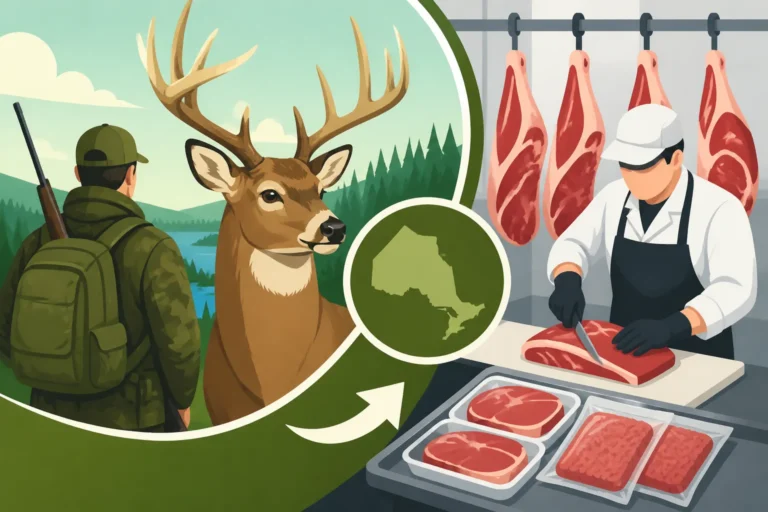
Proper field dressing, handling, and transport methods for harvested game meat in Ontario ensure high quality.
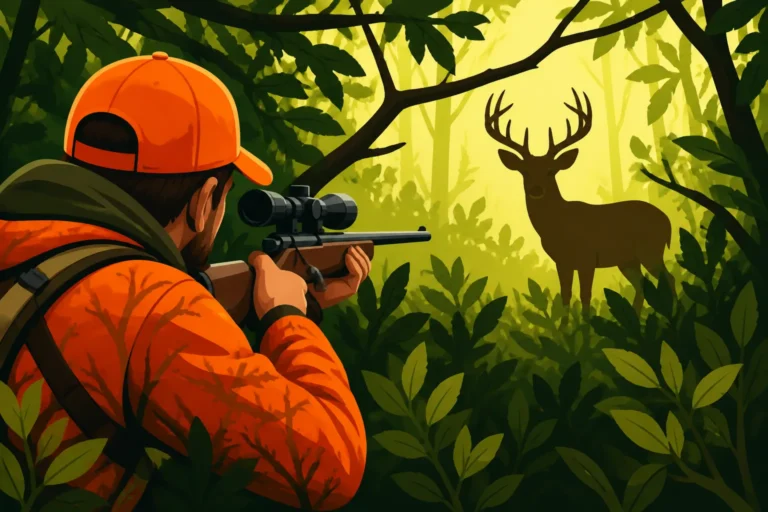
Realistic engagement ranges for deer, moose and bear in Ontario’s dense cover, where sightlines often run only 30 or 40 yards and reaction time is short.
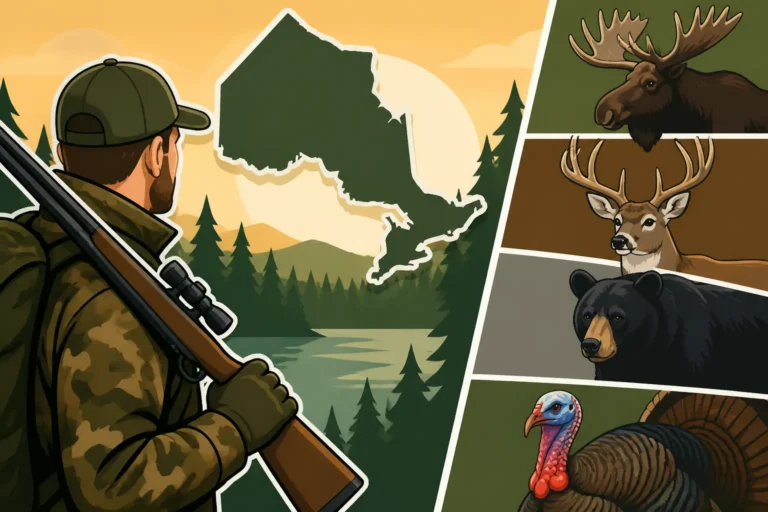
Ontario hunting guides expect patience, preparation, and realistic goals rather than guaranteed record-book animals.
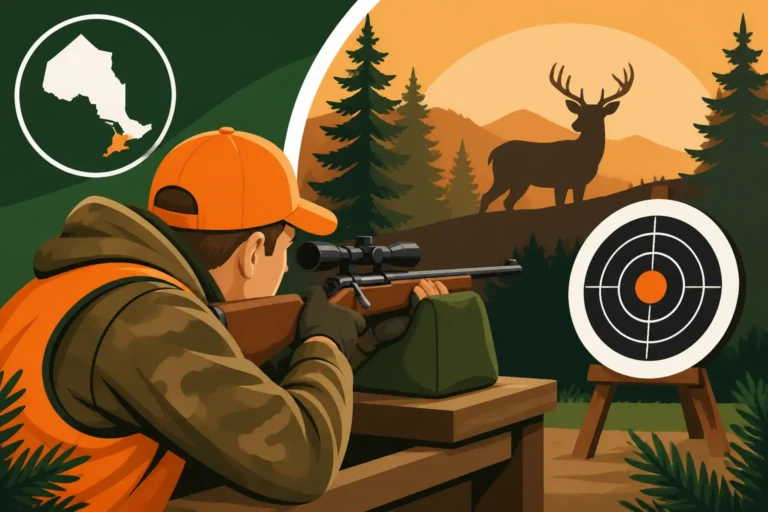
Pre-hunt practice for guided hunts in Ontario protects financial investments and ensures ethical, quick animal harvests.
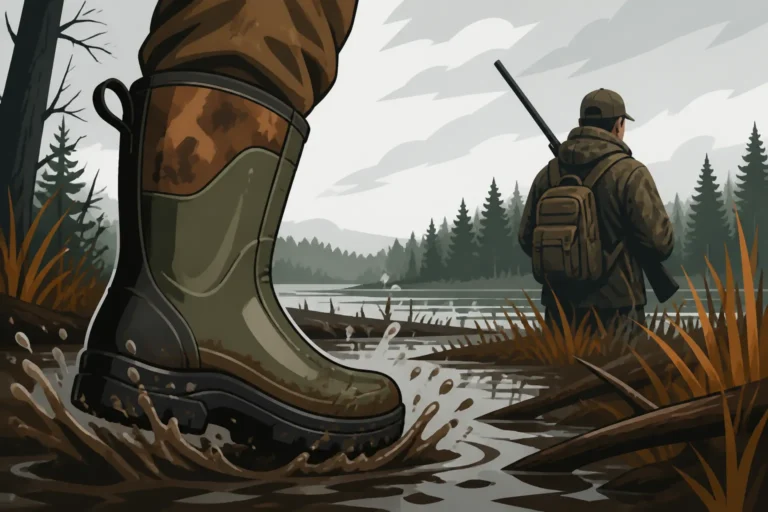
Choosing proper footwear prevents wet feet during Ontario hunting trips across bogs, swamps, and beaver ponds.
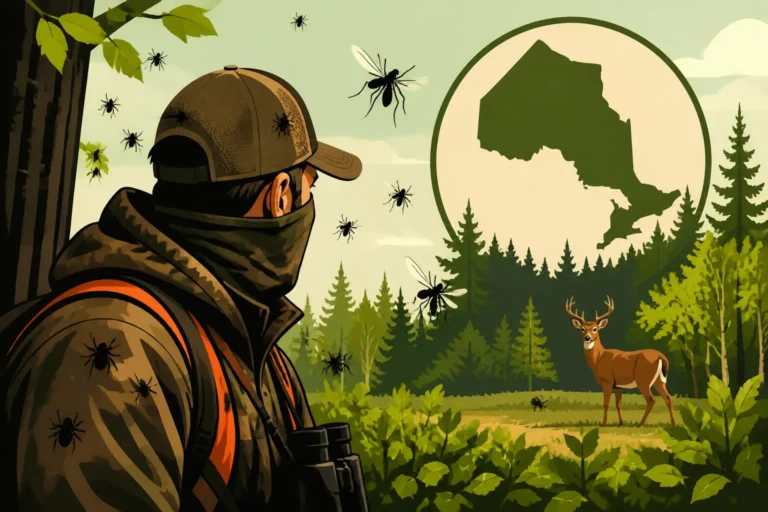
Ontario spring hunting bug season brings blackflies, mosquitoes, and deer flies that impact hunters from late May through July.
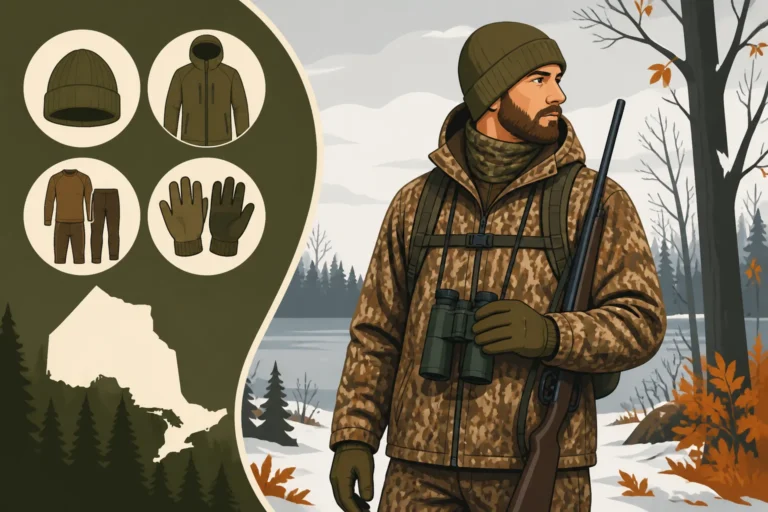
Ontario November hunting clothing systems and layering strategies keep late fall hunters warm, dry, and safe outdoors.

Emergency plans for hunting trips in northern Ontario help visitors prepare for isolation and unpredictable weather.

Cell service in Ontario bush camps is unreliable due to remote geography, but careful planning helps hunters stay connected.
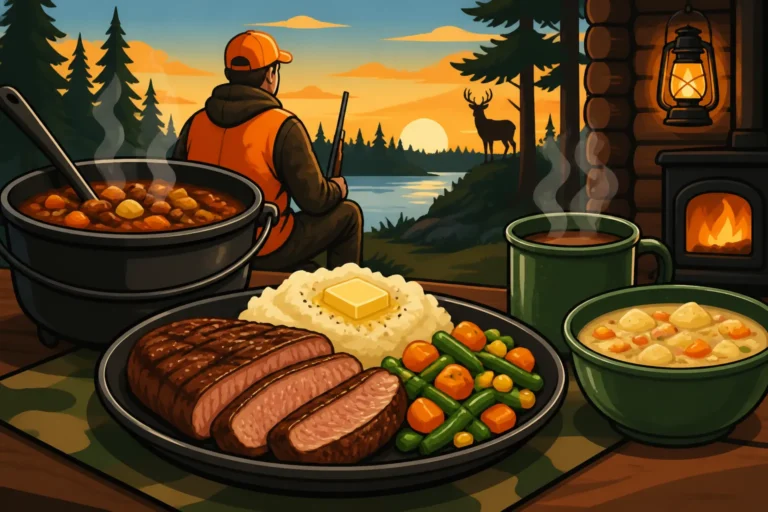
Ontario hunting camp food ranges from self-cooked housekeeping meals to fully guided American plan gourmet dining experiences.