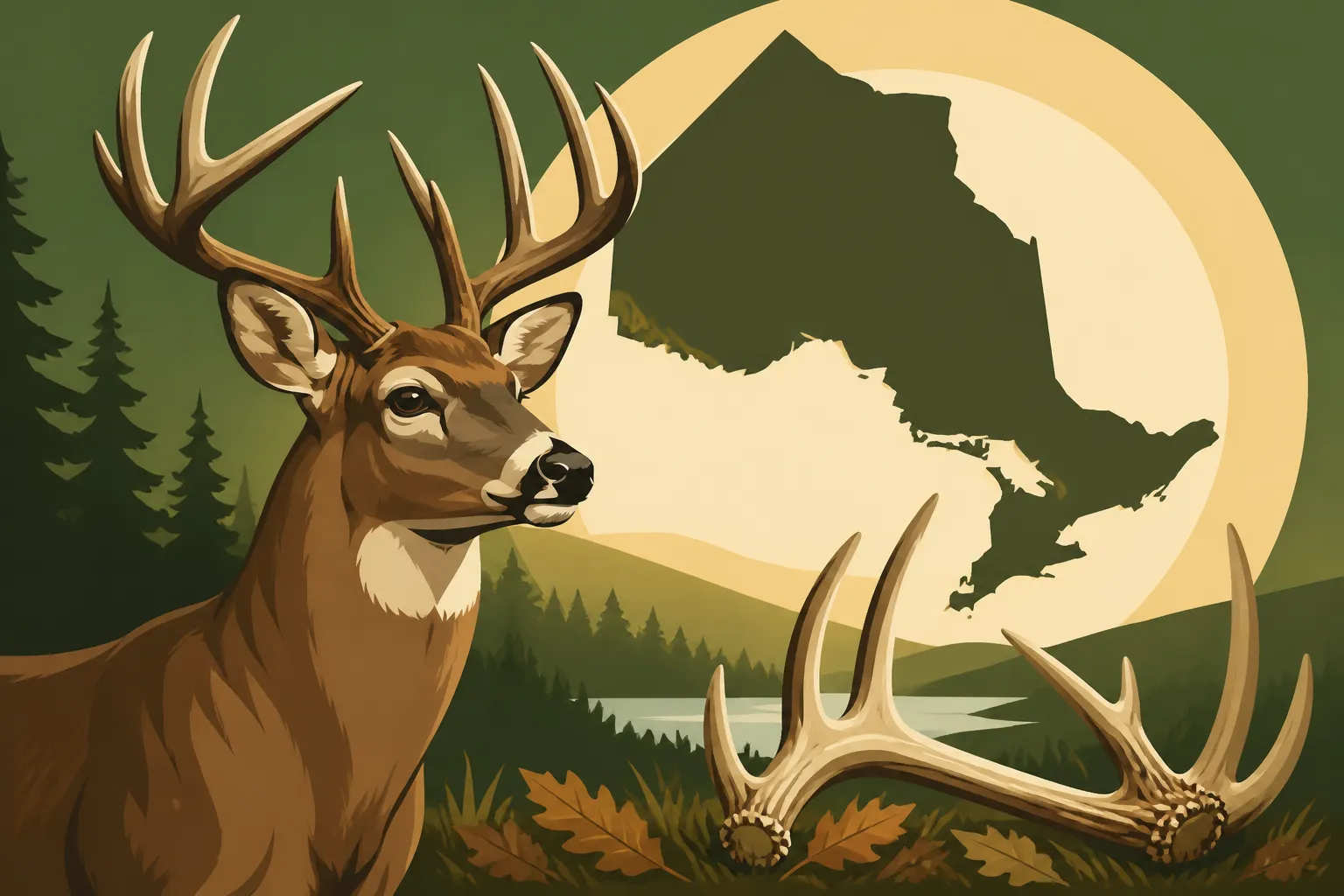
When Ontario Bucks Drop Their Antlers
It’s a question that echoes through deer camps and over morning coffees for many Ontario hunters: When do those magnificent antlers finally fall off? You spend months tracking, scouting, and dreaming of that big buck, and then, almost overnight, he can become just another deer in the woods. The frustration of missing out on a shed from a buck you've been watching, or simply wondering what that tell-tale drop means for the deer's annual cycle, is a real part of our hunting experience here. This guide will walk you through the natural process of antler shedding in Ontario whitetails, delve into the various factors that influence when those antlers hit the forest floor, and discuss what all this means for you, the hunter, whether you're still hunting late season or eagerly anticipating next year.
The Natural Cycle of Antler Shedding in Ontario Whitetails
Understanding why and when whitetail bucks shed their antlers is fascinating, and it's all driven by a precise biological clock that’s deeply connected to their environment. It’s not just a random event; it's a carefully orchestrated process.
Understanding the Hormonal Trigger
The entire antler cycle, from growth to shedding, is governed by hormones, primarily testosterone. As the fall hunting seasons progress and the whitetail rut kicks into high gear across Ontario, bucks are in peak physical condition, pumped full of testosterone, which fuels their aggressive breeding behaviours. They’re fighting, chasing does, rubbing trees, and scraping the ground, all while sporting those impressive racks. This high level of testosterone is crucial for maintaining the connection between the antlers and the pedicle (the bony base on the skull).
However, as the short, cold days of late fall and early winter arrive, and the rut begins to wind down, a buck's testosterone levels start to plummet. This decline is the key trigger for antler shedding. Once testosterone drops below a certain threshold, the buck's body initiates a process called "abscission." Essentially, a layer of cells forms at the base of the antler, between the pedicle and the antler itself. This layer gradually weakens the connection, almost like a surgeon making an incision. Over time, this weakening causes the antler to become loose and eventually detach. It can happen surprisingly quickly once that process is complete; a buck might shake its head, hit a branch, or even just yawn, and thunk, an antler is on the ground. Some bucks will shed one antler and carry the other for days, or even weeks, which can be quite a sight to behold in the bush.
Typical Timing Across the Province
While the hormonal trigger is universal, the exact timing of antler drop in Ontario whitetails isn’t a rigid date on the calendar. Instead, it’s a window, typically spanning from late December right through to early April. Think of it as a spectrum rather than a single event. You might hear stories of someone finding a fresh shed right after Christmas, while another hunter spots a buck still carrying both antlers well into March.
There's a noticeable difference, too, between the southern and northern parts of the province. In the colder, more rugged regions of Northern Ontario, where winter stress often begins earlier and is more severe, bucks tend to shed their antlers on the earlier side of that window. A northern buck might be fighting harsher conditions, burning more calories just to stay warm, and might have had a more intense rut with less available forage. All of these factors can contribute to an earlier dip in testosterone and, consequently, an earlier antler drop. Conversely, in the milder, often more agricultural areas of Southern Ontario, where food sources might be more abundant and winters less brutal, bucks often hold onto their antlers longer. It's not uncommon to see bucks in areas like the southwestern agricultural belt still sporting their racks well into February or even early March. It really highlights how localized conditions can influence these natural cycles.
Factors Influencing Antler Drop Timing
Beyond the baseline hormonal shifts, a complex interplay of environmental and physiological factors can significantly influence precisely when an individual buck decides to shed its headgear. These aren't just minor nudges; they can shift the timing by weeks, which is a big deal when you're out looking for sheds or trying to fill a late-season tag.
Rut Intensity and Duration
The rut is a grueling marathon for whitetail bucks. They expend an incredible amount of energy chasing does, fighting off rivals, and generally existing in a state of high alert and constant activity. The more intense and prolonged the rut, the more physically drained a buck becomes. A buck that threw himself wholeheartedly into the breeding season, perhaps battling multiple rivals or covering vast distances for receptive does, will burn through his fat reserves and deplete his body faster than a buck that had a more relaxed rut.
This physical exhaustion directly impacts his post-rut recovery and, crucially, his testosterone levels. A buck that is utterly spent after a hard rut will see his testosterone levels drop more rapidly and to a lower point. This accelerated hormonal decline usually translates into an earlier antler drop. Think of it as his body signaling, "Okay, the work is done, now it's time to recover." If, on the other hand, a particular year sees a milder, less intense rut—perhaps due to a skewed buck-to-doe ratio or less competition—bucks might not be as physically stressed. Their testosterone levels might not plummet as dramatically, allowing them to hold onto their antlers for a longer period. This is one reason why every year can feel a little different when you’re out looking for those sheds. You might find that Hunting the Rut in Early to Mid November can really take a toll on those big guys.
Nutrition and Overall Health
You are what you eat, and for a whitetail buck, what he eats (or doesn't eat) directly impacts his ability to grow and shed antlers. A buck with access to abundant, high-quality forage throughout the year, especially leading up to and during winter, will generally be in better overall health. This robust nutritional state allows him to recover more efficiently from the rigours of the rut. Bucks with excellent nutrition can often maintain higher testosterone levels for longer, delaying the antler drop. They have the reserves to literally hold onto their antlers for more weeks.
Conversely, bucks facing poor nutrition, perhaps due to a localized food shortage, drought conditions during the growing season, or simply being in a habitat with limited resources, will typically shed earlier. Their bodies prioritize survival over holding onto antlers, which are, after all, a drain on resources once the breeding season is over. The same goes for any underlying health issues. A sick or injured buck, or one suffering from parasites like winter ticks, will often drop its antlers prematurely as its body diverts energy towards healing and survival. Consider What Whitetails Eat Through a Hard Winter means for their ability to hold those antlers; access to browse and agricultural fields can make a huge difference.
Weather Conditions and Winter Severity
Ontario winters can be famously unpredictable, and these weather patterns play a significant role in when bucks shed their antlers. A harsh winter, characterized by deep snow, prolonged periods of extreme cold, and ice, places immense stress on deer. How Deep Snow Shapes Ontario Game is a real factor, forcing deer to expend more energy to move around and find food. When faced with such survival challenges, a buck's body will often shed its antlers earlier to conserve energy. Antlers, even when no longer actively growing, still require metabolic resources to maintain their connection to the pedicle. By dropping them, the buck frees up those resources for critical functions like thermoregulation and foraging.
On the flip side, a mild winter with less snow and warmer temperatures often allows bucks to maintain their body condition more easily. They don't have to burn as many calories to stay warm or navigate the landscape. This reduced stress can enable them to retain their antlers for a longer duration, sometimes well into March. I've seen years in Southern Ontario where it felt like every buck was still carrying antlers in mid-March because the winter had been so easy on them. This factor alone can make your shed hunting plans vary wildly year to year. You often find that What a Hard Ontario Winter Culls can also impact the health of the remaining deer, leading to earlier drops for those that survive.
Age of the Buck
The age of a buck also plays a role in the timing of antler shedding, though it's not always a clear-cut linear progression. Generally, younger bucks, particularly yearlings (1.5-year-olds), tend to shed their antlers earlier than their mature counterparts. This is often attributed to their still-developing physiology and the fact that they are still growing, meaning their energy is split between body growth and antler development. They might not have the same physiological reserves to hold onto their antlers as long as a prime-aged buck.
Mature, prime-aged bucks (3.5 to 6.5 years old) typically hold their antlers longer than yearlings, assuming they are in good health and have recovered well from the rut. These are often the bucks with the highest testosterone levels and the best body condition. However, it’s not an absolute rule. An older, particularly dominant buck that had an incredibly strenuous rut might shed earlier than a less dominant, slightly younger buck simply because of the sheer physical toll taken during the breeding season. Furthermore, very old bucks, whose bodies might be starting to decline, can sometimes shed a bit earlier due to overall reduced vitality. So, while age is a factor, it's always influenced by the other conditions mentioned above. Interestingly, Why Northern Bucks Carry More Body Mass is often linked to their age and the challenges they face, but it doesn't guarantee they hold antlers longer if the rut was brutal.
What Antler Shedding Means for Hunters
The shedding cycle isn't just an academic curiosity; it has tangible implications for hunters in Ontario, affecting everything from late-season hunting strategies to off-season scouting and even future planning.
The Art of Shed Hunting
For many of us, the end of hunting season doesn't mean the end of time in the woods. Shed hunting has become a cherished activity, a fantastic way to extend your outdoor time and gather valuable intel for the next hunting season. It's like a treasure hunt with purpose. The best time to start looking for sheds is usually a few weeks after the main antler drop, giving bucks time to shed both sides. If you go too early, you might walk right past them still attached to a buck's head!
When it comes to where to look, think like a deer in winter. After the rut, bucks are focused on two things: feeding and resting, conserving energy to survive until spring. Prime locations include:
- Feeding areas: Look in and around agricultural fields (especially corn and soybeans), clear-cuts where young browse is abundant, and areas with oak or beech where acorns or nuts might be present.
- Bedding areas: South-facing slopes that catch the sun's warmth, thick cedar swamps (where deer often yard up in deep snow, as discussed in Hunting a Cedar Swamp Edge), and dense conifer stands offer shelter from wind and cold.
- Travel corridors: Pay close attention to trails connecting bedding and feeding areas. Sheds often get knocked off when a buck jumps a fence, crosses a creek, or squeezes through thick brush.
- Pinch points and crossings: Any natural bottleneck or obvious crossing point can be a goldmine.
Good gear is essential: warm, waterproof boots for navigating the lingering snow or muddy conditions, binoculars to scan distant cover, and a good pack for carrying those finds. And if you have a dog, training them for shed hunting can significantly increase your success rate and make it even more enjoyable. It's a fantastic way to explore familiar hunting grounds with a new perspective, and finding that matched set from a buck you know is truly rewarding. To really dive deep into this, I highly recommend checking out Where to Look for Sheds in Ontario.
Implications for Late Season Hunting
Ontario offers some fantastic late-season hunting opportunities, particularly muzzleloader and archery seasons in specific Wildlife Management Units (WMUs). If you're out in December or January, or even into early February in certain zones, you might still encounter legal bucks. However, the timing of antler drop becomes a critical consideration. It's entirely possible, especially in areas with early shedding bucks, that you could harvest a buck that has already dropped one or both antlers.
Legally, in Ontario, the term "buck" generally refers to a male deer with antlers that are at least 2.5 inches long. If you shoot a deer that has shed both antlers, it might not technically be considered a "buck" by provincial regulations, which could lead to complications with your tag. Always consult the current Ontario Hunting Regulations Summary to confirm definitions and ensure you're compliant. This is why positive identification is so crucial in the late season. It's a challenging situation, as identifying a deer's sex from a distance without antlers can be tricky, especially in low light or thick cover. This makes Reading Whitetail Sign in Ontario Hardwoods all the more important, as you're looking for different cues.
Planning for Next Season's Scouting
Shed hunting isn't just about finding bone; it's a powerful scouting tool for the upcoming hunting season. Every shed you find, especially if you can connect it to a specific buck (perhaps through trail camera photos or past observations), provides invaluable intelligence. Finding sheds helps you:
- Identify buck core areas: If you find multiple sheds from different bucks in a particular area, it tells you that area is important wintering habitat. This often translates to good bedding, feeding, or sanctuary areas that bucks will use year-round, or at least during critical periods.
- Understand winter patterns: Seeing where sheds are dropped helps you understand how deer are using the landscape during the toughest part of the year. Are they concentrated in certain cedar swamps? Are they hitting specific food plots or agricultural fields? This knowledge can inform your early fall scouting.
- Gauge buck quality: Finding a large, heavy shed indicates a mature, healthy buck was in the area. While antler size can fluctuate year to year based on nutrition, finding quality sheds is a good indicator that the genetics and habitat are producing impressive deer.
- Predict future locations: Bucks are creatures of habit. If you find a shed in a particular travel corridor or near a specific Hunting an Ontario Bush Edge, there's a good chance that buck, or another, will use that same general area again next season.
Using tools like GoHunt, you can map your shed finds, analyze terrain features, and cross-reference with aerial imagery to pinpoint potential hot spots. This modern approach to scouting, coupled with boots-on-the-ground shed hunting, can give you a significant advantage in figuring out where to hang a stand or plan your approach next fall. Scouting With Satellite Imagery in Ontario can be incredibly useful to identify potential shed hunting areas before you even step foot in the woods.
Here’s a quick overview of the key factors influencing when bucks drop their antlers:
| Factor | Influence on Antler Drop Timing | Explanation |
|---|---|---|
| Rut Intensity | High intensity = Earlier drop | More physical exertion, faster testosterone decline. |
| Nutrition/Health | Poor health/nutrition = Earlier drop | Body prioritizes survival over antler retention. Well-fed bucks hold longer. |
| Winter Severity | Harsh winter = Earlier drop | Increased stress from cold and snow forces energy conservation. Mild winters may delay shedding. |
| Age of Buck | Yearlings = Earlier drop | Developing physiology and energy allocation to body growth. Mature bucks tend to hold longer (if healthy). |
The timing of when Ontario bucks drop their antlers is a dynamic process influenced by a range of factors that are unique to each buck and each year. While the general window of late December to early April holds true, understanding the nuances—from the intensity of the rut to the severity of winter and the buck's individual health—can give you a deeper appreciation for these incredible animals and make you a more informed, and perhaps more successful, hunter and shed hunter.
Disclaimer
This article is for general informational purposes only and does not constitute professional advice. Laws, prices and regulations vary by location and change over time. Consult a qualified professional for guidance on your specific situation.