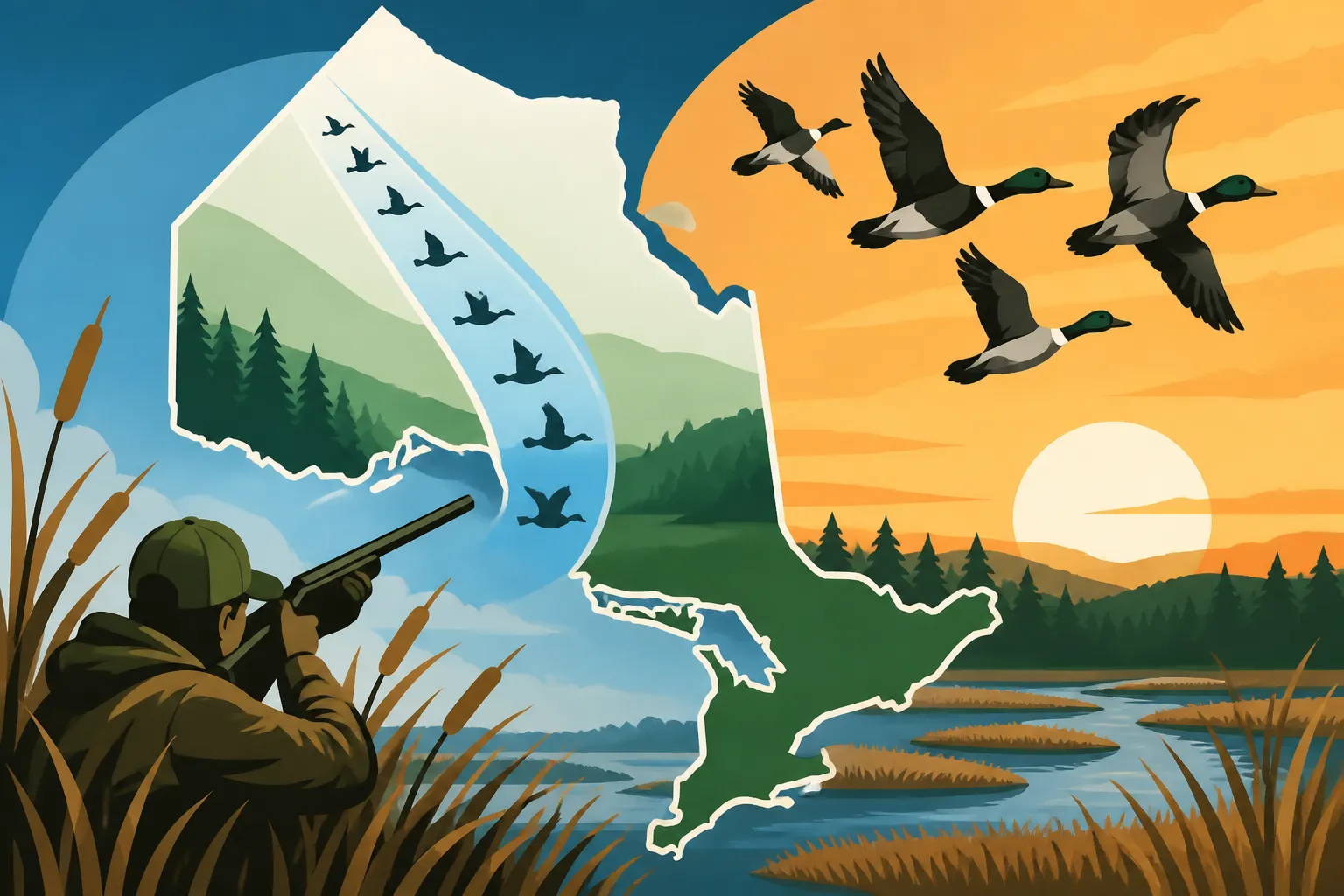
Why Ontario Sits on the Mississippi Flyway
It's a common misconception among some hunters that the major North American flyways are neat, distinct lines on a map, almost like highways where birds only travel in designated lanes. But if you're an Ontario waterfowler, you quickly learn that our province is a bustling crossroads, sitting squarely within one of North America's most productive migratory corridors: the mighty Mississippi Flyway. This unique geographical position means a wealth of diverse hunting opportunities, but also requires a deep understanding of migration patterns and local hotspots.
Understanding Ontario's Place in the Grand Migratory Scheme
When you think about the Mississippi Flyway, your mind might jump straight to the vast wetlands of the central US, the flooded timber of Arkansas, or the sprawling rice fields of Louisiana. It’s true those regions are iconic, but the flyway doesn’t magically begin at the US border. It stretches far north, drawing migratory birds from the Arctic tundra and the boreal forests of Canada, funneling them right through the heart of our province. Ontario’s geography acts like a giant natural magnet, pulling birds from various breeding grounds and guiding them south.
The Geography That Funnels Birds Our Way
Ontario's expansive and varied landscape is absolutely crucial to its role in the Mississippi Flyway. We're talking about everything from the freshwater seas of the Great Lakes to countless inland lakes, rivers, and vast tracts of wetland habitat. These features create natural corridors and staging areas that birds simply can't ignore. Think about the southern edge of the Canadian Shield, for instance, with its endless lakes and connecting waterways; it serves as a critical pathway for ducks and geese heading towards warmer climes. Then there's the rich agricultural belt further south, providing crucial feeding grounds before or after crossing the immense waters of Lake Erie or Lake Huron.
The sheer size of our province, coupled with these diverse habitats, means that as birds migrate, they find abundant food, shelter, and resting places throughout Ontario. They don't just fly over; they stop, they refuel, and they often spend weeks congregating in specific areas before continuing their journey. This is a massive advantage for us hunters, as it means we're often hunting birds that are well-rested and actively feeding, rather than just glimpsing high-flying migrants zipping by.
Not Just One Flyway, But Interconnected Routes
While we proudly sit on the Mississippi Flyway, it's also worth acknowledging that bird migration isn't always perfectly segregated. Ontario, especially its western and northern reaches, also experiences influences from the Atlantic and even a touch of the Central Flyway. It’s more like a braided river system than a single, straight highway. Birds don't read our maps, after all. A mallard hatched near Lake of the Woods might start its journey south via a route that leans more "Central," only to join up with a main stem of the Mississippi Flyway as it moves through the Great Lakes region.
This interconnectedness means we get an incredible blend of species. You might encounter birds typically associated with the Atlantic coast making a detour, or those from the prairie potholes that eventually funnel into the Mississippi. It adds an extra layer of excitement and unpredictability to a hunt, knowing that on any given day, a unique group of birds might decide to drop into your spread. Understanding these broader patterns can also help you predict how different weather systems or food availability in other regions might influence bird movements through Ontario.
The Lake Effect on Waterfowl Migration
You simply cannot talk about Ontario's place in the Mississippi Flyway without emphasizing the profound impact of the Great Lakes. These massive bodies of water, particularly Lake Erie, Lake St. Clair, and Lake Huron, are absolute game-changers for migratory waterfowl. Imagine you're a duck, flying hundreds or thousands of miles. When you hit the vast expanse of the Great Lakes, it's like hitting a massive rest stop. These lakes provide immense areas of undisturbed open water, abundant aquatic vegetation, and relatively mild microclimates that can hold birds well into late fall and even early winter.
The sheer volume of birds that stage on the Great Lakes is staggering. Divers like Canvasbacks, Redheads, and Bluebills raft up in incredible numbers on the deeper waters, while puddle ducks like Mallards and Black Ducks often feed in the shallower bays and marshes along the shorelines. The lakes also create natural barriers that funnel birds along specific coastal routes, concentrating them in predictable patterns. This "lake effect" not only provides critical habitat but also creates fantastic hunting opportunities, especially for those willing to brave the bigger water for Diver Hunting Ontario's Big Water or work the sheltered marshes.
The Abundance and Diversity of Waterfowl Species
One of the biggest payoffs of Ontario’s position on the Mississippi Flyway is the sheer variety of waterfowl species that pass through our airspace. It’s not just a few types of ducks or geese; it’s a parade of feathered migrants, each with its own habits and challenges for the hunter. From the early season speedsters to the late-season tough guys, Ontario sees it all. This diversity ensures that whether you prefer hunting small, agile puddle ducks or targeting large, powerful geese, there's a season and a species for you.
A Parade of Ducks from Puddle to Diver
Ontario's waters host an incredible array of duck species throughout the migratory season. In the early fall, as temperatures begin to dip further north, we see strong flights of Wood Ducks, Green-winged Teal, and Blue-winged Teal moving through. These are often found in smaller inland marshes, beaver ponds, and along slow-moving rivers. As the season progresses and the weather turns colder, the more common puddle ducks like Mallards, American Black Ducks, and Gadwalls become prevalent, often concentrating in vast numbers in wetlands and agricultural fields. Many hunters love the challenge and reward of Marsh Hunting Ducks on the Great Lakes or finding a secluded beaver pond for jump-shooting.
But it's not just about the puddle ducks. The Great Lakes, in particular, attract huge numbers of diving ducks. Redheads, Canvasbacks, Greater and Lesser Scaup (Bluebills), Ring-necked Ducks, and Buffleheads all utilize these immense freshwater systems. These birds offer a different kind of hunting experience, often requiring big-water boats and specialized decoy spreads. The excitement of seeing a flock of Canvasbacks commit to your rig on a blustery November morning is something every serious waterfowler lives for. Ontario's duck season dates vary by district, so checking the regulations for Ontario Duck Season Dates by District is always your first step.
Geese Galore: From Residents to Arctic Migrants
If ducks are diverse, Ontario's goose populations are nothing short of spectacular. We have a robust population of resident Canada Geese that provide excellent hunting opportunities from early September onwards. These local birds, often found feeding in cut agricultural fields, offer a great way to kick off the season and hone your calling and decoying skills. However, the real excitement for many goose hunters comes when the migratory flights begin.
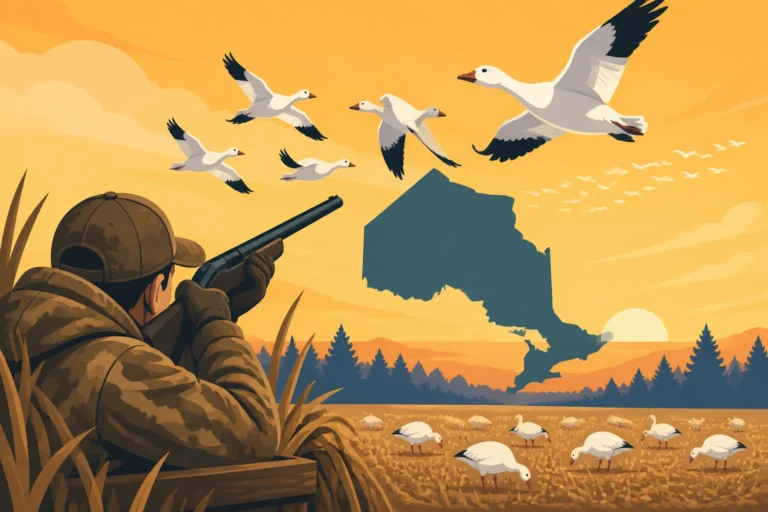
As autumn deepens, waves of larger, darker Canada Geese arrive from their breeding grounds in northern Canada, supplementing our local populations. These birds are often more wary and provide a fantastic challenge. Beyond the ubiquitous Canada Goose, Ontario also sees significant numbers of Brant, especially along the Great Lakes coastlines, and impressive flights of Snow Geese, particularly in the spring and fall staging periods. While not legal for hunting in the spring, their sheer numbers in the fall can be breathtaking. For field hunters, setting up a large spread for these wary birds in cut corn or stubble fields offers thrilling action. Many hunters rely on resources like GoHunt to track movements and scout out the best locations for Field Hunting Geese in Ontario Stubble or Setting a Goose Spread in Cut Corn. Remember to always have your The Federal Migratory Game Bird Permit in order.
Other Migratory Birds Passing Through
While ducks and geese tend to steal the waterfowling spotlight, Ontario's position on the Mississippi Flyway benefits other migratory game birds too. We see strong flights of American Woodcock and Common Snipe passing through our coverts each fall. These birds, though small, provide fast-paced and challenging wing shooting, often requiring a good pointing dog.
Woodcock, in particular, favour moist, alder-choked bottoms and young aspen stands, habitat that is abundant across much of Ontario. Snipe, on the other hand, prefer marshy edges and wet meadows. While they require a different approach than waterfowl, their presence is a direct testament to the migratory highway that Ontario represents. It’s always worth keeping an eye out for these little speedsters when you're out and about, especially if you're exploring new areas.
Prime Waterfowling Hotspots in Ontario
Knowing that Ontario is on the Mississippi Flyway is one thing, but knowing where the birds concentrate is the key to consistent success. Our province has several standout regions that act as major staging and feeding grounds, becoming veritable magnets for migratory waterfowl. These areas offer different challenges and rewards, catering to various hunting styles and preferences.
The Great Lakes: A Hunter's Dream
The Great Lakes region is undeniably a crown jewel for Ontario waterfowlers. Specifically, the shallow, fertile waters of Lake St. Clair and the western basin of Lake Erie are world-renowned for their incredible duck and goose concentrations. Why Lake St. Clair Draws So Many Ducks is simple: vast areas of wild celery, sago pondweed, and other submerged aquatic vegetation create an all-you-can-eat buffet for diving ducks and puddle ducks alike. The sheer scale of these lakes means birds have ample room to feed and rest, even under heavy hunting pressure.
Further east along Lake Erie, wetlands like Long Point Bay, and the numerous smaller marshes and bays along the northern shore, serve as crucial staging points. These areas are not just important for ducks; thousands upon thousands of Canada Geese, and sometimes Snow Geese, utilize the adjacent agricultural fields for feeding, especially during peak migration. While hunting the big water requires specialized equipment, patience, and a keen understanding of safety, the rewards can be truly spectacular.
Inland Wetlands and Agricultural Fields
While the Great Lakes grab a lot of attention, don't overlook Ontario's countless inland wetlands, marshes, rivers, and agricultural fields. These areas are just as vital to migratory birds, particularly puddle ducks and Canada Geese. From the expansive marsh complexes of Georgian Bay and Lake Simcoe in Central Ontario to the network of rivers and smaller lakes in Eastern Ontario, these interior habitats offer excellent hunting.
Agricultural areas, especially those with corn, winter wheat, or soybean stubble, provide essential high-energy food sources for geese. Hunters who take the time to Scouting Fields for Ontario Waterfowl and secure permission from landowners often find incredible success pursuing geese in these locations. Remember, these inland spots can often hold birds even when the big lakes are rough, making them a crucial part of a diverse waterfowling strategy. Utilizing tools like GoHunt can help you identify potential feeding areas and track bird movements to time your efforts.
Regional Differences in Bird Concentrations
It's also important to remember that Ontario is a huge province, and bird concentrations can vary significantly from one region to another. Northwestern Ontario, for example, with its vast boreal forest and countless pristine lakes, sees strong early-season flights of locally breeding ducks and geese. As fall progresses, these birds are replaced by migrants from even further north, using the expansive wilderness as a major thoroughfare.
Central Ontario, with its mix of farmland and Shield country, offers diverse opportunities, from small marsh hunting for puddle ducks to field hunting for geese. Then you have Southern Ontario, particularly the southwest, which is truly the epicenter of the province's Mississippi Flyway action due to its rich agricultural landscape and proximity to the Great Lakes. Understanding these regional nuances allows you to tailor your hunts and expectations, ensuring you're in the right place at the right time for the species you're after.
Capitalizing on Ontario's Flyway Advantage
Being situated on the Mississippi Flyway is a huge asset for Ontario hunters, but it’s not a guarantee of success. To truly capitalize on this incredible resource, you need to be strategic, adaptable, and willing to put in the effort. It’s about more than just showing up; it’s about understanding the nuances of bird behavior, migration, and local conditions.
Timing Your Hunt with Migration Peaks
One of the most critical aspects of successful waterfowling in Ontario is timing. The migration isn't a single event; it's a dynamic process that unfolds over several weeks, with different species moving at different times. Early in the season, you'll be targeting local birds and early migrants like teal and wood ducks. As October progresses, larger numbers of mallards, gadwalls, and Canada geese will begin to arrive. By November, the diving ducks are often in full force on the Great Lakes, and the big, wary northern Canadas are abundant in agricultural fields. For specific dates, you need to consult the official regulations for Ontario Goose Season Dates by District.
Keeping an eye on weather forecasts, particularly cold fronts pushing down from the north, is vital. A strong northerly wind or a sudden drop in temperature can trigger massive movements of birds. Tracking migration reports, often available through hunting forums or online platforms like GoHunt, can also give you an edge in knowing when specific species are moving through your area. Don't be afraid to adjust your hunting dates based on these factors; flexibility is a waterfowler's best friend.
Essential Scouting and Habitat Reading
You can sit on the Mississippi Flyway all you want, but if you're not in the right spot, the birds won't find you. Effective scouting is non-negotiable. This means spending time before the season, and even during it, observing bird movements, identifying feeding patterns, and locating roosting areas. For field hunting geese, this might involve driving rural roads at dawn and dusk to see which fields birds are using. For ducks, it means exploring marshes, looking for fresh sign, and identifying preferred food sources.
Understanding different types of habitat is also crucial. Puddle ducks like shallow, vegetated water with easy access to emergent plants. Divers prefer deeper, open water with beds of submerged aquatic vegetation. Geese are often found where they can feed in open fields and then retreat to large bodies of water for security. Being able to "read" the landscape and anticipate where birds will want to be is a skill that develops over time, but it’s foundational to taking advantage of the vast numbers of birds the flyway brings our way.
Adapting Your Strategies for Different Species
Finally, embracing the diversity of the Mississippi Flyway means being willing to adapt your hunting strategies to the specific species you're targeting. You wouldn't hunt a Canvasback the same way you'd hunt a Wood Duck, just as you wouldn't approach a large flock of wary Canada Geese like you would a small group of local mallards.
For puddle ducks in a small marsh, a dozen decoys and subtle calling might be all you need. For divers on big water, you might need a substantial rig of dozens, even hundreds, of decoys and robust open-water boats. When chasing geese in a field, concealment is paramount, often requiring layout blinds and large, realistic decoy spreads. Different species respond to different calls, decoy spreads, and weather conditions. Being versatile and knowledgeable about the habits of various waterfowl species will significantly increase your success rates and your enjoyment of Ontario's incredible waterfowling opportunities. And remember, always use Non-Toxic Shot Requirements for Waterfowl when hunting migratory birds.
Disclaimer
This article is for general informational purposes only and does not constitute professional advice. Laws, prices and regulations vary by location and change over time. Consult a qualified professional for guidance on your specific situation.