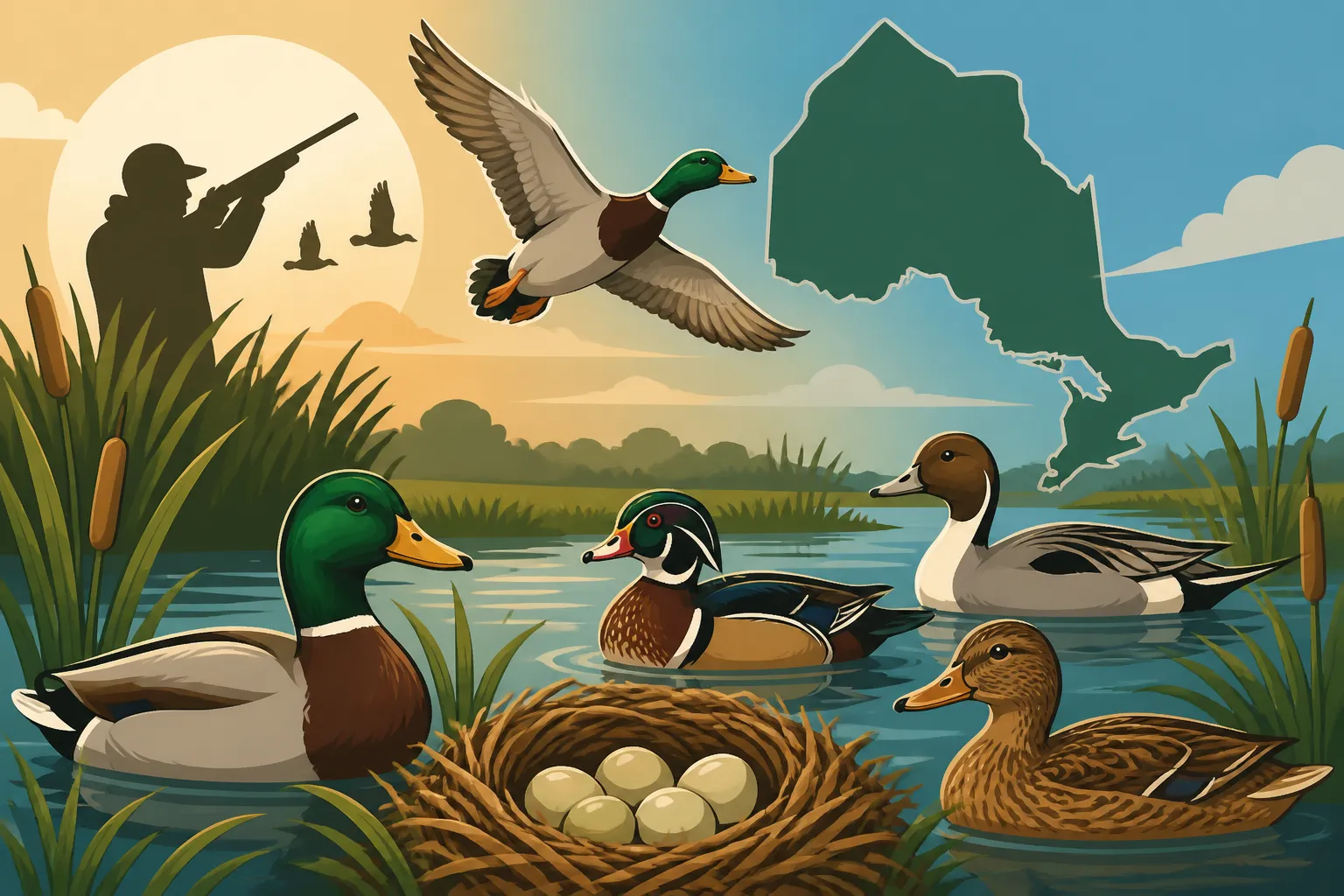
Which Ducks Nest in Ontario Wetlands
Ontario's wetlands are truly a marvel, vibrant with life, and for many of us who love to chase waterfowl, they hold a special place in our hearts. There's nothing quite like slipping into a marsh at dawn, the air alive with chirps and splashes, knowing that many of the ducks you hope to harvest later in the fall were actually born and raised right here. But it's not always obvious which ducks are setting up house in our local marshes, beaver ponds, and flooded timber. This guide will take a deep dive into the fascinating world of nesting ducks in Ontario, helping you understand their preferred habitats and behaviours right here at home.
The Vital Role of Ontario's Wetlands for Nesting Ducks
Ontario is blessed with an incredible diversity of wetlands, from the vast cattail marshes bordering the Great Lakes to the countless small beaver ponds and boggy areas of the Canadian Shield, and the rich sloughs and potholes of our agricultural belt. These varied habitats are absolutely crucial for ducks to successfully lay eggs, hatch broods, and raise their young. Without healthy, undisturbed wetlands, our duck populations simply wouldn't thrive.
Imagine a hen mallard, meticulously selecting a nesting site. She's not just looking for water; she needs cover from predators, readily available food for herself and her future ducklings, and a safe route to open water once those little balls of fluff hatch. Different duck species have different preferences, making Ontario's mosaic of wetland types a perfect nursery. It's a complex ecosystem, and understanding it helps us appreciate the birds we pursue and the conservation efforts needed to protect them.
Why Nesting Habitat is More Than Just Water
When we think of ducks, we often picture them on the water, but for nesting, the land around the water is just as, if not more, important. Many duck species, especially dabblers, choose nesting sites in dense grasses, sedges, or even wooded areas that might be a fair distance from the actual shoreline. The key is often proximity to water, but also excellent concealment.
These upland areas provide crucial protection from aerial predators like hawks and owls, and ground predators such as foxes, coyotes, and raccoons. The thick vegetation keeps the nest hidden, and the hen can slip off her clutch unseen when she needs to feed or stretch her wings. Once ducklings hatch, they need immediate access to calm, shallow water where they can find insects and hide from danger among emergent plants. This interconnectedness of land and water is what makes a wetland truly productive for nesting ducks. Without these crucial "upland" components, even a water-rich area might not support successful nesting.
The Impact of Habitat Loss on Nesting Success
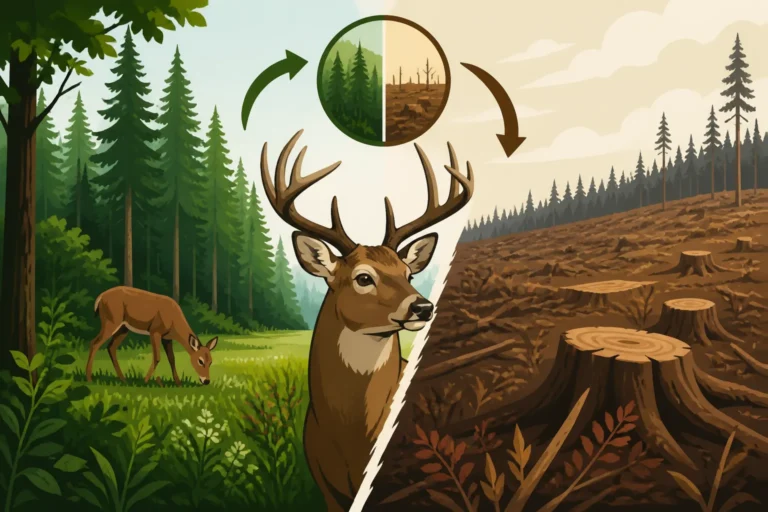
Unfortunately, Ontario's wetlands, particularly in the southern agricultural regions, have faced significant pressures from drainage for farming and development over the centuries. This loss directly impacts the number of ducks that can successfully nest and raise broods. While much has been done through conservation efforts, ongoing habitat degradation remains a serious concern.
When wetlands are drained, not only is the open water lost, but also the critical nesting cover surrounding it. This fragmentation of habitat forces ducks into smaller, less secure areas, often leading to higher rates of nest predation. Think of a small, isolated puddle surrounded by a narrow strip of grass compared to a vast marsh with acres of dense cover—the latter offers far more safety and resources for nesting hens. Organizations like Ducks Unlimited Canada work tirelessly to restore and conserve these vital wetland habitats, understanding that the future of duck hunting, and indeed the ducks themselves, hinges on healthy ecosystems. If you're using a tool like GoHunt to scout an area, pay attention not just to the water bodies but also the quality of the adjacent cover; it tells you a lot about nesting potential.
Dabbling Ducks: Masters of the Shallow Marsh
Dabbling ducks are the quintessential marsh birds, feeding by tipping up their tails and dabbling their heads in shallow water, rather than fully submerging. This feeding style also translates to their nesting preferences: they generally prefer shallow wetlands with abundant emergent vegetation and grassy uplands nearby. These are the ducks many of us associate most closely with Ontario's spring and summer wetlands.
Mallards: The Ubiquitous Nesters
It's hard to talk about nesting ducks in Ontario without starting with the mallard. These adaptable birds are perhaps the most widespread nesting duck in the province, found virtually everywhere there's suitable water, from urban park ponds to remote northern marshes. They are highly adaptable in their nesting, often choosing sites in dense grassy cover, hayfields, or even suburban gardens, sometimes a fair distance from water.
A hen mallard will typically lay 8-13 eggs in a well-concealed nest on the ground, lined with down plucked from her breast. You'll find these nests tucked into cattail edges, amongst sedges in a beaver meadow, or even under a thick spruce bough on the edge of a small pond. Their versatility is a huge reason for their success. Once hatched, the ducklings are led directly to water, often shallow, food-rich areas where they can forage for insects and quickly grow. Hunting Ducks in an Ontario Cattail Marsh often puts you in prime mallard country in the fall, a testament to their successful breeding in these environments.
American Black Ducks: Our Shy Native Nesters
The American Black Duck is another iconic Ontario nester, though generally shyer and preferring more secluded, wilder habitats than their mallard cousins. They are often found nesting in forested wetlands, bogs, and coastal marshes, particularly in the Canadian Shield region and along the Great Lakes. They are very similar to mallards in their nesting habits but tend to choose more remote, often slightly drier, sites within dense cover, such as under fallen logs or thick brush.
Black ducks typically lay 6-12 eggs. Their nests are often harder to find due to their preference for dense cover and wilder locales. This species is an integral part of Ontario's natural heritage, and their presence often indicates a healthy, undisturbed wetland ecosystem. Protecting these wilder corners of Ontario is crucial for the continued nesting success of the black duck. Marsh Hunting Ducks on the Great Lakes can sometimes yield black ducks that were hatched in these very same expansive, wild wetlands.
Wood Ducks: The Forest Dwellers
The stunning wood duck is truly unique among our nesting ducks because it's a cavity nester. Unlike most ducks that nest on the ground, wood ducks seek out hollow trees, old woodpecker holes, or specially designed nest boxes, usually close to water. This preference for forested wetlands, wooded swamps, and river floodplains makes them a common sight in many parts of southern and central Ontario.
Wood duck hens will lay 7-15 eggs inside these cavities. Once the ducklings hatch, often less than 24 hours later, they leap from the nest cavity, sometimes from significant heights, to the water or ground below, guided by their mother's calls. It's an incredible spectacle! Their reliance on suitable tree cavities highlights the importance of preserving mature trees in riparian zones and flooded timber for their nesting success. Many hunters actively put up wood duck nest boxes, providing much-needed nesting sites.
Teal and Other Dabblers
Ontario's wetlands also host several other species of dabbling ducks that nest here, contributing to the rich biodiversity of our waterways.
Blue-winged Teal and Green-winged Teal
Both blue-winged and green-winged teal nest in Ontario. Blue-winged teal are particularly abundant nesters, especially in the prairie-like habitats and agricultural areas of southern and western Ontario, though they also breed further north. They prefer open grasslands and hayfields adjacent to shallow wetlands, sloughs, and temporary ponds. Their nests, like mallards, are well-concealed on the ground, with hens laying 9-13 eggs. They are often one of the first duck species to migrate south in the fall.
Green-winged teal, while also nesting in Ontario, are generally more common as migrants. However, some do breed here, particularly in the northern reaches of the province in more boreal wetland types. They prefer dense cover close to small, shallow water bodies and will lay 6-12 eggs.
Gadwall, Northern Pintail, and American Wigeon
Gadwall have expanded their nesting range into Ontario over recent decades and are now regular breeders, especially in southern and central regions where marshy habitats with good emergent cover are found. They prefer to nest in dense vegetation close to water, laying 7-12 eggs.
Northern pintails are also ground nesters, preferring open, grassy areas near shallow wetlands, often in the agricultural landscapes of the province. They typically lay 7-10 eggs. While not as numerous as mallards or blue-wings, their presence adds to the diversity of our nesting duck populations.
American wigeon are somewhat less common as nesters in Ontario, but some do breed here, particularly in the more northern parts of the province. They prefer grassy uplands near marshes and shallow ponds, and their nests, like most dabblers, are well-hidden on the ground, holding 7-10 eggs.
Here's a quick look at some of Ontario's common nesting dabbling ducks and their preferred nesting spots:
| Duck Species | Primary Nesting Habitat | Typical Clutch Size | Notes |
|---|---|---|---|
| Mallard | Dense grasses, hayfields, cattail edges, various uplands | 8-13 eggs | Most widespread and adaptable nester. |
| American Black Duck | Secluded marshes, forested wetlands, bogs, coastal marshes | 6-12 eggs | Prefers wilder, undisturbed habitats. |
| Wood Duck | Tree cavities, nest boxes in wooded swamps, river floodplains | 7-15 eggs | Unique cavity nester; ducklings jump from nest. |
| Blue-winged Teal | Open grasslands, hayfields adjacent to shallow wetlands | 9-13 eggs | Abundant nester, particularly in southern agricultural areas. |
| Green-winged Teal | Dense cover near small, shallow water bodies | 6-12 eggs | Nests primarily in northern and more boreal wetlands. |
| Gadwall | Dense emergent vegetation, grassy uplands near marshes | 7-12 eggs | Expanding breeding range in southern/central Ontario. |
| Northern Pintail | Open, grassy areas near shallow wetlands | 7-10 eggs | Prefers agricultural landscapes and prairie-like habitat. |
| American Wigeon | Grassy uplands near marshes and shallow ponds | 7-10 eggs | Less common nester, more often seen as a migrant. |
Diving Ducks: Raising Broods on Deeper Waters
Diving ducks, true to their name, feed by diving completely underwater. While they spend much of their lives on deeper, open water bodies, their nesting habits often bring them closer to the shoreline, typically in dense vegetation adjacent to their preferred watery feeding grounds. While some species are primarily migrants through Ontario, others are well-established nesters.
Ring-necked Ducks: The Forest Pond Nesters
Ring-necked ducks are quite common nesters in Ontario, particularly in the forested regions of the Canadian Shield and further north. They prefer to nest in dense emergent vegetation, often cattails, bulrushes, or sedges, within or immediately adjacent to small, shallow forest ponds, bogs, and beaver flows. They don't need vast open water, but rather a mosaic of cover and small open water patches.
The hen ring-neck will build a floating nest or one firmly anchored to dense vegetation, laying 6-12 eggs. The dense cover provides excellent concealment for the nest and protection for the broods once hatched. Their affinity for boggy, acidic water bodies makes them a characteristic duck of Ontario's northern and central wilderness. Hunting Moose Around an Ontario Beaver Pond could also put you in prime ring-necked duck nesting territory.
Common and Hooded Mergansers: Fish-Eating Nesters
While perhaps not typical "game ducks" for many, common and hooded mergansers are definitely part of Ontario's nesting duck population. These unique fish-eating ducks have distinct nesting habits.
Common Mergansers
Common mergansers are cavity nesters, much like wood ducks, but they prefer larger cavities, often in mature trees, hollow logs, or rock crevices near larger rivers, lakes, and forested waterways. They are widespread nesters throughout Ontario, especially in the northern half of the province. They typically lay 8-12 eggs. Their presence often indicates clean, clear water where their fish prey is abundant.
Hooded Mergansers
Hooded mergansers, with their striking crests, are also cavity nesters, often utilizing smaller tree cavities or nest boxes, similar to wood ducks but generally preferring slightly wilder, forested wetlands and beaver ponds. They are abundant nesters throughout much of Ontario, particularly in forested regions with good mature timber. They lay 7-13 eggs. Their small, colourful broods are a common sight on many of Ontario's smaller, wooded waterways in spring and summer.
Goldeneyes: Another Cavity Nester
Both the common goldeneye and, to a lesser extent, Barrow's goldeneye (which has a very limited breeding range in Ontario) are cavity nesters. Common goldeneyes are widespread breeders across Ontario, favouring forested regions with mature trees offering suitable cavities near lakes, rivers, and large beaver ponds. They often use old flicker holes or natural tree hollows, and readily take to nest boxes.
A hen common goldeneye will lay 6-11 eggs, often returning to the same nesting site year after year. The ducklings, like wood ducks, will jump from the nest cavity shortly after hatching, heading straight for the water where they quickly become adept at diving for aquatic insects. Protecting these mature forest stands adjacent to water bodies is crucial for their nesting success.
Understanding Seasonal Movements and Brood Rearing
Once the eggs hatch, the real work of brood rearing begins. Ducklings are precocial, meaning they are able to walk, swim, and feed themselves almost immediately after hatching, but they still rely heavily on the hen for protection and guidance. The health of our wetlands during this crucial period determines survival rates.
Ducklings need a constant supply of protein-rich insects for rapid growth. Shallow, nutrient-rich wetlands, often teeming with aquatic invertebrates, are essential nurseries. These areas also provide plenty of escape cover, allowing ducklings to dart into dense vegetation to avoid predators. A productive wetland for nesting isn't just about the nesting site itself, but the entire complex of habitats that supports the hen and her brood through the vulnerable weeks after hatching. Using tools like GoHunt can help you identify areas with diverse wetland features, which are often indicative of good brood-rearing potential.
As the season progresses, ducklings grow, and the family units may move to larger bodies of water or areas with different food sources. This is when they start to become more visible, and eventually, the young birds learn to fly, joining the adult population for the fall migration. When Ontario's Bow Season Runs and Ontario Gun Season Opening Day will see these birds, now fully grown, becoming targets for hunters.
The Broader Ecosystem: Beyond Just Ducks
While we focus on ducks, it's important to remember that these wetlands are vital for countless other species. Geese, loons, grebes, rails, and a myriad of songbirds and mammals also depend on these rich habitats. Healthy wetlands are a sign of a healthy environment overall. They filter water, prevent floods, and provide critical habitat for fish and amphibians.
Conservation of these areas benefits not only our beloved ducks but the entire ecosystem. As hunters, we have a unique connection to these natural places and a responsibility to advocate for their protection. Whether it's supporting conservation organizations, participating in wetland clean-ups, or simply being mindful of our impact when out in the field, every action contributes to the continued health of Ontario's incredible wetlands and the ducks that call them home. This commitment ensures that future generations will also have the opportunity to experience the magic of Waterfowl Hunting Across Ontario and the sight of ducklings taking their first swim.
Disclaimer
This article is for general informational purposes only and does not constitute professional advice. Laws, prices and regulations vary by location and change over time. Consult a qualified professional for guidance on your specific situation.