Are There Still Wild Pheasants Here?
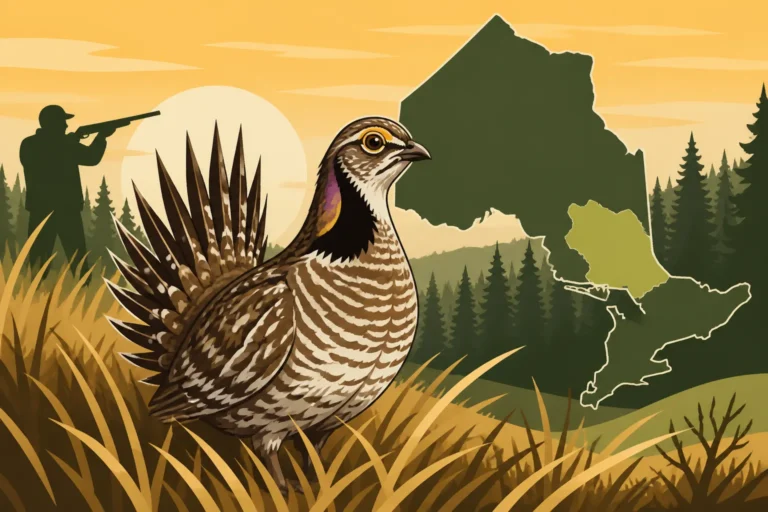
It’s a question that echoes in the minds of many upland bird hunters, especially those of us who grew up hearing tales of grand pheasant hunts in yesteryear: are there still wild pheasants roaming the fields and fencerows of Ontario? For many, the dream of stumbling upon a cackling ringneck in classic cover is a potent one, but the reality can feel a little elusive these days. This guide will dive deep into the history, present status, and future outlook for wild pheasant populations in our province, helping you understand where things stand and what opportunities still exist for hunting these magnificent birds.
The Ghost of Pheasants Past: A Historical Look at Ontario's Wild Birds
For a long time, the image of a wild pheasant bursting from cover was synonymous with upland hunting in Southern Ontario. But like many things in the natural world, the landscape has shifted, and with it, the fortunes of these introduced game birds. Understanding their history here is key to understanding why they're so rare today.
The Rise of a Non-Native Species
Pheasants, specifically the Ring-necked Pheasant, aren't native to North America, let alone Ontario. They were originally brought over from Asia, primarily for sport hunting, starting in the late 19th and early 20th centuries. These birds were tough, adaptable, and thrived in agricultural landscapes that mirrored some of their ancestral homes. Ontario, with its burgeoning farmlands and mix of fields, hedgerows, and woodlots, seemed like a perfect fit. Stocking efforts, both by government agencies and private hunting clubs, helped establish robust populations across much of Southern and even parts of Central Ontario. It truly was a golden age for pheasant hunting, with birds seemingly everywhere. People often tell stories of fields teeming with pheasants, and the distinctive "cock-a-doodle-doo" call was a common sound on crisp autumn mornings.
Back then, the habitat was ideal. Small farms with diverse crops, ample fencerows, small patches of un-mowed grasses, and plenty of "edge" habitat provided everything pheasants needed: food, nesting cover, and escape routes. Farmers didn't spray nearly as much, and fields weren't tilled clean right to the fence lines. It was a mosaic of perfect pheasant heaven. A lot of seasoned hunters learned the ropes chasing these birds, and the memories of those hunts are cherished to this day.
The Heyday of Pheasant Hunting
During their peak, pheasants were one of the most popular upland game birds to pursue. Hunters would often walk fields with pointing dogs, flushing birds that would explode into the air with their characteristic cackle and vibrant colours. It was a challenging hunt, requiring good dog work and quick reflexes, but the rewards were well worth it. Many rural communities saw an economic boost from visiting hunters, and local traditions formed around the annual pheasant season. These were the days when many families had a "pheasant spot" they’d return to year after year, sometimes even sharing it across generations.
The sheer numbers of birds allowed for generous bag limits, and it wasn't uncommon for a diligent hunter to fill their limit in a good morning’s hunt. This era also fostered a strong dog-hunting culture, with various breeds of pointers and flushers becoming popular companions for hunters. Finding a good bird dog was almost as important as finding good pheasant cover. The camaraderie of a group hunt, the anticipation as the dog went on point, and the thrill of the flush, made pheasant hunting an iconic part of Ontario's fall traditions.
Why the Wild Populations Vanished: Habitat Loss and Other Factors
The sad truth is, while the stories of abundant wild pheasants are real, the birds themselves have largely faded from the truly wild landscape. There isn't one single culprit; rather, it's a combination of factors that have steadily eroded their foothold in the province.
Intensive Agriculture and Habitat Destruction
The biggest nail in the coffin for wild pheasants has been the drastic changes in agricultural practices. Modern farming is incredibly efficient, which is great for food production but devastating for ground-nesting birds like pheasants. Gone are the small, diverse farms with their patchwork of crops, untended fencerows, and brushy corners. Today, fields are massive, monoculture operations, often tilled right to the road or property line. Where once there was tall grass and brush for nesting, now there's only bare earth or a sea of single crop. This means no safe place for hens to lay eggs and raise their chicks.
Pesticide use has also intensified, reducing the insect populations that young pheasant chicks rely on for protein. Early hay cutting, mechanized at speeds unimaginable decades ago, often destroys nests and kills hens and chicks before they can escape. There's simply no place left for them to hide, forage, and reproduce without constant disturbance. As a hunter, it's heartbreaking to drive through areas that were once prime pheasant country and see nothing but endless rows of corn or soybeans, with not a single patch of suitable cover in sight. This habitat homogenization has impacted many species, and pheasants are a stark example. You can read more about What Farmland Change Did to Ontario Game and how it affects other species as well.
Predation and Harsh Winters
While habitat loss is paramount, increased predation also plays a role. With less secure cover, pheasants become easier targets for a host of predators, including coyotes, foxes, raccoons, and raptors. Their bright colours, while beautiful to us, can also make them stand out in sparse winter landscapes. Combine this with Ontario's often brutal winters, especially those with deep, prolonged snow cover and ice, and pheasants struggle to survive. They aren't as hardy in deep snow as native grouse species, and finding food can be a real challenge when fields are blanketed.
Even if a few birds survive the breeding season and escape predation, a tough winter can decimate the remaining population, making it almost impossible for them to rebound in subsequent years without suitable nesting and winter cover. The cumulative effect of these pressures means that any small pockets of wild pheasants face an uphill battle to persist. It's a tough cycle, and without significant habitat regeneration, it's hard to break.
Where You Might Still Find Pheasants Today: Exceptions and Stocking Programs
So, does this mean wild pheasants are completely gone from Ontario? Not entirely. There are still a few isolated pockets, and more commonly, opportunities arise through dedicated stocking efforts and private lands. It's just not the widespread wild hunting experience of the past.
Isolated Pockets and Remnant Populations
While rare, truly wild, self-sustaining populations of pheasants might still exist in very specific, undisturbed areas. These are typically places with a unique combination of varied agricultural crops, extensive fencerows, wetland edges, and minimal human disturbance. Think of isolated farm country bordering large tracts of untouched bush or swamp, where small-scale farming practices persist, and there's less intensive land use. These areas are often small, fragmented, and highly localized. It's like finding a needle in a haystack, and when you do, these birds are typically incredibly wary.
These remnant populations often benefit from natural buffers, like large rivers or marshes, that limit predator access or provide unique escape cover. They are tough birds, having survived against the odds, and encountering one of these truly wild pheasants is a special experience. However, counting on finding such a pocket for a hunt is a gamble. Your best bet for success in finding these elusive birds is through extensive scouting, talking to local landowners, and checking satellite imagery for suitable habitat. A good app like GoHunt can help you spot these potential havens on an aerial map. Look for diverse edges where agricultural fields meet denser cover or wetlands; these transition zones are often key.
Managed Release Programs and Preserves
For most pheasant hunters in Ontario today, the experience comes from managed release programs on private hunting preserves or through organized hunts. Here, pheasants are raised in captivity and released specifically for hunting during a defined season. This guarantees birds for hunters, offering a more predictable and accessible hunting experience. Many clubs and private landowners invest in these programs, ensuring a consistent supply of birds.
These operations typically focus on recreating the classic pheasant hunting experience. You’ll often find excellent cover crops specifically planted for pheasants, such as sorghum, switchgrass, or corn, designed to hold birds and provide challenging flushes. It's a fantastic way to enjoy a day of upland bird hunting with your dog, knowing there will be birds to work. While not "wild" in the purest sense, these birds still provide the thrill of the hunt and offer a vital opportunity for many to enjoy pheasant hunting in Ontario. If you're looking for a reliable pheasant hunt, these preserves are definitely the way to go. They often allow you to enjoy Using a Pointing Dog in Ontario Cover or Using a Flushing Dog in Thick Bush to their full potential.
Hunting Opportunities for Pheasants Today: What to Expect
Even with the decline of truly wild populations, pheasant hunting isn't a lost art in Ontario. It's simply evolved. Hunters today can still find opportunities, but it requires a slightly different approach than the old-timers might remember.
Private Preserves and Controlled Hunts
As mentioned, private hunting preserves are the most common and reliable avenue for pheasant hunting in Ontario. These operations offer various packages, from half-day hunts to full-day experiences, often including guides and dogs if you don't have your own. They manage their land to maximize cover and ensure a quality hunting experience. The birds, while raised, often become quite wild quickly once released into good cover, providing challenging flushes and exhilarating moments.
When booking a hunt on a preserve, it's wise to ask about the type of cover, the number of birds released, and whether you can bring your own dog. Some preserves even offer specific training grounds for pointing or flushing dogs, which can be a real bonus. The benefit here is a near-guarantee of birds and a safe, controlled environment. While the cost is higher than a DIY wild bird hunt, the experience is consistently rewarding. This is also a great way for new hunters, or those interested in Small Game Hunting in Ontario, to gain experience with upland birds without the frustration of empty fields. Remember to check their specific season dates, as they often differ from provincial regulations.
Limited Public Land Opportunities
For those determined to find a truly wild pheasant, very limited public land opportunities might exist, usually tied to specific Wildlife Management Units (WMUs) where small, localized populations might cling on, or where specific conservation initiatives are in place. These areas are often heavily pressured and require significant scouting. Information is usually hard to come by, as successful hunters tend to keep their spots secret! You'll need to pore over WMU maps, identify promising habitat (especially mixed agricultural and wetland areas with good cover), and be prepared for a lot of walking and very few flushes.
It's also crucial to be intimately familiar with the specific regulations for the WMU you're targeting. Ontario Game Bird Seasons and Limits will outline when pheasant season is open, if at all, and any specific bag limits. A good starting point is to look at the WMUs in Southern Ontario with a history of pheasants, and then cross-reference with available public access points like Hunting Ontario's Conservation Authority Lands. This is where tools like GoHunt really shine, allowing you to layer different maps, identify public access, and pinpoint potential cover. Be realistic: success on truly wild pheasants is rare and hard-earned, but incredibly satisfying when it happens.
The Future of Pheasant Hunting in Ontario
The future of wild pheasant hunting in Ontario likely lies in continued private land management and potential localized conservation efforts. There's a growing appreciation for diverse habitat, and some farmers are exploring more wildlife-friendly practices. While a return to the widespread wild populations of the past is unlikely, there's always hope for maintaining and even expanding small, healthy pockets through dedicated habitat work. For most, though, the thrill will continue to come from well-managed preserves that emulate the historical experience. The focus should be on creating high-quality, accessible hunting experiences, whether that's through controlled hunts or by finding those rare, resilient wild birds.
It's important to support organizations that work on habitat restoration, as these efforts benefit not only pheasants but a whole host of other ground-nesting birds and wildlife. Even small changes in farming practices or the creation of brushy buffers along field edges can make a significant difference.
Here’s a quick summary of the differences:
| Feature | Wild Pheasant Hunting (Past/Rare Present) | Preserve/Controlled Pheasant Hunting (Present) |
|---|---|---|
| Bird Origin | Self-sustaining wild populations | Captively raised and released |
| Habitat | Diverse agricultural land, fencerows, small woodlots | Managed cover crops, specific hunting areas |
| Availability | Once widespread, now very rare and localized | Consistent supply, reliable access |
| Challenge | Highly challenging, wary birds, extensive scouting | Challenging flushes, but birds are guaranteed |
| Cost | Low (licence, gear) | Higher (preserve fees, licence, gear) |
| Dog Work | Essential for success, covers vast ground | Often encouraged, sometimes provided by preserve |
| Success Rate | Variable, often low for truly wild birds | High, with good hunting skills |
| Best For | Experienced, patient hunters seeking a unique challenge | All skill levels, consistent action, dog training |
Conclusion
While the days of widespread wild pheasant hunting in Ontario are mostly a thing of the past, the spirit of the hunt lives on. Whether you're one of the few dedicated souls still searching for that elusive wild ringneck in a forgotten fencerow, or you enjoy the reliable action and excellent habitat offered by a quality hunting preserve, pheasants continue to provide a thrilling upland experience. It's a reminder of how much our landscape has changed, but also how adaptable hunters and conservationists can be in keeping these traditions alive. The important thing is to get out there, respect the birds, and enjoy the beautiful fall days in Ontario's fields.
Disclaimer
This article is for general informational purposes only and does not constitute professional advice. Laws, prices and regulations vary by location and change over time. Consult a qualified professional for guidance on your specific situation.