Lynx and the Snowshoe Hare Cycle
For those of us who spend any serious time in Ontario's vast northern forests, there's an undeniable rhythm to the bush, a subtle ebb and flow that can shape your hunting success more than any single factor. One of the most fascinating, and often frustrating, examples of this is the intricate relationship between the elusive lynx and the humble snowshoe hare. Understanding this cycle isn't just for biologists; it's crucial for hunters who want to predict game numbers and make the most of their time afield, and this guide will peel back the layers of this ancient dance.
The Rhythmic Dance: Understanding the Predator-Prey Cycle
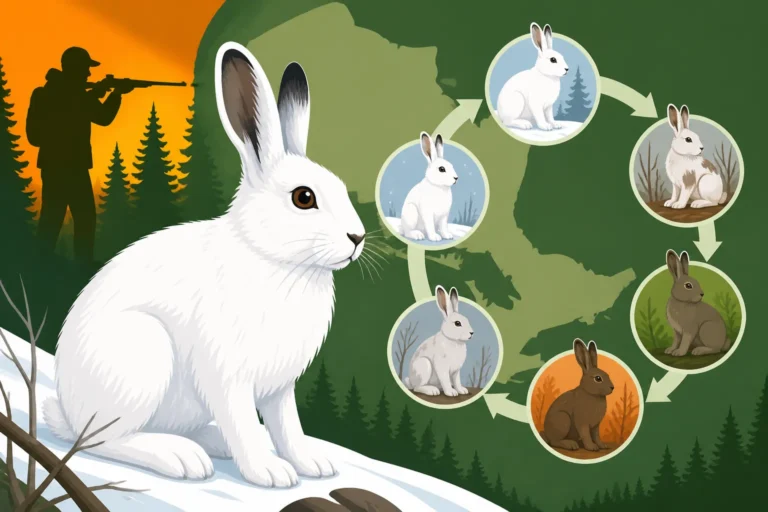
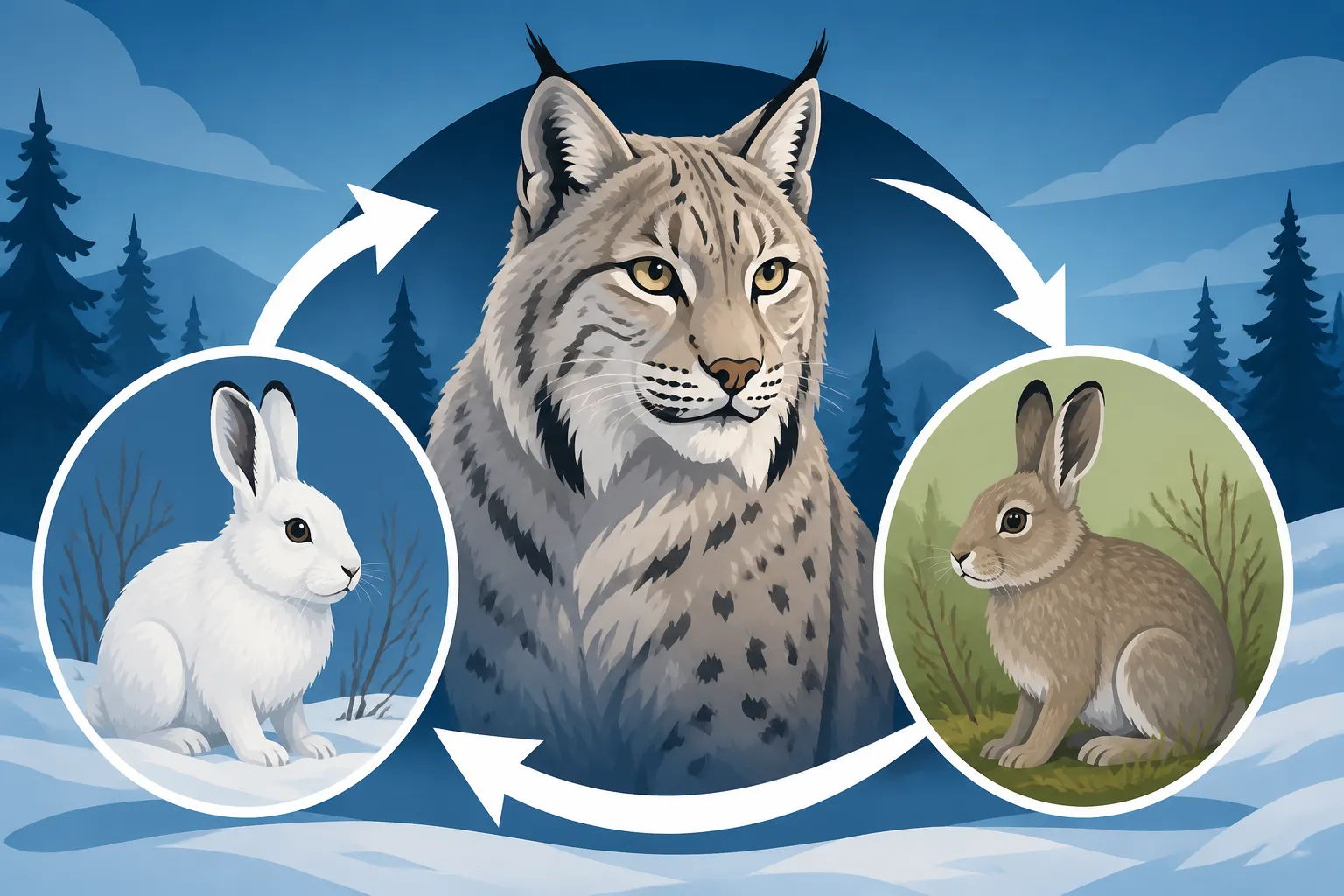
The relationship between the Canada lynx and the snowshoe hare is one of the most classic examples of a predator-prey cycle in the natural world. It's a boom-and-bust story that plays out roughly every 8 to 11 years, dictating the fortunes of not just these two species, but influencing a whole web of life in the boreal forest. It's not a neat, predictable clockwork, but more of a broad, undulating wave that sweeps across vast tracts of the north.
The Hare's Influence on Lynx Numbers
Imagine a year when the snowshoe hare population explodes. You'd see them everywhere – hopping across logging roads, darting through spruce thickets, their tracks crisscrossing every patch of snow. These prolific little lagomorphs are a primary food source for lynx. When hares are abundant, lynx thrive. They have more food, leading to higher survival rates for adults, larger litter sizes, and more kittens surviving to adulthood. This surge in lynx numbers typically lags a year or two behind the hare peak, as it takes time for the lynx population to reproduce and grow in response to the abundant food supply. It's like a delayed reaction, a biological echo through the forest.
Then, as the lynx population swells, they start putting immense pressure on the hare numbers. More mouths to feed mean more hares are hunted and consumed. Eventually, the sheer number of predators, combined with other factors like habitat quality, disease, and even harsh winters, starts to drive the hare population down.
The Lynx's Collapse and the Hare's Recovery
Once the hare population crashes, the lynx face a severe food shortage. Suddenly, a landscape that was teeming with their preferred prey becomes eerily quiet. This scarcity has a devastating effect on the lynx. Their reproductive rates plummet, fewer kittens are born, and survival rates for all age classes decline dramatically. Starvation can become a real factor, and some lynx may even disperse into areas where they aren't typically found, desperate for food. It’s a harsh reality of the wild, but it’s what allows the cycle to continue.
As the lynx numbers dwindle, the pressure on the remaining hares lessens. With fewer predators actively hunting them, the hare population begins to recover. They reproduce quickly, and their numbers slowly but surely start to climb again. This recovery period for the hares sets the stage for the next boom, eventually allowing the lynx to bounce back. It's a continuous, self-regulating feedback loop that has shaped the ecology of the boreal forest for millennia. Understanding these dynamics helps us appreciate the delicate balance that exists, and how even small changes can ripple through the ecosystem.
Why This Cycle Matters to Hunters
You might be thinking, "What does a lynx and a snowshoe hare have to do with my deer or moose hunt?" Well, more than you might imagine! This cycle is a cornerstone of the northern ecosystem, and its effects ripple outwards, impacting other furbearers, predators, and even ungulate populations. Paying attention to these natural rhythms can give you a significant edge in your hunting strategy, and inform how you approach different areas.
Impact on Other Game Species
When hare populations are booming, many other predators also benefit. Coyotes, foxes, wolves, and various birds of prey all feast on the abundant hares. This means that during peak hare years, these other predators might be less inclined to target alternate prey species like deer fawns or moose calves. If a coyote can easily snatch a snowshoe hare, it might not expend the energy trying to bring down a larger, more dangerous fawn. Conversely, when hares are scarce, these generalist predators will intensify their hunt for other food sources, potentially increasing pressure on young deer and moose.
Think about it: if you're out Hunting Wolves in Ontario's North, understanding the hare cycle can help you predict where and when wolves might be more reliant on deer. Similarly, if you're trying to fill an antlerless tag in Ontario, and you know it's a low hare year, you might find deer more cautious due to increased predator activity. This interconnectedness is a key aspect of healthy wildlife management.
Predicting Small Game Opportunities
For those who enjoy Small Game Hunting in Ontario, particularly for snowshoe hare themselves, the cycle is everything. A peak hare year can offer incredible hunting opportunities, with abundant game providing both sport and sustenance. During these periods, finding hare sign is easy, and you might encounter them frequently while still-hunting or walking old logging roads.
On the flip side, during the low points of the cycle, hare hunting can be incredibly challenging. Hunters might find themselves walking for hours without seeing fresh tracks or a single hare. It’s during these lean years that dedicated small game hunters often switch focus to other species or spend more time scouting for the next upswing. Knowing which phase of the cycle an area is in can prevent frustration and help you plan your efforts more effectively. Using tools like GoHunt to mark areas where you previously found hare, and comparing observations over years, can help build a personal understanding of the local cycle.
Signs of the Cycle in the Ontario Bush
You don't need a scientific study to get a sense of where the hare-lynx cycle is at in a given area. The bush itself tells a story, if you know how to read the signs. Veteran hunters develop an almost instinctual feel for these rhythms, but anyone can learn to observe and interpret the clues left behind by these animals.
Reading Hare Sign
The most obvious indicator is the sheer abundance, or lack thereof, of snowshoe hare sign. In a peak hare year, their tracks will be ubiquitous, especially in dense coniferous cover, regenerating clear-cuts, and along the edges of swamps. You’ll see their distinct tracks – large hind feet landing ahead of smaller front feet – everywhere. Droppings will be plentiful, small, round pellets clustered along trails and under thick cover. You might even notice browse lines on small saplings and shrubs, where hares have been feeding heavily on bark and twigs. This is particularly noticeable in winter.
Conversely, during a hare low, finding fresh sign becomes a challenge. Tracks are sparse, droppings are few and far between, and browse lines are less pronounced. You might walk an entire morning in prime hare habitat and barely see a track. This tells you immediately that the population is down, and likely, the lynx population is following suit or already crashing. It's a key piece of information you can gain by simply Reading Sign After a Fresh Snow.
Observing Lynx and Other Predators
While seeing a lynx in the wild is a rare and exciting event for most of us, their presence (or absence) provides direct evidence of the cycle. In years following a hare boom, you might hear more reports of lynx sightings, or stumble upon their tracks in the snow – large, round, soft-footed prints, often with a faint drag mark from their tail. A solitary lynx track across a quiet winter landscape speaks volumes about their activity.
You might also observe an increase in other predators. During hare peaks, you could see more coyotes, foxes, and raptors, all benefiting from the easy food. When the hare population declines, you might notice these generalist predators shifting their focus. For example, if you're hunting in an area that typically has high hare numbers, but you're now seeing fewer hare tracks and more coyote sign, it's a strong indicator that the hare population has declined, and the coyotes are looking for alternatives. Keep an eye out when you're Hunting an Old Logging Road in the North or Hunting a Beaver Meadow Crossing; these can be hotspots for predator activity. Many hunters use mapping applications like GoHunt to mark predator sightings over the years, creating a valuable long-term dataset for their hunting areas.
Hunting During Different Phases of the Cycle
Adjusting your hunting strategy based on where the lynx-hare cycle is at can significantly improve your odds, whether you're targeting small game, deer, or even larger predators. It's about being adaptable and understanding the underlying ecological currents.
Strategies for High Hare Years
When the hares are booming, the forest floor seems alive with them. This is an excellent time for small game hunters to capitalize. Snowshoe hare are relatively easy to locate and can provide fantastic sport. Still-hunting through dense conifer stands, especially spruce and cedar swamps, will often yield results. Flushing them out of thick cover with a good dog can also be incredibly productive. You'll find them almost everywhere, so covering ground is a good strategy.
For big game hunters, high hare years mean that other predators might be less inclined to target deer and moose. This could potentially translate into slightly less pressure on fawns and calves, and perhaps more relaxed behaviour from older animals. However, it also means a higher density of predators generally, so remaining vigilant is always key. It’s an interesting dynamic, where the abundance of one species subtly shifts the behaviour of others.
| Cycle Phase | Hare Abundance | Lynx Abundance | Other Predator Focus | Hunting Implications |
|---|---|---|---|---|
| Hare Peak | Very High | Growing | Hares & Small Prey | Excellent hare hunting, less predator pressure on big game. |
| Lynx Peak | Declining rapidly | High | Hares (intense) | Hare hunting becomes challenging, increased predator competition. |
| Hare Low | Very Low | Crashing | Alternate Prey (deer, moose) | Hare hunting very tough, increased predator pressure on big game. |
| Lynx Low | Recovering slowly | Very Low | Alternate Prey (reduced) | Hare hunting improving, reduced predator pressure on big game. |
Navigating Low Hare Years
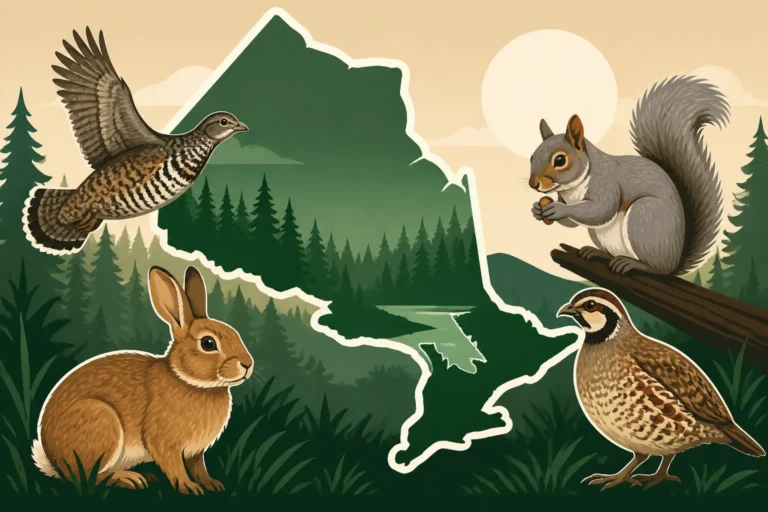
When the snowshoe hare population is in its trough, hunting them becomes a much greater challenge. You'll need to work harder, focus on the most prime, dense cover where small pockets of hares might persist, and perhaps slow down your approach considerably. Some hunters will opt to focus on other small game species during these periods, saving their dedicated hare hunts for when the cycle begins to turn upwards again.
For big game hunters, low hare years are a time to be extra mindful of predator activity. With their primary food source scarce, lynx, coyotes, and wolves will be more actively hunting deer, moose, and other available prey. This means heightened senses for ungulates, and potentially more cautious behaviour. You might want to adjust your scouting, focusing on areas with excellent escape cover for deer, or where moose might feel safer from predation. Using mapping apps like GoHunt to identify dense thermal cover or remote areas where predator presence might be slightly lower could be a smart move. Understanding What Wildfire Does to Ontario Game Range can also be crucial in these leaner years, as new growth might concentrate remaining hares and, by extension, their predators.
Disclaimer
This article is for general informational purposes only and does not constitute professional advice. Laws, prices and regulations vary by location and change over time. Consult a qualified professional for guidance on your specific situation.