Where Ontario Turkeys Are Still Spreading
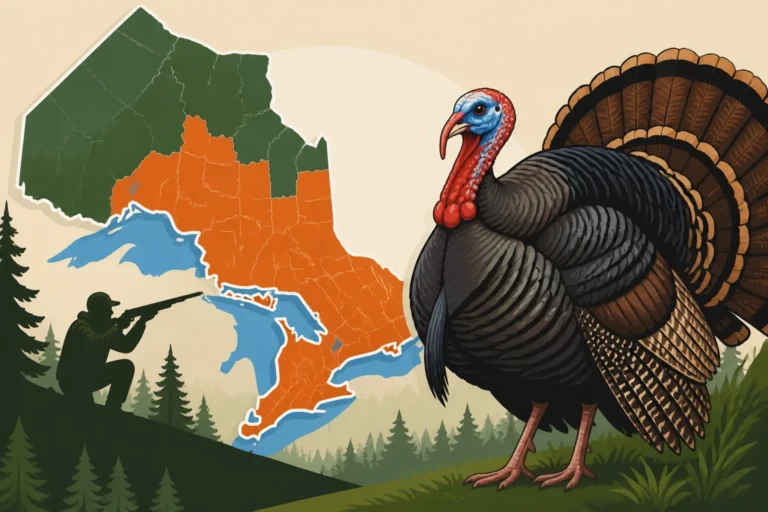
It wasn't that long ago that the thought of hunting wild turkeys in Ontario seemed like a distant dream to many of us. We've witnessed an incredible resurgence, transforming our woods and fields, but the reality is, they're not everywhere yet. If you've been wondering where these clever, adaptable birds are continuing to establish new footholds and whether there's huntable ground still emerging, you've come to the right place. This guide is all about tracing the dynamic, ongoing spread of wild turkeys across our beautiful province, helping you understand where to look next.
The Incredible Journey of Wild Turkeys in Ontario: A Restoration Story Still Unfolding
For generations, the gobble of a wild turkey was something only heard in stories or seen in history books here in Ontario. Their absence was a poignant reminder of past resource management practices and habitat changes. Today, however, the story is one of monumental success, a testament to dedicated conservation efforts and the remarkable resilience of these magnificent birds.
From Near Extinction to Resounding Success: A Brief History
Imagine a time when wild turkeys were entirely extirpated from Ontario. That means they were completely wiped out, gone from our landscapes by the early 1900s, primarily due to unregulated hunting and extensive logging that destroyed their critical hardwood forest habitat. For decades, the notion of wild turkeys roaming our woods again felt like a pipe dream.
Then came the concerted efforts in the 1980s, driven by a partnership between the Ontario Ministry of Natural Resources and Forestry (MNRF), dedicated volunteers, and organizations like the Ontario Federation of Anglers and Hunters (OFAH). They embarked on an ambitious trap-and-transfer program, bringing turkeys from states like Michigan, New York, and Missouri into suitable areas of Ontario. The idea was simple: catch them where they're abundant, move them to prime habitat where they're absent, and let them do what turkeys do best – reproduce.
Many old-timers, myself included, were initially skeptical. Could it really work? Would these birds survive our harsh winters? The answer, unequivocally, was yes. The initial releases, particularly in the prime agricultural and hardwood zones of Southern Ontario, took hold. Populations boomed, and the birds began to naturally spread from these core areas. It's a truly inspiring chapter in our province's conservation history, and you can read more about it in Ontario's Wild Turkey Restoration Story.
Why "Spreading" Is More Complex Than "Everywhere"
While the success has been phenomenal, it's crucial to understand that "spreading" isn't like painting a uniform coat of green across a map. Turkeys don't just appear simultaneously in every corner of the province. Their expansion is a dynamic process characterized by fingers reaching out into new areas, pockets forming in isolated but suitable habitat, and a gradual filling-in of the spaces between established populations.
The key lies in habitat suitability. Turkeys are adaptable, no doubt, but they still require a specific mosaic of features to truly thrive and establish sustainable populations. If you’re hunting in a region that seems perfect but lacks a consistent turkey presence, it might be that they’re still in the process of reaching that area, or perhaps a subtle missing piece of the habitat puzzle is holding them back. It's a slow, deliberate colonization, often dictated by the availability of food, cover, and safe roosting sites, rather than an overnight explosion. This makes tracking their movements and finding new hunting opportunities a fascinating challenge for any Ontario hunter.
Decoding Turkey Territory: Understanding Habitat Requirements for Expansion
If you want to find turkeys, whether in an established stronghold or on the fringes of their expanding range, you need to think like a turkey. What do they need to survive, thrive, and ultimately, spread? It comes down to a perfect blend of specific habitat components that provide food, shelter, and security throughout the year.
The Perfect Blend: Food, Cover, and Roosting Sites
Wild turkeys are generalists when it comes to diet, but they rely heavily on certain key food sources, especially through the lean months. Mature hardwood forests are absolutely critical. Think oak, beech, and cherry trees that drop acorns and other mast crops. These provide high-energy food that turkeys can depend on, particularly in late fall and winter. Without a reliable mast crop, a population might struggle, especially during a hard winter.
Beyond the hardwoods, they need open areas. This could be agricultural fields where they glean waste grain after harvest, hayfields brimming with insects in spring and summer, or even old pastures. These open spaces offer abundant foraging opportunities for protein-rich insects, especially for growing poults, and provide dusting areas for feather maintenance.
Then there's cover. Turkeys need dense, brushy edges, thickets, and younger forest growth for nesting and escape cover. These areas hide them from predators and provide thermal protection. Lastly, and perhaps most distinctly, turkeys require tall, sturdy trees for roosting at night. Often, these are mature pines or large hardwoods, typically near a water source or on a ridge, offering safety from ground predators and a good vantage point for the morning. A lack of any one of these components – be it mast trees, open foraging areas, or safe roosts – can act as a natural barrier to their spread, even if other factors seem ideal. For instance, deep snow can cover up essential food sources, making it hard for turkeys to survive, as explored in Why Deep Snow Limits Turkey Range.
The Human Factor: Agriculture and Tolerance
It might seem counterintuitive, but humans, and specifically our agricultural practices, have played a significant role in the turkey's resurgence and continued spread. Modern agriculture, with its vast fields of corn, soybeans, and winter wheat, provides an incredible buffet for wild turkeys. They thrive on waste grain left after harvest, supplementing their natural diet with readily available carbohydrates. These fields also host a bounty of insects, crucial for young poults.
However, the human factor isn't just about food. It's also about tolerance and access. Turkeys have adapted surprisingly well to living near human settlements, often frequenting woodlots bordering farms or even suburban areas, as long as there's enough suitable cover and minimal disturbance. Landowners who appreciate their presence, or at least tolerate them, effectively expand the available habitat. Conversely, areas with high human traffic, excessive poaching, or landowners who view them as a nuisance can create barriers.
This delicate balance means that some of the areas where turkeys are still spreading are often a mix of overlooked farm woodlots, neglected hedgerows, and river corridors that cut through otherwise developed landscapes. The willingness of the local community, and particularly the farming community, to coexist with these birds is a quiet but powerful force in their continued expansion.
The Expanding Frontiers: Where to Find Emerging Turkey Hotbeds
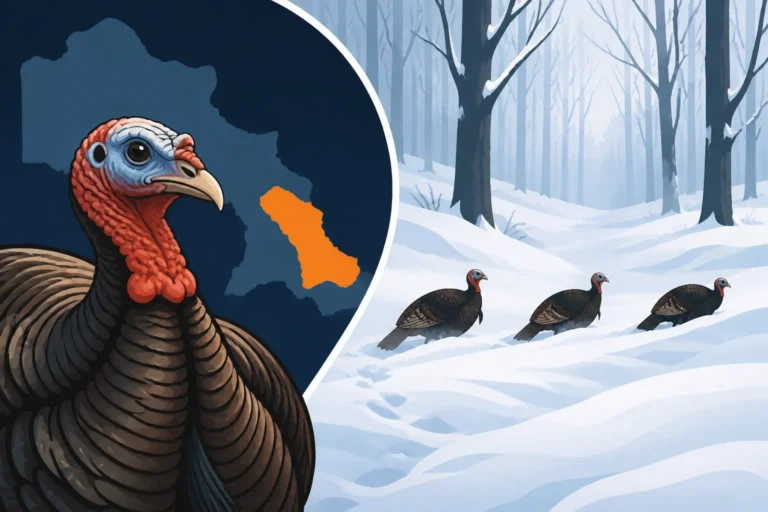
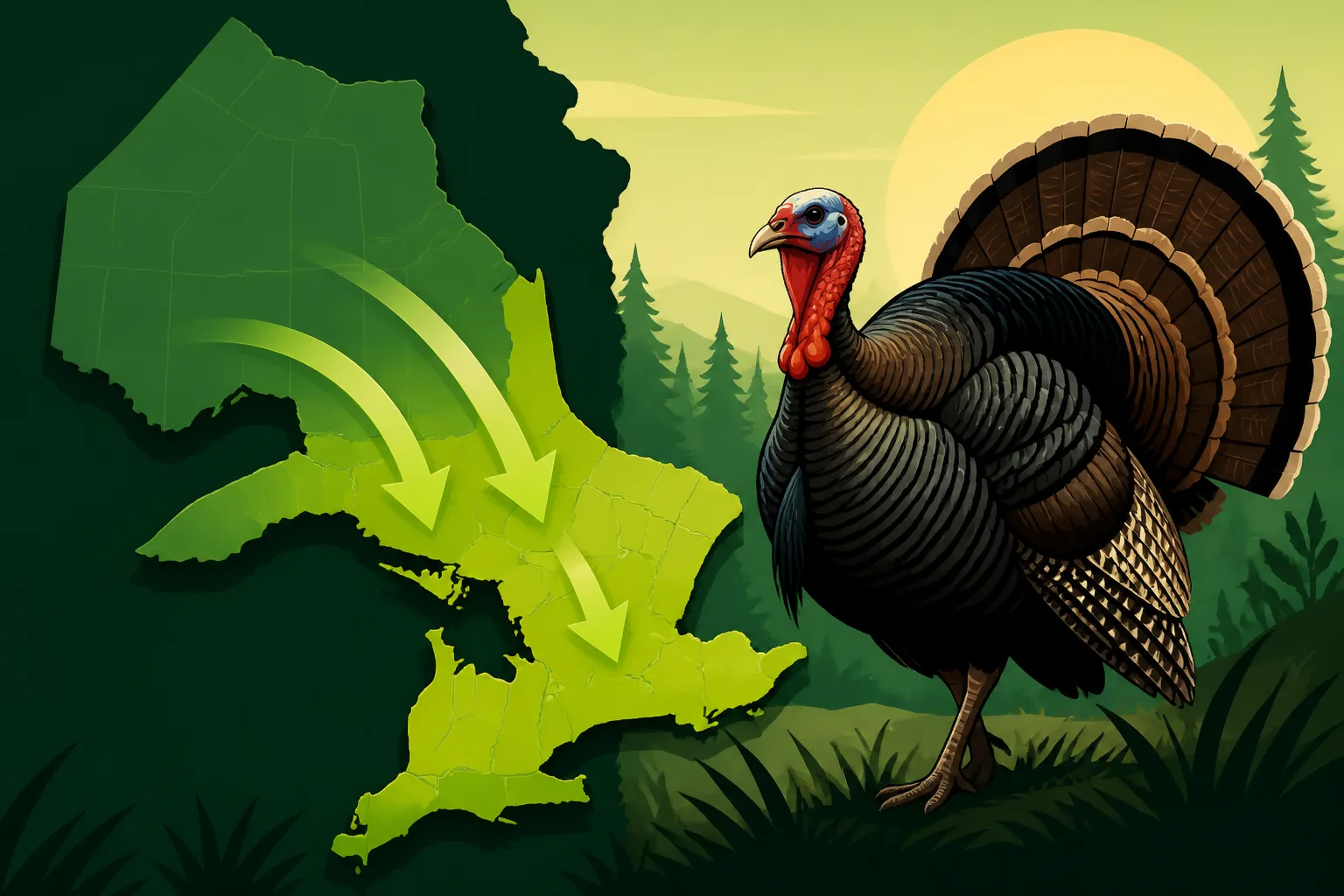
While Southern Ontario boasts the densest and most well-established turkey populations, the birds aren't content to stay put. They are slowly but surely pushing the boundaries, venturing into new territories and strengthening their presence in areas where they were once sparse. This ongoing expansion creates exciting new opportunities for hunters willing to scout beyond the traditional strongholds.
Pushing North and East: New Territories Emerge
Historically, the golden triangle for Ontario turkey hunting has been the southwestern and central parts of the province, where agriculture meets sprawling hardwood forests. However, in recent years, hunters and naturalists have been reporting increasing turkey activity further north and east.
Regions that were once considered marginal for turkeys are now seeing established flocks. We're talking about areas around the southern edge of the Canadian Shield and into parts of Eastern Ontario, closer to the Ottawa Valley. While the deep snow and more rugged terrain of the true boreal forest present significant challenges, turkeys are finding pockets of habitat that meet their needs. Imagine those hardwood ridges that hold deer; those same ridges can provide ideal turkey roosting and foraging, as discussed in Hunting a Hardwood Ridge for Whitetails.
These northern and eastern pushes often follow river valleys or areas with a mix of mature deciduous trees and small agricultural clearings. The birds are tougher here, often a little shyer due to less human exposure, and their numbers might not be as explosive as in the south. But they are there, and their populations are slowly building. Tools like GoHunt can be invaluable here, offering detailed topographical maps and property lines that let you visualize where those critical elements might converge, helping you identify potential new turkey zones in a Wildlife Management Unit you might not have considered before.
Connecting the Dots: Filling in the Gaps in Established Regions
It's not all about moving further out. Even in regions where turkeys have been established for decades, there's still a quiet, continuous process of "filling in the gaps." This means turkeys are colonizing smaller, more isolated patches of suitable habitat within their existing range that they hadn't quite reached before.
Consider those forgotten woodlots tucked between cash crop fields, narrow river bottomlands, or even small bush lots that sit on the edge of growing towns. These areas might not have seemed large enough to sustain a turkey population initially, but as pressure mounts in core areas and overall provincial numbers increase, enterprising flocks will find and colonize these niches. A cedar swamp edge, often overlooked by turkey hunters, can provide critical thermal cover in winter and dense nesting habitat in spring, becoming a new anchor point for a local flock, much like what you'd find when Hunting a Cedar Swamp Edge.
These "gap-filling" birds can sometimes offer fantastic, less-pressured hunting opportunities. By cross-referencing public land maps or even scouted private properties with the kind of habitat information GoHunt provides, you can often identify those hidden gems before others do. Keep an eye on those smaller, un-hunted woodlots or stretches of riparian habitat along an Hunting an Ontario River Valley. These are the places where a surprise gobble might just echo from a place you never expected.
How Hunters Can Track and Support Turkey Expansion
As hunters, we're not just consumers of wildlife resources; we're often the first to notice changes on the ground. Our observations and actions play a vital role in understanding and supporting the continued spread of wild turkeys across Ontario. Being engaged means more opportunities for everyone in the long run.
Becoming a "Citizen Scientist": Observing and Reporting
You spend more time in the woods than most people, often seeing things others miss. That makes you an invaluable "citizen scientist." If you're out deer scouting, checking trail cameras, or simply enjoying a hike, make a note of turkey sightings, especially if they're in areas where you haven't seen them before. Did you hear a gobble in a new woodlot? Did you spot a hen with poults far from established populations? These observations are crucial.
Consider reporting your sightings to your local MNRF office or even to conservation organizations like the OFAH. While there might not always be a formal program in place, your anecdotal evidence contributes to a broader understanding of population dynamics and range expansion. Every gobble heard, every flock spotted, and every set of tracks in the snow tells a story about where these birds are, and where they might be going next. This data, even informal, helps wildlife managers confirm trends and adjust their understanding of turkey distribution. It's a small effort that yields big results for conservation.
Responsible Hunting and Habitat Stewardship
Supporting turkey expansion isn't just about spotting them; it's also about managing our impact as hunters and actively improving their habitat. First and foremost, responsible hunting means adhering strictly to regulations, understanding Ontario Spring Turkey Season Dates and Ontario Fall Turkey Season Dates, and following bag limits. Ethical hunting ensures that healthy breeding populations remain to continue the spread. Knowing how to differentiate between a jake and a longbeard, as outlined in Telling a Jake From a Longbeard, helps ensure you're making responsible harvest decisions.
Beyond the hunt itself, think about habitat stewardship. If you have access to private land, even a small bush lot, consider actions that benefit turkeys. This could include selective logging to create varied age classes of forest (some mature mast trees, some younger escape cover), planting specific food sources like clover or chufa, or even maintaining water sources. Even simply leaving brush piles can provide essential cover. You don't need a massive undertaking; small efforts can collectively make a big difference. For instance, creating clearings or openings in dense woods can improve foraging, and proper decoy placement, as discussed in Decoy Placement for Pressured Ontario Gobblers, helps ensure clean, ethical shots when hunting. If you're hunting with a bow in the fall, those same habitat considerations are key, as highlighted in Hunting the Fall Turkey Season With a Bow.
The table below provides a quick overview of key habitat features and their importance to the continued spread of wild turkeys.
| Habitat Feature | Importance for Turkey Spread | Where it's Found (Example) | Implications for Hunters |
|---|---|---|---|
| Mature Hardwood Forest | Provides acorns (mast) and other hard mast, critical high-energy winter food, and roosting trees. | Southern Ontario woodlots, pockets within the Shield | Focus scouting on mast production zones, especially after good years. |
| Open Fields / Farmland | Offers abundant insect foraging for poults, waste grain after harvest, and dusting areas. | Southwestern Ontario, Ottawa Valley, agricultural belts | Access to private farmland is often key for these birds. |
| Brushy Edges / Thickets | Essential for nesting cover, escape cover from predators, and protection from harsh weather. | Any transition zone, fencerows, regenerating clearcuts | Excellent locations for setting up ambushes or calling. |
| Reliable Water Source | Crucial for daily hydration, especially in dry periods. Turkeys often travel to water. | Near creeks, rivers, ponds, beaver flowages | Position yourself near water sources, particularly in the afternoon. |
| Varied Topography | Provides thermal cover (south-facing slopes), windbreaks (ridges), and escape routes. | Rolling hills of Central Ontario, Shield escarpments | Use terrain to your advantage for calling setups or approaching birds. |
| Mild Winters / Shallow Snow | Allows consistent ground foraging, reduces energy expenditure, higher survival rates. | Predominantly Southern Ontario | Deep snow can push birds to specific, sheltered areas, concentrating them. |
The wild turkey's journey in Ontario is far from over. Their spread is a living, breathing testament to the power of conservation and adaptation. By understanding their needs, observing their movements, and acting as responsible stewards of our natural resources, we can all play a part in ensuring that the iconic gobble of an Ontario turkey continues to echo across more and more of our provincial landscapes for generations to come. Don't forget to practice those calls, you might be calling a gobbler off an Ontario roost in a brand new spot next season!
Disclaimer
This article is for general informational purposes only and does not constitute professional advice. Laws, prices and regulations vary by location and change over time. Consult a qualified professional for guidance on your specific situation.