The Algonquin Wolf and Its Protection
The dense forests and wild expanses of Ontario are home to an incredible array of wildlife, but few creatures capture the imagination and stir as much discussion as the wolf. For hunters and nature enthusiasts alike, understanding the nuances of these apex predators, especially the unique Algonquin Wolf and the protections it receives, can be a real head-scratcher. This comprehensive guide will untangle the complexities, delve into their ecology, and explain the critical conservation measures in place to help you better appreciate and navigate their presence in Ontario's vast wilderness.
What Exactly is the Algonquin Wolf? Separating Fact from Lore
When folks talk about wolves in Ontario, there's often a bit of confusion, and for good reason! The lines between various canid species can seem blurry, especially when you're out in the bush and catch a fleeting glimpse. But the Algonquin Wolf isn't just a regular grey wolf or a big coyote; it's a distinct and fascinating animal with its own story, deeply intertwined with the landscape of central Ontario.
A Distinct Species, Not Just a Hybrid
For many years, scientists grappled with the exact classification of what we now call the Algonquin Wolf. Initially, it was often lumped in with the Eastern Wolf (Canis lycaon) or even considered a type of grey wolf (Canis lupus). However, extensive genetic research has revealed a much more complex picture. The Algonquin Wolf is, in fact, a unique species, sometimes referred to as Canis lycaon, showcasing a blend of genetic material that suggests ancient hybridization events between coyotes and grey wolves, but it has since evolved into its own distinct lineage. This isn't just a passing fancy; it's a stable, recognized species with specific characteristics. They tend to be smaller than the stereotypical Grey Wolf found further north and west, but significantly larger than the average coyote. Think of it as a middle-ground powerhouse, perfectly adapted to the mixed forests of central Ontario. If you're out there, relying on sight alone can be tricky, but knowing their typical range helps.
Distinguishing the Algonquin Wolf from Coyotes and Grey Wolves
This is where it gets really interesting for anyone spending time in Ontario's wild spaces. Telling the difference between a wolf, a coyote, and an Algonquin Wolf can be genuinely challenging, especially at a distance or if you're not familiar with the subtle cues. The key often lies in size, pelage, and social behaviour.
- Grey Wolves: These are the big boys. Found primarily in Northern Ontario, beyond the core range of the Algonquin Wolf, Grey Wolves are typically larger, heavier, and often have broader heads and snouts. Their fur can vary, but generally, they appear more robust and powerful. When you're Hunting Wolves in Ontario's North, you're more likely encountering these magnificent creatures.
- Coyotes: At the other end of the spectrum, coyotes are smaller, sleeker, and often have a more reddish-brown or grizzled grey coat, with a relatively narrow snout and pointed ears. They are incredibly adaptable and can be found almost everywhere in Ontario, including urban fringes. If you're Calling Coyotes in Ontario Farm Country, you'll quickly learn their distinctive vocalizations and smaller tracks.
- Algonquin Wolves: These animals sit right in the middle. They are larger than coyotes, often weighing between 50 to 80 pounds, compared to a coyote's 25-45 pounds and a Grey Wolf's 70-130+ pounds. Their fur tends to be more reddish or tawny brown on the back and legs, with grey or black mixed in, and a characteristic darker patch on the tail gland. Their heads are usually broader than a coyote's but not as blocky as a northern Grey Wolf's. Their howling also has a distinct quality, often a mix of longer, lower wolf-like howls interspersed with higher-pitched coyote-like yips and barks, which can be confusing. To really get a handle on the visual differences, check out resources like Telling a Coyote From a Wolf for detailed comparisons.
Here's a quick comparison table to help visualize the distinctions:
| Feature | Coyote | Algonquin Wolf | Grey Wolf |
|---|---|---|---|
| Average Weight | 25-45 lbs (11-20 kg) | 50-80 lbs (23-36 kg) | 70-130+ lbs (32-59+ kg) |
| Average Height | 20-25 inches (50-64 cm) | 25-30 inches (64-76 cm) | 26-32+ inches (66-81+ cm) |
| Coat Colour | Grey, reddish-brown, grizzled, pale | Tawny-brown, reddish, grey, black mixed | Various shades of grey, black, white, brown |
| Snout | Narrow, pointed | Moderately broad | Broad, robust |
| Ears | Tall, pointed | Proportionately smaller than coyote's | Rounder at tips, proportioned to head |
| Tail | Bushy, often held low, dark tip | Bushy, often held mid-level, dark tail gland | Bushy, often held straight out, dark tip |
| Range | Across all Ontario | Central Ontario (Algonquin area & fringes) | Northern Ontario |
| Track Size | Smaller, more oval | Medium, more elongated than coyote | Large, very elongated |
Historical Context and the Decline of Wolf Populations in Ontario
The story of wolves in Ontario is a fascinating and often tragic one, reflecting broader patterns of human expansion, changing land use, and evolving attitudes towards apex predators. Understanding this history is crucial to grasping why the Algonquin Wolf now holds a unique and protected status.
Early European Settlement and Predator Control
When European settlers first arrived in what is now Ontario, wolves, primarily Grey Wolves and what would later be identified as Algonquin Wolves, were widespread. They played a vital role in maintaining ecosystem health, regulating deer, moose, and caribou populations. However, as agriculture expanded and livestock became a staple, wolves were quickly viewed as direct threats to livelihoods. The prevailing mindset was one of eradication. Governments, both colonial and later provincial, implemented aggressive bounty systems. These bounties, which were sometimes quite substantial, incentivized widespread hunting, trapping, and poisoning of wolves across the province.
This period, stretching from the 18th century well into the mid-20th century, saw wolf populations decimated, particularly in southern and central Ontario where human settlement was densest. The pressure was immense, pushing these resilient animals into increasingly remote and fragmented habitats. It wasn't just individual hunters; organized predator control programs were common, reflecting a deeply ingrained fear and misunderstanding of wolves. The consequences were profound: local extinctions in many areas and a significant reduction in overall wolf numbers, forever altering the ecological balance of many regions.
Habitat Loss and Fragmentation
Beyond direct persecution, the relentless march of "progress" took a heavy toll through habitat loss and fragmentation. As settlers cleared forests for farms, built towns, and developed infrastructure, the vast, unbroken wilderness that wolves depend on began to shrink. Wolves require large territories to find prey, establish packs, and avoid conflict. When these territories are carved up by roads, residential areas, and clear-cuts, their ability to survive and thrive is severely compromised.
In central Ontario, while large tracts of forest remained, the creation of highways and increasing human activity led to further isolation of wolf populations. This fragmentation can lead to smaller, more vulnerable populations that are more susceptible to disease, inbreeding, and the effects of accidental deaths like road collisions. The Algonquin Park region, though a protected area, became an island of wolf habitat, and the surrounding populations struggled. This pressure contributed to the unique genetic make-up of the Algonquin Wolf, as isolated populations began to interbreed more frequently with coyotes moving in from the south, resulting in the species we recognize today. The push to urbanize and develop areas even around places like Hunting the Haliburton Highlands meant less wild space for these animals.
Conservation Efforts and Legal Protections for the Algonquin Wolf
Recognizing the dire situation and the unique genetic significance of the Algonquin Wolf, Ontario has implemented specific conservation efforts and legal protections. These measures represent a shift from historical eradication policies to a more enlightened approach focused on preservation and coexistence.
Protection Zones and Hunting Restrictions
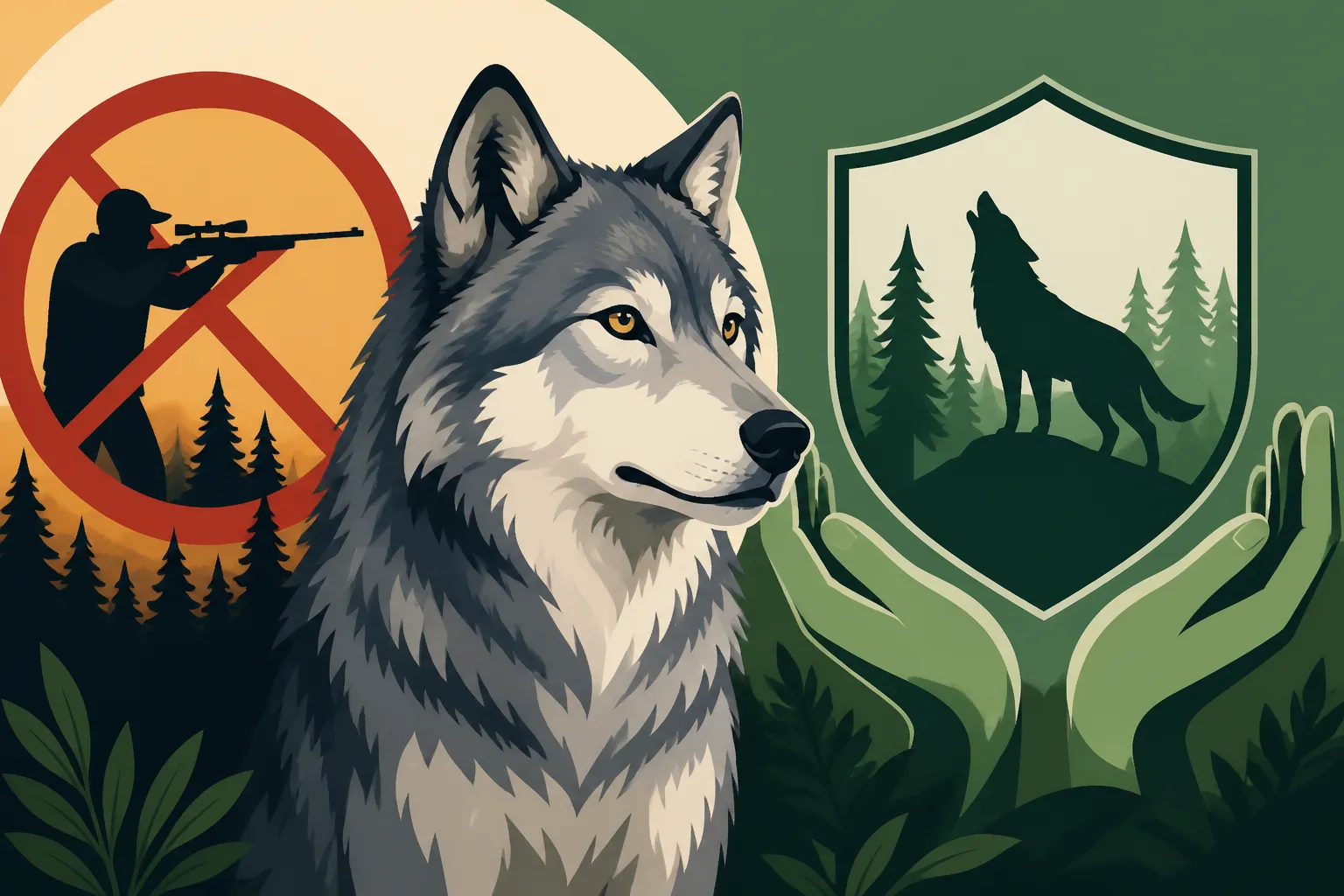
The primary protective measure for the Algonquin Wolf is the establishment of a core protection zone. This zone encompasses Algonquin Provincial Park itself and extends into surrounding townships and Wildlife Management Units (WMUs). Within this designated area, the hunting and trapping of wolves and coyotes are strictly prohibited. The idea behind this is to create a safe haven where the Algonquin Wolf population can recover and disperse naturally without human-caused mortality.
This protection zone means that hunters operating in the specified WMUs must be extra diligent in identifying their target. For instance, if you're in an area where Algonquin Wolves are present, even if you intend to harvest a coyote, you cannot. The regulations are in place to prevent the accidental killing of Algonquin Wolves, which are often difficult to distinguish from coyotes, especially in low light or at long distances. You can find detailed maps and specific WMU boundaries that prohibit wolf/coyote hunting on the Ontario government's website or through reputable hunting apps like GoHunt. These maps are crucial for anyone planning to Scouting a Wildlife Management Unit in central Ontario, ensuring you understand where these protections apply. This creates a buffer, allowing the species to flourish and ideally expand its range.
The Role of Ontario's Endangered Species Act
While the Algonquin Wolf isn't listed as "endangered" across its entire range, it is considered a species of "special concern" in Ontario. This designation under Ontario's Endangered Species Act (ESA) triggers specific management actions aimed at preventing its decline and promoting its recovery. A species of "special concern" means that while it's not currently endangered or threatened, it could become so if factors affecting its vulnerability are not addressed.
The ESA mandates the development of a management plan for species of special concern. For the Algonquin Wolf, this plan focuses on understanding population dynamics, habitat use, genetic health, and minimizing threats. It supports research into their ecology, monitoring their populations, and educating the public about their importance. The act also provides legal tools to protect their habitat, even outside the core protection zones, if critical areas are identified. This comprehensive approach recognizes that conservation isn't just about banning hunting; it's about understanding the species thoroughly and addressing all potential stressors to ensure long-term viability. This proactive stance is vital for the future of creatures like the Algonquin Wolf, which are such an integral part of Ontario's Predators and Furbearers.
Impact on Hunters and Wildlife Management
The protection of the Algonquin Wolf has tangible implications for hunters, especially those who pursue canids like coyotes, and for the broader framework of wildlife management in Ontario. It's not just about rules; it's about a shifting understanding of how we interact with the wilderness.
Understanding Hunting Restrictions and Identification
For any hunter heading into the field in Ontario, especially in the central or southern regions, a thorough understanding of wolf and coyote identification, as well as the specific hunting regulations, is paramount. The province's regulations regarding Where Wolf Hunting Is Closed in Ontario are not suggestions; they are legally binding and designed to protect the Algonquin Wolf. This means that hunters must take extra care to correctly identify their target species before taking a shot.
This isn't always easy. As discussed, Algonquin Wolves share physical characteristics with both Grey Wolves and coyotes. Factors like lighting, distance, and the animal's movement can make identification even more difficult. Many experienced hunters advocate for a "when in doubt, don't shoot" policy when hunting in areas adjacent to Algonquin Wolf protection zones. Additionally, hunters should familiarize themselves with the specific WMUs where wolf/coyote hunting is prohibited or restricted. This information is readily available in the Ontario Hunting Regulations Summary, often supplemented by detailed maps on the GoHunt platform. For those who enjoy chasing coyotes, this means being acutely aware of your surroundings and the specific characteristics of the animals you're targeting. Ignoring these rules can lead to significant penalties, not to mention the irreparable harm of taking a protected animal.
The Broader Ecological Role and Prey Dynamics
Beyond the direct impact on hunting opportunities, the presence and protection of the Algonquin Wolf highlight their critical ecological role. Wolves are apex predators, meaning they sit at the top of the food chain and play a vital role in maintaining the health and balance of ecosystems. They help control populations of herbivores like white-tailed deer and moose, often preying on the weak, old, or sick, which can lead to healthier overall herds.
In areas where Algonquin Wolves are protected and thriving, such as Algonquin Park and its surrounding buffer zones, their predation influences the behavior and distribution of prey species. Deer, for example, might be more wary or utilize different habitats, which can indirectly affect where a hunter might find them. This ecological ripple effect is part of the natural order. From a wildlife management perspective, ensuring healthy wolf populations contributes to a more resilient and balanced ecosystem, which ultimately benefits all species, including those we hunt. Understanding how these predators influence prey species is a core part of being an effective hunter. For example, knowing that wolves might push deer into specific cover can change how you approach Hunting a Hardwood Ridge for Whitetails or Hunting a Cedar Swamp Edge.
Challenges and Future Outlook for Algonquin Wolves
Despite the conservation efforts, the Algonquin Wolf still faces a complex array of challenges that threaten its long-term survival. The future of this unique canid depends on continued vigilance, adaptive management strategies, and public understanding.
Continued Threat of Hybridization and Habitat Pressures
One of the persistent, and perhaps most intricate, challenges for the Algonquin Wolf is the ongoing threat of hybridization with coyotes. While the Algonquin Wolf itself emerged from ancient hybridization events, continued interbreeding can dilute its unique genetic identity. As human development expands, fragmenting wolf habitat and pushing coyotes into new territories, the chances of these interactions increase. This is particularly true on the fringes of protected areas, where Algonquin Wolves might encounter more coyotes seeking resources.
Furthermore, habitat pressures remain a significant concern. Even with protected zones, development on surrounding private lands, logging practices, and increased recreational use of wild areas can impact wolf movements, prey availability, and overall habitat quality. Roads, for instance, are not just barriers; they are also sources of mortality through vehicle collisions. Managing these external pressures while allowing for natural dispersal is a delicate balancing act for wildlife agencies. Ensuring connectivity between wild spaces, like those found in Hunting Ontario's Crown Land, is crucial for genetic flow and population health.
Climate Change and Disease Considerations
Looking ahead, climate change presents another layer of complexity for the Algonquin Wolf. Shifting weather patterns can influence everything from prey availability to the prevalence of diseases. For example, warmer winters might reduce snowpack, potentially altering the hunting success of wolves or changing the distribution of their prey. Extreme weather events could also impact denning sites or pup survival.
Disease is another ongoing concern. Canid populations are susceptible to various diseases like rabies, distemper, and parvovirus, which can spread rapidly through packs. While these are natural population regulators, combined with other stressors, a significant disease outbreak could have a devastating impact on localized Algonquin Wolf populations, especially smaller, more isolated ones. Monitoring the health of these populations and understanding how disease dynamics might shift with environmental changes is an increasingly important aspect of their conservation. Agencies, often in partnership with organizations like GoHunt, are constantly looking at new data to anticipate these challenges.
The table below summarizes some key threats and their implications for the Algonquin Wolf:
| Threat Category | Specific Threats | Implications for Algonquin Wolves |
|---|---|---|
| Genetic | Continued hybridization with coyotes | Dilution of unique genetic identity, loss of distinct characteristics |
| Habitat | Habitat fragmentation (roads, development) | Restricted movement, reduced prey access, increased human conflict |
| Logging and resource extraction | Altered forest structure, potential disruption of den sites | |
| Human-Caused | Accidental mortality (vehicle collisions) | Direct population reduction, especially for dispersing individuals |
| Illegal poaching (mistaken for coyotes) | Undermines protection efforts, direct population reduction | |
| Environmental | Climate change (shifting prey, habitat) | Altered ecosystem dynamics, potential stress on populations |
| Disease outbreaks (rabies, distemper) | Rapid population decline, especially in small, isolated groups | |
| Prey Availability | Fluctuations in deer/moose populations | Impact on wolf food source, particularly during harsh winters |
Coexistence and the Future of Ontario's Wild Canids
The journey of the Algonquin Wolf, from widespread presence to near extirpation and now to a fragile recovery, reflects our evolving relationship with the wild. Moving forward, the emphasis must be on fostering coexistence and continuing to adapt our conservation and management strategies.
Education and Public Awareness
One of the most powerful tools in the ongoing conservation of the Algonquin Wolf is education and public awareness. Many misunderstandings about wolves persist, fueled by old myths and outdated perceptions. By educating the public, including hunters, landowners, and recreational users of wild spaces, about the ecological importance of these predators, their unique status, and the specific protections they receive, we can build a stronger foundation for coexistence.
This means clearly communicating the differences between species, the rationale behind hunting restrictions, and the benefits that healthy wolf populations bring to the ecosystem. Programs that encourage responsible wildlife viewing, emphasize the "do not feed wildlife" message, and provide resources for minimizing conflicts with all wild canids are invaluable. When people understand that the Algonquin Wolf is not just a nuisance, but a vital part of Ontario's natural heritage, they are more likely to support and adhere to conservation measures. This broader understanding even influences how we discuss and approach topics like Wolves and Coyotes in Ontario in general.
Adaptive Management and Continued Research
The science of wildlife management is never static, and for a species as complex as the Algonquin Wolf, an adaptive management approach is essential. This means continually monitoring populations, conducting genetic research to track hybridization, studying their prey relationships, and assessing the effectiveness of current protection measures. If new threats emerge or existing strategies prove less effective than hoped, the management plans must be flexible enough to adjust.
Organizations, often in collaboration with provincial bodies, are crucial in funding and conducting this vital research. For instance, platforms like GoHunt that provide updated mapping data can indirectly aid researchers in understanding human-wildlife interactions and informing management decisions. By embracing new technologies and scientific insights, Ontario can refine its approach to ensure the long-term viability of the Algonquin Wolf. This commitment to ongoing learning and responsive action is what will truly safeguard this iconic species for generations to come, allowing them to continue to roam the vast wilderness of places like Hunting an Ontario River Valley.
Disclaimer
The information provided in this guide is for general informational purposes only and does not constitute legal advice. Hunting regulations in Ontario can change, and it is the responsibility of every hunter to consult the most current Ontario Hunting Regulations Summary published by the Ministry of Natural Resources and Forestry (MNRF) before engaging in any hunting activities. Always be sure of your target and local regulations.