Where Ontario’s Elk Herd Lives
It's truly a special feeling to be out in the Ontario bush, especially when you know there's a chance to encounter a creature as majestic as an elk. For many years, though, that was just a dream for hunters here in the province. Ontario's elk population faced a devastating decline centuries ago, leaving a void in our wild places. But thanks to dedicated conservation efforts, these magnificent animals are back! This guide will take you deep into the story of their return, where they thrive today, what kind of habitat they call home, and how dedicated hunters play a vital role in their future.
The Phoenix From the Ashes: Ontario's Elk Restoration Story
The presence of elk in Ontario isn't a new phenomenon; it's a story of loss and an inspiring tale of resurrection. Knowing this history makes encountering one of these incredible animals even more meaningful. It's a testament to what dedicated conservation and community effort can achieve.
The Early Days: Pre-European Settlement and Extirpation
Before European settlers arrived and began altering the landscape, elk were a common sight across much of what is now Ontario. These powerful ungulates roamed freely, thriving in the mixed forests, open woodlands, and prairies that characterized the province. They were a vital part of the ecosystem, their grazing and browsing habits shaping the plant communities, and serving as a key food source for Indigenous peoples. Imagine herds of elk moving through the vast wilderness, their bugles echoing across the valleys – it must have been an incredible sight.
However, as settlement expanded, the elk faced insurmountable pressures. Unregulated hunting, driven by market demand for hides and meat, took a severe toll. More significantly, the rapid clearing of forests for agriculture and logging destroyed their critical habitat, fragmenting the remaining populations. Elk require large, contiguous areas of suitable habitat, and as these landscapes shrunk and became isolated, the remaining animals had nowhere to go. By the late 1800s, the last native elk in Ontario were extirpated, vanishing from the province's natural heritage. It was a stark reminder of how quickly even abundant wildlife can disappear without careful management and protection.
Reintroduction Efforts: Bringing Elk Back to Ontario
The idea of bringing elk back wasn't new; attempts were made as early as the turn of the 20th century, with limited success. These early efforts, though well-intentioned, often faced challenges due to unsuitable release sites, lack of public understanding, or simply not enough animals to establish a viable breeding population. It took decades of learning, planning, and a deeper understanding of elk ecology to lay the groundwork for a truly successful reintroduction. By the late 1990s, a comprehensive strategy was developed, focusing on selecting appropriate habitat and sourcing healthy animals from established populations in other provinces, primarily Alberta.
The provincial government, in partnership with conservation groups like the Rocky Mountain Elk Foundation, spearheaded these modern reintroduction efforts. The goal was not just to release animals, but to establish self-sustaining herds that could once again thrive in the Ontario wilderness. This meant careful planning, community engagement, and a commitment to long-term monitoring. The first successful major releases occurred in the early 2000s, primarily in the Bancroft-area, marking a truly historic moment for Ontario's wildlife. It was a cautious but hopeful beginning, and the success of these early efforts paved the way for the robust herds we see today.
The Long Road to Recovery: Why Restoration Took Decades
Restoring a species as large and complex as the elk is never a quick fix. It’s a marathon, not a sprint, and the decades it took reflect the immense challenges involved. One primary hurdle was simply identifying and securing suitable habitat large enough to support a growing herd. Much of the original elk range had been permanently altered by development. Finding vast tracts of Crown land that offered the right mix of cover, forage, and water, away from significant human disturbance, was crucial. Then there was the task of physically capturing, transporting, and releasing hundreds of elk, which required meticulous planning and specialized logistics to ensure the animals' health and minimize stress.
Beyond the initial release, the long-term success hinged on several factors, including minimizing human-wildlife conflicts, particularly with local agricultural operations, and managing interactions with other wildlife like deer (to prevent disease transmission) and predators. Public acceptance and support from local communities were also paramount. Educating residents, engaging landowners, and fostering a sense of shared stewardship were critical to the elk's ability to settle, reproduce, and ultimately expand their numbers. The commitment to continuous monitoring and adaptive management, adjusting strategies as the herds grew and faced new challenges, has been the bedrock of this incredible conservation success story. You can learn more about Ontario's Restored Elk Herd in our detailed guide.
Meet the Herds: Where Ontario's Elk Live Today
While glimpses of elk are always exciting, there are specific areas where these majestic animals have truly re-established themselves. Knowing these core areas is key to understanding their distribution and, for hunters, where to focus efforts if you're lucky enough to draw a tag.
The Bancroft Herd: The Heart of Ontario Elk Country
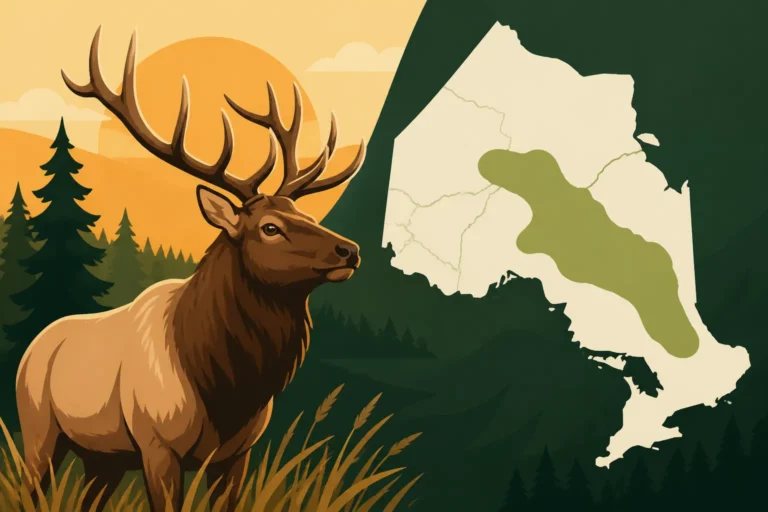
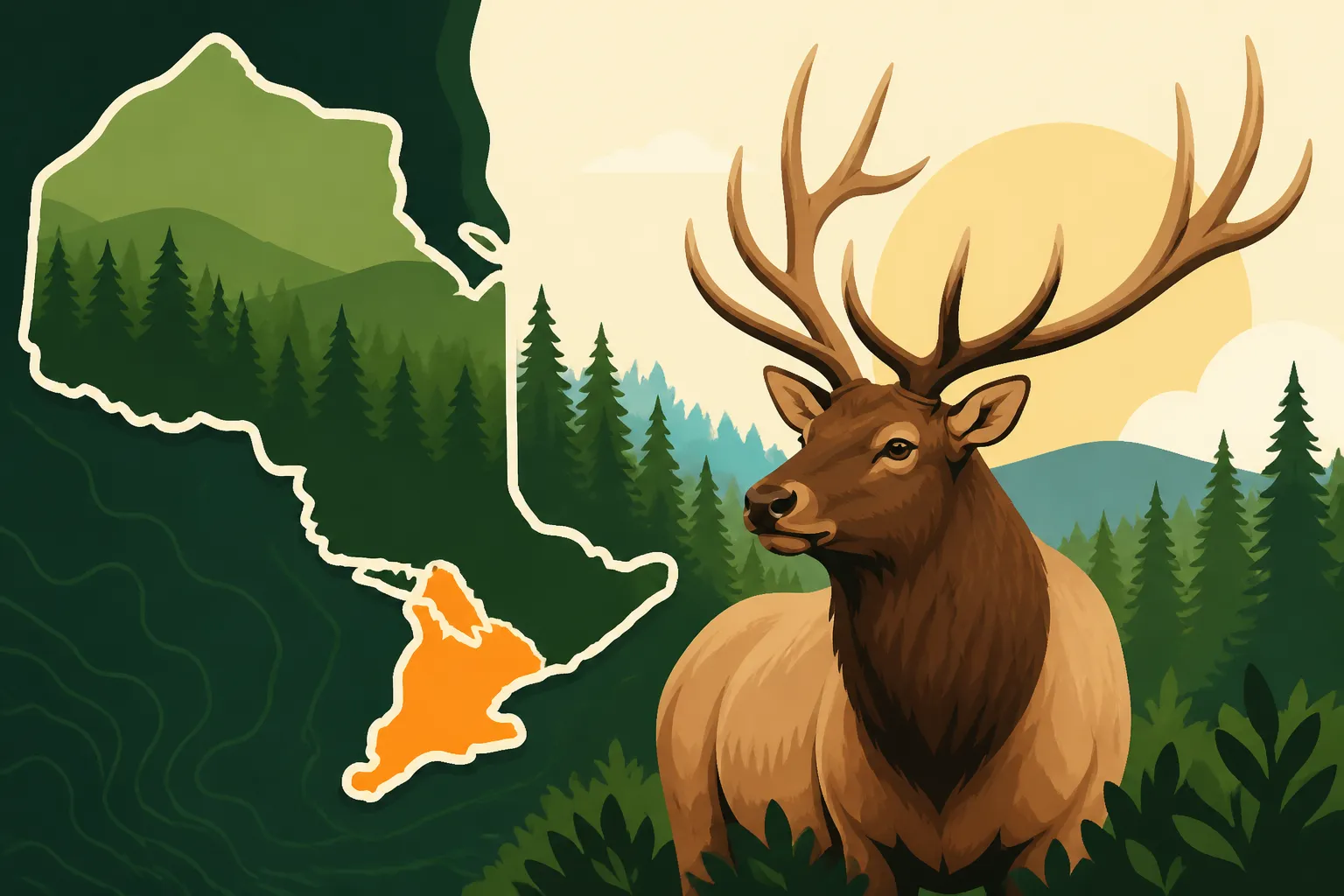
When you talk about elk in Ontario, the conversation almost always begins and ends with the Bancroft herd. This is, without a doubt, the most significant and well-established elk population in the province. Centered around the Bancroft area, encompassing parts of Hastings, Haliburton, and Renfrew counties, this herd is a direct result of the dedicated reintroduction efforts that began in the early 2000s. The region itself is a mosaic of mixed forest, rocky Canadian Shield outcrops, abandoned farm fields now reverting to bush, and numerous lakes and wetlands. This diverse landscape provides an ideal blend of cover, forage, and water sources that elk need to thrive.
The Bancroft herd has grown steadily over the years, demonstrating remarkable resilience and adaptability to the Ontario environment. These animals are often quite visible, especially during the rut in late September and early October, when bulls become vocal and active. Their success here has made the Bancroft region synonymous with elk in Ontario, drawing naturalists, photographers, and, of course, hunters who are fortunate enough to secure a coveted tag. For more specific insights into these hunting opportunities, check out our guide on Elk Hunting Ontario's Bancroft Herd.
Other Herds and Expansion Areas
While the Bancroft herd is the largest and most concentrated, it’s not the only story unfolding. Over the years, smaller satellite herds have begun to emerge, often as a result of elk dispersing from the core Bancroft population, or through additional, albeit smaller-scale, reintroduction efforts in other suitable areas. For instance, there are pockets of elk now found in the Lake Huron North Shore region, particularly around the French River and North Bay areas, as well as a more recent establishment further west, like the Nipissing-French River herd. These herds are typically smaller and more scattered than Bancroft's, but they represent the continued expansion of elk range in Ontario.
These newer, smaller herds are often a mix of transplanted animals and those that have naturally migrated from existing populations. Their presence signifies a healthy and expanding overall elk population. However, because they are less concentrated, locating them can be more challenging. Hunters interested in these areas often need to put in extra scouting time, relying on local knowledge and robust mapping tools like those offered by GoHunt to pinpoint potential activity areas within the larger Wildlife Management Units (WMUs). These expansion areas, while offering different challenges, are crucial for the long-term genetic diversity and resilience of Ontario's elk.
Population Dynamics and Health
Understanding the population dynamics and overall health of Ontario's elk herds is vital for their continued success and sustainable management. The Ministry of Natural Resources and Forestry (MNRF) closely monitors these populations through various methods, including aerial surveys, trail camera studies, and hunter harvest reports. These efforts provide crucial data on herd size, calf recruitment rates, bull-to-cow ratios, and overall animal condition. The good news is that Ontario's elk populations, particularly the Bancroft herd, are generally robust and stable, demonstrating healthy growth since their reintroduction.
However, elk, like all wild animals, face challenges. Disease monitoring is a continuous effort, especially for potential threats like Chronic Wasting Disease (CWD), though CWD has not yet been detected in Ontario's wild elk. Predators like wolves and black bears can impact calf survival, particularly in northern areas. Additionally, human-wildlife interactions, such as vehicle collisions or agricultural damage, require ongoing management strategies. The health of the herd is directly tied to the quality of its habitat and the effectiveness of management strategies, including the limited hunting opportunities that contribute to population control and data collection. Knowing What an Ontario Bull Elk Weighs can also be a good indicator of herd health and available forage.
Here’s a snapshot of Ontario’s main elk herds and their characteristics:
| Herd Name | Primary WMU(s) | Status | Estimated Population (Approx.) | Key Habitat Features | Notes |
|---|---|---|---|---|---|
| Bancroft | 53A, 53B, 54, 55A | Well-established | 700-1000+ | Mixed forest, reverting farmland, rocky shield terrain | Largest and most accessible herd, focus of hunting draws. |
| Lake Huron North Shore | 36, 40 | Expanding | 100-200 | Boreal forest, Canadian Shield, proximity to water | Smaller, more dispersed; natural expansion from Bancroft and some translocations. |
| Nipissing-French River | 47, 48 | Growing | 50-100 | Mixed forest, river systems, wetlands | Emerging population, less concentrated, requiring more intense scouting. |
| Burwash | 41 | Reintroduced | Small, monitored | Primarily Crown land, mixed forest | Smaller, more recent reintroduction effort, still under close observation. |
Note: Population estimates can fluctuate and are subject to ongoing surveys by the MNRF.
Understanding Elk Habitat: Key Features and Seasonal Shifts
Elk are adaptable, but like any wildlife, they have specific requirements for their environment. Understanding what makes good elk habitat, and how their needs change throughout the year, is essential for anyone hoping to locate them or simply appreciate their place in the ecosystem.
Preferred Landscapes: Forests, Fields, and Water
Elk in Ontario thrive in a diverse landscape that offers a blend of cover, food, and water. They are typically found in areas characterized by a mosaic of mature hardwood and mixedwood forests, providing crucial thermal and escape cover, especially during harsh winters or hot summer days. However, they are not solely forest dwellers. Elk also rely heavily on open areas, such as old clear-cuts, regenerating forest stands, beaver meadows, and reverting agricultural fields. These areas, particularly those with early successional growth, offer abundant forage in the form of grasses, forbs, and young woody browse. The edges where these open areas meet dense forest are often hotspots for elk activity, providing both food and quick access to safety.
Water is another critical component of elk habitat. They need consistent access to streams, rivers, lakes, and wetlands not only for drinking but also for cooling down in summer and for wallowing during the rut. Areas with numerous beaver ponds or marshy sections often attract elk, providing both hydration and succulent aquatic vegetation. Therefore, when scouting for elk, whether you're using detailed maps from GoHunt or on the ground, look for these transitions – where the dense forest meets an open cut, a wet meadow, or a reliable water source. It's in these diverse, edge-rich environments that Ontario's elk truly flourish.
Seasonal Movements: From Winter Yards to Rutting Grounds
Elk are not static creatures; their movements throughout the year are largely dictated by food availability, breeding cycles, and weather conditions. Understanding these seasonal shifts is crucial for predicting where they might be. In the spring, after the snow recedes, elk disperse from their wintering areas, often moving to higher ground or areas with fresh green-up. Cows will seek out dense cover to calve, prioritizing security and seclusion for their newborns. As summer progresses, elk spread out, utilizing a wider range of habitat as forage becomes plentiful, often seeking shade and relief from insects near water sources.
Autumn brings the most significant and dramatic seasonal movement: the rut. From late September into early October, mature bull elk become highly active, bugling loudly and challenging rivals for breeding rights. During this period, elk concentrate in specific rutting grounds, which are typically open or semi-open areas adjacent to good cover. These areas are where intense vocalizations, sparring, and breeding take place. As winter approaches and snow begins to accumulate, elk will migrate towards traditional wintering areas, often referred to as "yards." These yards are usually characterized by dense conifer stands, particularly cedar swamps or pine plantations, which offer protection from deep snow and cold winds, along with available browse. Knowing these movements is key, particularly if you're Hunting an Ontario Bush Edge or in a specific WMU during the different seasons.
Foraging Habits and Food Sources
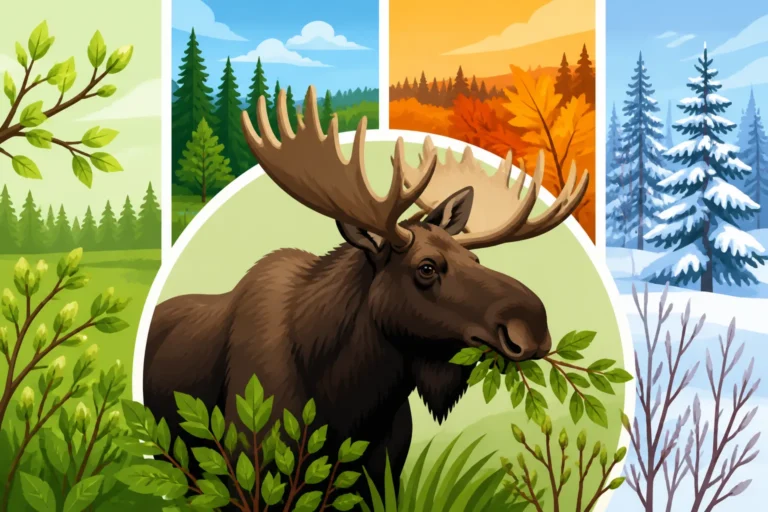
Elk are primarily grazers and browsers, meaning their diet is a mix of grasses, forbs (herbaceous plants), and woody vegetation. Their diet shifts significantly throughout the year based on what is available and most nutritious. In spring and summer, they feast on lush grasses, clovers, various forbs, and the tender shoots of deciduous trees and shrubs. They'll also consume aquatic vegetation if available in wetlands and beaver ponds. This period of abundant food allows them to build up fat reserves essential for the upcoming rut and winter.
As fall arrives, their diet transitions to more woody browse, acorns, and other hard mast, if present. They also continue to graze on remaining green vegetation. During the harsh Ontario winter, when snow covers much of the ground, elk become almost exclusively browsers. They rely on the twigs, buds, and bark of various trees and shrubs, such as poplar, willow, maple, and dogwood. Dense conifer stands that provide shelter also offer evergreen browse. The availability and quality of these food sources directly influence the health, body condition, and antler development of Ontario's elk. A healthy range with diverse food options is critical for their survival and reproductive success.
Elk Management and Conservation: Protecting Ontario's Prized Ungulates
The return of elk to Ontario is a conservation triumph, but it's an ongoing effort. Effective management and proactive conservation strategies are vital to ensure these majestic animals continue to thrive for future generations. It's a complex balancing act that involves science, community engagement, and regulated hunting.
Monitoring and Research Programs
Robust monitoring and research programs are the backbone of sound elk management in Ontario. The Ministry of Natural Resources and Forestry (MNRF) leads these efforts, utilizing a variety of techniques to gather critical data on elk populations. Aerial surveys, often conducted in winter when elk are concentrated and visible against the snow, provide estimates of herd size, distribution, and sex ratios. Ground-based surveys, using trail cameras and track counts, offer additional insights into local densities and movement patterns. Researchers also collar elk with GPS tracking devices, allowing them to study seasonal movements, habitat use, and survival rates over extended periods.
Furthermore, biological samples are collected from harvested animals during hunting seasons and from any found deceased elk. These samples provide valuable information on diet, genetics, disease presence, and overall herd health. This data is rigorously analyzed to inform management decisions, such as setting sustainable harvest quotas, identifying critical habitat for protection, and developing strategies to mitigate potential threats. This scientific approach ensures that management actions are based on the best available knowledge, ensuring the long-term viability of Ontario's elk herds. For hunters, knowing which Ontario's Wildlife Management Units have elk is crucial, and monitoring data helps confirm this.
Challenges: Disease, Predation, and Human Interactions
Despite their successful reintroduction, Ontario's elk face a range of challenges that require careful management. Disease is a significant concern, with particular attention paid to the potential spread of Chronic Wasting Disease (CWD), a fatal neurological disease affecting cervids. While CWD has not been found in Ontario's wild elk, continuous surveillance and prevention protocols are in place to safeguard the herds. Other parasites and diseases common to deer can also affect elk, highlighting the importance of managing overall cervid health.
Predation, primarily by wolves and black bears, can impact elk populations, especially calf survival. While natural predation is a healthy part of the ecosystem, managers monitor predator-prey dynamics to ensure a balance is maintained. Human interactions also pose challenges. Vehicle collisions, while not as frequent as with deer or moose, can occur, especially in areas where elk cross roads. Furthermore, agricultural damage to crops or fences can lead to conflicts with landowners. GoHunt mapping tools can help identify human infrastructure and potential conflict zones, helping hunters and managers alike. Strategies like deterrents, fencing, and, in some cases, managed harvests help mitigate these issues, fostering coexistence between elk and human communities.
The Role of Controlled Hunts in Management
For a species like elk that has been successfully restored and is growing, controlled hunting plays a critical and often misunderstood role in management. Rather than simply being about "taking animals," regulated hunts are a vital tool for maintaining healthy, sustainable populations. First and foremost, limited hunting opportunities help to control population growth, preventing herds from exceeding the carrying capacity of their habitat. Overpopulation can lead to habitat degradation, increased disease transmission, and greater conflict with human activities.
Secondly, controlled hunts provide invaluable data. Every harvested elk provides biological samples and information (location, age, sex, condition) that contributes to the overall understanding of the herd's health and dynamics. This real-world data complements aerial surveys and research, giving managers a more complete picture. Finally, and perhaps most importantly, regulated hunting fosters public engagement and provides economic benefits that can be reinvested in conservation. When hunters pay for licences and tags, those funds often go directly back into wildlife management programs, research, and habitat improvement. The hunting opportunity for Ontario's elk is highly sought after, with a Ontario's Resident-Only Elk Draw ensuring opportunities for provincial residents. This system underscores the value placed on this iconic species and its sustainable future.
Drawing an Elk Tag and Planning Your Hunt
The dream of hunting an Ontario elk is a powerful one, but it requires careful planning and a good understanding of the provincial system. Unlike deer or moose, elk hunting opportunities are extremely limited and highly coveted, making the draw process paramount.
Navigating Ontario's Resident-Only Elk Draw
For Ontario residents, the opportunity to hunt elk is managed through a highly competitive draw system. It's not a general over-the-counter tag; you must apply through the Ministry of Natural Resources and Forestry (MNRF) elk tag allocation process. This draw is typically a "resident-only" affair, designed to give priority to those living in the province who have supported the restoration efforts. The application process requires an active Outdoors Card and a valid hunting licence. You'll need to choose specific Wildlife Management Units (WMUs) where elk hunting is permitted and specify the type of tag you're applying for (bull, cow, or calf).
The draw itself is based on a points system, meaning the more years you apply without drawing a tag, the more "points" you accumulate, increasing your odds in subsequent years. This system is designed to provide fair access over time, though some WMUs and tag types are significantly harder to draw than others due to high demand and limited allocations. The application periods are strict, and it's essential to stay on top of the dates. Drawing an elk tag is often a multi-year endeavour, so patience and persistence are key. For detailed information on the application rules and deadlines, refer to our guide on Ontario Elk Draw Application Rules and What to Do After Drawing an Ontario Elk Tag.
Scouting the Terrain: Utilizing Modern Tools
Once you've drawn that coveted elk tag, the real work begins – scouting. Unlike deer or bear, elk are fewer in number and cover vast amounts of ground, so understanding the terrain and their movements is crucial. Modern hunting tools have revolutionized the way hunters scout, allowing for efficient and effective pre-season planning. Satellite imagery and topographic maps, often integrated into apps like GoHunt, are indispensable. These tools allow you to study the landscape from your home, identifying potential travel corridors, feeding areas (like clear-cuts, old fields), bedding cover (dense forest), and water sources. Look for areas where different habitat types converge, creating natural edges that elk often frequent.
On-the-ground scouting is still vital. Visiting your chosen WMU well before the season allows you to confirm what you've seen on maps. Look for fresh elk sign: tracks (much larger than deer), droppings, rub lines on trees (where bulls mark their territory), and wallows (muddy depressions where elk roll). Pay close attention to transition zones and areas with a mix of cover and forage. If you're hunting during the rut, listening for bugles can pinpoint active areas. Remember that elk are intelligent animals and can be pressured, so scouting subtly and minimizing disturbance is key. Using GoHunt's detailed maps to mark potential elk sign and plan access routes can significantly enhance your chances.
Essential Preparations for an Elk Hunt
An Ontario elk hunt, whether you're targeting the Hunting Elk Around Bancroft area or a newer zone, is a significant undertaking that requires thorough preparation. Beyond securing your tag and scouting, several other elements are critical for a successful and safe experience. Firstly, physical conditioning is paramount. Elk country can be rugged, and you might be covering many miles on foot, often in challenging terrain. Regular exercise and hiking with your pack are highly recommended. Secondly, ensure your equipment is up to the task. This includes a reliable rifle or bow capable of ethically taking a large animal, high-quality optics (binoculars, spotting scope), and durable, comfortable hunting attire suitable for varying weather conditions.
Logistics also play a huge role. Consider your access points, potential camping locations, and how you will retrieve an animal. Elk are large, and getting one out of the bush requires planning, especially in remote areas. Having a good game cart, a reliable ATV (where permitted), or even a plan for quartering and packing out meat is essential. Finally, review all relevant regulations thoroughly. Understand bag limits, legal shooting hours, blaze orange requirements, and tag notching procedures. Safety, as always, is paramount. Hunt with a partner if possible, carry a GPS or satellite communication device, and always let someone know your hunt plan. An elk hunt is an unforgettable experience, and preparation is the key to making it a successful one.
Disclaimer
This guide is intended for informational purposes only and does not supersede official regulations. All hunters are responsible for reviewing and adhering to the current Ontario hunting regulations, which can be found on the Government of Ontario's website. Regulations, seasons, and WMU boundaries are subject to change. Always confirm details with the official sources before planning any hunting activity.