Wild Turkeys in Ontario
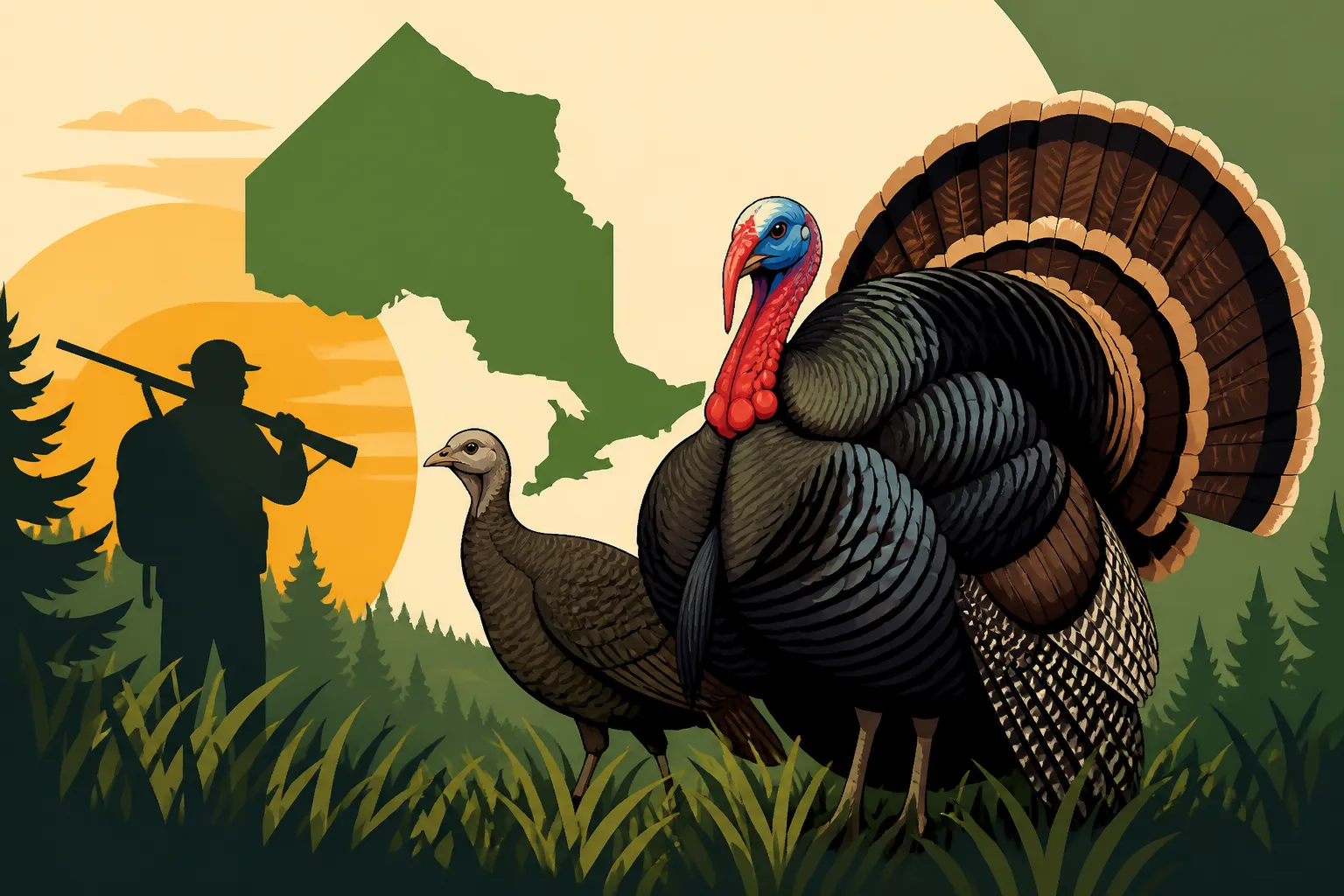
For many Ontario hunters, the thrill of chasing wild turkeys is second to none, a dance of wits against a notoriously wary bird. However, deciphering where to find them, understanding their behaviour through the seasons, and mastering the subtle art of the call can feel like trying to solve a complex puzzle in the quiet woods. This comprehensive guide will unravel the mysteries of wild turkeys in Ontario, offering deep insights into their biology, the landscapes they inhabit, and the strategies you'll need for a successful hunt.
The Resurgence of Wild Turkeys in Ontario
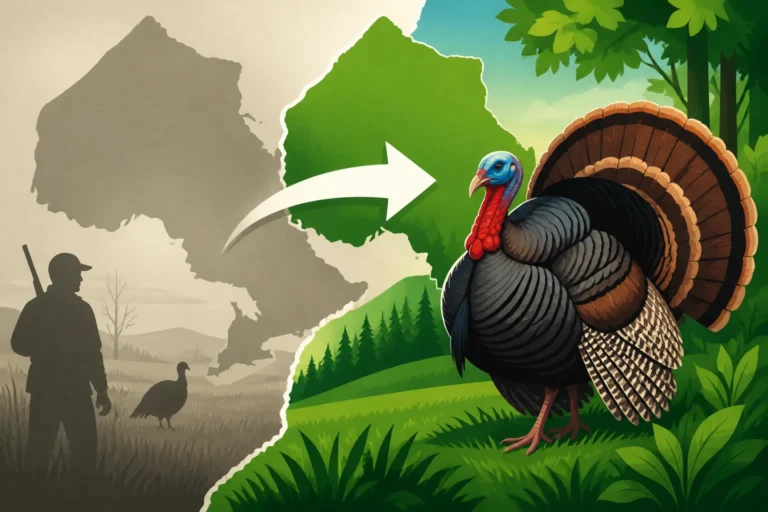
It's hard to imagine now, with the widespread presence of wild turkeys across much of southern and central Ontario, but these magnificent birds were once completely extirpated from the province. Their return is one of Canada's most compelling wildlife conservation success stories, a testament to dedicated efforts by conservationists and hunters alike. Understanding this journey helps us appreciate the vibrant populations we enjoy today and highlights the importance of ongoing stewardship.
A Storied History of Decline and Restoration
Prior to European settlement, wild turkeys were a common sight in the hardwood forests of southwestern Ontario. Historical accounts from the 17th and 18th centuries speak of abundant flocks, providing a valuable food source for Indigenous peoples and early settlers. However, unregulated hunting, coupled with widespread deforestation for agriculture and settlement, slowly but surely decimated their numbers. By the early 1900s, Ontario's native wild turkey population was completely gone, leaving a significant void in the province's rich wildlife heritage. For decades, many believed they were lost forever, a footnote in the history books of vanished species.
Early attempts to reintroduce turkeys using pen-raised birds were largely unsuccessful. These domestic-bred birds lacked the necessary wild instincts to survive predators, harsh winters, and the rigours of life in the Ontario bush. They were often too tame, prone to disease, and simply couldn't adapt to the challenges of a wild existence. This period underscored a critical lesson: successful reintroduction requires genetically wild, healthy stock capable of fending for themselves from day one. It proved that simply releasing birds wasn't enough; they had to be true survivors.
The Successful Reintroduction Program
The real turning point came in the mid-1980s, driven by a new understanding of wildlife management and a powerful partnership. The Ontario Federation of Anglers and Hunters (OFAH), working closely with the Ontario Ministry of Natural Resources (now the Ministry of Natural Resources and Forestry, MNRF), embarked on an ambitious trap-and-transfer program. This initiative specifically utilized wild-trapped turkeys from states with healthy populations, primarily Michigan, New York, and Missouri. These wild birds, accustomed to evading predators and foraging in natural habitats, were the key to success.
The first release sites were carefully chosen, often in areas with suitable habitat and engaged local communities. Birds were captured using rocket nets, health-checked, transported swiftly, and released into pre-scouted locations. This meticulous process, supported by volunteer efforts and funding, saw wild turkeys released into numerous Wildlife Management Units (WMUs) across southern and central Ontario. Initial populations faced challenges, including harsh winters and predation, but the wild stock proved resilient. The population growth was slow at first, then explosive. The Ontario's Wild Turkey Restoration Story is truly a remarkable chapter in our province's conservation efforts, turning what seemed like an impossible dream into a thriving reality.
Understanding Ontario's Wild Turkey Ecology and Behavior
Wild turkeys are fascinating creatures, displaying a complex array of behaviors influenced by their habitat, the changing seasons, and their inherent need for survival. As a hunter, gaining a deep understanding of their ecology and daily routines is paramount to consistent success in the field. They are creatures of habit but can adapt quickly, making them both predictable and surprisingly elusive.
Habitat Preferences and Seasonal Movements
In Ontario, wild turkeys thrive in a mosaic of mature hardwood forests, agricultural fields, and brushy edges. They are primarily a woodland bird, needing substantial timber for roosting, nesting, and cover from predators. Mature oak, beech, and cherry trees are particularly valuable, providing crucial mast crops (acorns, beechnuts, cherries) that are vital food sources, especially in fall and winter. These dense canopy trees also offer safe, elevated roosting sites where turkeys spend their nights, relatively secure from ground predators.
Adjacent to these woodlots, agricultural fields of corn, soybeans, and winter wheat provide an abundant food source. Turkeys will often spend significant parts of their day foraging in these fields, especially during the fall and winter when natural mast might be scarce. The edges where these habitats meet – known as ecotones – are magnets for turkeys. These transition zones offer both the security of the forest and the rich foraging opportunities of the open fields. During the deep snows of winter, turkeys will often congregate in sheltered areas, particularly cedar swamps or dense coniferous stands, where they can find some relief from the elements and access limited food sources. You can learn more about Why Deep Snow Limits Turkey Range to understand these wintering patterns better.
The Annual Cycle: From Spring Strut to Winter Survival
The wild turkey's year revolves around distinct seasonal phases, each dictating their behaviour and where they can be found. Spring is, of course, the breeding season, characterized by the gobbler's elaborate strutting display and thunderous calls, aimed at attracting hens. After breeding, hens disperse to nest, typically in dense cover on the ground, away from open areas. This period of nesting and poult rearing is critical for population growth, and hens are extremely secretive.
As summer progresses, poults grow rapidly, feeding heavily on insects and other protein-rich foods. Flocks of hens and their offspring, called poults, can often be seen foraging together in fields or along woodland edges. As autumn approaches, these family groups begin to coalesce, and gobblers, having spent the summer in bachelor groups, may also join these larger mixed-sex flocks. Fall is a time of intense feeding, as turkeys bulk up for the lean winter months, relying heavily on acorns and waste grains. Winter sees turkeys form large flocks, concentrating in areas with food and cover, conserving energy in the face of cold and snow. Their survival depends on access to food and shelter during these challenging months.
What Turkeys Eat Through the Year
A wild turkey's diet is incredibly varied and opportunistic, shifting dramatically with the seasons. In spring, as the snow recedes and new growth emerges, turkeys eagerly consume tender green shoots, various grasses, and early insects. These fresh greens provide essential nutrients after a long winter. As summer sets in, insects become a primary food source, particularly for growing poults who need the protein boost. Grasshoppers, beetles, ants, and spiders are all on the menu, along with berries and other soft mast as they ripen.
When autumn arrives, the focus shifts to hard mast. Acorns from oak trees (especially red oak and white oak), beechnuts, and wild cherries are critical. Turkeys will spend hours scratching through leaf litter in mature woodlots, diligently searching for these nutritious morsels. In agricultural areas, they will also move into fields after harvest, gleaning waste grains like corn and soybeans, which provide a high-energy food source vital for building fat reserves. During winter, when snow covers the ground, turkeys rely on any exposed mast, buds from trees, leftover grains, and dormant plant matter. Their ability to adapt their diet to available resources is a key factor in their survival, particularly in Ontario's varied climate.
Where Wild Turkeys Have Spread Across Ontario
The story of wild turkey expansion in Ontario is one of incredible success, turning once-empty forests into vibrant turkey habitats. From their initial reintroduction points, these adaptable birds have steadily pushed their range, establishing strong populations in diverse landscapes. However, their spread isn't uniform, and certain geographical features still dictate their limits.
Southern Ontario's Turkey Hotspots
Southern Ontario, with its mix of rolling agricultural land, extensive woodlots, and milder climate, has proven to be prime wild turkey country. The prime habitat areas are typically found in the southwestern and central parts of the province, encompassing regions like the Niagara Peninsula, southwestern counties (Middlesex, Lambton, Kent), and extending up into the Kawarthas and the agricultural belts surrounding the Great Lakes. WMUs within these areas often boast the highest turkey densities and offer excellent hunting opportunities.
River valleys, such as those associated with the Grand River, Thames River, and Credit River, are particularly productive. These waterways create natural corridors of mature forest and provide vital water sources, while the adjacent fertile lands offer abundant food. Hunters often find success by focusing on the numerous woodlots interspersed among corn and soybean fields, where turkeys can find both cover and food. The birds have also made themselves at home near more populated areas, utilizing suburban woodlots and parklands, highlighting their adaptability, though hunting in these specific spots is often restricted.
The Northern Expansion and Challenges
While southern Ontario is undeniably the stronghold, wild turkeys have continued their push northward, a trend that delights many hunters. Populations are now well-established in areas that were once considered marginal, including parts of the Haliburton Highlands, around Bancroft, and even stretching into some of the more southerly districts of Northeastern Ontario. This expansion is often linked to milder winters, which reduce mortality, and the availability of suitable mixed forest and regenerating clear-cuts.
However, the further north you go, the more sporadic and localized turkey populations tend to become. These birds still face significant challenges at the northern edge of their range. Deep, persistent snow cover is their primary limiting factor, making it difficult to access food and increasing their vulnerability to predators like coyotes and wolves. The availability of consistent hard mast crops also diminishes in these more northerly, coniferous-dominated forests. As a hunter, if you're venturing into these fringe areas, scouting becomes even more critical to pinpoint the specific micro-habitats where turkeys can thrive. Knowing Where Ontario Turkeys Have Spread can help you target your scouting efforts more effectively.
Why Deep Snow Limits Turkey Range
The impact of deep snow on wild turkey populations in Ontario cannot be overstated. Unlike deer or moose, which are built to navigate deep snow, turkeys are relatively short-legged and quickly become hampered by snow accumulation. When snow depths consistently exceed about 10-12 inches (25-30 cm), turkeys struggle to move efficiently, making it incredibly difficult for them to forage for food on the ground. This restriction severely limits their access to critical mast crops and waste grains, leading to rapid weight loss and increased stress.
Furthermore, deep snow removes their primary escape mechanism from predators: flight. When turkeys are bogged down in snow, they become easy targets for coyotes, foxes, and even large raptors like great horned owls. The energy expenditure required to move through deep snow also drains their reserves, making them more susceptible to disease and less able to withstand prolonged cold periods. A single harsh winter with persistent deep snow can decimate local turkey populations, especially in the northern reaches of their range. This vulnerability is why the spread of wild turkeys into truly northern Ontario remains limited, despite their remarkable success in milder regions.
Ontario's Wild Turkey Hunting Seasons and Regulations
Hunting wild turkeys in Ontario is a highly anticipated event for many, offering a unique challenge and a deep connection to the outdoors. However, to ensure a safe and legal hunt, it's absolutely crucial to understand the specific seasons, licensing requirements, and regulations set by the province. These rules are designed to manage populations sustainably and ensure ethical hunting practices.
Navigating Spring Turkey Season Dates
The spring wild turkey season is arguably the most popular, primarily because it coincides with the breeding season, when gobblers are most vocal and responsive to calls. In Ontario, the spring season typically runs for most of May, though exact dates can vary slightly by Wildlife Management Unit (WMU). It's essential to consult the current Ontario Hunting Regulations Summary each year, as specific WMUs might have different opening or closing dates, or even be closed entirely in areas where populations are still establishing.
During the spring hunt, hunters are generally permitted to harvest one wild turkey that must be a "bearded bird" – meaning either a gobbler or a jake. The emphasis on bearded birds helps protect hens during the critical nesting period. This rule ensures that the breeding stock remains robust, contributing to future turkey numbers. You'll need to purchase an Outdoors Card, a Resident Small Game Hunting Licence, and a specific wild turkey tag. This tag must be validated immediately after harvest, usually by notching it and attaching it to the bird. Understanding these nuances is key to a legal and enjoyable Spring Turkey Hunting in Ontario experience.
Understanding Fall Turkey Season Dates and Rules
While less popular than the spring season, Ontario also offers a fall wild turkey season in many WMUs. The fall season typically occurs during a specific window in October. Unlike the spring season's focus on bearded birds, the fall season often allows for the harvest of either a male or female (either sex) wild turkey, depending on the specific WMU and regulatory changes for that year. Always verify the rules for your chosen WMU.
Fall turkey hunting presents a completely different challenge and often requires different strategies. Gobblers are usually much less vocal, and the focus shifts from calling in a strutting tom to locating and breaking up a flock of turkeys. Once scattered, the goal is to call the birds back together, mimicking the distress calls of separated flock members. This method can be incredibly effective and offers a unique and engaging hunting experience. Just like in spring, proper licensing, including an Outdoors Card and a specific fall turkey tag, is required. To prepare for this hunt, delve into the specifics of Hunting Ontario's Fall Turkey Seasons.
Licence and Tag Requirements for Hunters
To legally hunt wild turkeys in Ontario, all resident hunters must possess a valid Outdoors Card. This card is your unique identification number for hunting and fishing licences in the province. Alongside your Outdoors Card, you'll need to purchase an Ontario Resident Small Game Hunting Licence. This licence acts as your general authority to hunt small game, but it doesn't automatically include a turkey tag.
For wild turkey specifically, you must then purchase a separate wild turkey tag for either the spring or fall season (or both if you plan to hunt both). Each tag is associated with a specific season and allows you to harvest one bird. After successfully harvesting a turkey, it is mandatory to immediately validate your tag by notching the appropriate date and attaching it to the bird. Furthermore, hunters are required to report their wild turkey harvest to the MNRF. This reporting provides crucial data for wildlife management. Many hunters utilize digital platforms and apps like GoHunt to keep track of regulations and report their harvests efficiently, ensuring compliance and contributing to conservation efforts. Always check the official Ontario Wild Turkey Licences and Tags information to ensure you are fully compliant before heading afield.
Essential Strategies for Hunting Wild Turkeys in Ontario
Hunting wild turkeys is often described as an addiction, and for good reason. It's a highly interactive form of hunting that blends stealth, patience, and the art of vocal mimicry. Success hinges on understanding turkey behavior and applying the right strategy for the situation, whether you're dealing with a lovesick gobbler in spring or a wary flock in the fall.
Spring Calling Techniques for Gobblers
The spring woods vibrate with the sounds of gobblers, and mimicking hens is the cornerstone of spring turkey hunting. The goal is to convince a tom that a receptive hen is nearby, drawing him into range. Starting with a locator call, such as an owl hoot or a crow call, can often elicit a shock gobble, revealing a tom's location before daylight. Once you've pinpointed a roosted bird, stealthily move into a setup that offers good visibility and a clear shot lane, ensuring you are hidden from the turkey's keen eyesight.
Your primary tool will be hen calls. Yelps, clucks, and purrs are the basic vocabulary. Start with soft, subtle yelps to gauge interest, increasing volume and intensity if the bird responds enthusiastically. Varying your calling style, sometimes sounding like a single hen, other times like multiple hens, can be very effective. Mastering calls like the box call, slate call, and especially the diaphragm call, will greatly enhance your repertoire. Remember, the trick isn't always to call loudly or constantly, but to call realistically and appropriately for the situation. Learning to read the bird's responses will tell you when to be aggressive and when to go quiet. Delving into the nuances of Calling a Gobbler Off an Ontario Roost can give you a significant advantage.
Decoy Placement for Pressured Ontario Gobblers
Decoys can be a game-changer in the spring, but their effectiveness depends heavily on strategic placement, especially when hunting pressured birds in Ontario. The general rule is to place your decoys where a gobbler can see them from a distance, but not so close that he becomes suspicious. Often, 20-30 yards from your position is ideal, giving you a perfect shot opportunity as the tom approaches.
Consider the specific decoy setup. A lone hen decoy can be effective for drawing in a gobbler looking for love. Adding a jake decoy alongside a hen can be a powerful attractant, often enraging dominant gobblers who see the jake as a rival. If using a jake decoy, position it so the gobbler approaches it head-on or from the side, presenting a clear shot as he attempts to challenge it. However, if hunting an area with very wary, call-shy birds, sometimes no decoy at all is the best option, relying solely on your calling and stealth. Always consider safety when using decoys, especially in areas with other hunters. Ensure your position is well-hidden and that you have a safe backdrop. For more advanced tips, read about Decoy Placement for Pressured Ontario Gobblers.
Fall Turkey Hunting: Breaking Up a Flock
Fall turkey hunting is a completely different ballgame, requiring a strategic shift away from seducing gobblers with hen calls. In the fall, turkeys often gather in large, cohesive flocks – sometimes dozens of birds strong – consisting of hens, jakes, and even mature gobblers. The most effective strategy is often to locate one of these flocks, typically in agricultural fields or along woodland edges, and then deliberately "break them up."
The goal is to scatter the birds in all directions, creating confusion and a strong urge for them to regroup. Once the flock has been dispersed, immediately set up quietly and quickly in the area where they scattered, ideally with some cover. Then, after waiting for about 15-30 minutes, begin to make soft, plaintive assembly calls – the clucks and yelps of a lost turkey trying to find its flock. The inherent social nature of turkeys drives them to come back together, and they will often return cautiously to the calling. The first birds to return are often jakes or young hens, but mature birds will follow. This strategy is less about aggressive calling and more about exploiting the bird's flocking instinct. This distinct technique is covered in detail in Breaking Up a Fall Turkey Flock.
When Ontario Gobblers Go Quiet in Late May
As the spring turkey season progresses into late May, especially towards the end of the month in Ontario, many hunters notice a significant drop-off in gobbling activity. This can be incredibly frustrating after an active early season, leading to silent woods and missed opportunities. There are several reasons why Ontario gobblers tend to go quiet, and understanding them is key to adapting your strategy.
Firstly, by late May, most hens have been bred and are actively nesting. This means gobblers no longer have as many receptive hens to court, reducing their need to gobble constantly. Their primary focus shifts from breeding to simply surviving and feeding. Secondly, birds have often been hunted for several weeks, making them highly call-shy and wary of human interaction. They've heard every yelp and cluck in the book, and they're much harder to fool. Finally, dense foliage has fully emerged, making it harder for sound to travel and for turkeys to see long distances, leading to less communication overall. During this period, patience becomes paramount. Focus on stealth, locate birds visually, and use extremely subtle calling, or even silent ambushes, in known travel corridors or feeding areas. Sometimes, a silent approach to a known feeding area, like a green field edge, is more effective than any call. This challenging phase is explored further in When Ontario Gobblers Go Quiet in Late May.
Gear and Equipment for Ontario Turkey Hunting
Just like any specialized hunt, successfully pursuing wild turkeys in Ontario requires specific gear and equipment tailored to the unique challenges of these wary birds and the local environment. Having the right tools won't guarantee a harvest, but it will certainly increase your odds and make your time in the field more comfortable and effective.
Shotguns and Ammunition Choices
For wild turkey hunting in Ontario, shotguns are the preferred and most effective firearm. The most common gauges are 12-gauge and 20-gauge, with 12-gauge offering a wider array of ammunition options and generally more pellets for denser patterns. Choosing the right choke tube is critical; a full or extra-full choke is usually recommended to achieve tight patterns at turkey hunting distances (typically 30-50 yards). Specialized turkey choke tubes are also widely available and can significantly improve pattern density.
Ammunition is equally important. While lead shot is perfectly legal for wild turkeys in Ontario, many hunters opt for modern, high-density loads like bismuth, tungsten alloy, or even TSS (Tungsten Super Shot). These materials are much denser than lead, allowing for smaller shot sizes (like #7 or #9 TSS) to carry more energy and penetrate deeper, effectively increasing your lethal range and pattern density. Regardless of your choice, patterning your shotgun with your chosen choke and ammunition at various distances before the season is absolutely essential. You need to know exactly where your gun shoots and what its effective range is to make clean, ethical shots.
Calls, Decoys, and Optics
Your array of turkey calls is your primary communication tool. Hunters typically carry a variety, including diaphragm calls (requiring practice but versatile and hands-free), box calls (easy to use, good volume), and slate or pot calls (produce realistic soft sounds). Each has its strengths and weaknesses, and having several options allows you to adapt to different scenarios and turkey moods. Locator calls like an owl hooter or crow call are invaluable for getting a shock gobble without alerting the bird to your presence.
Decoys, as discussed, can greatly enhance your setup. A realistic hen and/or jake decoy can draw a gobbler into perfect range. When selecting decoys, consider realism, portability, and durability. Finally, optics play a crucial role. A good pair of binoculars (8×32 or 10×42) allows you to scan distant fields or woodlots for birds without making unnecessary movements. A rangefinder is also highly recommended to accurately determine distances to decoys or approaching birds, ensuring ethical shot placement.
Camouflage and Weather-Appropriate Clothing
Wild turkeys possess incredibly sharp eyesight, often cited as being superior to a human's. Therefore, full camouflage, head to toe, is non-negotiable. This includes a camo face mask or face paint and gloves. The pattern should blend with the local Ontario environment – typically mixed hardwoods, greens, and browns. Movement is a turkey hunter's biggest enemy, so camo helps you remain undetected even if a bird spots subtle shifts.
Ontario's spring weather can be notoriously unpredictable, swinging from frosty mornings to warm, humid afternoons, often with sudden rain showers. Layered clothing is the smartest approach. Start with a moisture-wicking base layer, add insulating layers (fleece or wool), and top it with a waterproof and windproof outer shell. Spring also means bugs, especially in dense bush. Mosquitoes and black flies can be relentless, so insect repellent or a head net should be part of your kit. Good quality, waterproof boots are also essential, as you'll often be walking through damp forests and potentially crossing small streams or wet areas. Being comfortable and protected from the elements allows you to stay focused and patient, which are critical virtues for turkey hunting success.
Challenges and Conservation for Ontario Turkeys
Despite the incredible success of wild turkey reintroduction in Ontario, these birds still face a range of challenges. Understanding these threats is important for hunters and conservationists alike, as it helps guide ongoing management efforts to ensure healthy and sustainable populations for the future. Hunters, through their licence fees and volunteer efforts, play a vital role in this conservation equation.
Predators and Winter Mortality
Wild turkeys, especially their vulnerable poults, face a gauntlet of predators in Ontario. Coyotes are perhaps their most significant threat, preying on both adult birds and nests. Red foxes, raccoons, skunks, and opossums are notorious nest predators, destroying eggs and sometimes killing nesting hens. Avian predators like great horned owls and various raptors can also take turkeys, particularly young poults. The sheer number and diversity of predators mean that turkeys must always be vigilant and adapt their behaviours to avoid becoming prey.
Winter mortality is another major challenge, particularly in the northern parts of their range. As discussed earlier, deep snow severely limits foraging ability and increases vulnerability. Prolonged periods of extreme cold, combined with limited food access, can lead to starvation and disease. While turkeys are resilient, a succession of harsh winters can significantly impact local populations, underscoring the delicate balance between environmental conditions and population health. These natural pressures highlight why maintaining robust habitat is so important, giving turkeys the best chance to survive.
Habitat Loss and Fragmented Landscapes
Even with successful reintroduction, ongoing habitat loss and fragmentation remain a concern for wild turkeys in Ontario. Urban and suburban sprawl continues to consume valuable woodland and agricultural land, pushing turkeys into smaller, more isolated pockets. Intensification of agriculture can also reduce the quality of available habitat by removing hedgerows, small woodlots, and diverse field edges that provide critical cover, nesting sites, and food sources.
When habitat becomes fragmented, it creates "islands" of turkey populations that can struggle with genetic diversity and dispersal, making them more vulnerable to localized threats. Connecting these habitat patches through conservation corridors and promoting sustainable land-use practices are crucial for the long-term health of turkey populations. Hunters, landowners, and conservation groups like the National Wild Turkey Federation (NWTF) actively work to preserve and improve habitat, recognizing that healthy habitat is the foundation of healthy wildlife.
The Ongoing Role of Hunters in Conservation
The resurgence of wild turkeys in Ontario is a prime example of successful wildlife conservation, and hunters have been at the forefront of this effort from the very beginning. Licence and tag fees paid by hunters directly fund wildlife management programs, including turkey research, habitat improvement projects, and law enforcement. Without these financial contributions, many conservation initiatives simply wouldn't be possible.
Furthermore, hunter organizations like the OFAH and local chapters of the NWTF have invested countless hours and resources into habitat projects, turkey releases, and public education. Hunters are often the first to notice changes in wildlife populations and are crucial in reporting sightings and harvest data. Mandatory harvest reporting, often streamlined through platforms like GoHunt, provides the MNRF with essential information for managing turkey numbers, setting season dates, and identifying areas of concern. Ethical hunting practices ensure that only a sustainable number of birds are harvested, leaving a healthy breeding population for future generations. It’s a powerful partnership between nature, science, and the dedicated individuals who care deeply about the outdoors.
Cooking and Caring for Your Wild Turkey Harvest
Bringing a wild turkey home from the field is a rewarding experience, and ensuring the meat is handled properly is just as important as the hunt itself. Wild turkey meat is lean, flavourful, and incredibly versatile, but it requires different care than store-bought poultry to maintain its quality.
Field Dressing and Initial Meat Care
As soon as your wild turkey is harvested, prompt field dressing is crucial, especially during Ontario's often warm spring season. The primary goal is to cool the carcass down as quickly as possible to prevent bacterial growth and spoilage. Start by removing the entrails. You can either make a small incision around the vent and pull out the organs, or if you plan to breast out the bird, you can simply remove the breast meat and legs/thighs in the field.
If you plan to pluck and roast the whole bird, remove all internal organs, including the crop. After eviscerating, wipe out the cavity with a clean cloth or paper towel, avoiding water if possible, which can promote bacterial growth if not dried completely. If temperatures are warm, place the bird in a cooler with ice (ideally, ice packed around the bird, not directly on the meat if you want to avoid soggy skin) or hang it in a cool, shady spot with good airflow. Rapid cooling is paramount to preserve the meat quality of your hard-earned bird. When temperatures are warmer in the early season, careful Meat Care in Ontario's Warm Early Seasons becomes especially critical.
Preparing Your Wild Turkey for the Table
Once you've field-dressed and cooled your turkey, it's time to butcher it. Many hunters choose to breast out their turkeys, as the breast meat is the largest and most prized portion. Simply remove the skin and carefully slice the breast meat away from the keel bone. The legs and thighs also yield excellent meat, though it tends to be tougher than the breast and is often best slow-cooked or braised. The wings can also be salvaged for meat, often yielding a small amount of dark meat suitable for stewing.
Wild turkey meat is lean, so it can dry out quickly if not cooked properly. Brining the breast meat for several hours can add moisture and flavour, resulting in a more tender and juicy final product. Roasting, grilling, frying, or making cutlets are popular methods for the breast meat. For the tougher leg and thigh meat, consider braising, stewing, or grinding it for sausages or burgers. Always ensure the meat reaches an internal temperature of 165°F (74°C) for food safety. Experiment with different recipes; wild turkey is far more flavourful than its domestic cousin!
Preserving Your Trophy
For many hunters, the spurs, beard, and even the fan of a mature gobbler are cherished trophies that encapsulate the memory of a challenging hunt. If you plan to have your bird taxidermied, or even just preserve the fan and beard, careful handling in the field is essential. For a full-body mount, your taxidermist will provide specific instructions, but generally, you'll need to avoid cutting the bird and keep it cool until it can be frozen or taken to the taxidermist.
For a fan and beard mount, carefully remove the fan by cutting around the tailbone, ensuring all the primary tail feathers remain attached. Spread the fan into its natural shape and pin it to a piece of cardboard to dry. Remove the beard by cutting a small piece of skin where it attaches to the breast, and then carefully separate it from the skin. Both the fan and beard need to be treated with borax or a similar drying agent to prevent insects and spoilage during the drying process. Once dried, they can be proudly displayed, a lasting reminder of your success in the Ontario turkey woods.
| Feature | Spring Turkey Hunt | Fall Turkey Hunt |
|---|---|---|
| Primary Target | Bearded Gobblers (attracted by calling) | Flocks (scattered, then called back) |
| Typical Behaviour | Gobbling, strutting, seeking hens | Flocking, feeding, less vocal |
| Calling Focus | Hen yelps, clucks, purrs to attract | Assembly yelps, clucks, lost calls to regroup |
| Decoy Use | Highly effective (hen/jake setups) | Less common, generally not used for scattering |
| Season Dates | Primarily May, specific WMU dates vary | Typically October, specific WMU dates vary |
| Sex Permitted | Bearded bird only | Either sex (check specific WMU rules) |
| Clothing | Full camo, layers for varying weather, bug protection | Full camo, layers for cooler fall weather |
Disclaimer
Hunting is an activity with inherent risks. This guide provides general information and recommendations. All hunters are responsible for understanding and complying with the current Ontario hunting regulations, which can change annually. Always prioritize safety, practice ethical hunting, and respect private property. Consult the official Ontario Ministry of Natural Resources and Forestry (MNRF) regulations summary for the most up-to-date and complete information.