Ontario Fall Bear Season Dates
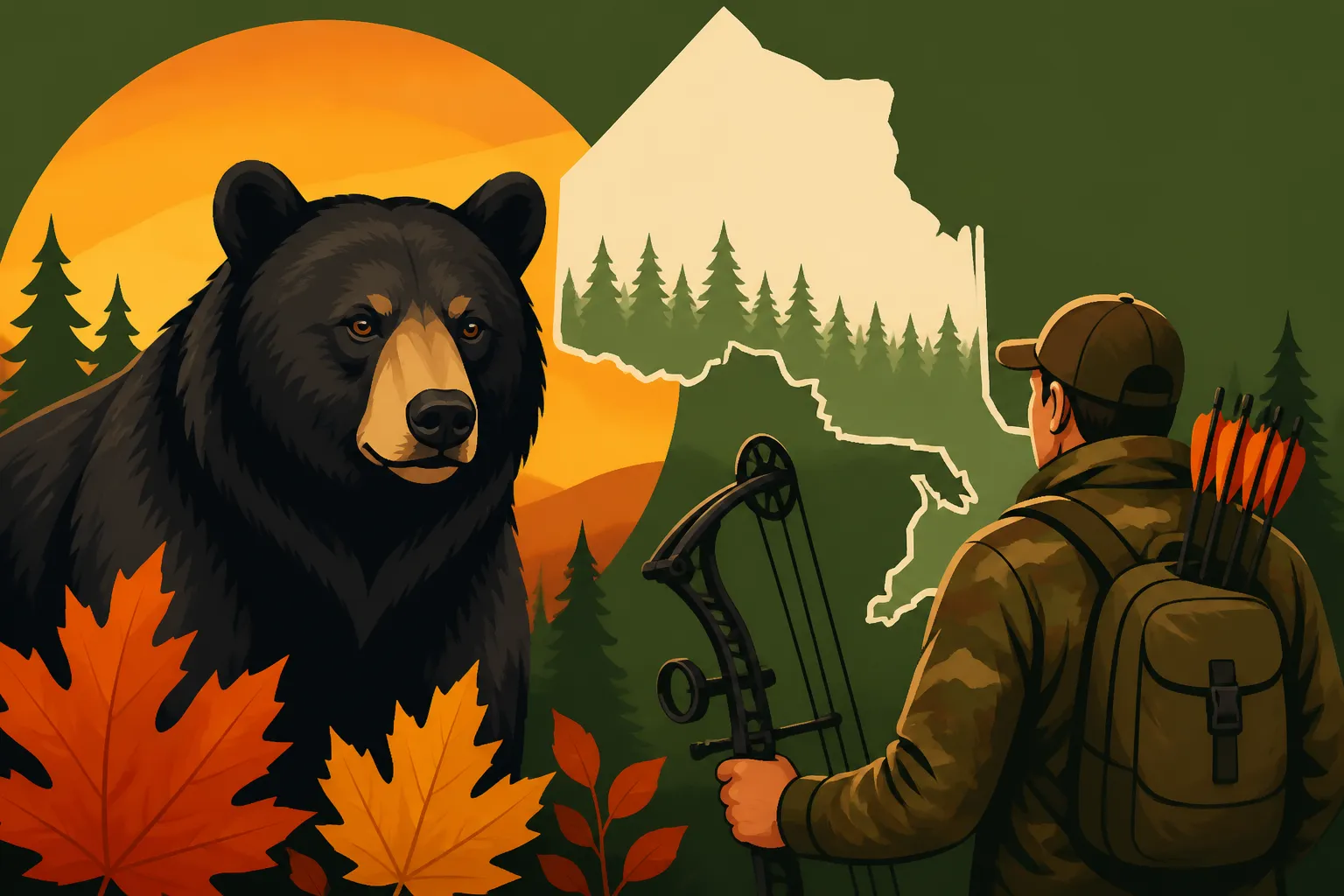
Trying to pin down the exact dates for Ontario's fall bear season can feel like a bit of a moving target, especially when you're planning a hunt and need to get all your ducks, or in this case, bears, in a row. It's not as simple as a single province-wide opening and closing, and misunderstanding these nuances can unfortunately put a damper on your hunting plans or even land you in a tricky situation. This comprehensive guide is here to unravel the complexities of Ontario's fall bear season dates, helping you understand where and when you can pursue these magnificent animals.
Understanding Ontario's Fall Bear Season Dates
Ontario's approach to black bear management is nuanced, reflecting the diverse landscapes and bear populations across the province. Unlike some species with more uniform seasons, fall bear hunting dates are specifically tailored to different regions and Wildlife Management Units (WMUs), which can make initial planning a little confusing for new and seasoned hunters alike. It’s all about balancing conservation efforts with hunting opportunities, ensuring healthy bear populations for years to come.
Why Fall is Prime Time for Bear Hunting
Fall is a particularly appealing time for many bear hunters, offering a different set of challenges and rewards compared to the spring season. As summer wanes and autumn colours begin to paint the Canadian Shield and boreal forest, bears are entering a critical phase of hyperphagia – a period of excessive eating to build up fat reserves for hibernation. This biological imperative makes them more active and often more predictable as they focus intensely on foraging. Whether it’s feeding on a bumper crop of wild berries, raiding a farmer’s oat field, or hitting a well-maintained bait site, bears are on the move and focused on food.
Furthermore, the cooler temperatures of fall make for a more comfortable hunting experience, often with fewer biting insects than the spring. The vibrant foliage provides excellent camouflage, and the possibility of early snows can reveal fresh tracks, adding another layer to the hunt. For many, a successful fall bear hunt also yields prime meat, often leaner and of excellent quality as the bears are gorging on natural foods before denning. If you're looking for an in-depth look at Black Bear Hunting in Ontario, understanding these seasonal dynamics is key.
General Fall Season Overview by Region
While the specific dates are tied to individual WMUs, Ontario can be broadly divided into regions with similar fall bear season patterns. Generally, the season is longer in the northern and central parts of the province, reflecting higher bear densities and more remote wilderness areas. Southern Ontario, with its more fragmented habitat and proximity to human settlements, often has shorter or more restricted seasons, sometimes focused on specific controlled hunts.
For most of the large expanse of Northern and Central Ontario, the fall bear season typically opens around August 15th and can run well into October or even early November. This extended period allows for diverse hunting strategies, from early-season baiting to late-season spot-and-stalk as bears prepare for denning. In parts of Southern Ontario, the season might open later, perhaps in early September, and conclude sooner, sometimes by mid-October. It’s a stark contrast that highlights the need for precise planning. For those keen on Hunting Northwestern Ontario's Big Bush, the longer seasons can mean more flexibility.
It's also worth noting that non-resident hunters have slightly different rules regarding general open seasons, primarily restricted to hunting with a licensed bear management area (BMA) operator or guide. This difference in regulation further underscores the importance of checking the specifics for your residency status and chosen hunting method.
Checking Specific WMU Dates
This is where the rubber meets the road. Because season dates are highly specific to each Wildlife Management Unit, relying on general regional knowledge just won't cut it. Each WMU has its own unique set of opening and closing dates for fall bear, often with distinctions for resident hunters versus non-resident hunters, and sometimes even specific weapon restrictions or controlled hunt validations.
To get the most accurate and up-to-date information, you absolutely must consult the current Ontario Hunting Regulations Summary. This document is the official word on all hunting seasons, limits, and regulations. You can find it online on the Ontario government’s website (usually the Ministry of Natural Resources and Forestry, or MNRF, website) or pick up a hard copy at most licence issuers.
Many hunters find digital tools incredibly helpful for this. Platforms like GoHunt provide interactive maps and up-to-date regulation overlays that can quickly show you the season dates for any given WMU. It's a fantastic way to visualize the information and make sure you're not missing any critical details before you even pack your bags. When planning your route or scouting new areas, having this information at your fingertips, perhaps even offline on your phone, is invaluable. Always double-check any third-party app information against the official government summary, though, just to be absolutely sure.
Here's a generalized overview of fall bear season date ranges by major region, but remember, these are approximate and do not replace checking the official regulations for your specific WMU:
| Region of Ontario | General Fall Bear Season Start | General Fall Bear Season End | Common Hunting Methods | Notes |
|---|---|---|---|---|
| Northern Ontario | August 15 | October 31 – November 15 | Baiting, Spot & Stalk, Calling | Longer seasons, vast Crown Land |
| Central Ontario | August 15 – September 1 | October 31 | Baiting, Spot & Stalk | Mixed forests, good access in many areas |
| Southern Ontario | September 1 – September 15 | October 15 – October 31 | Spot & Stalk, Controlled hunts, Baits | Shorter seasons, often more restrictive |
Always confirm exact dates for your specific WMU in the current Ontario Hunting Regulations Summary.
Understanding Ontario's Wildlife Management Units is the first step to successful planning, as all regulations, including season dates, bag limits, and specific rules, are tied to these geographical areas. Take the time to identify the WMU you intend to hunt in and meticulously check its specific regulations.
Preparing for Your Ontario Fall Bear Hunt
Once you've zeroed in on the exact fall bear season dates for your chosen WMU, the real fun of planning begins. Preparation is paramount for a successful and ethical bear hunt, whether you're a seasoned veteran or considering your first bear hunt. From ensuring you have the correct paperwork to understanding bear behaviour in the fall, every detail matters.
Essential Licenses and Tags
Before you even think about stepping into the woods, you need to ensure all your licensing and tagging is in order. This is non-negotiable in Ontario. Every hunter, resident or non-resident, must possess a valid Outdoors Card. This card is your identification as a hunter in Ontario and is generally valid for three calendar years. You can learn more about Ontario Hunting Licences and What They Cost through the provincial portal.
In addition to your Outdoors Card, you'll need a valid Resident Black Bear Licence or, if you're a non-resident, a Non-Resident Black Bear Licence. Non-residents also need to hunt with an outfitter or guide who holds a Bear Management Area (BMA) tag allocation, which simplifies the process of obtaining your tag. For residents, once you have your licence, you will be issued a bear tag that must be carried with you while hunting. Remember, there's also the Black Bear Validation Certificate that you'll need if you're hunting in a Bear Management Area (BMA). This certificate is critical for understanding Ontario Black Bear Rules and ensuring compliance.
Make sure all your documents are current and readily accessible. A lost or expired licence can ruin a trip faster than anything. Many hunters use digital versions of their Outdoors Card and licences on their phones, but it's always wise to carry a physical copy or at least have a clear photo of them.
What to Expect from a Fall Bear
Fall bears are generally focused on food, food, and more food. They are literally trying to pack on as many calories as possible before the long winter nap. This behaviour drives many of the successful fall hunting strategies.
- Foraging Behaviour: Look for bears in areas with abundant natural food sources. This could include stands of oak or beech producing acorns and beechnuts, blueberry or raspberry patches, or even agricultural fields like oats, corn, or apples. Bears will often spend significant time in these areas, making them prime spots for scouting and stand placement.
- Activity Levels: Early fall, especially in August and September, can still see bears active throughout the day, particularly during cooler periods or in dense cover. As temperatures drop in October, they may become more crepuscular, moving primarily at dawn and dusk. However, a particularly good food source can draw them out at any time.
- Size and Condition: Bears taken in the fall are often in excellent condition, having spent the summer and early fall fattening up. This means heavier body weights and thicker hides, which can be great for both meat and hides. Understanding What a Big Boreal Black Bear Weighs can help you appreciate the impressive size some of these animals attain.
Understanding these patterns will help you predict where bears might be and when they might be moving, informing your choice of hunting location and time.
Key Scouting and Hunting Strategies
Scouting is just as crucial, if not more so, in the fall as it is in the spring. You're looking for signs of bear activity, fresh tracks, scat, chewed logs, and especially rub trees or claw marks indicating bears are in the area.
- Baiting: For many, baiting is a highly effective fall strategy. Setting up a bait site well in advance allows bears to find it and establish a pattern of visiting. Consistency is key with baiting; refreshing your bait regularly and strategically placing trail cameras can give you invaluable insight into the bears frequenting the area. For detailed guidance, check out Baiting Black Bear in Ontario and specific tips on Setting a Bear Bait Site in Ontario. This strategy requires commitment and proper management to be ethical and successful.
- Spot and Stalk: This method is excellent for hunters who prefer to be on the move. Focus on areas with natural food sources – large clearcuts with berry bushes, old apple orchards, or along the edges of agricultural fields. Using optics to glass open areas at dawn and dusk can reveal bears feeding. This can be a challenging but highly rewarding hunt, especially in vast areas of Hunting Ontario's Crown Land.
- Still-Hunting: This involves moving slowly and deliberately through areas known to hold bears, pausing frequently to listen and observe. Dense cover, such as thick bush edges or transition zones between different habitat types, can be productive.
- Calling: While more common in spring, calling can sometimes be effective in fall, particularly with distress calls that might attract a curious bear. However, this is generally a more specialized technique for fall.
Regardless of your chosen method, pay close attention to wind direction, scent control, and having a clear shooting lane. Fall hunting often means less dense foliage, but bears still have an incredible sense of smell and hearing.
Navigating Regulations and Reporting Your Harvest
Harvesting a bear is a profound experience, and it comes with responsibilities. Ontario has clear regulations that must be followed post-harvest, from safety requirements in the field to reporting your success and ensuring legal transport of your animal.
Blaze Orange and Other Safety Requirements
Safety should always be your number one priority in the field. When bear hunting in Ontario, especially during the fall when other hunting seasons (like deer or moose) might also be open, wearing blaze orange is often a legal requirement or at least highly recommended. Specific rules vary, but generally, a certain amount of solid blaze orange (or scarlet) clothing, visible from all sides, is required when hunting big game with a firearm. This ensures you are clearly visible to other hunters and minimizes the risk of accidents. You can find more information about How Much Blaze Orange Ontario Requires in the hunting summary.
Beyond blaze orange, general hunting safety practices apply:
- Know your target and what is beyond it.
- Treat every firearm as if it were loaded.
- Keep your finger off the trigger until ready to shoot.
- Unload firearms when crossing obstacles or entering vehicles.
- Carry a first-aid kit and know how to use it.
- Inform someone of your hunting plans and expected return time.
- Use reliable navigation tools like a GPS unit, a map, and compass, and consider a satellite communication device, especially in remote areas where cell service is non-existent. Many hunters use apps like GoHunt on their phones, but a dedicated GPS is always a smart backup in the deep bush.
Mandatory Harvest Reporting and Evidence of Sex
Ontario requires hunters to report all harvested big game, including black bears. This is not just a formality; it's a critical component of wildlife management. The data collected from hunter reports helps the MNRF monitor bear populations, assess the success of management strategies, and set future seasons and limits. This is why Reporting Your Ontario Harvest is so important.
When you harvest a bear, you are generally required to report it within a specific timeframe – often within 7 days. This can usually be done online through the Fish and Wildlife Licensing Service portal or by phone. You’ll need information such as your licence number, the WMU where the bear was harvested, the date of harvest, and the sex of the animal.
Evidence of Sex: For black bears, specific rules apply to ensuring that the sex of the animal can be determined if inspected by a conservation officer. This usually means that either the skull or the reproductive organs must remain naturally attached to the hide or carcass until the animal is processed at your residence or at a meat processor. This rule is in place to allow verification of your harvest and ensure adherence to regulations, as in some situations, shooting a sow with cubs might be prohibited. Always refer to the current regulations for the precise requirements for evidence of sex.
Transporting Your Bear in Ontario
Once your bear is harvested, properly handled, and reported, you need to transport it. This process also has specific regulations to ensure the legal movement of game.
- Tagging: Immediately after harvest, you must notch your bear tag correctly to indicate the date of kill and securely attach it to the carcass as specified in the regulations. This tag must remain attached during transport.
- Proof of Sex: As mentioned, ensure that evidence of sex remains attached until processing.
- Cooling and Preservation: Especially during warmer early fall days, proper field dressing and cooling of the carcass are essential to preserve the meat and hide. This might involve skinning and quartering the animal in the field, especially for larger bears, and then cooling the meat quickly. Learn more about Meat Care in Ontario's Warm Early Seasons.
- Interprovincial/International Transport: If you are taking your bear out of province or back to the United States, there are additional requirements. For non-residents, you will need an export permit from the MNRF. You'll also need to be aware of regulations concerning the importation of game into your home state or province, which may include specific inspection requirements. Make sure you understand Transporting Game Meat in Ontario and any cross-border regulations well in advance of your trip. The last thing you want is a hiccup at the border with your hard-earned trophy.
Always ensure your vehicle is capable of safely and cleanly transporting the harvested animal. Having a robust truck bed liner, tarps, and perhaps even a cooler with ice (for meat) can make a huge difference in the condition of your bear upon arrival at its final destination.
Disclaimer
The information provided in this guide is for general informational purposes only and is not a substitute for the official Ontario Hunting Regulations Summary. Hunting regulations can change, and it is the hunter's responsibility to review the current summary issued by the Ontario Ministry of Natural Resources and Forestry (MNRF) or its successor body before engaging in any hunting activity. Always confirm specific season dates, bag limits, and legal requirements for your chosen Wildlife Management Unit (WMU) directly from official government sources.