Applying for a Bull Versus Cow Tag
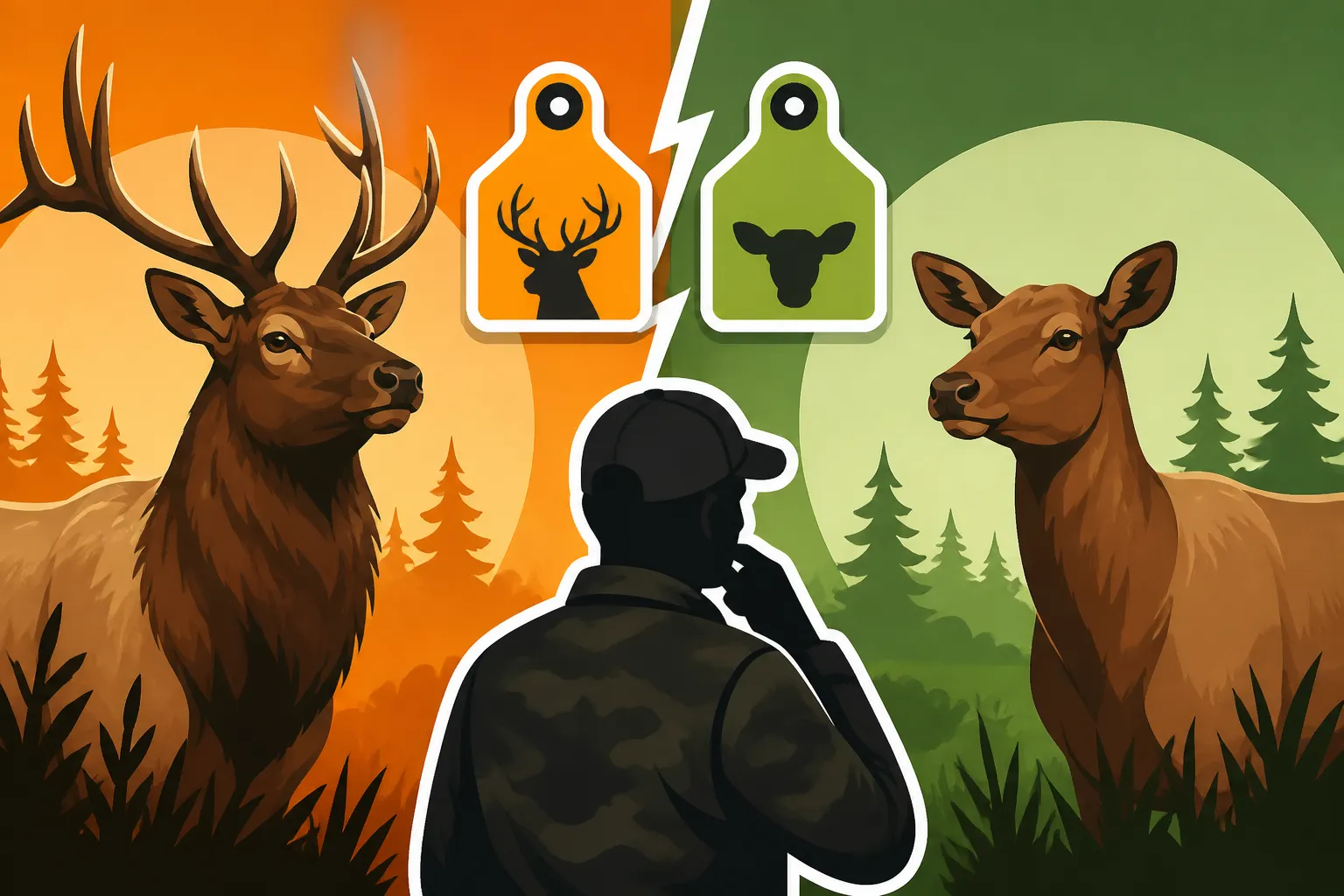
Navigating Ontario's moose tag application process can feel like an annual test of patience and strategy, especially when you're trying to decide between pursuing that majestic bull or the equally valuable cow. Many hunters find themselves weighing the dream of a trophy against the higher odds of simply getting a tag in hand. This guide will walk you through the nuances of applying for bull versus cow moose tags in Ontario, helping you understand the implications of each choice and how to maximize your chances for success.
Understanding Ontario's Moose Tag System
The Ontario moose tag system is, for many, a complex beast that demands careful attention each year. It’s not just about putting your name in a hat; it’s about understanding population dynamics, draw odds, and the strategic accumulation of points. Hunters often feel a mix of excitement and trepidation as the application window approaches, knowing that their choices will dictate their potential for a moose hunt for the upcoming season.
The Basics of Moose Tags
At its core, Ontario manages its moose population through a controlled allocation system. This means there's a finite number of tags available each year, distributed across different Wildlife Management Units (WMUs). These tags are divided into categories: bull (antlered moose), cow (antlerless moose), and calf. The province relies on this system to ensure sustainable harvesting and maintain healthy moose populations. For many resident hunters, securing a tag is the first, most crucial step in their annual moose hunting journey. The demand almost always outstrips supply, which is where the strategic thinking truly comes into play.
The Primary and Second Chance Draws
The application process unfolds in two main stages, each offering a different set of opportunities. First, there’s the primary allocation stage, where most tags are distributed. This is where your accumulated points, if you have any, really matter. Hunters submit their applications, ranking their preferred WMUs and tag types (bull, cow, or calf). It’s a high-stakes lottery, and many experienced hunters meticulously analyze the Ontario Moose Draw Odds by WMU before making their choices. If you're successful in the primary draw, congratulations! You're one step closer to a hunt.
However, if you're not drawn in the primary round, don't despair just yet. Ontario offers a second chance allocation. This stage distributes any remaining tags that weren't claimed or were initially unallocated. While the selection might be more limited, it still presents a viable opportunity for hunters who were unsuccessful in the first round. The key difference here is that points are generally not a factor in the second chance; it's more of a first-come, first-served scenario once the application period opens, often selling out quickly. Understanding The Second Chance Moose Allocation process and its timeline is crucial for those hoping to pick up an extra tag or secure one after the primary draw.
Bull Tags: The Coveted Antlered Opportunity
For many, the image of moose hunting is synonymous with pursuing a massive bull, its rack glistening in the northern sun. There’s an undeniable allure to harvesting an antlered moose, both for the challenge it presents and the impressive trophy it represents. This pursuit often drives application strategies, even though it comes with significantly higher competition.
Why Hunters Prioritize Bull Tags
Let's be honest, who doesn't dream of packing out a set of antlers that could barely fit through the bush? The pursuit of a bull moose is often seen as the ultimate test of a hunter's skill and perseverance. The sheer size of an animal like that – a mature bull can easily tip the scales well over 1,000 pounds, with some of What a Big Bull Moose Weighs making for legendary tales – makes it a formidable quarry. Beyond the size, the challenge of locating, calling, and effectively harvesting a bull, especially during When Ontario's Moose Rut Peaks when they are most active, is a deeply rewarding experience. For many, it's a lifetime goal, and the thought of securing a bull tag drives their participation in the draw year after year. The social aspect of sharing photos and stories of a successful bull hunt also plays a significant role in this preference.
Strategies for Drawing a Bull Tag
Because bull tags are so highly sought after, drawing one requires a blend of luck, patience, and often, strategic planning. The primary factor is your accumulated points. Ontario operates a points system where you earn a point each year you apply and are unsuccessful in the primary draw. The more points you have, the better your odds. This can mean waiting many years, sometimes a decade or more, to draw in the most popular WMUs. Many hunters focus on building up points for specific high-demand units known for producing impressive bulls. To understand this better, it's worth reviewing How Ontario Moose Points Accumulate and how they factor into the draw.
Another strategy involves choosing WMUs that have slightly lower point requirements but still offer good bull hunting opportunities. This might mean foregoing the "premier" units for a chance at an earlier tag. Many hunters analyze draw statistics, often available through platforms like GoHunt, to identify WMUs where their current point total might be competitive. It’s a delicate balance between ambition and realism. If you're part of a larger group, combining points through an Ontario Group Moose Tag Rules application can sometimes pool resources, but also means sharing the eventual tag. Ultimately, drawing a bull tag is a long-term game for most, requiring consistent application and a deep understanding of the odds.
Cow Tags: A Vital Management Tool
While bull tags might capture the headlines, cow tags are an incredibly important component of Ontario's moose management strategy and offer a more accessible hunting opportunity for many. They might not come with the massive rack, but they provide excellent table fare and a genuine hunting experience.
The Role of Cow Tags in Moose Management
Cow moose tags are more than just a "consolation prize" for not drawing a bull tag; they are a critical tool for wildlife management. The harvest of cow moose helps to regulate population growth, especially in areas where moose numbers are thriving or need to be stabilized. By allowing hunters to take cow moose, the province can manage herd health, prevent overgrazing of habitat, and ensure a balanced sex ratio within the population. It’s a vital part of the overall Ontario's Moose Tag Allocation Process that ensures the long-term sustainability of the species.
For the hunter, a cow tag often represents a chance to fill the freezer with delicious wild game. While it may lack the immediate "trophy" appeal of a bull, the meat yield from a cow moose is substantial, providing families with healthy, organic protein for months. It's a practical and rewarding hunt that emphasizes the sustenance aspect of hunting, which is a core value for many outdoorspeople.
Increasing Your Odds with Cow Tags
Given their role in population management, cow tags are generally less competitive to draw than bull tags. This is often reflected in lower point requirements for successful draws in most WMUs. For hunters who are eager to get out into the bush and hunt moose sooner rather than later, applying for a cow tag can significantly increase their odds of success. Many families and new hunters opt for cow tags to gain valuable experience and enjoy the thrill of a moose hunt without the pressure of a multi-year wait.
The strategy here often involves applying in WMUs with consistently lower point ceilings for cow tags or even applying for calf tags, which are even less competitive. While a cow tag still represents a significant hunting opportunity, some hunters even choose to focus on Hunting Calf Moose Without a Bull Tag if their primary goal is just to put some meat in the freezer and experience the hunt. Analyzing past draw results and paying attention to WMU-specific point trends, potentially with assistance from tools like GoHunt, can reveal units where cow tags are a much more realistic option. This approach allows hunters to participate in the moose season more frequently, building their skills and knowledge of moose behaviour.
Navigating the Application Process for Both
Once you understand the distinction and strategic value of bull versus cow tags, the next step is to confidently navigate the actual application process. This is where your research and planning really pay off.
Making Your Application Choices
When the application window for When Primary Moose Applications Open rolls around, you'll need to make some critical decisions. You'll log into your iHunter account or the Ontario hunting licence portal and select your preferred WMUs and tag types. You can typically rank up to three choices. This is where your strategy comes into play:
- Preference 1: Do you go for the dream bull tag in a high-point WMU, knowing it’s a long shot but worth the shot? Or do you prioritize a cow tag in a unit where you know your points are strong?
- Preferences 2 & 3: These are often used as "safety nets." Many hunters will put a slightly less competitive WMU or a cow tag as their second or third choice to increase their overall chances of drawing any tag. It’s a balancing act between aspiration and practicality. For instance, if your first choice is a bull in a highly sought-after area, your second and third might be a cow tag in a more accessible WMU to ensure you don't go tag-less.
Remember, if you draw a tag, your points reset. This crucial detail is explained further in When Claiming a Tag Resets Your Points. This means a successful draw, even for a cow tag, sends you back to zero points for future applications. This is why some hunters with many points might strategically apply for bull tags in WMUs where they are just competitive, hoping to use their points efficiently rather than "wasting" them on an easily drawn cow tag if their ultimate goal is a bull.
Utilizing Tools Like GoHunt
In today’s digital age, hunters have access to incredible resources to help inform their decisions. Gone are the days of guessing; now, data-driven analysis is readily available. Many hunters rely on platforms such as GoHunt, which specialize in breaking down draw odds, historical data, and point trends across various WMUs. These tools can be invaluable when you're trying to decide between a bull or a cow tag, or which WMU to prioritize.
For example, GoHunt might show you that while a bull tag in WMU 15A typically requires 10+ points, a cow tag in the same unit might be drawn with only 3-4 points. Or, it could highlight a less-known WMU that has surprisingly good odds for a bull tag given its lower point requirements. These insights allow you to move beyond anecdotal evidence and make truly informed choices, maximizing your chances of securing a tag that aligns with your hunting goals. They can also help you understand Which Ontario WMUs Need the Most Points and which ones might be more within reach.
It’s worth the time to do your homework and utilize these resources. The investment in understanding the data can dramatically increase your chances of securing a tag and ultimately, enjoying a successful moose hunt in Ontario.
Comparison of Bull vs. Cow Tag Applications
To help summarize the differences and considerations when applying for a bull versus a cow tag, here’s a quick overview:
| Feature | Bull Tag Application | Cow Tag Application |
|---|---|---|
| Primary Goal | Trophy animal, challenging hunt, larger antlers | Meat for the freezer, general hunting experience, population management |
| Competition | High | Moderate to Low |
| Point Requirement | Typically High (especially in popular WMUs) | Often Lower (more accessible for fewer points) |
| Draw Odds | Lower | Higher |
| Meat Yield | Very High (often 800-1200+ lbs live weight) | High (often 600-1000 lbs live weight) |
| Management Role | Sustainable harvest of mature males | Population control, herd health, balanced sex ratios |
| Hunter Experience | Often sought by experienced hunters with specific trophy goals | Great for new hunters, families, or those prioritizing meat |
| Strategic Use | Can be a long-term goal, using accumulated points | Excellent for increasing annual hunting opportunities |
Disclaimer
The information provided in this guide is for general informational purposes only and does not constitute legal advice. Hunting regulations, season dates, and tag allocation processes in Ontario are subject to change. Always consult the official Ontario Hunting Regulations Summary and the Ministry of Natural Resources and Forestry (MNRF) website for the most current and accurate information before planning any hunting activity.