When Second Chance Results Are Posted
That nail-biting wait for draw results can feel like an eternity, especially when you've got your heart set on an Ontario moose hunt. After the initial rush of the primary draw, many of us find ourselves holding our breath for the Second Chance Moose Tag Allocation. This guide is here to shed some light on when those crucial Second Chance results are typically posted, what to expect, and how to navigate the period leading up to and immediately after.
Understanding the Ontario Moose Tag Allocation Process
For many of us who dream of chasing a bull or cow moose through Ontario's vast wilderness, the tag allocation process is a critical part of the year. It's a system designed to manage moose populations and distribute hunting opportunities fairly across the province's many Wildlife Management Units (WMUs). But let's be honest, "fair" often feels like "frustrating" when you're waiting on pins and needles.
A Brief Overview of the Primary and Second Chance Draws
The journey to securing a moose tag in Ontario begins with the Primary Moose Allocation Stage. This is where most of the tags are distributed. Hunters, often in groups, apply for specific WMUs and tag types (bull, cow, calf). If you've been building up those moose points, this is where they really come into play, offering a better chance at drawing a highly sought-after tag. You can dive deeper into How Ontario Moose Points Accumulate to understand how that system works.
However, not everyone draws in the primary stage. Sometimes groups disband, tags go unclaimed, or certain WMUs just don't see as much interest as others. That's where the Second Chance Moose Allocation swoops in, offering a glimmer of hope to those who were unsuccessful in the first round, or for new applicants looking for a last-minute opportunity. It's a chance to apply for any remaining tags, often in WMUs that might be a bit more remote or less popular, but still offer fantastic hunting experiences. This stage is crucial because it ensures that as many available tags as possible are put into the hands of eager hunters.
Why Second Chance Results Matter So Much
Receiving your Second Chance results can quite literally make or break your hunting season. For some, it's the only shot they have at a moose tag for the year. Imagine you've spent months discussing Calling Moose in Ontario's Boreal Forest with your hunting buddies, poured over maps of potential hunt areas, and even started stocking up on specialized gear, only to miss out in the primary draw. The Second Chance becomes everything.
These results dictate your entire fall planning: which WMU you'll focus on, coordinating with your hunt party, booking time off work, and even deciding on a camp. A successful draw means shifting from hopeful dreaming to concrete action. It means you can finally start planning the specific logistics, like where you'll be Hunting Moose Around an Ontario Beaver Pond or scouting new areas. Conversely, an unsuccessful result means a re-evaluation of plans, perhaps focusing on other species like Black Bear Hunting in Ontario or White-Tailed Deer Across Ontario, or even looking into joining a group that still has an available tag. The emotional investment in these draws is huge, and the results carry significant weight for every dedicated hunter.
The Anticipated Timeline for Second Chance Results
Knowing when to expect those crucial Second Chance results is often the biggest source of anxiety for hunters. It feels like the provincial government keeps us on our toes, and while there's no single, unchangeable date set in stone, there is a general window we can all look to.
When to Expect Those Emails and Portal Updates
Historically, and as per current information from the Ministry of Natural Resources and Forestry (MNRF), Second Chance moose allocation results are generally posted in late July to early August. This isn't a precise day, which can be frustrating, but it gives us a two to three-week window to keep our eyes peeled.
What does "posted" actually mean in today's digital age? Well, you'll typically receive an email notification if you applied online, informing you that your results are available. However, many seasoned hunters don't wait for the email. They'll be refreshing the official Ontario hunting portal – the same one where you applied – multiple times a day during that late July/early August timeframe. The results will be visible directly in your account. Sometimes, the portal updates a few hours or even a day before the emails start trickling out. So, if you're truly eager, keep that portal tab open!
Navigating the Waiting Period and Staying Informed
The waiting period can be a real test of patience. It’s easy to get caught up in the rumor mill or succumb to "refresh fatigue." My advice? Try to distract yourself, but keep a gentle eye on official channels. Don't fall for speculative social media posts about results being out unless they link directly to the official government portal.
One way to stay on top of things without driving yourself crazy is to set up a system. Maybe check the portal once in the morning and once in the evening. Or, if you're using a planning tool like GoHunt, they often aggregate this kind of information or send out notifications when official announcements are made, which can save you a lot of manual refreshing. You can also sign up for official MNRF newsletters or follow their social media accounts, as they sometimes provide updates on result timelines. Remember, the key is reliable information.
Here’s a quick overview of the typical moose draw timeline to help you keep track:
| Stage | Typical Application Period | Typical Results Posting Period | What Happens |
|---|---|---|---|
| Primary Allocation | April 15 – May 10 | Late June / Early July | Most tags are allocated based on points and WMU choices. |
| Second Chance Allocation | Late July | Late July / Early August | Remaining or unclaimed tags are offered; often no points required. |
| Tag Claiming Period | Varies by draw, usually 2-3 weeks post-results | Successful applicants must claim and pay for their tags by a deadline. | |
| Hunting Season | Mid-September to Mid-November (WMU dependent) | The actual hunt! |
Note: These dates are approximate and can vary slightly year to year. Always refer to the official Ontario Hunting Regulations Summary for the most current information.
What to Do Once Your Second Chance Results Are In
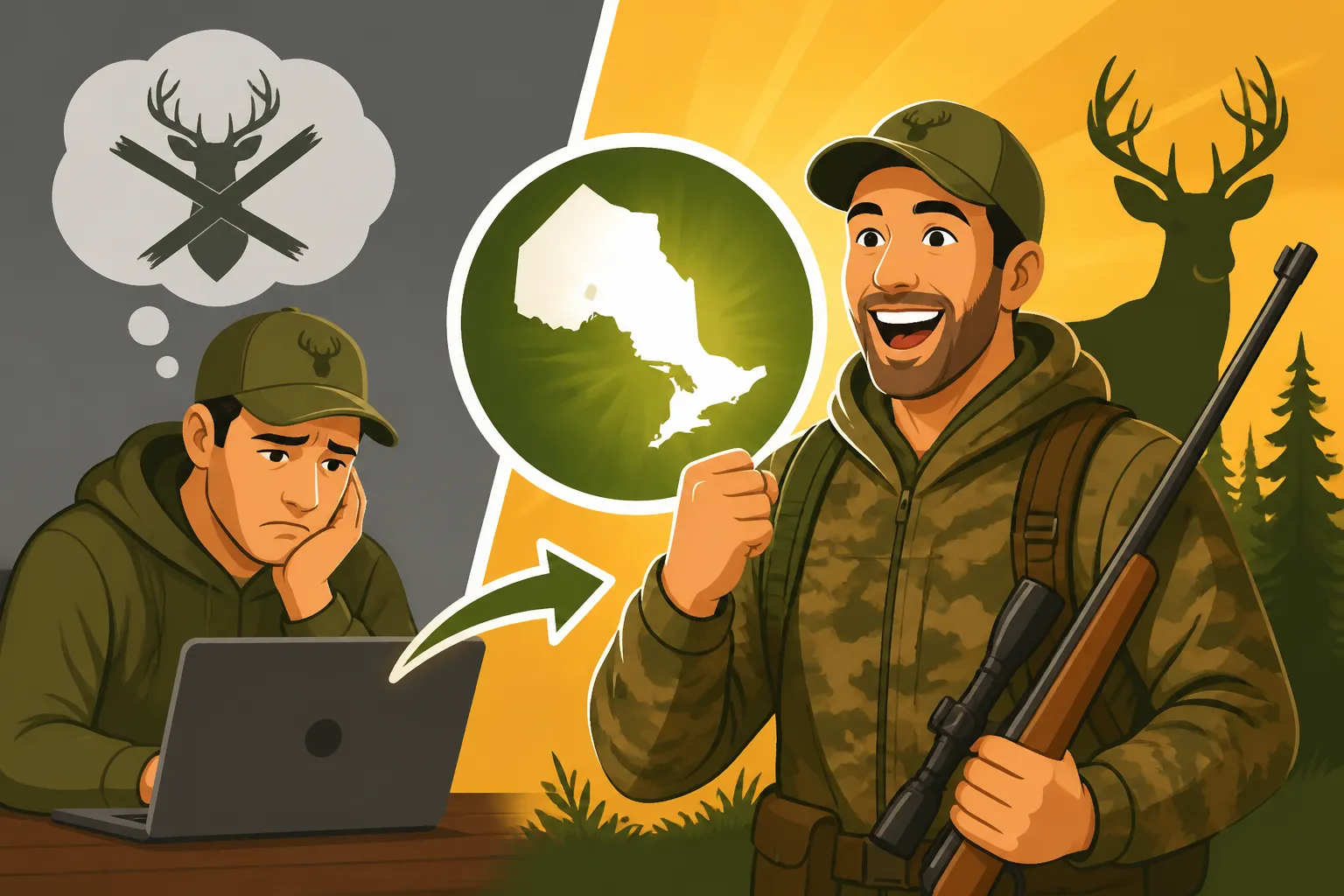
The moment of truth arrives! Whether you see "Successful" or "Unsuccessful" pop up on your screen, there are immediate next steps to take. It's a rollercoaster of emotions, but having a plan helps you move forward decisively.
Confirming Your Allocation and Next Steps
If you're one of the lucky ones and the portal shows a successful Second Chance draw, congratulations! Take a moment to celebrate, then get to business. First, carefully review the details of your allocated tag:
- WMU: Confirm the Wildlife Management Unit you've drawn for. This is critical for planning your hunt.
- Tag Type: Is it a bull, cow, or calf tag? Make sure it's what you applied for or what your group needs.
- Validation Number: Note any specific numbers or codes associated with your tag.
The most important next step is to claim your tag. There will be a specific deadline by which you must pay for and claim your tag through the same online portal. Miss this deadline, and your tag will be forfeited, often without a refund for any application fees. Don't let that happen! Pay promptly. This is a common mistake I've seen happen over the years, and it's easily avoidable.
Once claimed, print a copy of your tag confirmation or ensure it's easily accessible on your phone, as you would with your Ontario Hunting Licences and What They Cost or Ontario's Outdoors Card Explained. This officially brings your moose hunt into reality, and you can officially start planning more concretely.
If You Weren't Successful This Time Around
It's tough, I know. You've held out hope, perhaps for weeks, and the news isn't what you wanted. First, don't dwell on it. It happens to the best of us, and it's part of the draw system. Your moose points will still accumulate, putting you in a better position for future draws. You can learn more about The Primary Moose Allocation Stage and how it sets you up for the next year.
But an unsuccessful draw doesn't necessarily mean your hunting season is over. Here are some alternatives:
- Join another group: Sometimes, existing moose hunt groups might have a member drop out or have an extra tag they were hoping to fill. Reach out to your network! There might be an opportunity to still go along, even if you're not the primary tag holder.
- Focus on other species: Ontario offers incredible hunting for other big game like deer and bear. Perhaps this is the year to really dedicate yourself to Bowhunting Ontario's Long Archery Season for whitetails or try your hand at Hunting a Fall Bear Bait in September. There are fantastic opportunities for Small Game Hunting in Ontario as well, which can be a great way to stay active in the woods.
- Scouting and learning: Use this year to become an even better hunter. Spend time scouting for next season, learning new areas, or practicing your calls. This non-hunting year can make you a more prepared and successful hunter in the long run. Even just Reading Sign After a Fresh Snow can be invaluable practice.
- Apply for a calf tag next year: While you didn't draw a bull or cow tag this time, perhaps next year you could consider applying for a calf tag. They require fewer points and are a great way to get some meat in the freezer and gain valuable moose hunting experience.
Planning Your Hunt Based on Your New Tag
For those who drew a Second Chance tag, the real work (and fun!) begins. With your WMU and tag type confirmed, it’s time to finalize those hunt plans.
- Map Reconnaissance: Get out those detailed maps, whether paper or digital like onX. Identify potential access points, old logging roads, clear cuts, water bodies, and areas with good cover. If you haven't already, now's the time to start Scouting With Satellite Imagery in Ontario.
- Gear Check: Go through all your hunting gear. Is your rifle sighted in? Are your boots waterproof? Do you have enough layers for potentially cold, wet conditions in the boreal forest? You'll be spending a lot of time in the bush, so reliable gear is paramount.
- Group Coordination: If you're part of a hunt party, finalize roles, responsibilities, and specific dates. Discuss strategies for Hunting Moose From a Boat or Canoe or setting up camp. Ensure everyone understands the rules, including Ontario Tag Notching and Attachment Rules and Evidence of Sex Requirements.
- Physical Preparation: Moose hunting in Ontario's bush can be physically demanding. Start getting into shape. Long hikes, packing heavy gear, and potentially dragging or quartering an animal are all part of the experience. Thinking about Quartering a Moose Alone in the Bush when you're 5 miles deep can be daunting, so physical fitness is key.
- Travel and Logistics: Book accommodations if needed, arrange transportation, and sort out food supplies. If you're heading deep into northern Ontario, consider what you'll need for a Truck Kit for a Northern Ontario Hunt and what to do If You Get Turned Around.
Getting those Second Chance results is a pivotal moment. Whether it's a "yes" or a "no," having a clear understanding of the process and your next steps will help you maximize your Ontario hunting season, whatever form it takes.
Disclaimer
Please remember that hunting regulations, season dates, and allocation processes in Ontario are subject to change. Always consult the most current official Ontario Hunting Regulations Summary, available from the Ministry of Natural Resources and Forestry (MNRF), before planning and undertaking any hunting activities. This guide provides general information and should not be considered a substitute for official government publications.