Ontario’s Outdoors Card Explained
It’s a common scenario for many of us: you’ve meticulously planned your hunt, scoped out your ideal Hunting Ontario's Crown Land spot, and even dreamed of that perfect shot, only to be hit with a wave of anxiety about whether you have all your paperwork in order. The labyrinth of licences, tags, and validations can feel overwhelming, especially for newcomers or those returning after a hiatus. This guide is here to untangle the mystery of Ontario’s Outdoors Card, your essential first step to legally and confidently pursuing your passion in our province’s incredible wild spaces.
The Outdoors Card: Your Mandatory Key to Hunting in Ontario
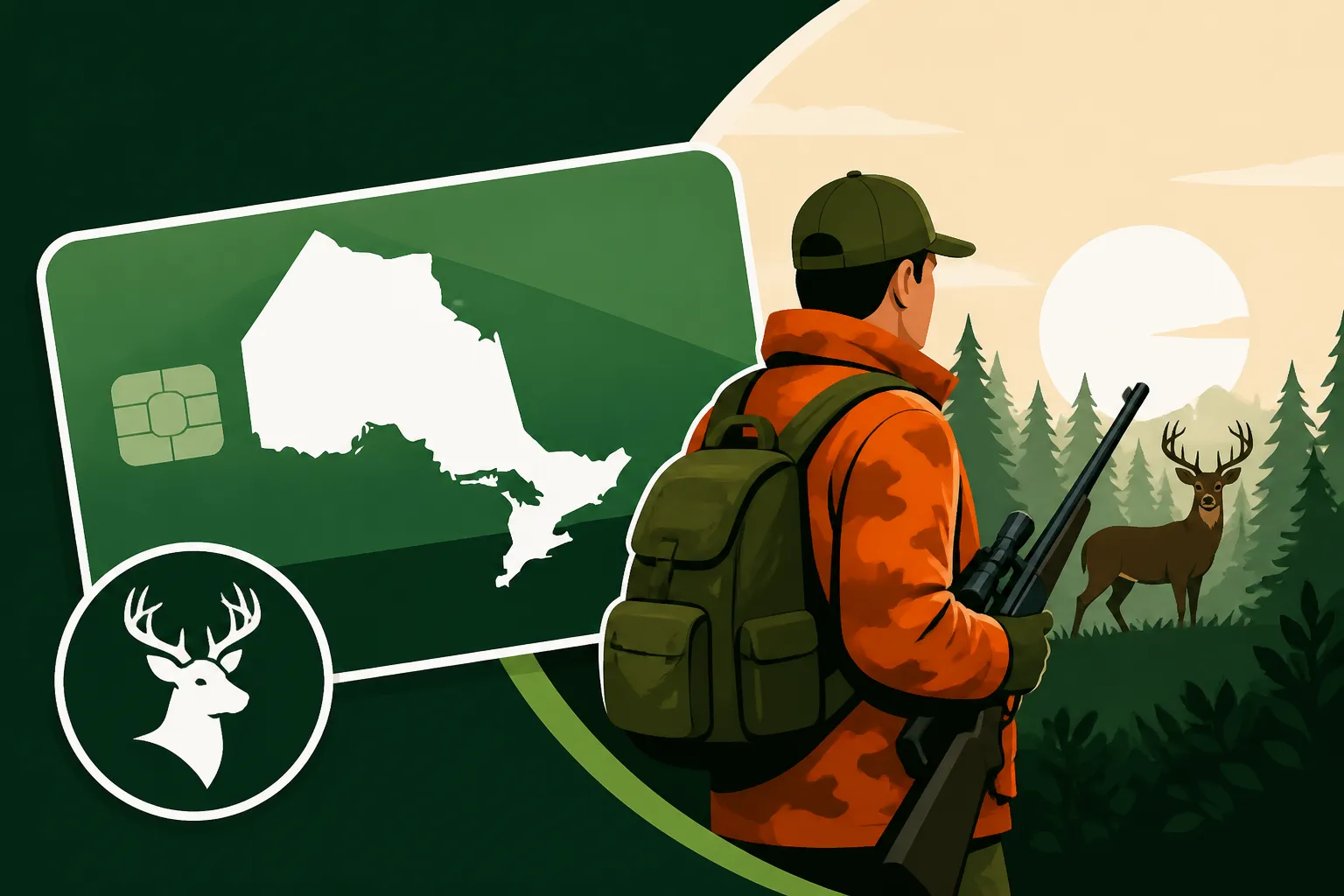
Think of the Ontario Outdoors Card not just as another piece of plastic in your wallet, but as your official passport to participating in hunting and fishing activities across the province. Without it, you simply cannot purchase any hunting or fishing licences in Ontario. It's the cornerstone of the province's licensing system, a unique identifier that ties all your qualifications, past harvests, and current permits together under one umbrella. Trying to navigate hunting without a valid Outdoors Card is like trying to drive without a driver's licence – it just won't work, and you'll find yourself on the wrong side of the law.
More Than Just a Piece of Plastic
While it might look unassuming, your Outdoors Card holds a lot of weight. It's your official proof that you've met the fundamental eligibility requirements to hunt or fish in Ontario. This includes demonstrating that you've completed the necessary hunter education courses, which are crucial for ensuring safety and ethical practices in the field. Every time you purchase a hunting licence, a deer tag, or apply for something like the Ontario's Moose Tag Allocation Process, that purchase is linked directly to your unique Outdoors Card number. This integration streamlines the entire process, making it easier for both hunters and the provincial government to manage and track participation. It helps confirm you’re a legitimate, qualified hunter, not just someone randomly picking up a tag.
The Foundation of Your Hunting Profile
Your Outdoors Card essentially creates your permanent hunter profile within the Ontario Ministry of Natural Resources and Forestry (MNRF) system. This profile tracks your hunting history, including any licences you've purchased, tags you've applied for, and even your mandatory harvest reporting data. This isn't just bureaucratic red tape; it's a vital tool for wildlife management. By having a centralized system, the province can better understand hunting pressure, success rates, and overall participation, which in turn informs future season setting, tag allocations, and conservation strategies. For you, it means a consolidated record of your hunting journey, easily accessible online or through official channels when you need to check past licence details or confirm your eligibility for future hunts. It's truly the backbone of your entire hunting identity in Ontario, so keeping it current and accurate is paramount.
Why Every Hunter Needs One
The requirement for an Outdoors Card applies to almost every hunter, regardless of what species they pursue or where they hunt. Whether you're chasing whitetails in southern Ontario, calling moose in the boreal forest, or setting up for waterfowl on the Great Lakes, that little card is non-negotiable. It’s mandated by provincial regulations, ensuring a consistent and controlled approach to who can participate in these activities. Beyond the legal necessity, the fees associated with the Outdoors Card, and subsequently the licences purchased through it, contribute directly to crucial wildlife management and conservation programs. These funds support habitat restoration, species monitoring, enforcement efforts, and hunter education initiatives, all of which benefit the very resources we cherish. So, while it's a permit to participate, it's also a direct contribution to the health and future of Ontario's wildlife and wild places.
Who Needs an Outdoors Card and How to Qualify
The question of "who needs an Outdoors Card" might seem straightforward, but there are nuances for residents, non-residents, and even specific situations like youth hunting. Generally, anyone over the age of 16, whether an Ontario resident or a visitor, who wishes to hunt or fish in the province must possess a valid Outdoors Card. This rule is put in place to ensure a foundational level of accountability and qualification for everyone participating in these activities.
Resident and Non-Resident Requirements
For Ontario residents, obtaining an Outdoors Card is a standard part of becoming a hunter. You'll need to demonstrate proof of residency in Ontario, which typically means providing documents like a valid Ontario driver's licence or a utility bill with your current address. Once you have your Outdoors Card, you'll then be able to purchase Ontario Resident Licence Options for various game species.
Non-residents, on the other hand, also require an Outdoors Card, but their path to obtaining one involves slightly different documentation. They typically need to provide proof of prior hunting experience or certification from their home jurisdiction that is recognized by Ontario. For instance, if you're coming up from the United States, your state's hunter education card or a previous hunting licence from home usually suffices to prove your competency. Without this, a non-resident might need to take the Ontario Hunter Education Course. Once they have their Outdoors Card, they can then purchase Ontario Non-Resident Licence Options which often come with different fee structures and sometimes specific tag allocations. The system is designed to welcome visitors while ensuring everyone meets Ontario's safety and ethical standards.
Hunter Education: The First Step
For most new hunters, the very first and most critical step before even thinking about an Outdoors Card is completing a mandatory Hunter Education Course. This isn't just about passing a test; it's about instilling the knowledge, skills, and ethical understanding necessary to be a responsible hunter. The course covers everything from firearm safety, wildlife identification, and conservation principles to provincial regulations, field dressing, and survival techniques. It's an immersive experience designed to prepare you for the realities of hunting in Ontario. Without successful completion of this course and the Canadian Firearms Safety Course (CFSC) if you plan on using a firearm, you simply cannot get your first Outdoors Card. This requirement, as detailed in guides like Who Needs the Ontario Hunter Education Course, is a fundamental aspect of hunter safety in the province, ensuring that every individual entering the woods with a hunting implement has a baseline of knowledge and respect for wildlife and public safety.
Exemptions and Special Cases
While the Outdoors Card is largely universal, there are a few specific exemptions and special considerations worth noting. Youth hunters, for example, under the age of 16, do not require an Outdoors Card if they are hunting under the direct supervision of a licensed adult mentor. This allows younger enthusiasts to experience hunting safely and gain practical experience before they are legally required to obtain their own card and licences. The Ontario Apprentice Hunter program is another fantastic initiative, allowing new hunters aged 12 and older to gain hands-on experience under the guidance of an experienced mentor before they've completed all their own hunter education requirements. However, once a youth or apprentice hunter turns 16, they must obtain their own Outdoors Card and relevant licences to continue hunting independently. Additionally, Indigenous peoples with Treaty hunting rights are often exempt from needing an Outdoors Card and provincial licences, operating under their inherent rights and specific community regulations, which are separate from the general provincial licensing system.
Navigating the Application Process for Your Outdoors Card
So, you’ve done your research, maybe even taken your hunter education course, and now you’re ready to get your Outdoors Card. The process is designed to be accessible, primarily through the user-friendly online Fish and Wildlife Licensing Service (FWLS), but also with in-person options for those who prefer them or face digital barriers. It's generally a smooth process, but having your ducks in a row beforehand makes it even quicker.
Applying Online Through the FWLS
The most convenient and increasingly popular method for obtaining your Outdoors Card is through the Ontario Fish and Wildlife Licensing Service (FWLS) website. This online portal is your one-stop shop for everything from purchasing licences to applying for draws and, of course, getting your initial Outdoors Card or renewing an existing one. The system is fairly intuitive: you'll create an account, enter your personal details, and then select the option to apply for an Outdoors Card. You'll be prompted to provide information about your hunter education certification (if applicable) and confirm your residency.
One of the great features is that once you complete the application and payment, you'll often receive a temporary Outdoors Card immediately via email, which you can print and use while you wait for your physical card to arrive in the mail. This means you don't have to put your hunting plans on hold! Many hunters appreciate the simplicity and speed of the online system, allowing them to manage their hunting profile from the comfort of their home, especially if they are using a planning tool like GoHunt to research their next adventure and need to quickly confirm their licensing status.
In-Person Application Options
While the online portal is fantastic, not everyone prefers or has access to digital services. For those individuals, applying in person is still a viable option. You can visit a ServiceOntario centre or an authorized private licence issuer. These locations are equipped to help you through the application process. You'll need to bring all your supporting documentation with you – think proof of identity, residency, and your hunter education certificates. The staff at these locations are usually very helpful and can guide you through each step, ensuring all information is correctly entered. This personal touch can be particularly reassuring for first-time applicants who might have questions or need a bit more assistance. They'll process your application, take payment, and often provide you with a paper interim licence on the spot, valid until your official card arrives.
Essential Documentation and Information
To ensure a smooth application process, whether online or in person, it's crucial to have all your necessary documentation readily available. Here's a quick rundown of what you'll typically need:
- Proof of Identity: A valid government-issued photo ID such as an Ontario driver's licence, passport, or provincial ID card.
- Proof of Residency: If you're an Ontario resident, you'll need documents that confirm your current address, such as a driver's licence, a recent utility bill, or a property tax statement. Non-residents will need appropriate ID from their home jurisdiction.
- Hunter Education Certification: For your first Outdoors Card, you'll absolutely need your Ontario Hunter Education Course report card or recognized equivalent from another jurisdiction. This is paramount for proving you've met the safety requirements. If you're planning on using a firearm, your Possession and Acquisition Licence (PAL) is also essential.
- Payment Method: Be ready with a credit card for online applications or cash/debit/credit for in-person services.
Having these documents organized before you start will prevent delays and ensure your Outdoors Card application is processed efficiently, getting you one step closer to your next hunt.
Keeping Your Card Current: Renewals and Updates
Just like your driver's licence, your Outdoors Card isn't a one-and-done deal. It has a validity period, and staying on top of its expiration date is critical to avoid any interruptions in your hunting seasons. Missing a renewal can mean being unable to purchase licences or tags when you need them most, which is a frustration no hunter wants to deal with.
Understanding the Five-Year Validity Period
An Ontario Outdoors Card is typically valid for five years from its date of issue. This means it’s not an annual renewal, which can sometimes lead hunters to forget about it until it’s too late. It’s a good practice to make a note of your expiry date, perhaps set a reminder in your phone or on your calendar, so you're not caught off guard. Imagine planning your big deer hunt for Hunting Ontario's November Gun Season only to realize your Outdoors Card expired in October – a total headache! The five-year cycle is designed for convenience, reducing the frequency of administrative tasks, but it also places the onus on the individual hunter to monitor their card's status. Details on How Long an Outdoors Card Stays Valid are consistently available through the MNRF website, making it easy to double-check.
The Seamless Renewal Process
Thankfully, renewing your Outdoors Card is usually even simpler than applying for your first one. The preferred method for renewal, just like initial application, is through the online Fish and Wildlife Licensing Service (FWLS). You simply log into your existing account, and if your card is nearing its expiry or has already expired, you'll usually see a prominent notification or option to renew. The system automatically retrieves your existing information, making the process quick – often just a few clicks and a payment. Many hunters find this invaluable when they're busy with work or family commitments and need to renew quickly.
For those who prefer not to use the online portal, or if you encounter any issues, you can still renew your Outdoors Card in person at a ServiceOntario centre or an authorized licence issuer. Just be sure to bring your current or expired Outdoors Card, along with relevant identification. This flexibility ensures that all hunters, regardless of their comfort level with technology, can keep their credentials up to date. The process is so streamlined that you can quickly get it done, perhaps even while planning other aspects of your hunt using a resource like GoHunt to scout new areas or check regulations for different Ontario's Wildlife Management Unit System. More information can be found on Renewing an Outdoors Card Online.
Managing Personal Information Changes
Life happens, and sometimes your personal information changes – you move to a new address, get married and change your last name, or update your contact details. It's crucial to keep this information current on your Outdoors Card profile. If your address changes, for instance, and you don't update it, you might miss important communications from the MNRF or even run into issues when purchasing future licences if your address on file doesn't match your current identification.
You can typically update most personal information online through your FWLS account. Simply log in, navigate to your profile, and make the necessary edits. For more significant changes, like a legal name change, you might need to provide supporting documentation either online or by visiting a ServiceOntario centre. Keeping your information accurate ensures that the system works as intended and that you receive all the necessary hunting and fishing documents without any hiccups.
The Cost of Entry: Fees Associated with Your Outdoors Card
While hunting is an incredibly rewarding pursuit, it's also one that comes with various costs, and your Outdoors Card is the foundational financial investment. Understanding these fees is important for budgeting your hunting season and appreciating where your money goes within the broader context of wildlife management in Ontario.
Initial Application Fees Explained
When you apply for your very first Ontario Outdoors Card, there is an associated fee. This fee covers the administrative costs of creating your hunter profile, processing your application, and issuing the physical card itself. While the exact cost can vary slightly over time, it’s a relatively modest, one-time payment for the five-year validity period. This initial outlay is just the beginning; it grants you the privilege to purchase actual hunting licences and tags, which come with their own separate costs. It's not a licence to hunt everything; it's a licence to buy licences. For current pricing, the best source is always the official MNRF website or the Fish and Wildlife Licensing Service portal, where all costs are clearly outlined as part of the application process.
Renewal Fees and Considerations
When it comes time to renew your Outdoors Card after its five-year term, there will again be a fee. Generally, the renewal fee is similar to the initial application fee, again covering the administrative costs associated with maintaining your hunter profile and issuing a new physical card. It’s important to note that unlike some other licensing systems, there typically aren't exorbitant "late fees" for renewing an expired card; however, the key penalty for a lapse is that you simply cannot purchase any hunting or fishing licences until your Outdoors Card is valid again. This means if you let it expire and suddenly decide you want to head out for spring turkey, you’ll have to renew it first, which could delay your hunt by a few days waiting for the new card or dealing with the online system. Planning ahead for your renewal is always the best strategy to avoid such frustrations.
Broader Financial Implications for Hunters
The cost of your Outdoors Card, while small in the grand scheme of things, is the entry point to a whole world of expenses. Once you have your card, you'll then need to purchase specific licences for the species you intend to hunt. For example, a resident deer licence is separate from your Outdoors Card, as is a black bear tag or a small game licence. These costs add up, but it's important to remember that these fees are directly channelled back into the conservation and management of Ontario's fish and wildlife resources.
Consider this table for a general overview (prices are illustrative and subject to change; always check the official MNRF site for current rates):
| Item | Approximate Cost (CAD) | Frequency | Purpose |
|---|---|---|---|
| Outdoors Card | $10 – $15 | Every 5 years | Mandatory ID to purchase any hunting/fishing licence |
| Resident Deer Licence | $40 – $50 | Annual | Allows pursuit of deer, requires Outdoors Card |
| Resident Moose Licence | $50 – $60 | Annual (if drawn) | Allows pursuit of moose (with tag), requires Outdoors Card |
| Resident Small Game Licence | $30 – $40 | Annual | Allows pursuit of small game, requires Outdoors Card |
| Federal Migratory Bird Permit | $17 | Annual | Required for migratory birds (ducks, geese, woodcock), separate from provincial licences |
As you can see, the Outdoors Card is just the first step. Understanding Ontario Hunting Licences and What They Cost will give you a clearer picture of your total investment for a particular hunting season. Every dollar spent, from your Outdoors Card to your individual tags, contributes to the sustainable management of Ontario’s incredible natural heritage, ensuring future generations can also enjoy these traditions.
The Outdoors Card and Your Complete Hunting Portfolio
The true utility of the Outdoors Card becomes evident when you see how it seamlessly integrates with all the other licences and tags you need to hunt in Ontario. It's not just a standalone ID; it’s the hub around which your entire hunting portfolio is built, simplifying administration and ensuring compliance.
Integrating with Species-Specific Licences
Once you possess a valid Outdoors Card, you unlock the ability to purchase specific hunting licences for various game species available in Ontario. Whether your passion lies in chasing white-tailed deer through the hardwood ridges, pursuing black bears over a spring bait, or calling in wild turkeys during the spring season, each requires its own species-specific licence. When you go to purchase these, whether online or in person, your Outdoors Card number is the key identifier. The system uses this number to confirm your eligibility and link the new licence directly to your hunter profile.
For example, when you acquire an Ontario Resident Licence Options for deer, that licence is registered under your Outdoors Card. This ensures that only qualified individuals with a valid Outdoors Card can obtain these permits, maintaining the integrity of the hunting system. This integrated approach means you don't need to carry dozens of separate documents; your Outdoors Card acts as the central credential.
Connecting to Tags and Draws
The integration extends to specific tags and special draws as well. For popular species like moose or certain antlerless deer opportunities, Ontario employs a draw system where hunters apply for a limited number of tags. Your Outdoors Card is absolutely essential for participating in these draws. When you apply for something like the Ontario's Moose Tag Allocation Process, your application is submitted using your Outdoors Card number. This allows the system to track your application history, any preference points you may have accumulated, and ultimately, whether you are successful in drawing a tag.
This system ensures fairness and manages hunting pressure on sensitive species. Without a valid Outdoors Card, you wouldn't even be able to enter these draws, let alone receive a tag if successful. It underscores how fundamental this card is to accessing some of Ontario's most sought-after hunting opportunities. The system also manages group hunting permits for moose, where one group leader's Outdoors Card links everyone in the party.
Digital Convenience: Carrying Your Card on Your Phone
In an increasingly digital world, Ontario has embraced technology to make hunting more convenient for its participants. The Fish and Wildlife Licensing Service allows you to store and display your Outdoors Card, and all associated licences and tags, digitally on your smartphone. This means you don't necessarily have to carry the physical plastic card or printed paper copies of all your permits every time you head into the bush.
Imagine you're out Hunting a Cedar Swamp Edge and a conservation officer approaches. Instead of fumbling through your wallet or backpack for multiple pieces of paper, you can simply pull out your phone and display your digital Outdoors Card and all your valid licences and tags. This option, detailed in resources like Carrying Your Licence on Your Phone, offers incredible convenience and reduces the risk of losing important documents in the field. However, it's always wise to ensure your phone is charged, and in areas with no cell service, a physical backup or a screenshot might be a good idea. Still, the digital display is a game-changer for many modern hunters.
Troubleshooting and Common Pitfalls
Even with the most streamlined systems, things can go wrong. Losing your Outdoors Card, realizing it's expired at the worst possible moment, or discovering a pesky error in your information can throw a wrench into your hunting plans. Knowing how to troubleshoot these common issues can save you a lot of stress and ensure your time in the field remains enjoyable.
Lost, Stolen, or Damaged Cards
It happens to the best of us: you reach for your wallet and realize your Outdoors Card is nowhere to be found, or perhaps it went through the wash, or was chewed by the dog. A lost, stolen, or severely damaged Outdoors Card needs to be replaced as soon as possible. The good news is, replacing it is usually a straightforward process.
Your first step should be to log into your Fish and Wildlife Licensing Service (FWLS) online account. There's typically an option to request a replacement card. You'll confirm your details, pay a small replacement fee, and a new card will be mailed to you. In the interim, you can often print a temporary card from the online portal, or use the digital version on your phone, to ensure you remain compliant while waiting for the physical replacement. If you prefer, or if you're unable to access the online service, you can also visit a ServiceOntario centre or a licence issuer to arrange for a replacement. They will verify your identity and help you get a new card issued. This prompt action is crucial, as hunting without a valid Outdoors Card and associated licences can lead to significant fines.
Dealing with Expired Cards
This is arguably one of the most common pitfalls hunters face. You get busy, the seasons fly by, and suddenly you realize your Outdoors Card expired last month. The implication is severe: an expired Outdoors Card means you cannot legally purchase any new hunting or fishing licences or apply for any draws. If you're caught hunting with licences purchased with an expired card, or if your card has expired and you haven't renewed it, you could face charges.
The solution is simple: renew your card immediately. As discussed, the online FWLS portal is the easiest way to do this. There are no special penalties for renewing an expired card, beyond the standard renewal fee, but the critical point is the lapse in your ability to hunt legally. If your card has been expired for a significant period, it's always wise to double-check all your hunter education credentials are still correctly linked to your profile when you renew. Don’t wait until the opening morning of deer season to check your card’s expiry date!
Data Discrepancies and Corrections
Occasionally, you might spot an error on your Outdoors Card or in your online profile – a misspelled name, an incorrect date of birth, or an old address that somehow reappeared. These discrepancies, while seemingly minor, can cause problems down the line, especially if they don't match your other official identification.
If you find an error, it's important to get it corrected promptly. For simple updates like an address change, you can often do this yourself by logging into your FWLS account and editing your profile. For more significant errors, such as a misspelling of your name or an incorrect date of birth, you might need to contact the MNRF directly or visit a ServiceOntario centre with supporting documentation (like a birth certificate or driver's licence) to prove the correct information. While it might feel like a hassle, ensuring your records are accurate prevents future headaches when applying for tags, participating in draws, or being checked by a conservation officer in the field.
The Broader Impact: Conservation and Hunter Responsibility
Beyond its role as a mandatory permit, the Ontario Outdoors Card system plays a significant part in the larger picture of conservation and responsible hunting within the province. It's a key mechanism through which hunters contribute to, and are held accountable for, the sustainable management of Ontario's wildlife resources.
Funding Conservation Through Your Card
The fees collected from your Outdoors Card, as well as the various hunting licences and tags purchased through it, are not simply revenue for the government. A substantial portion of these funds is directly reinvested into crucial wildlife conservation and management programs across Ontario. This includes vital work such as:
- Habitat restoration and protection: Ensuring healthy ecosystems for game and non-game species alike.
- Wildlife research and monitoring: Conducting surveys, tracking populations, and studying disease to make informed management decisions.
- Enforcement of regulations: Funding conservation officers who ensure fair chase, prevent poaching, and promote public safety.
- Hunter education initiatives: Supporting programs that teach safety, ethics, and conservation principles to new generations.
Every time you renew your Outdoors Card or purchase a licence, you're directly contributing to the health and abundance of the very wildlife you love to pursue. It's a tangible way hunters remain at the forefront of conservation efforts, proving that regulated hunting is a powerful tool for maintaining healthy ecosystems.
Ensuring Compliance and Accountability
The Outdoors Card system is a powerful tool for ensuring compliance with Ontario's hunting regulations and promoting accountability among hunters. Because every licence and tag is linked to a unique Outdoors Card number, the MNRF can effectively track individual hunter activity. This means they can monitor licence purchases, participation in draws, and most importantly, harvest reporting.
Mandatory harvest reporting for certain species, such as deer and moose, is crucial data for wildlife managers. Your Outdoors Card ensures that when you Reporting Your Ontario Harvest, that information is accurately attributed to your profile, providing valuable insights into hunting success rates, localized population impacts, and overall herd health. This data is indispensable for setting future seasons and bag limits. The system also helps identify individuals who might be repeat offenders for infractions, allowing enforcement agencies to address irresponsible behaviour more effectively. It creates a framework of accountability that fosters responsible hunting practices across the province.
The Future of Licensing: Digitalization and Accessibility
The move towards digitalization, exemplified by the online Fish and Wildlife Licensing Service and the ability to carry your licence on your phone, is likely to continue evolving. The future of the Outdoors Card and Ontario's hunting system will likely focus even more on accessibility, user-friendliness, and data-driven management.
Expect continued improvements in online services, potentially integrating more features directly into mobile apps. Platforms and apps like GoHunt are already making strides in helping hunters plan and access information efficiently, and it's conceivable that future provincial licensing systems could further integrate with such tools to enhance the hunter's experience. This could mean more personalized notifications, easier access to regulatory updates, and even more streamlined reporting mechanisms. The goal is to make the administrative side of hunting as simple and efficient as possible, allowing hunters to spend more time in the field and less time worrying about paperwork, all while maintaining the vital integrity and effectiveness of wildlife management.
Disclaimer
The information provided in this guide is intended for general informational purposes only and does not constitute legal advice. Hunting regulations in Ontario can change, and it is the responsibility of every hunter to consult the most current official Ontario Hunting Regulations Summary available from the Ministry of Natural Resources and Forestry (MNRF) before participating in any hunting activities. Always prioritize safety and ethical practices in the field.