Hunting an Apple Orchard Edge
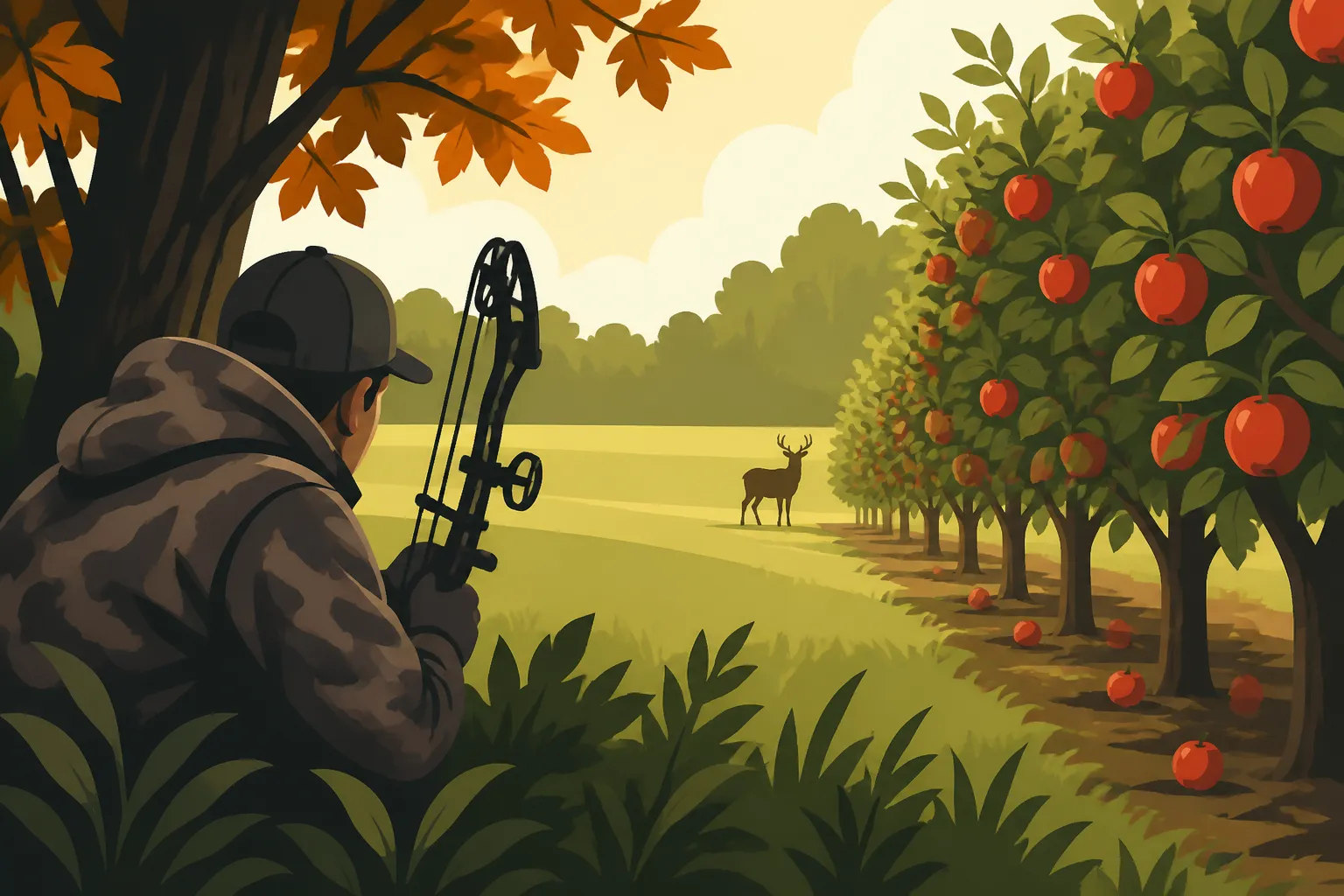
Finding a good hunting spot in Ontario, especially for whitetails, can feel like a never-ending puzzle. You spend hours scouting, driving back roads, and staring at maps, hoping to stumble upon that perfect piece of habitat where deer just have to be. For many of us, that ideal spot often includes the allure of an apple orchard edge, a place where deer can't resist the sweet temptation, and savvy hunters can capitalize. This guide will walk you through the ins and outs of hunting these productive, yet sometimes tricky, environments.
Why Apple Orchard Edges Are Deer Magnets for Ontario Hunters
There’s something truly special about an old apple orchard when it comes to attracting whitetails in Ontario. It's not just the fruit itself, though that's a huge part of it; it's the entire ecosystem and history that these places represent. For generations, these orchards, whether commercial operations or just forgotten homestead trees, have been providing a crucial food source and sanctuary for deer.
The Irresistible Draw of Apples
Imagine walking through a quiet, rural corner of Ontario in early fall. The air is crisp, and then you catch it – the unmistakable scent of ripe, maybe even slightly fermenting, apples. If it’s drawing you in, you can bet it’s drawing in every deer in the vicinity. Apples are packed with carbohydrates, providing a high-energy food source that deer crave, especially as they prepare for the lean winter months or the demanding rut.
From late summer into the fall, different varieties of apples will drop at varying times, offering a sustained buffet. Early drops might get them started, but it's often the mid-fall drops, sometimes even those that have sat a bit and started to ferment, that really turn an orchard into a hotspot. Deer seem to lose all caution when a steady supply of these sugary treats is available. It’s a primal draw that trumps almost everything else, except perhaps a fresh acorn crop, but apples are often more predictable in their yield year after year.
The "Edge Effect" and Natural Cover
The term "edge" in hunting is critical, and an apple orchard edge exemplifies why. Deer are creatures of cover. They feel vulnerable out in the open, even for a meal as tempting as apples. The "edge" of an orchard typically refers to the transition zone where the cultivated trees meet dense bush, a woodlot, or even thick fencerows. This provides an immediate escape route, concealment, and a sense of security.
Deer will often stage in this thicker cover, browsing quietly, before venturing into the more open orchard rows to feed, especially during lower light conditions like dawn and dusk. This edge also serves as a natural travel corridor. Bucks, especially, will often skirt these edges when Hunting the Rut in Early to Mid November, scent-checking for does without fully exposing themselves. You might find well-worn trails leading directly from a cedar swamp or a thick stand of pines right into the orchard’s perimeter. For an Ontario hunter, understanding and exploiting this edge effect is paramount, far more so than simply setting up in the middle of a sparse orchard. It's where you combine food with security, a potent mix for deer activity.
Scouting and Setting Up Your Orchard Edge Hunt
Successfully hunting an apple orchard edge isn't just about finding trees with fruit; it's about meticulous scouting and thoughtful setup. Many hunters make the mistake of assuming "apples equal deer" and neglect the finer details, leading to frustrated hunts.
Pre-Season Reconnaissance and Sign Reading
Your success starts long before hunting season opens. As soon as the apples start forming in late summer, get out there and start walking the edges. What you're looking for is active feeding sign. Not just a few drops, but clusters of disturbed apples, fresh tracks, and droppings. A tool like GoHunt can be incredibly useful here, allowing you to mark specific trees, trails, and potential stand sites directly on a satellite map. This really helps visualize the deer movement.
Pay close attention to the variety of apples. Some drop earlier, some later, and deer often have preferences. Identify the "hot" trees – those that consistently show heavy feeding. Are the deer coming from a specific bedding area? Are they using a particular creek crossing or old logging road to access the orchard?
Look for Reading Whitetail Sign in Ontario Hardwoods nearby. Scrapes and rubs along the orchard edge, particularly on trees within the thick cover, indicate that bucks are actively using this area, not just passing through. Focus on pinch points where cover funnels deer past a certain spot, or natural funnels created by terrain features. Don’t forget to consider areas where different types of habitat meet, like a low-lying marsh meeting a higher hardwood ridge, as these intersections are often magnets for game.
Strategic Stand Placement and Wind Considerations
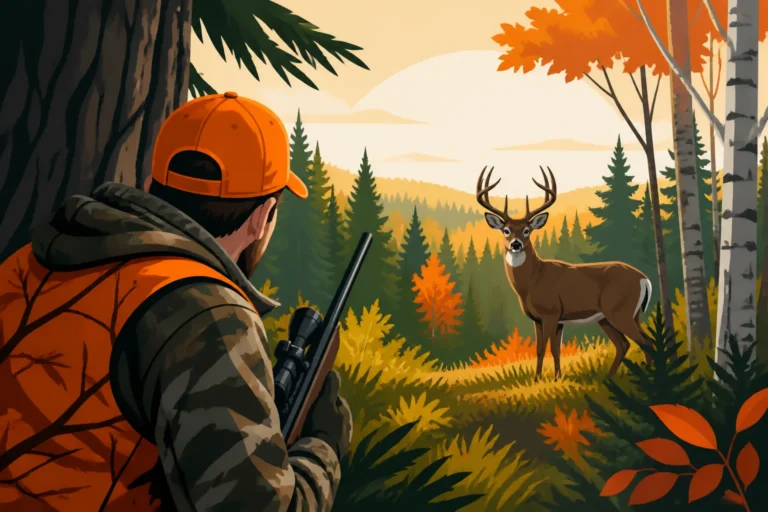
Once you've identified active areas and key travel routes, it's time to think about stand placement. This is where many hunts are won or lost. Your goal is to intercept deer moving into or out of the orchard, or feeding within range, while remaining undetected.
Tree Stands: If the surrounding bush offers good, mature trees, a tree stand gives you an excellent vantage point and helps with scent dispersal. Think about prevailing winds in your area. You want your stand to be downwind or crosswind of where you expect deer to approach and feed. Deer will almost always circle downwind of a suspected threat, so positioning yourself to catch them before they get there is crucial. Consider multiple stand locations for different wind directions, especially if you plan to hunt the spot repeatedly. When Hanging a Stand on an Ontario Bush Edge, ensure you have shooting lanes cleared, but not so much that you remove valuable cover.
Ground Blinds: In areas with limited suitable trees or dense, low cover, a ground blind can be incredibly effective. Portable pop-up blinds allow you to be flexible, but setting them up well in advance (weeks, if possible) allows deer to get accustomed to their presence. Brush them in heavily with natural vegetation to break up their outline. Just like with a tree stand, position it to account for wind and to offer clear shots into the orchard and along the edge. Remember to consider your entry and exit routes to and from the blind; disturbing the area directly around the orchard on your way in or out can quickly educate deer and ruin your spot.
Table: Apple Drop Stages and Deer Activity
| Apple Stage | Time of Year (Ontario) | Deer Activity | Hunting Considerations |
|---|---|---|---|
| Early Drop | Late August-Early Sept | Light, sporadic feeding on first fallen fruit. | Focus on fresh sign, patterns still forming. Good for early archery. |
| Peak Drop | Mid-September-October | Consistent, heavy feeding; deer patterns established. | Prime hunting, deer often less cautious. Ideal for bow or gun. |
| Fermenting/Rotting | Late October-Early Nov | Deer intensely drawn to strong scent; almost addicted. | Excellent draw, but deer can be nocturnal if pressured. Great rut overlap. |
| Frozen/Post-Freeze | November-December | Deer may return after hard frosts if other food is scarce. | Secondary food source, typically after main rut or during late muzzleloader. |
Timing Your Orchard Edge Hunt for Maximum Success
Timing is everything in deer hunting, and this is especially true when you’re focusing on a specific food source like an apple orchard. The deer’s reliance on apples can shift dramatically throughout the season, and understanding these phases will put you in the right place at the right time.
The Archery Opener: Sweet Starts
When Ontario's Archery Season Opens in early fall, usually around the end of September in many WMUs, apple orchards can be red-hot. The first drops of ripe apples are a novelty, a delicious treat after a summer of browsing on greens. Deer might still be on fairly regular, somewhat predictable summer patterns, hitting the orchards in the evening or early morning before retreating to thick cover.
This period is fantastic for bowhunters, as deer might be less wary than they will become later in the season. Look for crabapple trees too; these often drop earlier and can be an initial draw. You’ll want to be on stand well before dawn or several hours before dusk to catch deer moving from bedding to feeding. Keep scent control meticulous, as the air is often still and any foreign odour will be easily detected. The challenge here is that other natural food sources, like lush alfalfa fields or early mast crops, might also be drawing deer, so competition for their attention exists.
Peak Season and Rut Overlap: The Apple Frenzy
The true "apple frenzy" typically happens from late September through October, and often extends right into early November. This is when the majority of apples have fallen, and some might even be starting to ferment, creating an even more potent attractant. This period also often overlaps with the early stages of the whitetail rut in many parts of Ontario.
During peak drop, deer will spend significant time in and around orchards. Bucks will cruise the edges, checking for does, and often stop to grab a quick snack themselves. It's a fantastic time for both bow and rifle hunters. If your Ontario Gun Season Opening Day falls within this timeframe, an active apple orchard edge should be high on your list. Remember, deer might become more nocturnal if hunting pressure increases, so consider hunting midday, especially if the rut is on. Bucks are often on their feet, chasing does, even during non-prime feeding times.
This can be a great time to implement calling strategies if you're Rattling and Calling Ontario Whitetails. The sound of sparring bucks might pull a curious deer out of the thicker cover adjacent to the orchard, expecting to find other deer.
Late Season and Beyond: The Last Resort
Once a hard frost hits and many other natural food sources like green fields and What Acorn Crops Do to Ontario Deer are depleted or covered by snow, frozen apples can still be a draw. While not as potent as fresh drops, these frozen treats offer a burst of sugar and carbohydrates that deer need to survive winter. They might paw through light snow to get to them.
Hunting an orchard edge in late season can be tough, as deer are often hyper-vigilant and moving less. However, if you find an orchard that’s still holding deer sign and minimal other food is available, it could be a productive last-ditch effort. Deer will likely stick closer to thick thermal cover, like a Hunting a Cedar Swamp Edge, and only venture out to the apples when absolutely necessary, often during the warmest part of the day. A well-placed ground blind offering warmth and concealment might be the ticket here.
Overcoming Orchard Challenges and Maximizing Success
Hunting an apple orchard edge isn't without its quirks. You're dealing with a dynamic food source, potential human disturbance, and sometimes tricky terrain. Knowing how to navigate these challenges can mean the difference between tagging out and going home empty-handed.
Managing Scent and Human Interference
One of the biggest challenges with hunting a productive food source like an apple orchard, especially if it’s on private land near a residence, is human scent and activity. Deer quickly associate human scent and noise with danger. While the apples are a huge draw, deer are smart.
- Scent Control: This is non-negotiable. Shower with scent-eliminating soap, wear clean hunting clothes washed in scent-free detergent, and use scent sprays. Be mindful of not tracking human scent directly into the feeding zone. Approach your stand or blind from a direction that keeps your scent blowing away from the anticipated deer travel paths. Even the lingering smell of exhaust from your truck can educate deer.
- Entry and Exit Routes: Plan your routes meticulously. Use terrain features, ditches, or existing trails that offer cover and keep you out of sight and downwind. Try to minimize disturbing the primary hunting area. If you can use a quad or vehicle for part of the approach, consider parking it well away and walking the final leg, paying attention to the wind. For guidance on navigating specific terrain types, you might find tips in resources like Hunting an Old Logging Road in the North.
- Human Activity: If you're hunting private land adjacent to a homestead, be aware of when people are active. Deer might shift their feeding times to avoid periods of high human activity. This often means early morning or late evening. If the property owner allows it, discussing typical human movements can be incredibly helpful. Always ensure you understand What Ontario Trespass Law Requires and have explicit permission to hunt.
Making the Shot in a Cluttered Environment
Orchards, by their very nature, can be cluttered. Rows of trees, low-hanging branches, and dense undergrowth (especially in older, unmaintained orchards) can make for challenging shot opportunities.
- Practice: Practice shooting in scenarios that mimic an orchard. Set up targets with branches or brush around them to simulate obstructions. Understand your effective range with your chosen weapon and stick to it.
- Patience: Wait for the deer to present a clear, ethical shot. Don't rush. A deer standing behind a thick branch is not a shooting opportunity, no matter how big its rack.
- Anticipate Movement: Deer often pause briefly after entering an opening or before crossing a lane. Learn to anticipate these natural pauses. If you're hunting with a rifle, understand that even small twigs can deflect a bullet, so pick your lanes carefully. With a bow, string jumping is a concern, so try to lead the deer slightly or catch it when its head is down feeding.
Legalities and Hunter Responsibilities
While the bounty of an apple orchard is tempting, it's crucial to be aware of all the rules and regulations.
- Landowner Permission: This cannot be stressed enough. Always obtain explicit permission from the landowner before hunting any private land in Ontario. A simple verbal "yes" isn't always enough; consider a written agreement, especially if you plan to install stands or trail cameras.
- Hunting Zones: Double-check your WMU regulations. Ensure you understand the specific season dates for the area, whether it's when Ontario's archery season runs or the Ontario Gun Season Dates.
- Safety: Always know what’s beyond your target. Orchards are often close to homes, roads, or other infrastructure. Be absolutely sure of your backstop. Wear proper blaze orange during applicable gun seasons.
- Meat Care: If you do harvest a deer in an orchard, be prepared for Field Dressing in Warm Ontario Weather if it's early season. Having a plan for quick processing and cooling is essential to preserve the meat, especially on an early fall day.
By understanding the allure of apples, diligently scouting, strategically placing your stand, and navigating the specific challenges of an orchard, you can turn these sweet spots into incredibly productive hunting grounds in Ontario.
Disclaimer
The information provided in this guide is for general educational purposes only and is not a substitute for professional advice. Always consult the official Ontario Hunting Regulations Summary, local bylaws, and any relevant conservation authority regulations before engaging in any hunting activities. Hunting involves inherent risks, and adherence to safety protocols and ethical hunting practices is paramount.