Hunting Woodcock in Ontario Alder Bottoms
There’s a unique charm to pursuing woodcock in Ontario, but anyone who’s tried it knows the frustration of walking through prime cover only to spook birds wild or miss a tight window of opportunity. These little "timberdoodles" are masters of disguise and swift flight, making them a true test for even seasoned upland hunters. This guide is here to unravel the mysteries of hunting woodcock in Ontario's thick alder bottoms, providing you with the insights and tactics to find success in this challenging yet rewarding pursuit.
Understanding Woodcock Habitat in Ontario's Alder Bottoms
Woodcock aren't just anywhere in the bush; they have very specific tastes when it comes to where they spend their time. When we talk about "alder bottoms" in Ontario, we're really honing in on that perfect blend of soil, moisture, and vegetation that these unique migratory birds absolutely thrive in. Forget the dense, dark conifer stands or dry hardwood ridges; woodcock are all about the damp, the rich, and the relatively open understory that alder offers.
Why Alder Bottoms Are Prime Woodcock Real Estate
Alder thickets, particularly those found along creek beds, old logging roads, or in low-lying areas that drain into larger swamps or wetlands, are goldmines for woodcock. What makes them so special? It boils down to their primary food source: earthworms. Woodcock have long, sensitive bills perfectly adapted for probing soft, moist soil, and alder bottoms typically have exactly that – rich, loamy soil that stays consistently damp. This constant moisture creates an ideal environment for earthworms, which makes these areas the equivalent of a five-star buffet for a woodcock.
Beyond the food, alder offers fantastic cover. The dense, multi-stemmed growth of alder bushes provides overhead protection from aerial predators like hawks and owls, while still being open enough at ground level for the birds to move through easily. It’s a perfect balance: protection from above, easy escape routes, and a pantry full of worms right beneath their feet. You'll often find these spots adjacent to slightly higher, drier ground where they might roost, or near other mixed forest types that provide different kinds of cover. These transitional zones are key, and often, the most productive stretches are where the alder meets something else, like a beaver meadow crossing or an old field edge.
Reading the Landscape for Productive Cover
Not all alder bottoms are created equal, and knowing how to distinguish a promising patch from a barren one is crucial. The best woodcock cover in Ontario will often show signs of recent disturbance or natural succession. Look for areas with young, regenerating alder stands, usually less than 15-20 years old. Overly mature, super dense alder can be too choked for them, while sparse, dry patches won't hold the worms. Instead, search for stands where the alders are thick but still have some open lanes at ground level, allowing both the birds and your dog (if you're hunting with one) to move through.
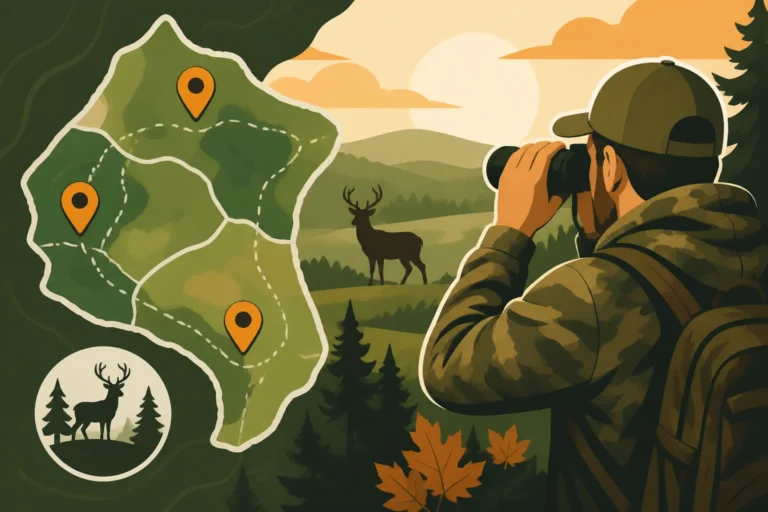
Another strong indicator is the presence of other moist-loving vegetation, such as young aspen or willow, mixed in with the alder. These mixed habitats often signal that the soil conditions are just right. Pay attention to topography too; gentle slopes leading down into depressions, or the edges of slow-moving streams and seepages, are prime spots. Sometimes, an old, overgrown logging road or trail running through an alder bottom can act as a natural highway for woodcock, concentrating them along its edges. Using tools like GoHunt, you can often identify these low-lying, brushy areas and follow old watercourses or trail networks on satellite imagery to narrow down your search even before you set foot in the woods. This kind of scouting with satellite imagery in Ontario can save you hours of unproductive walking.
Essential Gear and Tactics for Alder Bottom Woodcock Hunting
Hunting woodcock in Ontario's alder bottoms isn't like walking a cut corn field for geese. This is a gritty, up-close-and-personal affair that demands specific gear and a thoughtful approach. The cover is dense, the flushes are explosive, and the shooting windows are incredibly tight. Being prepared means having the right tools for the job, from your shotgun to your boots, and understanding how to navigate this challenging environment.
Shotguns and Ammunition Choices for Close-Quarters Hunting
When it comes to shotguns for woodcock in the thick stuff, fast-handling and open chokes are your best friends. Most shots will be within 15 to 25 yards, often closer, so a tight pattern is simply going to result in missed birds or overly damaged game. Many hunters favour a lightweight 20-gauge or even a 28-gauge for its quick swing and reduced recoil, which is a blessing when you're shouldering your gun dozens of times in a day. An over-under or side-by-side with improved cylinder and skeet chokes, or even two skeet chokes, offers the versatility of two different patterns. If you're using a pump or semi-auto, an improved cylinder choke is usually ideal.
For ammunition, smaller shot sizes are the standard. Number 7.5 or 8 shot is perfectly adequate for these small, delicate birds. You're not looking for knockdown power at long range; you need a dense pattern at close range to ensure a clean kill. Avoid heavy loads, as they're unnecessary and just add to recoil. Remember, you'll be shooting quickly and often, so comfort and consistent patterning are key. While woodcock are migratory game birds, they are not waterfowl, so non-toxic shot requirements for waterfowl do not apply to woodcock in upland environments. Standard lead shot is perfectly legal and effective for woodcock.
Navigating the Thick Stuff: Clothing, Footwear, and Navigation
Dressing for success in alder bottoms means protection and mobility. Think layers, but prioritize durability and thorn resistance. Briar pants or chaps are almost mandatory, saving your legs from countless scrapes and tears. A good blaze orange vest or jacket isn't just a legal requirement in many areas of Ontario during big game seasons; it's a critical safety measure when hunting with partners or a dog in dense cover where visibility is limited. For an overview of safety regulations, check out Ontario Hunter Education Requirements.
Footwear is paramount. You'll be walking through wet, boggy ground, so waterproof boots that offer good ankle support are non-negotiable. Muck boots or knee-high rubber boots are often preferred to keep your feet dry and comfortable all day long. A small, comfortable backpack can hold water, snacks, dog treats, and a game bag. For navigation, a GPS unit or a reliable mapping app on your phone, like those offered by GoHunt, is invaluable. It’s incredibly easy to get turned around in dense, featureless alder, so having a way to track your progress and mark promising spots is crucial. Before you head out, make sure to download offline maps, as cell service can be spotty in many of Ontario's remote hunting areas.
Working with a Dog vs. Solo Hunting
While hunting woodcock solo is certainly possible, especially for experienced upland hunters, working with a well-trained bird dog elevates the experience and dramatically increases your success rate. Woodcock hold incredibly tight, often refusing to flush until you’re practically on top of them. This is where a dog shines. A pointing dog, like a Setter or a Pointer, can pinpoint a bird, go on point, and allow you to move in for the flush. This gives you precious extra seconds to prepare for the shot. Learn more about using a pointing dog in Ontario cover for specific training tips.
If you don't have a pointing dog, a flushing dog, such as a Springer Spaniel or Labrador Retriever, can still be incredibly effective. Their job is to methodically work through the cover, forcing birds into the air within shooting range. This is often described as using a flushing dog in thick bush. Regardless of breed, ensure your dog is wearing blaze orange for safety and has a bell to help you track them in the dense cover. Training your dog to stay close and respond to commands is vital for both safety and efficiency in these tight spaces. For solo hunters, the key is to move slowly and deliberately, pausing frequently to make birds nervous and hopefully flush. This stop-and-go tactic can often make a woodcock hold just long enough for you to get ready, or reveal itself as you step forward.
| Feature | Hunting with a Dog (Pointing) | Hunting with a Dog (Flushing) | Solo Hunting |
|---|---|---|---|
| Pros | Locates birds accurately, allows hunter to prepare for flush | Covers ground efficiently, flushes birds into range | Quiet, stealthy, full control of pace |
| Cons | Requires well-trained dog, dog can get tangled in cover | Less precise bird location, birds might flush wild | Misses many birds, difficult to pinpoint location |
| Gear Req. | Dog collar (blaze orange, bell), e-collar, dog vest | Dog collar (blaze orange, bell), e-collar, dog vest | Focus on hunter's navigation and cover protection |
| Eff. in Alder | High – maximizes flush opportunities | Moderate to High – effective but less predictable | Low to Moderate – many birds missed |
| Safety | High (dog's bell, orange for dog) | High (dog's bell, orange for dog) | Requires extra hunter vigilance and communication |
Effective Hunting Strategies in Ontario's Alder Bottoms
Once you've got your gear dialed in and understand the prime habitat, it's time to talk strategy. Woodcock hunting in alder bottoms isn't a passive activity; it requires an active, methodical approach. Knowing when to hunt, how to move through the cover, and practicing safe shooting habits will maximize your chances of success and ensure a rewarding day afield.
Patterning Woodcock Movements Throughout the Day
Woodcock are primarily crepuscular, meaning they are most active during dawn and dusk. This is when they typically move from their daytime roosting cover to more open, worm-rich feeding grounds. However, in the dense security of alder bottoms, they can often be found feeding throughout the day, especially on overcast or drizzly days when the ground stays moist. Generally, the early morning, shortly after sunrise, and the late afternoon, an hour or two before sunset, are peak times to find birds actively foraging. During the brighter, drier parts of the day, they might be deeper in the densest cover, hunkered down.
It’s crucial to remember that woodcock are migratory birds. Their presence in a specific alder bottom can be highly dependent on the migration schedule. Knowing when woodcock move through Ontario is key. Early in the season, local birds will be present, but as fall progresses and colder weather pushes south, you'll encounter waves of migratory birds passing through. Cold fronts and strong north winds can push a significant number of birds into prime cover overnight, making the next morning a fantastic opportunity. Keeping an eye on weather patterns and recent bird reports can give you an edge.
The Art of the Flush: Techniques for Getting Birds Up
Moving through an alder bottom effectively is an art form. Whether you're hunting with a dog or solo, the goal is to trigger a flush within shooting range, giving you enough time to mount your gun and get a shot off. When hunting with a dog, pay close attention to their body language. A dog getting "birdy" – tail wagging faster, nose to the ground, increasing pace – signals that a bird is near. If they go on point, approach cautiously, moving past the dog slightly to get into a good shooting position before commanding the flush or walking past the bird yourself.
For both solo and dog hunters, moving in a deliberate, zig-zag pattern or slowly crisscrossing the densest cover is often more effective than walking in a straight line. Pausing frequently for 5-10 seconds can also induce a flush, as a woodcock that was holding tight might get nervous when it thinks you've passed. Keep your gun ready, held in a low-ready or field carry position, so you can bring it to your shoulder quickly. The flush is often fast and surprising, so quick reflexes are paramount. Practicing mounting your gun smoothly and quickly at home can make a real difference in the field. Don't be discouraged by misses; woodcock are notoriously challenging targets, and simply getting a shot off in that kind of cover is an accomplishment.
Safety and Etiquette in Dense Cover
Hunting in thick alder bottoms, especially with multiple hunters, demands a heightened awareness of safety. Always know where your hunting partners are. If you’re in a group, maintain clear communication. Shouts, whistles, or even walkie-talkies can be invaluable. Always be absolutely certain of your target and what lies beyond it before taking a shot. In dense cover, a bird flushing low can often obscure your view of the ground or another hunter.
Wear plenty of blaze orange – more than the minimum legal requirement is always a good idea in these conditions. When working with a dog, ensure they also wear an orange vest or collar with a bell. This not only makes them visible to you and your partners but also alerts other potential hunters to your presence. If you're encountering other hunters, a friendly wave and a brief conversation about your plans can help prevent conflicts and ensure everyone has a safe day. For general information on small game hunting in Ontario, always consult the official regulations. Remember, hunting is a privilege, and being a responsible, safe hunter ensures that privilege continues for everyone.
Post-Hunt Considerations and Conservation
The excitement of a successful woodcock hunt in an Ontario alder bottom doesn't end with the shot. Proper game care, understanding your responsibilities as a hunter, and contributing to conservation efforts are all integral parts of the experience. These birds are a shared resource, and ensuring their future is something every hunter can and should participate in.
Field Dressing and Game Care in the Bush
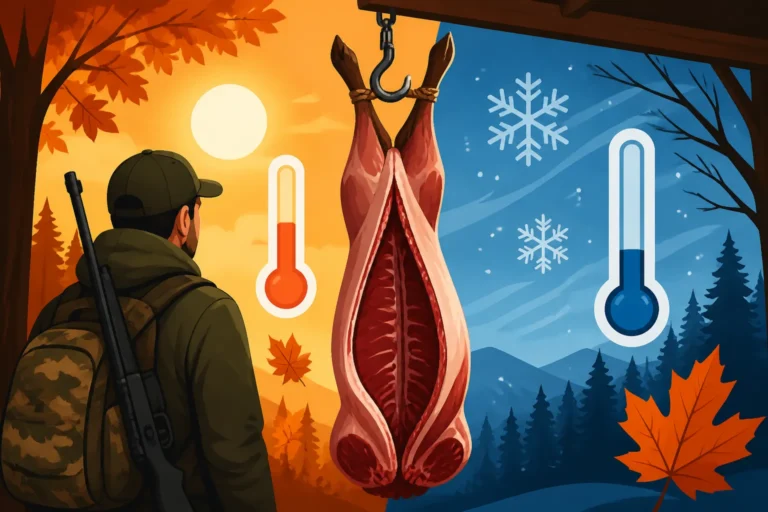
Woodcock are small birds, and their delicate meat can spoil quickly, especially on warmer early season days. As soon as you retrieve your bird, it's a good practice to field dress it. This typically involves removing the entrails and can be done quite quickly with a small knife. This helps the carcass cool down faster, preventing bacterial growth and preserving the quality of the meat. After field dressing, place the bird in a breathable game bag or a mesh bag, rather than a plastic bag, which can trap heat and moisture.
Keep your harvested birds cool. If you're out for several hours, a small cooler with ice in your vehicle can be a lifesaver. Upon returning home, clean your birds thoroughly. Plucking woodcock is common, as their skin is thin and tears easily. The breasts are the most commonly consumed part, offering a rich, unique flavour. Don't forget to count your birds and keep track of your daily bag limit and possession limit, as outlined in the Ontario game bird seasons and limits regulations. These limits are in place to ensure sustainable harvesting and population health.
Supporting Woodcock Conservation Efforts
As migratory birds, woodcock are subject to both provincial and federal regulations. Hunters play a vital role in conservation by purchasing the necessary licenses and tags. In Ontario, this includes your general hunting license and, crucially, a Federal Migratory Game Bird Permit along with an accompanying Canadian Wildlife Habitat Conservation Stamp. The funds generated from these permits directly support habitat conservation efforts across the country, benefiting not only woodcock but countless other migratory species.
Beyond purchasing permits, hunters contribute valuable data through harvest surveys. If you're contacted by wildlife agencies, taking the time to report your harvest is incredibly important. This data helps biologists monitor populations, understand migration patterns, and set appropriate hunting seasons and bag limits for future years. Responsible hunting practices, adherence to regulations, and participation in data collection are critical for ensuring healthy woodcock populations continue to thrive in Ontario’s alder bottoms for generations to come. Many of these same principles also apply to Ruffed Grouse hunting Ontario's bush roads, as both species often share similar habitats and conservation concerns.
Disclaimer
The information provided in this guide is for general informational purposes only and does not constitute legal advice. Hunting regulations in Ontario can change frequently. It is the responsibility of every hunter to consult the most current Ontario Hunting Regulations Summary, published by the Ministry of Natural Resources and Forestry (MNRF), before engaging in any hunting activities. Always ensure you have the appropriate licenses, tags, and permits, and adhere to all safety guidelines.