Getting Permission for a Goose Field
One of the most persistent headaches for waterfowl hunters in Ontario isn't the cold wind, the early mornings, or even those notoriously wary Canada geese—it's securing a prime field to hunt. Finding a landowner willing to grant access can feel like an impossible task, often leading to frustration and missed opportunities. This comprehensive guide will walk you through the entire process of respectfully obtaining permission for goose fields, turning those "no" answers into "yes" and opening up new hunting possibilities.
Understanding the Challenge of Field Access
Let's be real, gaining permission to hunt private land in Ontario, especially for high-demand activities like goose hunting, is tough. Landowners are bombarded with requests, often have existing arrangements, or are simply wary of strangers on their property. It's not personal; it's usually a combination of liability concerns, past negative experiences, and a desire for peace and quiet. Understanding these underlying concerns is the first step in approaching the situation with the right mindset. You're not just asking to hunt; you're asking to build a relationship based on trust and respect.
Why Landowners Hesitate to Grant Permission
Many landowners have a long list of reasons why they might be hesitant. One major factor is simply the sheer volume of requests they receive. Imagine having dozens of hunters showing up at your door every fall. It gets overwhelming quickly. Beyond that, there's the very real concern of property damage, whether it's gates left open, ruts in wet fields, or garbage left behind. Unfortunately, a few bad apples can spoil the bunch for everyone. Many farmers also worry about livestock safety or conflicts with their own family's hunting plans. They want to ensure their fields are managed well and their operations aren't disrupted.
The Impact of Past Negative Experiences
It’s an unfortunate truth that some hunters have, knowingly or unknowingly, left a sour taste in landowners’ mouths. Leaving trash, driving off-road in wet conditions, shooting too close to buildings, or even just being disrespectful can permanently close doors to other hunters. When you approach a new landowner, you’re not starting with a clean slate; you’re often fighting against the negative perceptions created by others. This means your appearance, your politeness, and your thoroughness in explaining your intentions are more critical than ever. You need to demonstrate right from the start that you are different, that you are responsible, and that you will respect their property as if it were your own.
Scouting for Prime Goose Fields in Ontario
Before you even think about knocking on a door, you need to know where to knock. This means putting in the legwork to scout potential fields where geese are actively feeding. Effective scouting is about more than just seeing birds; it's about understanding their patterns, identifying key feeding areas, and recognizing land ownership. This groundwork is what truly sets you up for success when it comes to getting that coveted permission. Utilizing tools like GoHunt can make this process more efficient, helping you identify land boundaries and potential access points even before you leave home.
Identifying Key Feeding Areas and Flight Paths
Geese are creatures of habit, and their feeding patterns are often quite predictable once you know what to look for. They typically prefer large, open fields that offer good visibility, allowing them to spot predators from a distance. Cut corn fields are an absolute magnet, but don't overlook winter wheat fields, soybean fields, or even newly seeded pasture. Pay attention to fields along major migratory routes or those close to large bodies of water where geese roost. Observe their entry and exit points, how they approach the field, and where they tend to land. This intel will be invaluable not only for asking permission but also for setting up your spread later on. For more detailed tips on locating these hotspots, check out our guide on Scouting Fields for Ontario Waterfowl.
Utilizing Mapping Tools for Landowner Information
In today's digital age, traditional "drive around and guess" scouting is less efficient. Online mapping tools, including specialized hunting apps or even municipal GIS systems, are invaluable. Services like GoHunt allow you to overlay property lines with satellite imagery, often identifying landowner names and addresses. This means you can pinpoint exactly who owns the land where those geese are feeding, rather than randomly knocking on doors or guessing which farmhouse belongs to which field. This level of preparation shows a landowner you're serious and organized. Before you head out, make sure you understand Reading an Ontario WMU Map Before You Go to maximize your scouting efforts.
Observing Goose Behavior and Field Conditions
It's not enough to just see geese in a field; you need to understand why they're there and what condition the field is in. Are they just loafing, or are they actively feeding? How many birds are there, and is it a consistent pattern? Is the field too wet, too soft, or too freshly planted for hunting? A landowner might be more amenable if they know you understand their agricultural concerns. For instance, Hunting a Standing Corn Field Edge is very different from Hunting a Fallow Field Border, and understanding these nuances will show your respect for their livelihood. Never approach a farmer about hunting in a field that's obviously too wet to drive on; it just shows a lack of consideration.
The Art of Asking for Permission
This is where many hunters stumble. It’s not just about asking; it’s about how you ask. Your approach needs to be respectful, clear, and conscious of the landowner’s time and concerns. Remember, you're asking for a favour, not asserting a right. Building rapport is key, and it often starts with that very first impression.
Timing Your Approach and First Impressions
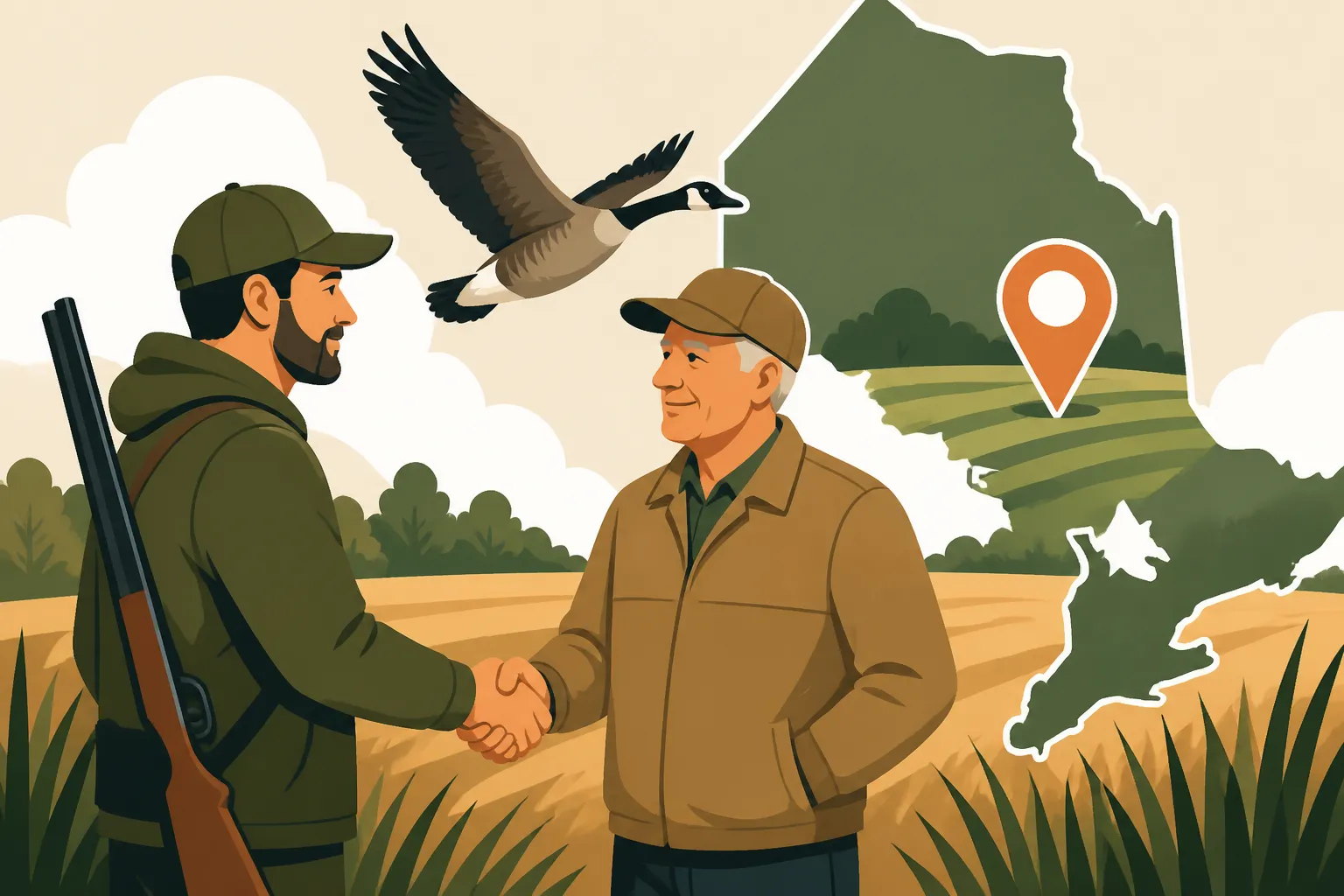
Timing is everything. Never approach a farmer during peak harvest season or when they’re in the middle of a critical farm operation. Their focus is on their livelihood, not your hunt. Weekends, late afternoons, or early evenings during less busy times are often best. When you do approach, make sure your first impression is solid. Dress neatly, not in your hunting camo. Leave your firearm in the truck. Be polite, confident, and articulate. Introduce yourself clearly, state your purpose, and be ready to provide contact information. It’s about projecting responsibility and trustworthiness from the moment they see you.
What to Say: Crafting Your Pitch
Your pitch should be concise but thorough. Start by introducing yourself and mentioning how you found their property (e.g., "I've noticed some geese using your field on Smith Road, and I was wondering if you ever allow goose hunting."). Immediately address their potential concerns:
- Respect for property: "I always treat land with the utmost respect, as if it were my own."
- Safety: "Safety is my top priority. I'm a certified hunter and will ensure shots are always directed safely away from buildings and livestock."
- Flexibility: "I'm happy to work around your schedule and avoid times when you or your family are using the fields."
- Offer of service: "I'm always willing to help out around the farm if you ever need an extra hand with chores."
- Leave it cleaner: "I make sure to leave no trace, picking up all shells and any other debris."
Be prepared for a "no," but don't be discouraged. Sometimes a "no" today can turn into a "yes" next year, or even a "no, but my neighbour might" if you've left a good impression.
Here’s a simple table outlining a good approach:
| Do's | Don'ts |
|---|---|
| Dress presentably (no camo) | Show up unannounced during busy hours |
| Introduce yourself clearly and politely | Bring firearms to the door |
| State your request directly | Assume permission is granted |
| Emphasize safety and respect | Argue or become defensive if denied |
| Offer references or proof of insurance | Leave a mess or drive recklessly |
| Ask about their rules and preferences | Forget to follow up and thank them |
| Provide your contact information | Trespass to "scout" after a "no" |
| Be prepared for a "no" and accept it graciously | Overstay your welcome or be pushy |
Addressing Landowner Concerns: Liability and Safety
Liability is a huge concern for landowners. Reassure them you understand this. Many hunters carry personal liability insurance through their hunting organizations (like the OFAH in Ontario), and offering to provide proof of this can be a huge trust builder. You can also discuss specific safety measures you'll take, such as only hunting certain areas, at certain times, or with specific types of ammunition (e.g., non-toxic shot for Hunting Canada Geese on Ontario Farmland). Discussing these points proactively shows you've thought about their perspective. Remind them that Ontario Trespass and Landowner Law protects them, and you will always adhere to it strictly.
Building and Maintaining Landowner Relationships
Getting permission once is great, but securing it for the long term requires ongoing effort. It’s about building a genuine relationship, not just a transactional one. The most successful field hunters often become an extension of the farm family, trusted and respected. This is where the long game pays off, and it's also why tools like GoHunt are so helpful – they help you identify who to build these relationships with.
Respecting Boundaries and Following Rules
This is non-negotiable. If a landowner says "hunt this field, but stay out of that one," you follow it to the letter. If they say "no hunting before 10 AM on Sundays," you respect it. Any deviation is a direct breach of trust. Always double-check access routes, ensure gates are closed (or left open, if that's their instruction), and never leave any garbage behind. Picking up spent shells is the bare minimum; picking up any other litter you find, even if it's not yours, goes a long way. Understanding Hunting a Winter Wheat Field versus a cut corn field and their specific rules is crucial for respectful hunting.
Communication and Regular Check-Ins
Don't just disappear after the hunt. A quick text or call after each hunt to thank them and let them know how it went (even if you didn't get anything) is a great gesture. Offer to share some of your harvest if they are interested. At the end of the season, a thoughtful thank-you card or a small gift (a gift certificate to a local store, a bottle of local maple syrup, or even just some fresh produce from your own garden) can solidify the relationship. It’s these small, consistent efforts that demonstrate your appreciation and keep the door open for next season.
Offering to Help Out on the Farm
This is perhaps the single most impactful way to build a strong, lasting relationship. Many farmers are constantly busy and often need an extra set of hands. Offering to help with chores, fix a fence, or even just move some firewood can be invaluable. It shows you’re not just there to take, but you’re also willing to contribute. This kind of mutual respect and assistance is the gold standard of landowner relationships in Ontario hunting. For hunters who also enjoy Small Game Hunting in Ontario, this can sometimes open up opportunities for rabbit or grouse hunting in exchange for help.
The Value of Becoming a Trusted Friend
Ultimately, the goal isn't just to get permission, it's to become a trusted friend or acquaintance. When a landowner knows they can rely on you, that you're safe, respectful, and genuinely a good person, they'll be far more likely to grant you access year after year. They might even call you when they see geese piling into a field. This long-term approach transforms the frustrating scramble for spots into a rewarding partnership, ensuring you have fantastic opportunities to be Hunting Canada Geese on Ontario Farmland for years to come.
Conclusion
Securing permission for goose fields in Ontario demands a strategic, respectful, and persistent approach. It's about more than just finding birds; it's about understanding the landowner's perspective, building trust, and demonstrating impeccable etiquette. By thoroughly scouting with tools like GoHunt, crafting a thoughtful pitch, and nurturing long-term relationships through consistent communication and offers of help, you can turn a challenging aspect of waterfowl hunting into one of its most rewarding. Remember, patience and respect are your most valuable assets when you're Knocking on Doors in Southern Ontario or anywhere else in the province.
Disclaimer
The information provided in this guide is for general informational purposes only and does not constitute legal advice. Hunters are responsible for understanding and adhering to all current Ontario hunting regulations, licensing requirements, and landowner laws. Always confirm rules and access directly with landowners and the appropriate provincial authorities.