Jump-Shooting an Ontario Beaver Pond
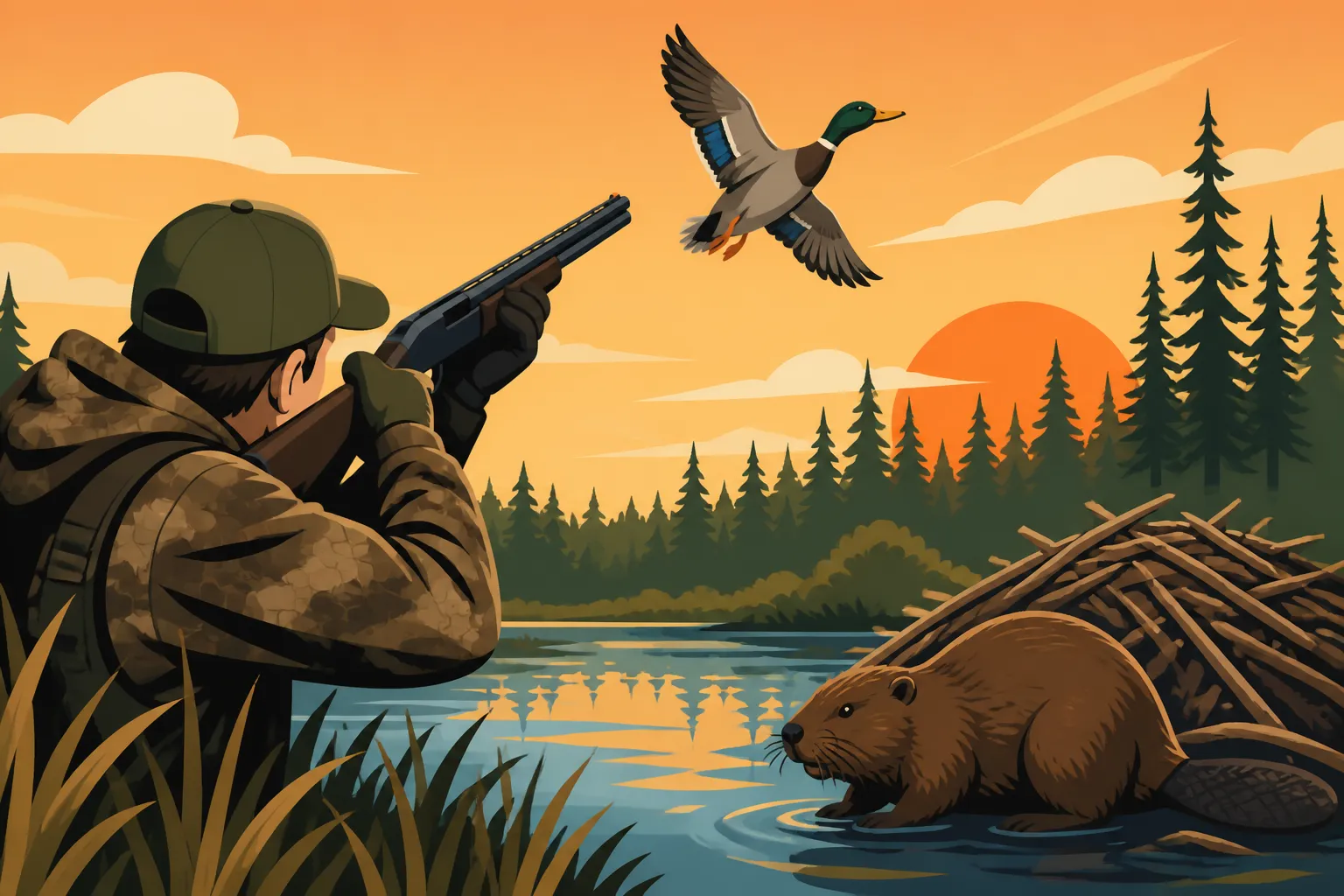
Few things are as frustrating as sitting patiently in a duck blind on a big lake, watching birds fly high and wide, never committing to your spread. It makes you feel like all that effort setting up decoys was for nothing! But sometimes, the best duck hunting isn't on the big water at all; it's tucked away in those forgotten, smaller pockets of habitat that many hunters overlook. This guide is all about finding and effectively jump-shooting those hidden gems: Ontario's myriad beaver ponds, offering exciting, close-quarters action for waterfowl.
Understanding the Beaver Pond Ecosystem for Waterfowl
Ontario's landscape is dotted with countless beaver ponds, from the deep wilderness of the north to the more accessible mixed forests of central and southern regions. These industrious rodents are natural engineers, creating dynamic wetland habitats that are absolute magnets for ducks. Understanding why these ponds are so appealing to waterfowl is your first step toward successful jump-shooting.
Why Beaver Ponds Attract Ducks
Beaver ponds offer a unique combination of food, cover, and quiet water that larger lakes and rivers often lack. The damming action creates shallow, nutrient-rich impoundments where submerged aquatic vegetation thrives, along with a bounty of insect life and small amphibians – all prime duck food. Deadfall timber, stumps, and cattail fringes provide crucial hiding spots, loafing areas, and escape cover from predators. Wood ducks, with their penchant for timbered swamps, are particularly fond of these areas, but you'll often find mallards, teal, and even black ducks taking advantage of the calm, sheltered waters, especially during early morning or late afternoon feeding periods.
Consider a typical pond nestled deep in a hardwood bush lot in the Haliburton Highlands. The beavers have flooded a low-lying area, killing off many of the maples and birches, leaving a mosaic of standing timber and open water. Along the edges, cattails and sedges have moved in, creating dense cover. This setup is perfect for dabbling ducks, as they can easily access the shallow bottom to feed on seeds and invertebrates. These smaller, more intimate water bodies are less exposed to wind and wave action, making them comfortable havens for ducks when larger bodies of water are choppy or heavily trafficked by boats.
Identifying Productive Pond Features
Not all beaver ponds are created equal, and knowing what to look for can significantly improve your scouting success. The most productive ponds typically have a good mix of open water and dense cover. Look for signs of active beaver work, like freshly chewed trees, active lodges, or slides, as these indicate a healthy, maintained ecosystem. Ponds with diverse vegetation, including wild rice, smartweed, or submerged plants, will hold more birds. Pay close attention to ponds that are part of a larger creek or river system, as they often serve as staging areas or travel corridors for ducks moving between feeding and roosting sites.
When you're scouting, whether physically walking the bush or using satellite imagery on a tool like GoHunt, zero in on ponds with irregular shorelines and fingers of vegetation. These broken-up areas provide more edges, which ducks instinctively use for cover and foraging. Areas where the water depth gradually tapers from shallow feeding flats to deeper channels can be excellent, offering both food and security. Don't forget to look for smaller, hidden "puddles" just off the main pond. Often, these little pockets, almost completely hidden from view, will hold a handful of ducks that feel incredibly secure.
Essential Gear and Preparation for Jump-Shooting
Jump-shooting beaver ponds is a physically demanding but incredibly rewarding pursuit. Unlike sitting in a blind, you're actively moving, stalking, and reacting. Your gear and preparation need to be tailored for stealth, mobility, and the specific challenges of navigating wet, often treacherous terrain.
The Right Clothing and Footwear
The absolute most critical piece of gear for jump-shooting beaver ponds is a good pair of chest waders. Forget hip waders; you'll inevitably step into a deeper hole or need to cross a wider section, and having water pour over the top of hip waders is a miserable experience. Neoprene waders offer warmth and durability, while breathable waders are excellent for warmer early-season hunts but can be layered for colder weather. Ensure they fit well, allowing for comfortable movement through thick brush and uneven footing.
Beyond waders, layering is key. Start with moisture-wicking base layers, add insulating layers, and top with a waterproof and windproof outer shell in a camo pattern that blends with the local vegetation. Stealth is paramount, so avoid noisy fabrics that rustle loudly when you move. Gloves and a warm hat are essential, even if the weather seems mild, as you'll be exposed to the elements and often moving slowly. Remember, ducks have incredible eyesight; breaking up your silhouette is just as important as quiet movement.
| Gear Item | Why It's Essential | Notes |
|---|---|---|
| Chest Waders | Navigating varied water depths and wet terrain | Neoprene for warmth, breathable for mobility. Ensure good fit. |
| Non-Toxic Shotgun Shells | Required by law for waterfowl hunting | Steel shot is most common; check Non-Toxic Shot Requirements for Waterfowl |
| 12 or 20 Gauge Shotgun | Versatile for various duck species | Shorter barrels (24-26 inches) can be easier to maneuver in brush. |
| Waterproof Backpack | Carrying calls, snacks, extra layers, game | Keeps essentials dry; helps with game retrieval. |
| Binoculars | Scouting from a distance, identifying species | Compact, lightweight models are ideal. |
| Compass/GPS/GoHunt | Navigation in dense bush, marking successful spots | Crucial for safety and efficiency, especially on Hunting Ontario's Crown Land |
| Headlamp | Early morning starts, late evening retrieves | Essential for safety in low light. |
| Game Vest/Strap | Conveniently carrying harvested birds | Frees up hands for gun and balance. |
Shotgun and Ammunition Selection
A reliable shotgun is, of course, critical. A 12-gauge is the most popular choice for waterfowl, offering a good balance of pellet count and range, but a 20-gauge can be just as effective, especially if you prefer a lighter firearm for long stalks. A semi-automatic or pump-action shotgun is usually preferred over an over/under or side-by-side for the ability to quickly cycle follow-up shots when a flock flushes. A shorter barrel, say 24-26 inches, can be easier to maneuver in dense brush and tight spaces around a beaver pond.
For ammunition, you must use non-toxic shot for all waterfowl hunting in Ontario. Steel shot is the most common and affordable option. #3 or #4 steel shot is generally effective for smaller ducks like teal and wood ducks, while #2 or BB steel shot might be preferred if mallards or black ducks are the primary target. Always carry a few extra shells, as jump-shooting often involves quick, unexpected flushes and sometimes multiple shots at different birds. Make sure your choke selection matches the typical ranges you expect. Improved Cylinder or Modified chokes are usually versatile enough for the close-to-medium range shots common in jump-shooting scenarios.
The Art of the Stalk: Techniques for Success
Jump-shooting a beaver pond is less about calling and decoys and more about stealth, observation, and calculated movement. It’s an active form of hunting that truly tests your woodsmanship and patience. Success hinges on your ability to approach undetected and make the most of the surprise factor.
Approaching the Pond Undetected
The most crucial aspect of jump-shooting is the approach. You need to move slowly, quietly, and with purpose. Before you even get close, try to approach from downwind, if possible. Ducks will often detect scent, and movement, and will usually flush into the wind. If you're downwind, your scent is carried away from them, and if they do flush, they'll often fly towards you, presenting better shot opportunities. Also, try to keep the sun at your back; this will make it harder for the ducks to see you and easier for you to see them.
Utilize every bit of available cover. Crawl, crouch, and use thick brush, large trees, or elevation changes to conceal your progress. Take one slow step at a time, checking your footing and listening for any twigs snapping or leaves crunching. Stop frequently to listen for subtle duck sounds – a distant quack, the whistle of wood duck wings, or the gentle splashing of feeding birds. As you get closer, peek around corners or over embankments extremely slowly. Often, you'll see ducks feeding or loafing on the water before they see you. A good pair of compact binoculars, even a small monocular, can be invaluable for identifying species and confirming legal shooting hours before you commit to a full approach.
Executing the Flush and Taking the Shot
Once you've spotted ducks, the moment of truth arrives. Decide on your approach angle and commit. For a beaver pond, this often means slowly working your way around the perimeter, always staying concealed, until you're within effective shooting range. As you round a bend or pop over a bank, the ducks will typically explode from the water. This is where your quick reflexes come into play.
Raise your shotgun smoothly, pick a target, and swing through. With multiple birds flushing, it can be tempting to spray shot, but focus on taking one bird at a time. The first shot often catches birds climbing or flying away, while subsequent shots might be at birds that have leveled out. Be aware of your surroundings; always identify a safe shooting lane and a secure backstop. Never shoot over the horizon or toward anything you haven't positively identified. After the shot, mark where any downed birds fell, and be ready for a retrieve. Sometimes, a wounded bird might dive or swim into thick cover, requiring a diligent and quick search. This careful execution is a hallmark of ethical hunting, ensuring you minimize waste and retrieve your game. For more on the broader strategy, consider reading Waterfowl Hunting Across Ontario.
Safety and Regulations Specific to Ontario Beaver Ponds
Hunting waterfowl in Ontario comes with specific regulations and safety considerations that are especially important when navigating the unique environment of a beaver pond. Adhering to these rules and prioritizing safety ensures a responsible and enjoyable hunt.
Ontario Waterfowl Regulations and Hunter Safety
Before heading out, make sure your licensing is up to date. This means having a valid Ontario's Outdoors Card Explained, an Ontario small game hunting licence, and a The Federal Migratory Game Bird Permit. You also need to be familiar with Ontario Game Bird Seasons and Limits, especially the specific Ontario Duck Season Dates by District for the Wildlife Management Unit (WMU) you are hunting. Remember, non-toxic shot is mandatory for waterfowl. Always confirm shooting hours, which are typically half an hour before sunrise to half an hour after sunset.
Hunter safety is paramount. When jump-shooting, you're often moving alone or in a small group in areas with limited visibility. Always know where your hunting partners are. Keep your firearm unloaded with the action open when crossing obstacles, climbing over logs, or navigating dense brush. Only load your firearm when you are actively hunting and expect to shoot. Be absolutely certain of your target and what lies beyond it. The confined nature of a beaver pond means you need to be acutely aware of water, banks, and potential hidden obstacles. For a comprehensive overview of safety, revisiting your Ontario Hunter Education Requirements is always a good idea.
Ethical Considerations and Environmental Awareness
Jump-shooting can sometimes be perceived as less "sporting" than blind hunting, but an ethical hunter approaches it with respect for the game and the environment. Avoid over-pressuring a single pond; if you find a productive spot, don't hunt it every day. Give the birds a chance to rest and return. Only take shots at birds within your effective range to minimize the chance of wounding and losing game. Be prepared to immediately retrieve any downed birds, which often means getting wet and pushing through thick cover.
Beyond the hunt itself, be mindful of the fragile beaver pond ecosystem. Leave no trace of your presence. Pack out all spent shells, garbage, and anything you brought in. Avoid disturbing active beaver lodges or dams unnecessarily. Remember that beaver ponds are part of a larger ecosystem that supports many other species. Being a responsible hunter means being an excellent steward of the land. When you're actively scouting these areas, perhaps using tools like GoHunt to identify potential ponds for Hunting a Beaver Meadow Crossing, remember to respect private property boundaries and obtain permission if you're not on designated public land. The effort you put into Scouting Fields for Ontario Waterfowl should extend to proper planning for pond hunts as well.
Navigating Retrieval and Aftermath
So, you've successfully jump-shot some ducks. The excitement of the flush and the satisfaction of a clean shot are exhilarating. But the hunt isn't truly over until your game is safely retrieved and properly cared for. This phase often presents its own unique challenges in the dense, wet environment of a beaver pond.
Effective Game Retrieval in Tough Terrain
Retrieving downed ducks from a beaver pond can be surprisingly difficult. Birds often fall into thick cattails, submerged brush, or land on the far side of deep water. This is where those chest waders really earn their keep. Don't hesitate to wade in to get your bird. A long retrieving stick can be invaluable for reaching birds that are just out of arm's reach or for pushing through dense vegetation. If you're hunting with a partner, having two sets of eyes on a downed bird can drastically improve retrieval success. If the water is too deep or the vegetation too dense to safely retrieve, take note of where the bird fell and consider circling around the pond to approach from a different angle.
One of the common mistakes is losing sight of where the bird fell, especially if you shoot multiple birds or have to take follow-up shots. Mentally mark a distinctive tree, stump, or patch of reeds near the fall point. Your focus must shift from shooting to retrieving immediately after the shot. The quicker you get to the bird, the less chance it has to swim away (if wounded) or be carried off by current or wind. After a successful retrieve, a good game vest or strap will keep your hands free for the trek back to your vehicle, leaving you to focus on safe movement through the bush.
Post-Hunt Care and Considerations
Once retrieved, properly care for your harvested ducks to ensure high-quality table fare. In the often-warm early Ontario Duck Season Dates by District, getting the birds cooled down quickly is paramount. Field dress them as soon as possible by removing the entrails, which helps the carcass cool faster and reduces bacterial growth. If you have a long walk out, consider carrying a few zip-top bags to collect the breasts and legs immediately, placing them in a cooler with ice at your vehicle. This is particularly important for birds harvested during the warmer Hunting Ontario's Late September Archery Opener.
Upon returning home, either pluck and clean the birds or skin and breast them out. Many hunters prefer to breast out ducks, as much of the fat and strong flavour is concentrated in the skin. Properly cleaned duck meat can be vacuum-sealed and frozen for later enjoyment, making all the effort of the jump-hunt worthwhile. Remember that the entire experience, from scouting to careful retrieval and processing, contributes to being a responsible and successful waterfowl hunter in Ontario.
Conclusion: Embrace the Challenge of the Beaver Pond
Jump-shooting Ontario beaver ponds offers a raw, intimate, and often thrilling duck hunting experience that stands apart from traditional blind hunting. It's a method that rewards stealth, patience, and a deep understanding of waterfowl behaviour and habitat. While it requires more physical exertion and a keen eye for detail, the satisfaction of a successful stalk and a quick, clean shot on ducks in their natural, undisturbed setting is truly unmatched. So, next season, don't just focus on the big water. Grab your waders, load up your non-toxic shot, and dive into the quiet, rewarding world of Ontario's beaver pond hunting. You might just find your new favourite way to chase ducks.
Disclaimer
Please note that hunting regulations, seasons, and licensing requirements can change. Always consult the most current Ontario Hunting Regulations Summary available from the Ministry of Natural Resources and Forestry (MNRF) or federal sources before planning any hunting trip. This guide is for informational purposes only and should not replace official government regulations or hunter education.