Hunting a Cedar Swamp Edge
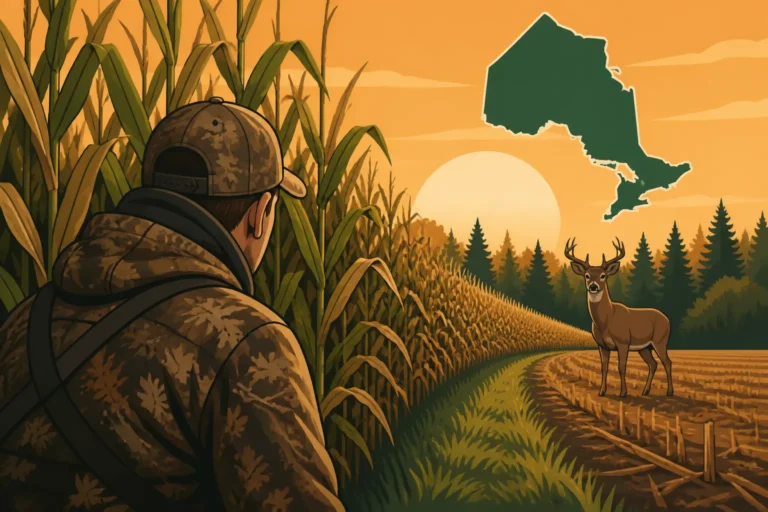
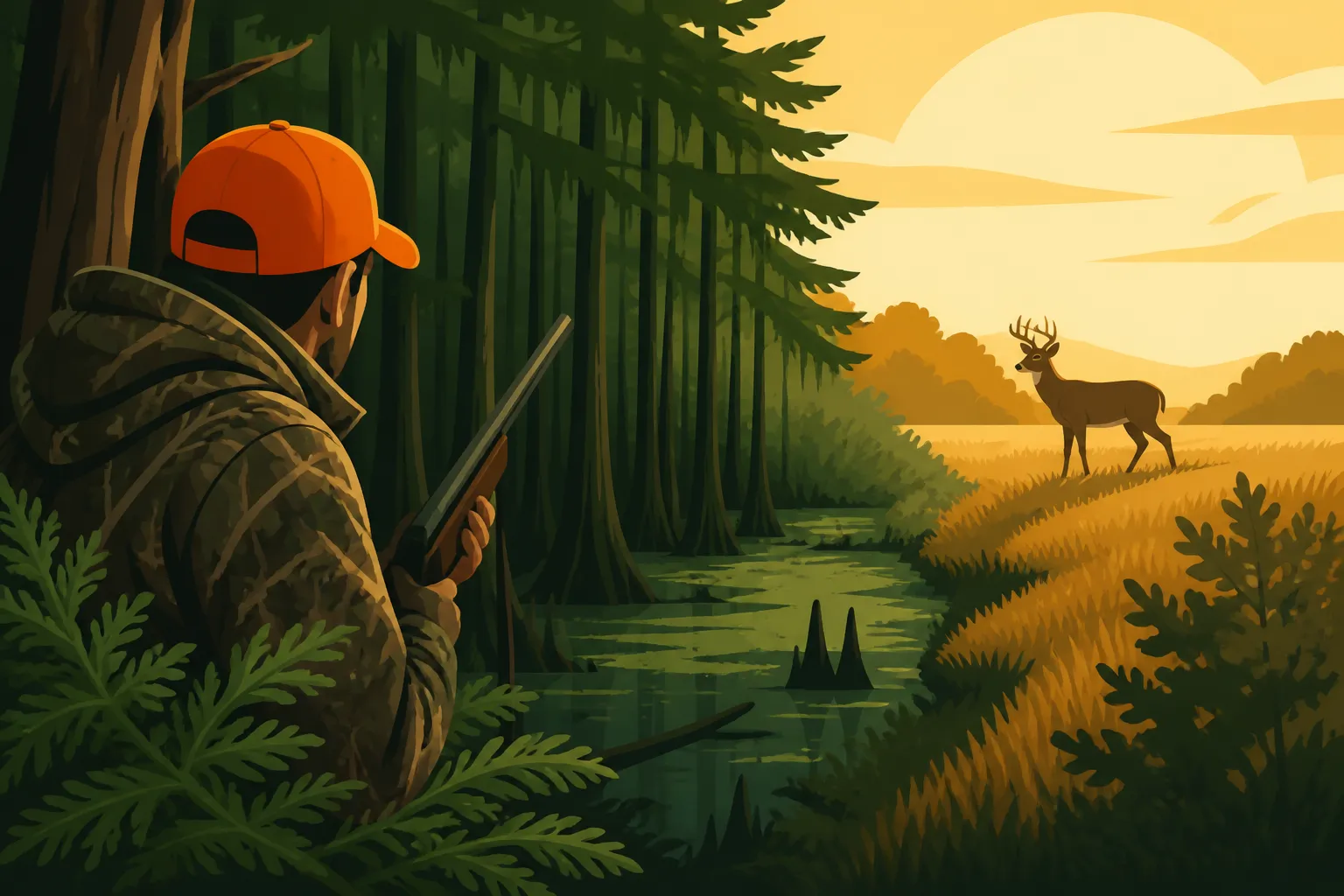
Oh, the cedar swamp edge. If you've spent any time hunting whitetails in Ontario, you know that feeling of exasperation when deer just seem to vanish into thin air, leaving you wondering where on earth they go when the pressure is on or the weather turns nasty. They don't just disappear; they dive into the thickest, nastiest cover they can find, and often, that's the impenetrable sanctuary of a cedar swamp. This guide is all about unraveling the mystery of these deer havens and teaching you how to effectively hunt their edges, transforming those frustrating disappearances into strategic opportunities.
Why Cedar Swamps Are Deer Magnets in Ontario
Cedar swamps, often overlooked by hunters for their dense, challenging terrain, are actually critical habitats for whitetail deer across Ontario, especially when conditions get tough. They're not just a place deer visit; they're home, sanctuary, and pantry all rolled into one. Understanding why deer are drawn to these areas is the first step in successfully hunting their perimeters.
Thermal Cover and Protection
Imagine a bitter November wind slicing through the hardwoods, or knee-deep snow making travel exhausting. This is when a cedar swamp truly shines as a deer haven. The dense, interlocking canopies of eastern white cedar trees create an incredibly effective thermal blanket. This evergreen cover intercepts snow, keeping the ground relatively clear and allowing deer easier movement. More importantly, it traps warmth, offering a vital respite from the chilling winds and frigid temperatures that characterize much of Ontario's hunting season, especially as you head into the late fall and early winter. Deer can conserve crucial energy by bedding down in these sheltered spots, minimizing their exposure to the elements and maximizing their chances of survival. This protective aspect is precisely why you'll often find deer yards in these areas when the snow piles up, making them especially attractive late in the season when you're Hunting Ontario Late When Snow Piles Up.
Food Sources and Browsing Habitat
While cedars themselves aren't typically a preferred browse in large quantities, the edges of these swamps are a different story entirely. The transition zone where the dense cedars meet more open hardwoods, mixed forest, or even agricultural fields often boasts a diverse array of vegetation. Here, you'll find a mix of young saplings, shrubs, and herbaceous plants that deer readily browse. In particular, be on the lookout for dogwood, maple, and willow browse, which are common along swampy margins. During a hard winter, even cedar browse can become a significant food source for deer when other options are scarce. This varied buffet, combined with the security of the swamp, makes these edges prime feeding grounds, particularly during dawn and dusk when deer feel safer venturing out from the thick cover. It's a classic example of why the "edge" is always so productive, offering both food and safety.
Sanctuary from Pressure
Deer are incredibly adept at avoiding human intrusion, and a cedar swamp offers the perfect refuge. The tangled undergrowth, standing water, and often difficult walking conditions deter many hunters from venturing deep inside. This makes the interior of a swamp a natural fortress where deer can escape hunting pressure during peak seasons, especially during the busy Hunting Ontario's November Gun Season. When hunters are pushing through surrounding woodlots or sitting on field edges, the deer that feel the pressure will often filter silently into the nearest cedar swamp, knowing they'll be largely undisturbed. They use these areas to bed down, recover, and plan their next moves. For the savvy hunter, this means that while the swamp itself might be too thick to hunt effectively, the edge becomes a high-traffic corridor for deer moving in and out of this secure zone, presenting prime ambush opportunities.
Reading the Edge: Signs and Setup Strategies
Hunting a cedar swamp edge isn't about crashing through the swamp; it's about methodically understanding the deer's movement patterns along its perimeter. This requires keen observation skills, strategic thinking, and meticulous planning to intercept wary whitetails.
Identifying Key Entry and Exit Points
Deer don't just wander aimlessly in and out of a swamp. They create distinct highways and bypasses. Your scouting efforts should focus on identifying these primary entry and exit points. Look for well-worn trails, often appearing as distinct deer paths where vegetation is matted down or sparse. These trails frequently follow natural contours, such as slight rises in elevation, dry fingers of land extending into the swamp, or narrow pinch points between water bodies and upland cover. Pay close attention to fresh tracks, rubs on saplings, and scrapes, particularly those within 10-20 yards of the swamp's edge. A cluster of sign indicates a high-traffic area. For this, tools like GoHunt can be invaluable. Using its satellite imagery, you can often spot these subtle changes in vegetation density or slight topographical shifts that indicate potential travel corridors before you even set foot in the bush. Over time, you'll learn to recognize the subtle hints of deer activity, much like seasoned hunters learn to decipher Reading Whitetail Sign in Ontario Hardwoods.
Stand Placement for Success
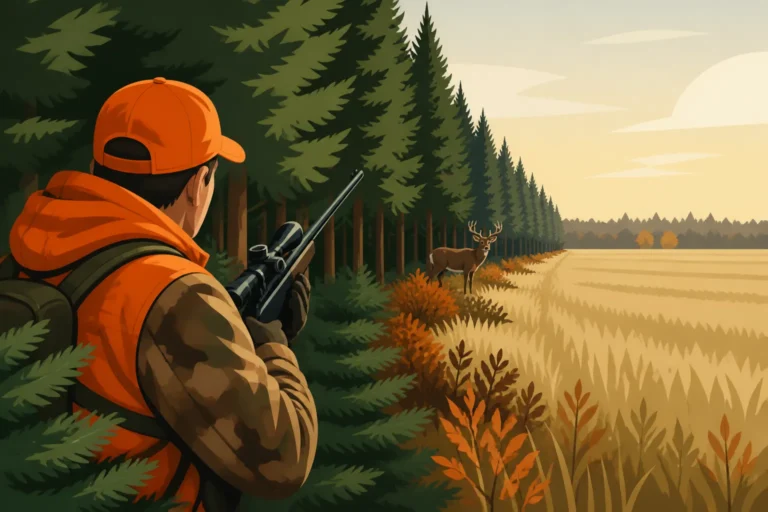
Once you've identified these crucial movement corridors, the next step is strategic stand placement. This is where many hunts are won or lost. For a cedar swamp edge, scent control and quiet access are paramount. Consider the prevailing wind direction – often a challenge near swamps where thermals can swirl due to temperature differences. Your stand should be positioned to take advantage of these patterns, keeping your scent away from the anticipated deer travel route. Ladder stands or hang-on stands are often preferred for their stability and ability to get you above the deer's line of sight and scent cone. If the cedars on the edge are large enough, a hang-on might allow you to get into dense cover. Ground blinds can also be effective, especially if you can tuck them into thick cover or against a fallen log, but they demand even stricter attention to wind and require careful brushing in to break up your outline. Remember to always plan your approach and exit routes carefully, ensuring they are as quiet and scent-free as possible, minimizing disturbance to the area you're hunting. Think about how a good setup differs from Hanging a Stand on an Ontario Bush Edge in more open country; here, concealment is king.
Timing Your Hunt Around the Swamp
The timing of your hunt in relation to a cedar swamp edge is just as critical as your setup. Deer movements around these sanctuaries are highly influenced by the time of day, weather, and hunting pressure. Mornings are often productive as deer filter back into the swamp after feeding in surrounding areas overnight. Conversely, evenings are prime for catching deer as they emerge from the swamp to feed. During the rut, these patterns might shift slightly, with bucks cruising the edges, scent-checking for does, even in the middle of the day. Extremely cold weather or heavy snow will often increase daytime movement as deer need to feed more frequently, and the swamp provides crucial thermal cover to make those movements less costly. Conversely, intense hunting pressure in surrounding areas might keep deer locked down in the swamp for longer periods, making mid-day sits on the edge unexpectedly productive. Monitoring local weather patterns and deer activity reports, perhaps even through a scouting app like GoHunt, can help you predict these windows of opportunity.
Overcoming the Challenges of Swamp Edge Hunting
While cedar swamps offer incredible potential, they also present unique challenges that can frustrate even the most experienced hunter. Understanding these obstacles and preparing for them is key to a successful and enjoyable hunt.
Dealing with Scent and Wind Swirls
The dense canopy and variable terrain of a cedar swamp can create unpredictable air currents, making scent control a constant battle. Wind that might be steady in an open field can swirl erratically along the edge of a swamp, carrying your scent into the very pathways you're trying to ambush. This often requires a more defensive approach to stand placement, sometimes opting for a less ideal shooting lane in favour of a more consistent wind advantage. Using quality scent-eliminating sprays, washing hunting clothes in scent-free detergents, and storing them in airtight containers are all basic but crucial steps. However, the most effective strategy is often simply to avoid hunting when the wind is wrong for your specific setup, even if it means waiting for another day. Paying close attention to thermals – the rising air in the morning and falling air in the evening – can also give you an edge, as deer often use these same air currents to detect predators. A good app like GoHunt can provide real-time wind data and thermal predictions, helping you make informed decisions on the fly.
Navigating Difficult Terrain
Let's be honest: cedar swamps are often wet, muddy, and thick. Getting to and from your stand, especially in the dark, can be a real workout. You'll likely encounter standing water, boggy patches, tangled blowdowns, and dense cedars that can snag clothing and impede progress. Proper footwear is non-negotiable – waterproof boots that extend well above the ankle are a must, ideally insulated if you're hunting in cold weather. Planning your routes in advance, during daylight hours, is critical. Mark your paths with flagging tape (removed after the season) or use a GPS device to navigate through the labyrinthine terrain. A good headlamp with a red light option is also essential for preserving night vision and preventing trips and falls. Remember, if it's tough for you to navigate, it's often a reason why deer feel safe there, but it also means you need to prioritize safety and efficiency in your movements.
The Art of Patience and Observation
Deer using a cedar swamp are often highly pressured and inherently cautious. They move slowly, stop frequently, and constantly scan their surroundings. This demands an exceptional level of patience from the hunter. You can't expect deer to come charging out into the open. Instead, be prepared for long sits, with minimal movement and absolute silence. Every rustle, every creak of your stand, can send a wary deer back into the depths of the swamp. Focus on picking apart the cover with your eyes, looking for a flick of an ear, a horizontal line that doesn't belong, or the subtle sway of branches. Binoculars are invaluable for scrutinizing the edges and openings. Sometimes, you might only get a small window to identify and shoot, so being ready for a quick, ethical shot is key. This type of hunting is a masterclass in observation, reinforcing the importance of being fully immersed in your surroundings, understanding that the smallest detail can lead to success.
Gear Essentials for Cedar Swamp Edges
Being prepared with the right gear can make all the difference when you're tackling the unique environment of a cedar swamp edge. The right equipment can boost your comfort, safety, and ultimately, your success.
Clothing and Footwear
Hunting a cedar swamp edge means dealing with dampness, often cold temperatures, and the constant threat of thorns and branches. Your clothing needs to be quiet, durable, and provide excellent weather protection. Start with good base layers that wick moisture away from your skin, followed by insulating layers appropriate for the expected temperatures. Your outer shell should be waterproof and windproof to combat the elements, but also made of a quiet fabric that won't rustle as you move or shift in your stand. Blaze orange, as required by Ontario regulations, should be prominently displayed.
But let's talk about footwear – this is perhaps the single most critical item. Forget those lightweight hiking boots; you need serious, waterproof rubber boots or high-quality leather boots treated for extreme waterproofing. They should extend high enough to handle standing water or deep mud, often 16 inches or more. Insulated options are a must for colder late-season hunts to keep your feet from freezing. Good quality wool socks, perhaps even two pairs, will also help manage moisture and add warmth, keeping your feet comfortable through long sits in potentially soggy conditions.
Scouting Tools and Navigation
Navigating the dense, often featureless terrain of a cedar swamp can be disorienting, even for experienced hunters. A reliable GPS unit or a smartphone with a robust mapping app like GoHunt is essential. Download offline maps of your hunting area before you head out, as cell service can be spotty or non-existent in many remote Ontario locations. These tools allow you to mark stand locations, track deer sign, plot entry/exit routes, and, most importantly, navigate safely back to your vehicle. Always carry a physical compass and a printed map as a backup, just in case electronics fail.
Beyond navigation, a good pair of binoculars (10×42 is a versatile choice) is crucial for picking apart the dense cover and identifying deer from a distance. A quality rangefinder is also important for confirming distances in the often-confining environment of a swamp edge. Don't forget a sharp knife for field dressing your game, and perhaps a small saw or pruners for clearing shooting lanes or paths to your stand. Having a well-stocked Truck Kit for a Northern Ontario Hunt can save your bacon when unexpected issues arise.
Stand and Safety Equipment
When choosing a stand for a swamp edge, consider the type of trees available. Ladder stands offer stability and easy access but are less mobile. Hang-on stands offer more versatility for difficult trees and require screw-in steps or climbing sticks. Climbing stands can be an option if you find suitable, straight trees without low limbs, but these are often rare on the immediate edge of a thick cedar swamp. Whatever stand you choose, ensure it's robust, well-maintained, and comfortable enough for long waits.
Most importantly, safety is non-negotiable. A full-body safety harness is mandatory when using any elevated stand. Always wear it from the moment your feet leave the ground until they return. Carry a knife, a whistle, and a fully charged cell phone (in a waterproof case) for emergencies. Let someone know where you are hunting and when you expect to return. The challenges of hunting swamp edges, including potential slips or falls on wet ground, make vigilance about safety more critical than ever.
Here's a quick comparison of common stand types and their suitability for cedar swamp edge hunting:
| Stand Type | Pros | Cons | Ideal for Swamp Edge? |
|---|---|---|---|
| Ladder Stand | Stable, comfortable, easy access once set up | Bulky, heavy to transport, less flexible for tricky trees, permanent | Yes, if you have a clear, stable tree on a firm edge and less mobile |
| Hang-On Stand | Lightweight, versatile for different tree shapes, good concealment | Requires climbing sticks/screw-in steps, less comfortable for long sits | Yes, offers flexibility for dense cover and can be set up quietly |
| Climbing Stand | Highly mobile, no extra steps needed (if tree allows) | Requires straight, limb-free tree; can be noisy to set up, less stable | Rarely, as suitable trees are uncommon on dense, often crooked swamp edges |
| Ground Blind | Excellent concealment, scent control (if enclosed), comfortable | Limited visibility, requires careful brushing, can block shooting lanes | Yes, if brushed in meticulously and wind is consistent |
Disclaimer
Hunting is an activity that carries inherent risks. Always prioritize safety, adhere to all local regulations, and obtain proper licenses and permits before venturing out. The advice provided in this guide is for informational purposes only, and individual hunting conditions and experiences may vary. Always respect wildlife and the environment.