What Shipping a Cape and Antlers Costs
Bringing home a trophy from an Ontario hunting trip can be one of the most exciting parts of the entire experience, but the logistics of getting a cape and antlers across borders, or even just across the province, can feel like a daunting puzzle. Many hunters, especially non-residents, find themselves scratching their heads, wondering about the hidden fees and complex paperwork involved. This guide is here to unravel that mystery, walking you through the ins and outs of shipping your precious hunting memories safely and realistically.
Understanding the Variables That Drive Shipping Costs
When you’re standing over your hard-earned trophy in the Ontario bush, the last thing on your mind might be shipping costs, but trust me, understanding these variables upfront can save you a world of grief (and money) later on. It’s not just a simple flat fee; there are several factors that play a huge role in the final bill.
Size and Weight of Your Trophy
This one might seem obvious, but it's more nuanced than just "big antlers, big cost." The sheer physical dimensions and weight of your cape and antlers are primary drivers of shipping expenses. Think about a massive bull moose rack with a wide spread versus a modest whitetail rack. The moose rack won't just weigh more; it might require a custom-built crate that takes up significantly more space on a truck or in a cargo hold.
For antlers, the total spread, the number of points, and whether the skull plate is attached all contribute to the final package size. A "European mount" skull, for example, is much heavier and bulkier than just the antler rack cut close to the skull. For capes, whether it’s a full life-size cape (like for a bear rug) or a shoulder mount cape (like for a deer), will drastically change the size and weight once it’s properly prepared and packed. A large black bear cape, salted and partially dried, can be surprisingly heavy and dense, requiring robust packaging. These factors directly influence the shipping method, the size of the container, and ultimately, the freight charges.
Destination and Distance
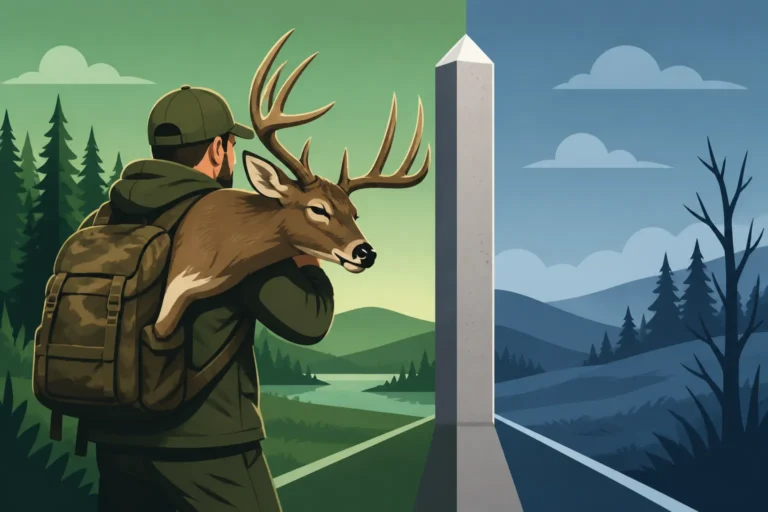
Where your trophy is headed makes a monumental difference in the cost equation. Are you shipping it from a remote Northern Ontario outpost to a southern Ontario town, or are you trying to get it back across the Canada-U.S. border, or even further internationally? Each scenario presents its own set of challenges and associated costs.
Shipping within Ontario, especially to major urban centers like Toronto or Ottawa, is generally more straightforward and less expensive. You might use a local courier or a freight service that runs regular routes. However, if your hunt takes you deep into Northwestern Ontario’s wilderness, getting the trophy from your camp to a major shipping hub can be an added expense itself. For non-residents, the complexities increase exponentially when shipping across international borders. Not only do you have the physical distance to contend with, but you also encounter entirely different customs regulations, import duties, and brokerage fees. A hunter from Ohio bringing back a whitetail will have a different set of costs than someone from Texas with a larger moose. The more remote the departure point and the further the destination, the higher the shipping costs tend to climb, often due to specialized handling and extended transit times.
Type of Shipping Service
Just like mailing a letter, you have options when shipping your trophy, and each comes with a different price tag. Do you need it there fast, or are you okay with it taking its time?
- Standard Ground Freight: This is typically the most economical option, especially for larger, heavier items. Your trophy will travel by truck, which means longer transit times but lower costs. This is often the preferred method for shipping within Ontario or to nearby U.S. states.
- Air Freight: If time is of the essence, air freight can get your trophy to its destination much quicker. However, it comes at a premium price. This is more commonly used for international shipments or when an expedited service is crucial, though the size and weight restrictions can be more stringent, and costs can escalate rapidly for oversized items.
- Specialized Carriers/Brokers: Some companies specialize in transporting hunting trophies. They understand the unique requirements for documentation, handling, and preservation. While they might cost a bit more than a generic freight company, their expertise can be invaluable in avoiding costly delays or damage. For complex cross-border logistics, using a dedicated service or a freight forwarder who is experienced with wildlife products can simplify the process immensely.
Thinking about which service aligns with your budget and timeline is crucial. For example, if you’ve just tagged a trophy bull moose on a Moose Hunting Ontario's Northern Bush trip, you'll need to decide if you prioritize speed or cost when getting those impressive antlers home.
Breaking Down the Components of Shipping Costs
Beyond the general variables, there are specific line-item costs that will appear on your invoice when you ship a trophy. Understanding what these components are will help you budget accurately and avoid any nasty surprises.
Crate and Packaging Materials
You can't just toss a valuable set of antlers or a raw cape into a cardboard box and expect it to arrive unscathed. Proper packaging is paramount for protecting your trophy from damage during transit, and this often means custom crating.
- Custom Crates: For antlers, especially large ones, a sturdy wooden crate is often required. These aren't cheap to build, as they need to be strong enough to withstand bumps and drops, and custom-fitted to prevent movement inside. The cost will vary significantly based on the size of the rack. For capes, while they might not need a full wooden crate if properly vacuum-sealed and frozen, they will still require durable, insulated packaging to maintain temperature and prevent spoilage, especially if travelling long distances or for extended periods.
- Insulation and Preservation Materials: If shipping a raw cape (frozen or salted), you'll need insulated boxes, dry ice, or other cooling agents to ensure it arrives in good condition. These materials add to the overall cost and weight. Imagine having successfully hunted a magnificent black bear; Skinning a Bear for a Rug properly is just the first step; getting that hide home without it spoiling requires careful, often expensive, packaging.
This investment in packaging is not just an extra charge; it's a necessary safeguard for your trophy.
Export Permits and Documentation Fees
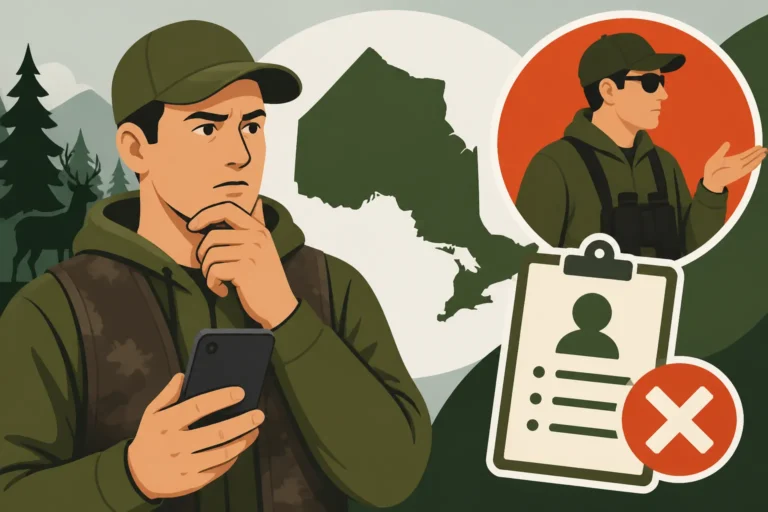
This is where things can get complex, especially for non-residents. Canada has strict regulations regarding the export of wildlife and wildlife parts, and the U.S. (or your home country) has its own import requirements.
- Ontario Non-Resident Export Permit: If you’re a non-resident hunter, you will need an export permit from Ontario to take your trophy (or any game meat) out of the province. This permit confirms that you legally harvested the animal. The fees associated with this permit are usually modest, but obtaining it is non-negotiable. It's always wise to familiarize yourself with Getting a Non-Resident Export Permit well before your hunt.
- Federal Permits (e.g., CITES): For most common game species in Ontario (deer, moose, bear, etc.), CITES (Convention on International Trade in Endangered Species of Wild Fauna and Flora) permits are generally not required for personal hunting trophies. However, if you were hunting a species that is listed, even if not harvested in Ontario, or if regulations change, additional federal permits could be necessary. Always confirm this with your outfitter or the relevant government agencies, especially when crossing international borders.
- Documentation Preparation Fees: Whether you handle it yourself or use an outfitter or shipping agent, there's a cost associated with preparing all the necessary paperwork, ensuring it's accurate, and submitted correctly. Mistakes here can lead to significant delays and additional charges at the border.
Brokerage and Customs Fees
For cross-border shipments, brokerage and customs fees are almost always part of the equation and can be a significant portion of the total cost.
- Customs Brokerage: A customs broker acts as an intermediary, handling all the paperwork and procedures required to get your trophy through customs. They ensure compliance with all import regulations, calculate duties and taxes, and communicate with customs officials on your behalf. While you can attempt to do this yourself, it's often more efficient and less stressful to hire a broker, particularly for first-timers or complex shipments. Their fees can vary widely depending on the complexity and value of the shipment.
- Import Duties and Taxes: Depending on your home country and the specific type of trophy, you might be subject to import duties or taxes. The U.S., for instance, generally allows personal hunting trophies to enter without significant duties, but it's crucial to verify current regulations before you travel. These charges are separate from the brokerage fees and are typically paid directly to customs or through your broker.
- Inspection Fees: In some cases, your trophy might be subject to inspection by wildlife or agricultural agencies at the border, incurring additional fees. This is more common with raw capes or meat, where there's a higher risk of disease transmission.
Step-by-Step: The Shipping Process and Associated Costs
Navigating the shipping process can seem overwhelming, but breaking it down into manageable steps makes it much clearer. Each stage has its own set of costs and considerations.
Initial Preparation at Camp/Outfitter
The journey of your trophy begins the moment it hits the ground. Proper initial care is not just about preserving the trophy; it's also about setting the stage for cost-effective shipping.
- Field Dressing and Caping: After a successful harvest, the first step is proper field dressing and caping. If you're planning a shoulder mount, the animal needs to be caped out correctly, ensuring enough hide is left for the taxidermist. For a full-size rug, the entire hide must be removed. Many outfitters offer these services for an additional fee, or your guide might assist. This service, though not a "shipping" cost directly, is a crucial precursor to it. An outfitter booked through a service like BookYourHunt often details these services in their package, or you can inquire beforehand.
- Salting and Drying: For capes and hides, proper preservation is critical, especially if you're not immediately taking it to a taxidermist. The hide needs to be thoroughly salted to draw out moisture and prevent hair slippage. This process takes time, often several days, and requires a suitable cool, dry place. Outfitters typically have facilities for this, again, sometimes for a charge for materials and labour. Incorrect preservation can lead to spoilage, making the hide unusable and rendering all subsequent shipping costs a waste. This is especially important for Meat Care in Ontario's Warm Early Seasons or if you're hunting in the early fall.
- Skull Cleaning (Optional): If you're opting for a European mount, the skull needs to be cleaned of all flesh. This can be done through boiling or maceration, a process that is often offered by outfitters or local taxidermists as an additional service. Shipping a raw, uncleaned skull is heavy and messy, adding to your overall hassle and expense.
Selecting a Shipping Agent or Taxidermist
Once your trophy has been initially prepared, you face a crucial decision: who will handle the shipment?
- Using Your Outfitter's Preferred Shipper: Many Ontario outfitters have established relationships with specific shipping agents or taxidermists who specialize in handling hunting trophies. This can be a very convenient option, as the outfitter will often coordinate the pickup and initial documentation. They understand the nuances of Ontario Taxidermists and Trophy Shipping. While convenient, always ask for an itemized quote to understand the costs involved.
- Directly Engaging a Shipping Company: You can research and contact shipping companies yourself. For smaller items like antlers, a major courier might suffice. For larger items or capes, a freight forwarder specializing in oversized or temperature-controlled cargo might be necessary. This requires more legwork on your part but could potentially offer cost savings if you find a competitive rate.
- Shipping to a Taxidermist: Often, hunters will ship their raw cape and antlers directly to their chosen taxidermist, either in Ontario or back in their home country. The taxidermist then handles the final preparation, tanning (for capes), and mounting. Some taxidermists also offer shipping services, handling the logistics from their shop to your home. This streamlines the process, but the shipping cost is rolled into the taxidermy bill. If you've booked your hunt with an outfitter, discuss whether they have specific recommendations, as some Ontario Tourist Outfitter operations have long-standing relationships with certain taxidermists.
Final Packaging and Freight Booking
This is the point where your trophy is ready to leave Ontario.
- Professional Packaging: Whoever is handling the shipment (your outfitter, a shipping agent, or a taxidermist) will ensure the trophy is properly crated, boxed, or otherwise prepared for transport. This involves securing antlers to prevent breakage, insulating capes, and ensuring all required tags and labels are affixed. The cost of these materials and the labour for packaging will be included here.
- Booking Freight: The chosen shipping agent or taxidermist will then book the actual freight service. This involves selecting the carrier (air, ground, sea), scheduling pickup, and coordinating with customs brokers if crossing borders. They'll typically provide you with a tracking number once the shipment is underway.
- Payment for Shipping: You’ll typically pay the shipping company or the taxidermist for the freight charges, brokerage fees, and any associated duties or taxes. Ensure you receive a detailed invoice with all costs clearly outlined. When considering a What an Ontario Guided Hunt Costs, remember to factor in these post-hunt expenses.
Tips for Minimizing Costs and Headaches
While shipping a trophy will always involve some expense, there are definitely ways to manage those costs and make the entire process smoother. A little foresight goes a long way.
Plan Ahead and Research
The single best piece of advice for minimizing shipping costs and headaches is to plan meticulously before you even leave for your hunt. Don't wait until you've tagged an animal to start thinking about how to get it home.
- Understand Requirements: If you're a non-resident, thoroughly research the import regulations for wildlife products in your home country (e.g., U.S. Fish and Wildlife Service, your state's game and fish department). Simultaneously, familiarize yourself with Ontario's export requirements, including the non-resident export permit. Websites like BookYourHunt or GoHunt often have resources or links to official government pages that can help guide your research for specific destinations or hunting scenarios in Ontario.
- Get Quotes in Advance: Contact a few shipping companies or taxidermists who handle cross-border trophy shipments and request estimated quotes. Provide them with details about the type of animal you plan to hunt (e.g., deer, moose, bear) and its approximate size. This will give you a realistic idea of the potential costs involved and help you choose a reliable service.
- Communicate with Your Outfitter: If you're going on a guided hunt, discuss trophy handling and shipping options with your outfitter well in advance. Ask what services they provide, what their preferred shipping agents are, and what additional fees you can expect. They often have established systems and can offer valuable insights. This is a key part of Planning an Ontario Hunting Trip.
Proper Field Care
As mentioned earlier, good initial field care isn't just about preserving your trophy's quality; it can also save you money and prevent complications.
- Prevent Spoilage: A spoiled cape is worthless, and any money spent shipping it would be wasted. Proper skinning, meticulous salting (if applicable), and keeping the hide cool are paramount. If a hide starts to slip hair due to improper care, it might be rejected by a taxidermist or incur additional cleaning costs.
- Reduce Weight and Bulk: For antlers, removing excess skull material (if you're not doing a European mount) can reduce weight and make crating simpler and potentially cheaper. For capes, ensuring it's well-salted and excess fat is scraped off reduces water content, which means less weight and volume. For example, if you're taking on Black Bear Hunting in Ontario, proper field care for the hide will be critical.
Considering Local Taxidermy Options
Sometimes, the most cost-effective approach isn't to ship the raw trophy across borders, but to have some or all of the work done in Ontario.
- Full Mount in Ontario: If you have the budget and the space, you could potentially have your entire trophy mounted by an Ontario taxidermist. This eliminates the complexities of shipping a raw cape and antlers across the border. You would then only need to ship the finished mount, which typically has fewer customs hurdles (though it might still be quite large and require specialized shipping). However, this would involve paying the full taxidermy cost upfront in Canada.
- Tanning the Cape in Ontario: Another option is to have the cape tanned by an Ontario tannery or taxidermist before shipping it. A tanned hide is stable, doesn't require refrigeration, and is generally easier and cheaper to ship than a raw, salted hide. It bypasses many of the inspection requirements for raw animal products. You could then ship the tanned hide and antlers to your home taxidermist.
Consolidating Shipments
If you're hunting with a group, especially if you're all targeting similar species, consider coordinating your trophy shipments.
- Shared Crate: If multiple hunters in your party are bringing back antlers of similar size, it might be possible to create one larger, shared crate. This can sometimes lead to economies of scale in terms of crating costs and freight charges compared to shipping individual smaller packages.
- Combined Documentation: A shipping agent or customs broker might be able to process paperwork for multiple trophies from the same hunting party more efficiently, potentially reducing individual documentation or brokerage fees. However, ensure that each hunter's trophy is clearly identified and that all individual permits and tags are in order for each piece. This strategy is particularly useful when planning a Hunting a Group Moose Tag Together trip where several large racks might be coming out of the bush.
No matter how you slice it, bringing a trophy home from Ontario involves some logistical planning and cost. By understanding these components and planning ahead, you can ensure your hard-earned memories arrive safely without breaking the bank.
| Shipping Component | Description | Impact on Cost (General) |
|---|---|---|
| Trophy Size & Weight | Larger antlers, full capes, or skull plates increase dimensions & weight. | High: Direct impact on freight cost, requiring larger/custom packaging. |
| Destination Distance | Remote origins, international destinations, and overall distance. | High: Longer routes, specialized handling for remote areas, cross-border complexities. |
| Type of Service | Standard ground vs. expedited air freight. | Medium-High: Air freight is significantly more expensive than ground for speed. |
| Crate/Packaging | Custom wooden crates for antlers, insulated boxes for capes, preservation materials. | Medium: Essential for protection; custom builds add cost. |
| Export Permits | Mandatory Ontario Non-Resident Export Permit. | Low: Usually a nominal fee, but crucial for legality. |
| Brokerage/Customs Fees | Services of a customs broker for cross-border shipments, import duties/taxes. | High (for cross-border): Can be a substantial portion of total cost, varies by value/type. |
| Inspection Fees | Potential fees for wildlife/agricultural inspections at borders. | Low-Medium: Occasional, more common for raw capes/meat. |
| Taxidermy Preparation | Field dressing, caping, salting, initial drying done by outfitter/guide. | Medium: Often separate from shipping, but essential pre-shipping service. |
| Insurance | Optional coverage against damage or loss during transit. | Low-Medium: Percentage of declared value; highly recommended for valuable trophies. |
Disclaimer
This article is for general informational purposes only and does not constitute professional advice. Laws, prices and regulations vary by location and change over time. Consult a qualified professional for guidance on your specific situation.