Hunting a Portage Route in the Bush
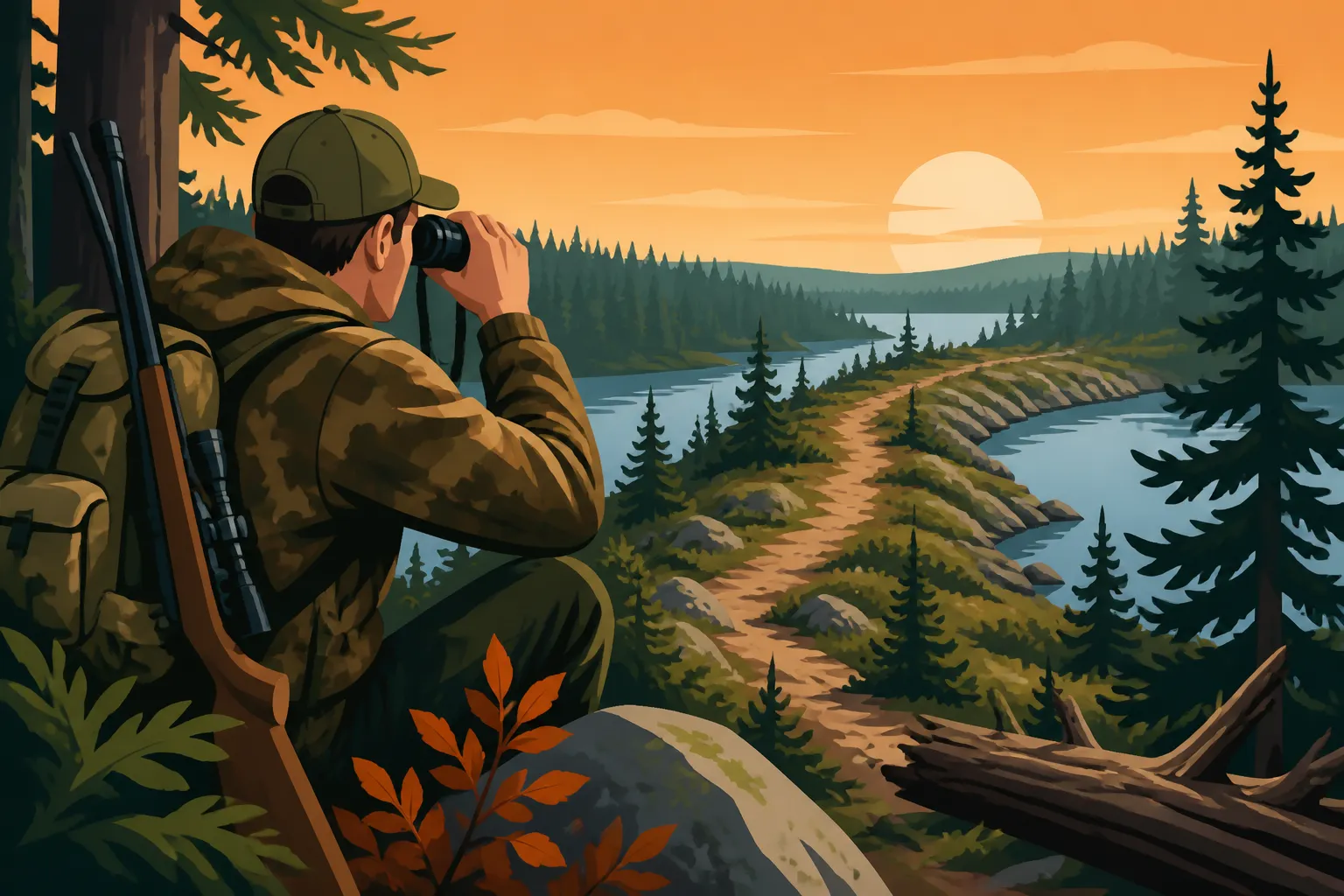
For hunters always searching for that elusive, less-pressured spot, those hidden gems deep in the backcountry, the idea of hunting a portage route can feel like finding a secret map. It's tough, often gruelling work, dragging gear and canoes through the wilderness, but these narrow paths, carved by generations of voyageurs and wildlife alike, offer incredible opportunities that many hunters overlook. This guide will walk you through why these routes are so promising, how to scout them effectively, and the strategies and gear you'll need to successfully hunt these challenging yet rewarding areas in Ontario's vast bush.
Why Portage Routes Are Prime Hunting Ground
Portage routes aren't just pathways; they're vital arteries in the wilderness, connecting lakes, rivers, and otherwise impassable terrain. For wildlife, they represent predictable travel corridors, especially where water is a significant barrier or a source of sustenance. This makes them natural magnets for game, offering a unique hunting advantage.
Natural Funnel Points for Wildlife
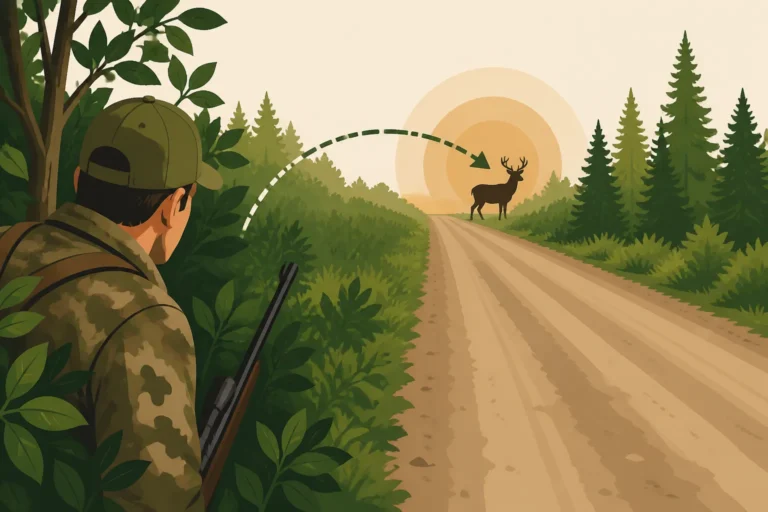
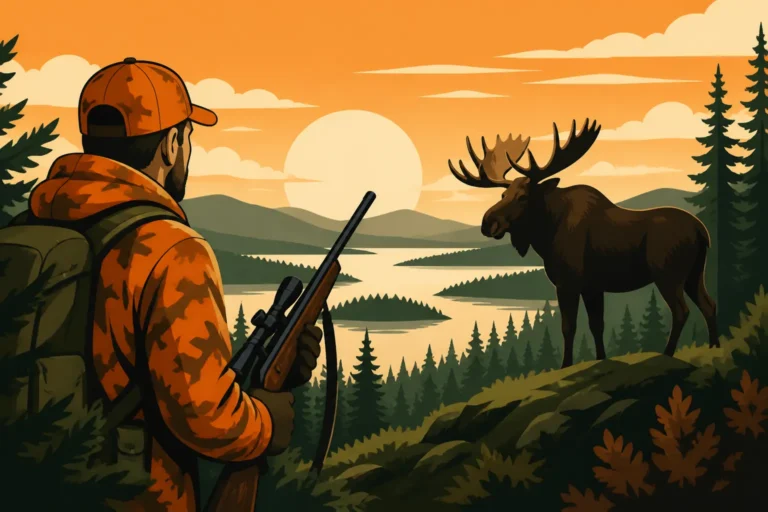
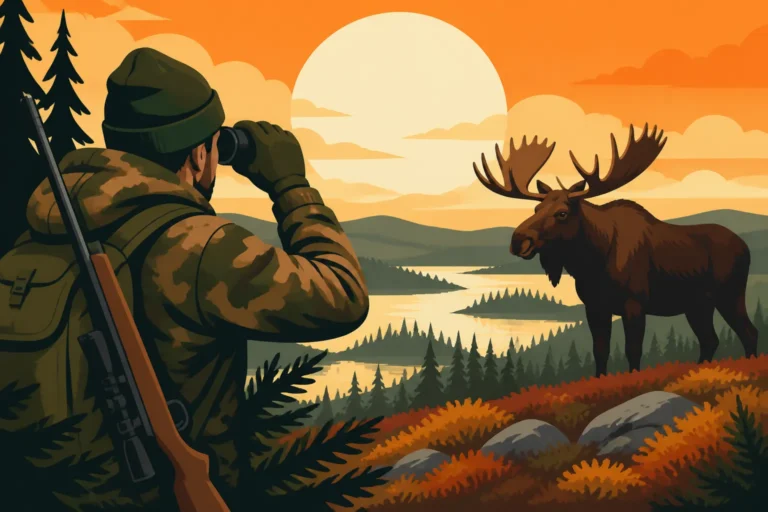
Imagine a moose moving between two large lakes, or a whitetail deer wanting to cross a marshy area too deep to wade easily. Animals, just like us, prefer the path of least resistance. A portage route, by its very nature, is a bottleneck, a natural funnel where the landscape narrows their travel options. This makes these routes high-percentage areas to intercept game. You might find deer using them to move between feeding and bedding areas, or bears travelling to a berry patch on the other side of a rocky ridge. These routes often follow contours that offer cover and ease of travel, consolidating game movement into predictable patterns, which is exactly what we as hunters are looking for. They're like nature's own trail cameras, showing you exactly where animals prefer to pass.
Access to Remote Areas
One of the biggest frustrations for many hunters is finding ground that hasn't been pounded by others. Road access often means heavy hunting pressure. Portage routes, however, demand effort. They require physical exertion, paddling, and sometimes multiple trips to get gear in, which immediately thins out the competition. This difficulty is your advantage. By pushing deeper into the bush, perhaps through a series of lakes connected by portages, you can access areas that see very little human disturbance. This remoteness often translates to older, less wary animals, and sometimes, higher game densities. Think about those vast tracts of Hunting Ontario's Crown Land – many of the most remote sections are only truly accessible by canoe and portage.
Historical Significance for Animal Movement
Many portage routes aren't new; they've been used for centuries, first by Indigenous peoples, then by trappers and explorers. Animals have used these same corridors for millennia. They are ingrained travel patterns, often following natural features like subtle ridges, dry ground through swamps, or the easiest grade over a hill. These aren't just random trails; they're established pathways that have proven efficient for generations of wildlife. Animals instinctively know these routes, and they'll continue to utilize them, especially during migratory periods or when moving between seasonal habitats. It's like finding an ancient game trail that simply happens to be maintained by human foot traffic, offering a clear, discernible path to follow.
Scouting and Locating Promising Portage Routes
Finding a good portage route isn't always as simple as opening a map. It requires a combination of modern technology and old-fashioned boots-on-the-ground effort. Successful scouting minimizes wasted time and maximizes your chances of encountering game when the season opens.
Utilizing Topographic Maps and Satellite Imagery
Before you even think about lacing up your boots, fire up your computer or tablet. Modern mapping apps are absolute game-changers for identifying potential hunting spots. Programs like onX Hunt or GoHunt allow you to zoom in and see intricate details of the landscape. Look for lines connecting bodies of water, especially those that traverse ridges, cross narrow land bridges, or bypass rapids. You'll want to identify choke points, areas where the terrain forces animals to travel a specific way. Pay attention to changes in elevation, stand types (hardwood ridges, cedar swamps), and proximity to known food sources.
For example, a portage route that cuts through a hardwood ridge flanked by two wetlands could be a perfect travel corridor for whitetails seeking acorns. Or, one that follows a creek between two large lakes might be a hotspot for moose moving between feeding areas. Satellite imagery can help confirm if a "line" on a topo map truly looks like a worn path or a more open, walkable corridor. You can also identify natural funnels or pinch points that might not be explicitly marked as a portage but serve the same function for wildlife. Scouting With Satellite Imagery in Ontario before you go is one of the best ways to get a feel for the lay of the land without leaving home.
On-the-Ground Reconnaissance
There's no substitute for getting out there and seeing it with your own eyes. Once you've identified a few promising routes on your maps, plan a scouting trip during the off-season. Walk the entire length of the portage. Look for fresh animal tracks, droppings, rubs, and scrapes. Are there heavy trails entering or exiting the portage? Where are the most worn sections? What kind of cover does it offer? Is there a good vantage point for a stand, or a natural ambush spot?
Pay attention to how the portage interacts with the surrounding habitat. Does it lead to a remote beaver pond? Does it connect two sections of prime moose browse? You're not just looking at the path itself, but its relationship to the broader ecosystem. While you're at it, assess the difficulty of the portage for yourself. Is it a short, easy walk, or a grueling climb over rocks and roots? This will inform your hunting strategy and how much gear you're willing to haul in.
Reading Sign on the Trail
Once you're on the ground, your eyes should be peeled for every clue nature leaves behind. Fresh tracks are obvious, but don't overlook older ones. Deep, worn tracks suggest consistent use. Look for moose rubs on trees along the edges of the portage, or where they've browsed saplings. For deer, look for fresh droppings, especially if they contain remnants of acorns or other food sources. Scrapes and rubs along the portage indicate a buck actively working the area, particularly during the rut.
Consider the time of year you're scouting. What might be a travel corridor in the fall might be a bedding area in the summer. Pay attention to details like hair caught on thorny bushes, or flattened grass where an animal has rested. If you come across a Beaver Dam Crossing that's part of the route, check for signs of game crossing the dam, as these are often major pinch points. Every piece of sign tells a story about how animals are using that specific portage route.
Strategies for Hunting Portage Routes
Hunting portage routes requires a slightly different approach than hunting a typical bush lot or farmland edge. It's often about patience, stealth, and understanding how animals interact with these linear features in the landscape.
Still-Hunting the Edges
Still-hunting is perhaps one of the most effective strategies for portage routes. Instead of sitting in one spot, you move slowly, deliberately, taking a few steps, then stopping to scan and listen. You're not just walking the trail; you're hunting alongside it. Many animals will travel parallel to the portage, just inside the cover, where they feel safer. This means focusing your attention not just on the trail itself, but 20-50 yards into the bush on either side.
Move with the wind in your face, or at least a crosswind, always paying attention to scent. Take advantage of natural cover, such as thick stands of spruce or a cluster of boulders. Glass ahead, looking for horizontal lines in a vertical world – the back of a deer, the curve of a moose's antler. This method works well for various species, whether you're Ruffed Grouse Hunting Ontario's Bush Roads or looking for a whitetail. It’s a game of observation and patience, covering ground quietly and methodically, allowing you to react to the subtle sounds and movements of the forest.
Setting Up a Blind or Stand
If you've identified a particularly active section of a portage route – maybe a fresh scrape line, a well-used game trail intersecting it, or a clear funnel between two natural barriers – setting up a blind or stand can be an excellent tactic. A ground blind brushed into the edge of the portage, or a portable treestand overlooking a pinch point, can allow you to sit quietly and observe for extended periods.
When choosing a stand site, think about wind direction and visibility. You want to be downwind of where you expect the animals to approach and have a clear shooting lane. Consider the sun's position throughout the day to avoid being silhouetted. If you're hunting an active Hunting a Beaver Meadow Crossing, a stand positioned to overlook the crossing and the portage could be deadly. The key is to minimize your disturbance during setup and ensure your scent isn't lingering in the area. This is a tactic often employed when Hunting Deer in Ontario's Mixed Forest where animals are accustomed to thicker cover.
Understanding Wind and Scent
This is absolutely critical when hunting any game, but especially along predictable travel corridors like portage routes. The wind dictates everything. Animals rely heavily on their sense of smell, and if your scent drifts into their path, your hunt is over before it even begins. Always approach and hunt with the wind in your favour. This means understanding prevailing wind patterns for your specific hunting area and checking conditions daily.
Beyond direct wind direction, consider thermals. In the mornings, as the air warms, thermals tend to rise, carrying your scent upwards. In the evenings, as the air cools, thermals drop, carrying your scent downwards. This is particularly important in hilly or undulating terrain. Position yourself so that your scent cone is blowing away from where you expect game to be. Use scent-reducing sprays on your clothing and gear, and store hunting clothes in scent-proof bags. Never take chances with your scent when you're hunting a funnel point.
Gear and Considerations for Remote Portage Hunting
Hunting deep in the Ontario bush, especially on portage routes, means you're often far from help. Your gear needs to be reliable, and your preparation thorough. This isn't a casual stroll; it's an expedition.
Essential Equipment for Backcountry Hunts
When you're packing for a hunt that involves portaging, every item needs to earn its place. Weight and durability are paramount. Beyond your weapon, ammunition, and Ontario Hunting Licences and What They Cost, you'll need:
- Mapping & Navigation: A reliable GPS unit or a smartphone with a hunting app like onX Hunt, loaded with offline maps, is non-negotiable. Always carry a physical compass and a paper map as a backup. There's nothing worse than getting What to Do If You Get Turned Around deep in the bush.
- Shelter: A lightweight, durable tent or tarp, even for day hunts, for emergency shelter.
- Water Purification: A filter or purification tablets are crucial. Don't rely solely on carrying enough water.
- First Aid Kit: A comprehensive kit for cuts, scrapes, blisters, and any potential emergencies.
- Fire Starting: Multiple methods – waterproof matches, lighter, fire steel.
- Communication: A satellite messenger (like a Garmin inReach or Zoleo) for emergency communication beyond cell service.
- Appropriate Clothing: Layers, including waterproof outer shells, that can handle Ontario's unpredictable weather. Think about the Truck Kit for a Northern Ontario Hunt – many of those items apply here, even if slightly scaled down.
- Game Processing Tools: Sharp knives, game bags, and perhaps a small saw for bone.
- Headlamp/Flashlight: With spare batteries.
- Paddles and PFDs: If you're using a canoe or kayak to access the portages.
Remember, if you're undertaking Canoe-In Hunting on Ontario Crown Land, you might be adding more specific gear like dry bags and specialized paddling equipment to this list.
Safety and Emergency Preparedness
Being remote means being self-reliant. Always tell someone your detailed hunt plan, including your route, expected return time, and who to contact if you don't check in. Pack enough food for an extra day or two in case of unforeseen delays. Understand basic wilderness first aid and carry appropriate supplies.
Bear spray is a sensible precaution in bear country. Be aware of your surroundings, listen for sounds, and always carry a whistle. Know how to signal for help if needed. The physical demands of portaging can be significant, so be honest about your fitness level and don't push beyond your limits, especially when carrying heavy loads.
Game Retrieval Challenges
This is where hunting a portage route really hits home. If you're successful in taking down a deer or a moose deep in the bush, the work has only just begun. Unlike hunting near a road, you can't just call a friend with an ATV. Retrieval will likely involve quartering the animal and packing it out, often over multiple trips across the portage.
Consider how you will manage meat care, especially if temperatures are warm. Meat Care in Ontario's Warm Early Seasons can be a major concern. Bring heavy-duty game bags, a sturdy pack frame, and perhaps a small tarp or plastic sheeting to keep the meat clean during the initial breakdown. If you've been Hunting Moose From a Boat or Canoe, the added challenge of loading quarters into a canoe and paddling out needs to be factored into your plan. This is where a hunting partner, or even a small group, can make a huge difference, as teamwork significantly eases the burden of retrieval.
Portage Hunting Considerations
Here's a quick look at the advantages and challenges you'll face when hunting Ontario's portage routes:
| Aspect | Advantages | Challenges |
|---|---|---|
| Game Access | Accesses less-pressured, remote areas; natural funnels | Requires significant physical effort; time-consuming |
| Hunting Pressure | Generally much lower than road-accessible areas | You might be the only one for miles, no immediate help |
| Wildlife Behavior | Animals are often less wary due to less human interaction | Game may be sparse if the area isn't naturally productive |
| Scouting | Online tools helpful; clear game movement patterns | Physically demanding; may require multiple trips |
| Retrieval | Game concentrated along a path (eventually) | Extremely difficult and labour-intensive; requires quartering |
| Gear Requirements | Emphasizes lightweight, durable, and multi-functional gear | Heavy pack loads; need for specialized canoe/portage equipment |
| Safety | Solitude and true wilderness experience | Increased self-reliance; further from emergency services |
Hunting a portage route in the Ontario bush isn't for the faint of heart, but for those willing to put in the effort, the rewards can be incredible. It's a chance to truly immerse yourself in the wilderness, test your skills, and perhaps even fill your tag in a place few others bother to reach. With proper planning, the right gear, and a solid understanding of animal movement, these hidden highways of the wild can lead you to an unforgettable hunting experience.
Disclaimer
This article is for general informational purposes only and does not constitute professional advice. Laws, prices and regulations vary by location and change over time. Consult a qualified professional for guidance on your specific situation.