Hunting a Beaver Flowage in the Bush
Navigating Ontario's vast wilderness can feel like trying to find a needle in a haystack, especially when you're searching for those sweet spots where game congregates. It's easy to get overwhelmed by endless tracts of bush, wondering where to even begin. But savvy hunters often learn that some of the most productive areas aren't always the obvious clearcuts or sprawling fields. This guide will walk you through the often-overlooked goldmines that are beaver flowages, detailing why they are natural magnets for game, how to read their subtle clues, and the tactics you can employ to make your hunt a success in these unique environments.
Why Beaver Flowages are Prime Hunting Real Estate
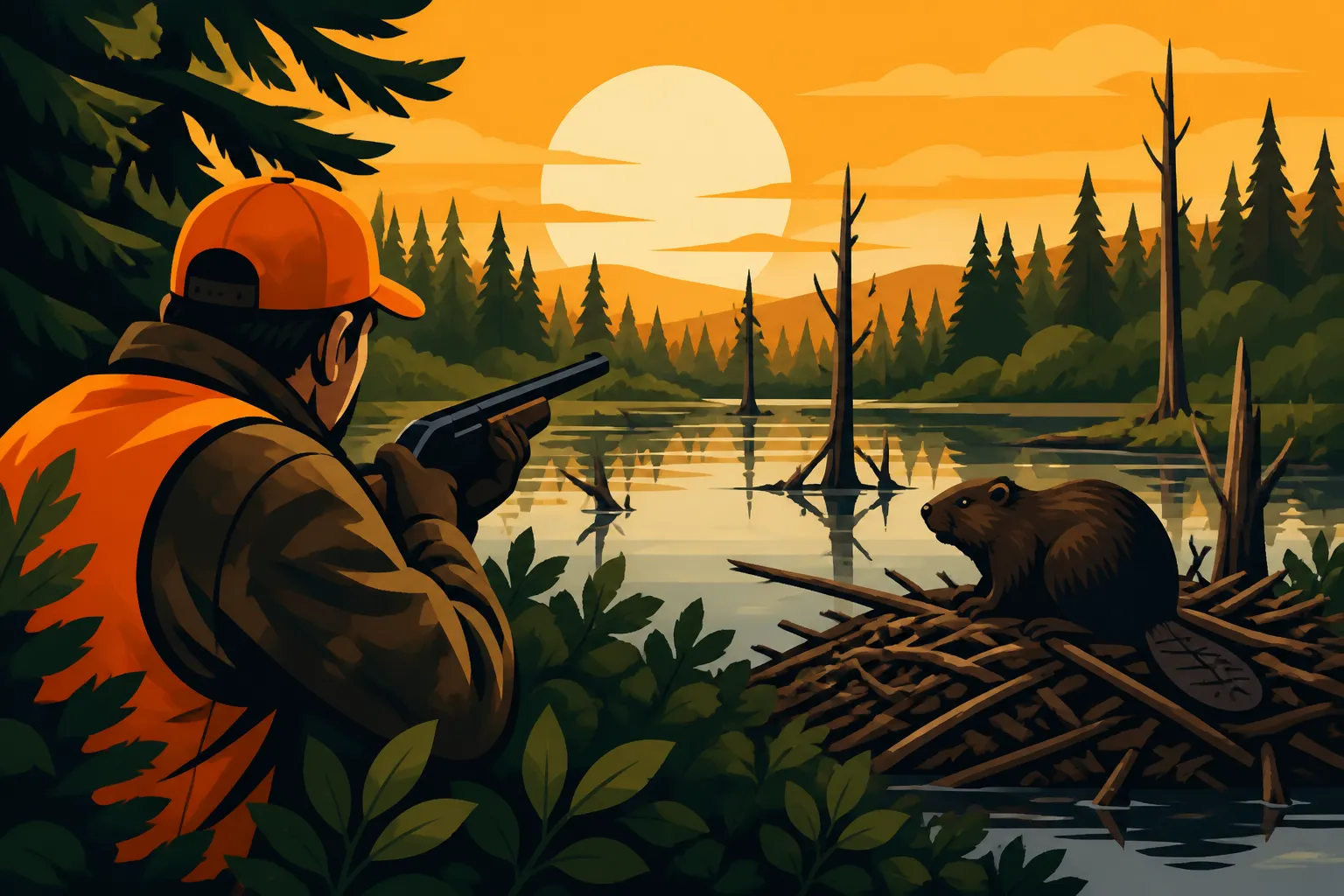
Beaver flowages, those incredible landscapes sculpted by industrious beavers, are far more than just muddy ponds. They are dynamic ecosystems that create unparalleled opportunities for hunters. Think about it: water, diverse vegetation, cover, and natural travel corridors – it’s a wildlife buffet and highway all rolled into one. When you find an active beaver flowage in the middle of a big block of bush, you've found a hub of activity that concentrates game like few other places can.
First and foremost, a beaver flowage provides a reliable water source. Every living creature needs water, and in many parts of the Ontario bush, especially during drier spells, these flowages become crucial watering holes. Deer, moose, and even bears will frequent these areas for a drink, often multiple times a day. This predictable need for water creates regular travel patterns that you, as a hunter, can exploit. It's not just for drinking, either; many species will wade in to cool off during warmer parts of the season or to escape biting insects.
Beyond water, flowages create an incredible amount of "edge habitat." This is where different ecosystems meet – in this case, water, emergent wetland vegetation, and the surrounding forest. Edges are biological hotspots because they offer the advantages of multiple habitats. You'll find lush new growth along the water's edge, attracting browsers like deer and moose. The dense alders, willows, and cattails provide excellent cover for bedding and escape. Mature trees on the upland side offer security and food sources like acorns or beech nuts when available. This mosaic of environments ensures that game can find everything they need within a relatively small footprint, concentrating their activity.
Consider the vegetation. The flooding caused by beaver dams kills off existing trees, but then new, succulent growth sprouts up, creating a smorgasbord for herbivores. Young poplar, willow, and various wetland plants thrive in these disturbed areas, offering highly palatable browse for moose and deer. Bears will often forage for berries along the edges in late summer and fall, or even dig for roots and grubs. This constant cycle of destruction and regeneration means a steady food supply, making flowages attractive year-round.
Finally, beaver flowages often act as natural funnels and travel corridors. Animals tend to follow the path of least resistance. Instead of pushing through dense, tangled forest, they'll often skirt the edge of a flowage, or even use the dam itself as a crossing point. These dams, built by the beavers, become well-worn highways for deer, moose, and predators moving between bedding areas and feeding grounds. Look for narrow sections where the bush pinches down close to the water, or where an old logging road or game trail intersects the flowage – these are undeniable hotspots. Hunting a Beaver Meadow Crossing is a fantastic read if you want to dive deeper into these specific crossing points. For waterfowl hunters, these wetlands are obvious magnets, providing excellent resting and feeding grounds for ducks and geese, especially during migration.
Reading the Signs Around a Beaver Flowage
Stepping into a beaver flowage without a clear understanding of what you're seeing is like trying to read a book in a foreign language. The bush, especially around these dynamic water systems, is constantly telling a story if you know how to interpret the clues. Learning to read these signs is paramount to understanding how game uses the area and, ultimately, to placing yourself in the best position for a successful hunt.
First, let's talk about the architects themselves: the beavers. Active beaver sign is a huge indicator that the habitat is vibrant. Look for fresh cuttings – trees with distinct chisel marks, often poplars or birches, that have recently been felled. You might see fresh mud on the dam or lodge, indicating ongoing repairs. Clear, well-used channels through the water, especially where they exit the main pond, are beaver highways and often game trails too. The presence of active beavers means the water levels are likely stable, the habitat is being maintained, and the ecosystem is thriving. If the flowage looks neglected, with a rotting dam and no fresh activity, it might still hold game, but it's not the same dynamic hotspot an active one creates.
Beyond beaver activity, you're on the hunt for game sign. Start at the water's edge. Soft, muddy banks are like a canvas for animal tracks. Look for deer tracks, distinct heart-shaped prints, often in groups where multiple animals have passed. Moose tracks are much larger, deeper, and often more elongated, indicative of their massive size. Bear tracks will show distinct paw pads and claw marks. Pay attention to the direction of travel – are they heading into dense cover, towards a feeding area, or along the edge? These tracks tell you where they're coming from and where they're going. Reading Whitetail Sign in Ontario Hardwoods provides excellent general knowledge about deer sign that applies to flowages too.
As you move slightly away from the immediate water's edge into the surrounding bush, look for other signs. Scat (droppings) can tell you what kind of animal has been there and what they've been eating. Deer pellets, moose droppings, or bear scat filled with berries are all valuable clues. For deer and moose, keep an eye out for rubs and scrapes. Rubs are where bucks or bulls have polished their antlers on small trees, usually indicating their travel routes or territory. Scrapes, patches of bare earth where deer have pawed and urinated, are communication hubs, especially during the rut. Hunting the Rut in Early to Mid November emphasizes the importance of these signs during peak activity. In dense alders or willows, look for browse lines – areas where deer or moose have consistently eaten leaves and twigs up to a certain height.
Understanding the terrain and how wind and thermals move around a flowage is also critical. Water bodies create their own microclimates. Early in the morning, cold air sinks into the flowage, creating a downdraft. As the sun rises and warms the land, thermals will often start to rise, pulling scent upwards. In the evening, the reverse can happen. Knowing how the air moves will help you position yourself downwind of where you expect game to appear, preventing your scent from alerting them. This is where advanced mapping tools become incredibly useful. Programs like onX Hunt allow you to layer satellite imagery with topographic maps, giving you a detailed view of elevation changes, water features, and vegetation density even before you set foot in the bush. This kind of pre-scouting with satellite imagery can save you hours of wasted effort and point you towards the most likely travel routes and pinch points.
Tactics for Hunting a Beaver Flowage
Once you've identified a promising beaver flowage and spent some time interpreting its secrets, it's time to put a hunting plan into action. The unique characteristics of these areas demand specific tactics, whether you're after whitetails, moose, bears, or even waterfowl.
The first and most crucial step is thorough scouting, and I mean thorough. Don't just walk the edges; spend time observing. Are there clear trails leading into or out of the flowage? Where are the most heavily used crossings? What time of day does activity seem to peak? Use mapping tools like onX Hunt to mark every piece of sign you find: fresh tracks, rubs, scrapes, bedding areas, and feeding zones. This will help you build a picture of animal movement. You might even find an old logging road that runs close to the flowage, providing quieter access. Scouting a Wildlife Management Unit will give you a great overview of effective scouting strategies.
Accessing a beaver flowage can be tricky. The ground is often wet, mucky, and can be surrounded by dense, nearly impenetrable alders or dogwood. Waders or knee-high waterproof boots are often a necessity. Consider using a canoe or kayak if the flowage is large enough and has navigable channels. A quiet approach by water can be incredibly effective, allowing you to get deep into areas that land-based hunters might avoid, especially for jump-shooting waterfowl or quietly setting up for moose. Canoe-In Hunting on Ontario Crown Land can offer more insights into this approach.
When it comes to stand or blind placement, think "pinch points" and "cover." Look for areas where the thick bush meets the water, creating a narrow corridor where animals are forced to travel close by. A well-placed treestand overlooking a beaver dam that serves as a crossing point, or a ground blind tucked into dense cover downwind of a well-used trail, can be deadly. Always position yourself so the prevailing wind carries your scent away from where you expect game to approach. This is where your pre-scouting and knowledge of thermals comes in handy. Remember, Hanging a Stand on an Ontario Bush Edge has specific advice that can apply beautifully to a flowage scenario.
For deer hunting, still-hunting along the edge of a flowage can be highly effective. Move slowly, taking one or two steps, then stopping to scan for long periods. Use binoculars to pick apart the dense cover. Whitetails often feel secure in the thick vegetation around flowages, and you might surprise one bedded down. During the rut, rattling and grunt calls can be very effective, as the sounds carry well over the water and open areas of the flowage.
Moose hunting in a flowage can be incredibly exciting. These areas provide excellent browse, and bulls will often patrol the edges, especially during the rut, looking for cows. Sitting quietly and calling can bring a bull right into range. Cow calls and grunts, mimicking a lonely cow or a bull asserting dominance, can be very effective, especially at dawn and dusk. Calling a Bull Moose in the Rut is a must-read for anyone looking to try this tactic. Bears also frequent flowages, especially in spring when fresh greens are abundant, and in fall for berries. They often follow the same game trails as deer and moose, so keep an eye out for fresh sign.
For waterfowl, beaver flowages offer fantastic opportunities for jump-shooting or setting up a small decoy spread. Ducks and geese will often feed in the shallower parts of the flowage or rest on the water. A quiet stalk along the bank or a patient wait in a natural blind can yield excellent results. Hunting Ducks in an Ontario Cattail Marsh provides more detailed strategies for hunting wetland birds.
No matter the species, patience is your best friend. Beaver flowages, while productive, often require a calm, methodical approach. The sounds of nature, from chirping birds to splashing beavers, can help mask your presence, but sudden movements or loud noises will quickly alert any game in the vicinity.
Planning Your Hunt and Gear Considerations
A successful hunt around a beaver flowage requires meticulous planning and the right gear to handle the unique challenges of these wetland environments. It’s not just about the shot; it’s about safety, comfort, and preparedness for whatever the Ontario bush throws at you.
First up: mapping and navigation. You absolutely cannot head into the bush around a flowage without reliable navigation. Cell service is often non-existent in remote areas. A GPS unit or a reliable hunting app on your phone with downloaded offline maps (like onX Hunt or GoHunt) is non-negotiable. These tools allow you to pinpoint your location, mark crucial waypoints (like your truck, the flowage, game sign, or stand locations), and track your route. Studying these maps beforehand helps you understand the topography, identify potential access routes, and locate those subtle pinch points where game is likely to travel. Scouting With Satellite Imagery in Ontario explains how to get the most out of these tools. Always carry a compass and a physical map as a backup – batteries die, and electronics fail.
Footwear and clothing are critical. You will be dealing with wet conditions. Waterproof boots, preferably knee-high or chest waders depending on how deep you plan to get, are essential. You don't want cold, wet feet spoiling your hunt or, worse, leading to hypothermia. Dress in layers, as exertion and sitting still can lead to fluctuating body temperatures. Breathable, quick-drying materials are a boon. Even if it's a warm early season, a surprise rain shower can make you miserable quickly. Don't forget your blaze orange, as required for big game seasons in Ontario – How Much Blaze Orange Ontario Requires will detail the specifics.
Scent control takes on even greater importance in a confined, often humid environment like a flowage. Air movement can be unpredictable, and moisture tends to hold scent. Employ a full scent control regimen: wash clothes in scent-free detergent, shower with scent-free soap, and use scent-eliminating sprays. Pay close attention to wind direction and thermals when selecting your stand or blind location.
For calling, bring the appropriate devices for your target species. Moose calls are bulky but essential if you're trying to lure a bull. Deer grunts, bleats, and rattles are lightweight and can make a big difference, especially during the rut. If you're after waterfowl, a good duck or goose call is a must.
Access strategy is key. Consider how you will get to your chosen hunting spot quietly and efficiently. Is there an old logging road that gets you close? Can you use a canoe or small boat? If walking, plan your route to avoid disturbing the area. Factor in how long it will take to get in and out, especially if you're planning a dawn or dusk hunt.
Finally, safety is paramount. The dense bush and wet conditions around flowages can be disorienting. Always let someone know where you're going and when you expect to return. Carry a whistle, a fire starter, a first-aid kit, and enough water and high-energy snacks for longer than you anticipate being out. Getting turned around in thick cover, especially as darkness falls, is a real possibility. What to Do If You Get Turned Around is invaluable reading for any bush hunter. If you are successful, remember that game retrieval can be challenging in these wet environments. Plan for how you will get your animal out, whether by dragging, quartering, or even using a canoe. Meat Care in Ontario's Warm Early Seasons offers vital advice on preserving your harvest.
Hunting a beaver flowage offers a unique and rewarding challenge. With the right preparation, knowledge, and respect for these vibrant ecosystems, you can unlock some of Ontario's most productive hunting grounds.
Disclaimer
This article is for general informational purposes only and does not constitute professional advice. Laws, prices and regulations vary by location and change over time. Consult a qualified professional for guidance on your specific situation.