Ontario WMUs Reachable Only by Plane
For many hunters, the ultimate dream is to escape the crowds, to truly immerse themselves in the untouched wilderness, and pursue game where human pressure is minimal. However, realizing this dream in Ontario often means facing the harsh reality of access: roads eventually end, and vast tracts of the province remain utterly unreachable by vehicle or even ATV. This guide is all about those deeply remote Ontario Wildlife Management Units (WMUs) that can only be accessed by plane, helping you understand the unique challenges and incredible rewards of such an adventure.
The Call of the Ultra-Remote: Why Go Where Roads Don't?
There's a special allure to hunting country that most people will never see. It's not just about getting away from it all; it's about connecting with a primal hunting experience, one that pushes your skills and self-reliance to their limits. In Ontario, the further north you go, and the deeper into the Shield country or the vast Boreal Forest, the more common these plane-access-only WMUs become.
Unpressured Game and Trophy Potential
One of the biggest draws to these ultra-remote areas is the potential for unpressured game. When a bull moose has rarely seen a human, or a black bear hasn't been constantly harassed by hunters, their behaviour is naturally less wary. This can translate to better hunting opportunities and, for some, the chance at a truly mature animal. Think about a remote lake surrounded by miles of unbroken forest – that's prime moose habitat, often undisturbed. The game animals here live on their own terms, governed by the rhythm of the wilderness, not the intrusion of roads and human activity. The sheer scale of the land, coupled with limited access, means pockets of wildlife can thrive with minimal disturbance.
True Wilderness Experience
Beyond the game itself, hunting in a plane-access-only WMU offers an unparalleled wilderness experience. You are entirely self-sufficient, relying on your skills, your gear, and your planning. There are no corner stores, no gas stations, and often, no other people for dozens, even hundreds, of kilometres. This solitude forces a deep appreciation for the natural world and strips away the distractions of modern life. Imagine watching the Northern Lights dance over a remote lake, or hearing a wolf howl under a clear, star-filled sky – these are the moments that truly define a remote Ontario hunt. It's a chance to feel truly small in a vast, wild landscape, to operate entirely on nature's terms, and to come away with stories that go far beyond just the harvest. It’s an immersion that few other hunting experiences can offer.
Pinpointing Ontario's Plane-Access-Only WMUs
The first step in planning any remote hunt is figuring out where these areas actually are. This isn't always as straightforward as it sounds, as maps can sometimes be misleading or out of date, especially when it comes to old logging roads.
Reading the Topography: Lakes, Rivers, and Forest
When you're studying maps for remote hunting potential, you're looking for vast expanses of green – unbroken forest cover – interspersed with lakes and rivers, but critically, no discernible roads. Modern mapping tools like onX Hunt or even services like GoHunt with their detailed satellite imagery are invaluable here. You're trying to identify WMUs or significant portions of WMUs that lack any ground access points. These often appear as large, blocky areas without the tell-tale spiderweb of logging roads or the thin lines indicating gravel tracks.
Look for areas north of the major east-west highways, deep within the Canadian Shield. Some prime examples might be found far north of cities like Thunder Bay, Kenora, or Timmins, extending towards the Hudson Bay Lowlands. It's a game of negative space: if there's no road, and the terrain is too rugged for ATV or boat-in from a distant access point, then it's a candidate for plane access. You'll often see these WMUs are larger, more remote, and perhaps less discussed in common hunting circles precisely because of their limited access. Many of these areas are also home to major river systems, which, while offering boat access within the WMU once flown in, don't provide a continuous route from the main road networks.
General Regions for Air Access
While specific WMU numbers can change boundaries or regulations, there are general regions in Ontario where plane-access is often the only practical way to hunt.
- Northwestern Ontario: Think of the vast wilderness north of Sioux Lookout, Dryden, and Ignace. This region is dotted with countless lakes and is characterized by dense boreal forest and rugged Precambrian Shield. Many lakes here are fly-in fishing destinations that double as prime hunting grounds come fall. Areas near the Manitoba border, stretching north towards the larger lakes like Lac Seul and Lake Nipigon, but beyond their main access points, will often require air travel. Hunting Northwestern Ontario's Big Bush gives you a sense of the scale.
- Northeastern Ontario: While there are more roads in certain parts, venturing deep into WMUs north of Cochrane, Hearst, or Chapleau can quickly lead you into country where air access becomes necessary. The Clay Belt region, with its dense forests and muskeg, can be particularly challenging to navigate without air support once off the main arteries.
- Far Northern Ontario: Beyond the reach of even small northern communities, towards James Bay, the entire landscape becomes essentially air-access-only for hunting. While these areas are incredibly remote, they also present extreme logistical challenges and are typically pursued by only the most experienced and well-equipped groups, often with the support of highly specialized outfitters. These are the vast, silent places where the land truly dominates.
It's vital to cross-reference multiple map sources and even consult with floatplane operators or experienced outfitters familiar with the specific WMU you're targeting. An old logging road shown on one map might be completely overgrown and impassable on the ground, making air travel the only realistic option.
The Logistics of Flying In: More Than Just a Ride
Deciding to hunt a plane-access-only WMU is a commitment, and the logistics of getting yourself and your gear in and out are paramount. This isn't just about booking a flight; it's about a complete re-evaluation of your hunt plan.
Float Plane Charters: Your Wilderness Chariot
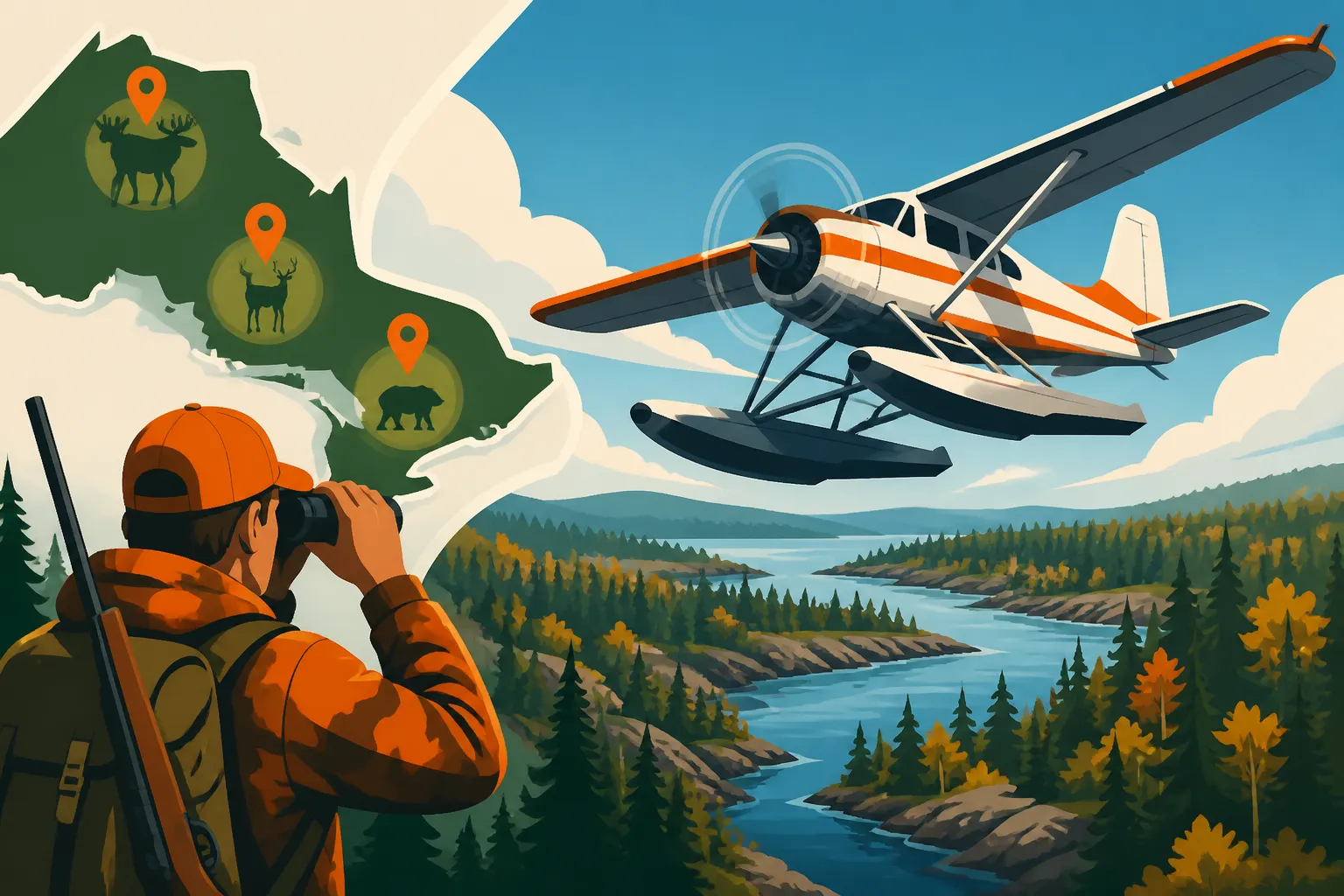
The float plane is the quintessential symbol of northern wilderness access, and it's your lifeline to these remote WMUs. These specialized aircraft can land on any suitable lake, dropping you off with your gear and picking you up at a predetermined time.
- Booking and Cost: Float plane services are typically booked well in advance, sometimes a year or more, especially for peak hunting seasons like the moose rut. Costs are usually based on a combination of flight time (hourly rates) and the weight of your cargo. Expect this to be a significant portion of your overall hunt budget. It's not uncommon for a round trip to involve multiple flights to ferry all hunters and gear, and then again for the meat and trophies on the way out. Always get a clear quote that outlines all potential charges, including standby time if weather delays your pickup.
- Weight Limits and Gear: This is where the rubber meets the runway, so to speak. Float planes have strict weight limits, and every pound counts. You need to be ruthless in packing, prioritizing essential gear and minimizing luxuries. Think lightweight camping equipment, freeze-dried meals, and efficient packing methods. This is not the time for bulky coolers or heavy camp chairs. Your outfitter or air charter service will advise you on specific limits, and you absolutely must adhere to them. What a Fly-In Camp Weight Limit Means is something every remote hunter needs to understand thoroughly.
- Float Plane Options: From smaller Cessnas (like a 180 or 185) carrying maybe two hunters and gear, to larger DHC-2 Beavers or Otters that can handle a group of four to six with substantial loads, the type of plane will dictate your group size and gear capacity. Many outfitters who run Fly-In Hunting Camps will have their own fleet or dedicated charter arrangements.
Extracting Your Harvest: The Toughest Part
Okay, you've successfully harvested a moose deep in the bush. Now what? Getting that animal out is often the single most challenging aspect of a plane-access hunt.
- Field Quartering is Essential: There's no way you're dragging a whole moose to a lake. You'll need to expertly quarter the animal, bone out as much meat as possible, and pack it into game bags. This requires sharp knives, knowledge of anatomy, and plenty of patience. Quartering a Moose Alone in the Bush is a skill worth practicing or learning well before you go.
- Multiple Flights: Even a quartered moose is incredibly heavy. Depending on the size of the animal and the capacity of the float plane, it could take several trips for the plane to ferry all the meat, cape, antlers, and your remaining gear and hunters back to the base. Each additional flight adds to the cost and complexity, and can be frustrating if weather moves in.
- Meat Care in the Remote: Without refrigeration, careful meat handling is critical, especially in early season hunts when temperatures can be mild. Cooling the meat quickly, keeping it clean, and protecting it from insects and scavengers are paramount. You might consider using game bags that allow air circulation while protecting the meat.
| Task | Description | Key Consideration |
|---|---|---|
| Booking Air Charter | Secure your float plane dates and costs well in advance. | Specify passenger count, gear weight, and anticipated harvest weight for pickup. |
| Gear Weight Management | Ruthlessly pare down your gear to meet strict aircraft weight limits. | Prioritize essential safety, survival, and hunting equipment; use lightweight materials. |
| Field Quartering Skills | Be proficient in field dressing and quartering large game like moose for transport. | Practice on smaller game or review techniques extensively; bring necessary tools (knives, saws, game bags). |
| Meat Protection | Plan for immediate cooling, hygiene, and protection of meat from elements, insects, and scavengers. | Large game bags, hanging systems, knowledge of weather conditions. |
| Emergency Communications | Bring satellite phones or devices for communication and emergency alerts. | Cell service is non-existent; ensure device is charged, has spare batteries, and emergency contacts are programmed. |
| Navigation Tools | Utilize redundant navigation systems (GPS, satellite maps like onX Hunt, compass, paper map). | Know how to use all systems; download offline maps; ensure batteries are fresh. |
| Contingency Planning | Account for potential weather delays, mechanical issues, or unexpected events. | Pack extra food, fuel, and supplies for an additional 2-3 days; share your float plan. |
Emergency Preparedness: Your Lifeline
In these remote areas, you are truly on your own. Cell service is non-existent, and help is often hours, if not a day or more, away.
- Satellite Communication: A satellite phone or a two-way satellite messenger (like a Garmin InReach or Spot device) is not a luxury; it's an absolute necessity. These devices allow you to check in, communicate with your air charter, and most importantly, call for help in a true emergency.
- First Aid and Survival Skills: Your group should have comprehensive first aid kits and at least one member with advanced wilderness first aid training. Knowing basic survival skills – shelter building, fire starting, water purification – could be life-saving. Reviewing What to Do If You Get Turned Around is a good start.
- Bear Safety: You are in prime black bear country. Proper food storage (hanging food, bear barrels), carrying bear spray, and knowing how to react to a bear encounter are crucial. Never leave food or garbage unattended.
Planning Your Remote Ontario Hunting Adventure
Successfully executing a plane-access hunt requires meticulous planning, from understanding the local regulations to preparing for the wilderness itself.
Researching WMU Specifics
Even within the broad category of "plane-access-only," each WMU has its own nuances.
- Regulations and Seasons: Thoroughly research the specific hunting regulations for your chosen WMU, including season dates, bag limits, and any special restrictions. While general rules apply across Ontario, specific WMUs might have unique requirements for certain species or hunting methods. Ontario's Wildlife Management Unit System and Ontario moose season dates are essential reads.
- Tag Allocation: For coveted species like moose, understanding the tag allocation system is paramount. While remote WMUs often have better draw odds due to reduced pressure, you still need to apply correctly and accumulate points. Ontario's Moose Tag Allocation Process details this complex but critical process. Don't assume that just because it's remote, a tag is guaranteed.
- Species Availability: Confirm the presence and population health of your target species. While generally good for moose and bear, specific areas within a large WMU might be better than others.
Outfitters vs. DIY: Choosing Your Path
The decision between booking with an outfitter or going DIY is a major one for remote hunts.
- Outfitters: Many Hunting Guides and Outfitters in Ontario specialize in fly-in hunts. They typically provide established camps (from rustic cabins to full-service lodges), often have their own aircraft or dedicated charters, and handle many of the logistical headaches. They can also offer guidance and knowledge of the local area. This is often the easier, though more expensive, option. Their experience with the local terrain, weather patterns, and game movements can be invaluable, especially for first-time remote hunters. They are also often familiar with Calling a Bull Moose in the Rut and other specific hunting techniques for their area.
- Do-It-Yourself (DIY): For experienced wilderness enthusiasts, a DIY hunt offers the ultimate challenge and reward. You arrange your own air charter, bring all your own gear, set up your camp, and do all the hunting and processing yourself. This requires a high level of self-sufficiency, outdoor skills, and confidence in your abilities. It's often more cost-effective if you already own the gear, but the responsibility rests entirely on your shoulders. Many DIY hunters develop a deep satisfaction from orchestrating every aspect of their own remote adventure.
Camp and Navigation in the Bush
Your camp will be your sanctuary in the wilderness, and reliable navigation your key to success and safety.
- Primitive Camps: Forget the RV; think tents, possibly a hot tent with a small wood stove for warmth in colder weather, or perhaps an open-front tarp shelter if you're really hardcore. You'll need to pack everything in and pack everything out, leaving no trace. Water sources must be filtered or boiled. Consider the duration of your hunt and the conditions. A robust tent is crucial for those unexpected Ontario gales or persistent rain. Canoe-In Hunting on Ontario Crown Land shares some similar principles for remote camping.
- Advanced Navigation: While a compass and paper map are fundamental, modern GPS units and satellite mapping apps like onX Hunt are game-changers. Download offline maps for your entire WMU before you leave cell service. Mark your camp, potential hunting areas, and escape routes. Always carry spare batteries or a portable charging bank. Familiarize yourself with the terrain features from your maps to correlate them with what you see on the ground. When you're Hunting Moose in Ontario's Boreal Forest, knowing where you are at all times is not just about success, it's about survival.
Embarking on a plane-access hunt in Ontario is an ambitious undertaking, but for those willing to embrace the challenges, it offers an authentic wilderness hunting experience that few other places can match. It's an adventure that stays with you long after the plane has lifted off the lake and you're back in civilization.
Disclaimer
This article is for general informational purposes only and does not constitute professional advice. Laws, prices and regulations vary by location and change over time. Consult a qualified professional for guidance on your specific situation.