Hunting the Chapleau Country
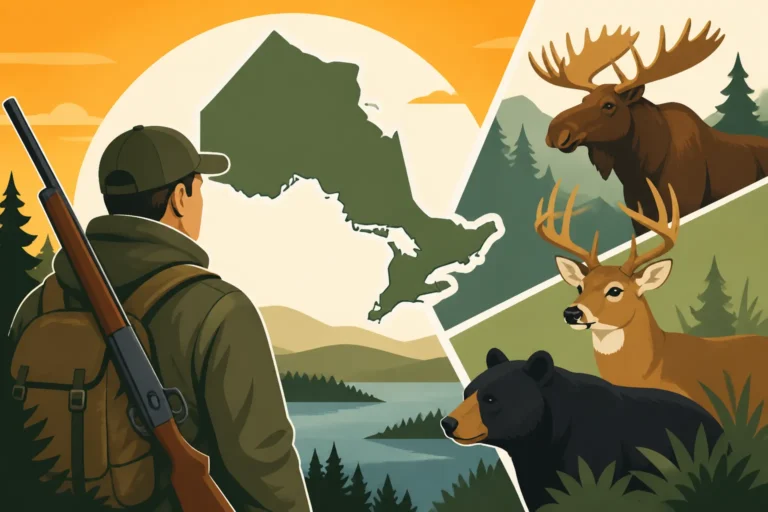
If you've ever looked at a map of Ontario and seen the vast, green expanse of its northern reaches, you've likely felt a pang of both wonder and intimidation. The Chapleau Country, in particular, stands out as one of those truly wild, immense landscapes that can feel overwhelming to a hunter who isn't familiar with its unique challenges. This isn't your average woodlot hunt; it's a deep dive into the boreal forest, where the rules of the game are written by vastness and remoteness. This guide aims to peel back the layers of this incredible region, offering insights into what it takes to successfully plan and execute a hunt in one of Ontario's most legendary big game territories.
Understanding the Chapleau Country Landscape
The Chapleau Country isn't just a place on a map; it's an experience, a commitment to truly wild hunting. Located in what many would call the heart of Northern Ontario, this region is defined by its sheer scale, untamed wilderness, and a diverse yet demanding environment. When you decide to hunt here, you're not just venturing into a new bush lot; you're entering an ecosystem that operates on a grand scale.
The Sheer Scale and Isolation
Imagine driving for hours, passing only a handful of tiny settlements, and seeing endless stretches of forest broken only by lakes and rivers. That's the Chapleau experience. This area encompasses massive tracts of Crown Land, meaning it's public land open to hunters, but its accessibility varies wildly. The sheer size of this region, often associated with Wildlife Management Units (WMUs) like 31, 32, and 33, can be daunting. It's not uncommon to hike for hours or travel by ATV down old logging roads and not see another soul. This isolation is both its greatest appeal and its biggest challenge. It offers unparalleled solitude and the chance to truly disconnect, but it also means that self-reliance and meticulous planning are paramount. There won't be cell service on every ridge, and help isn't always a quick phone call away. This demands a level of preparation many hunters aren't accustomed to in more populated areas.
For anyone used to hunting smaller, more fragmented landscapes, the Chapleau Country is a complete paradigm shift. You're not looking for a deer in a 100-acre woodlot; you're looking for game in an area that measures in the thousands of square miles. This requires a different mindset, one focused on reading the macro landscape and understanding how game moves across vast territories, rather than just within a small parcel. The frustration of feeling lost in a sea of trees quickly subsides as you begin to appreciate the raw beauty and potential this isolation offers, but it's a learning curve.
Dominant Forest Types and Terrain
The Chapleau Country is predominantly defined by its boreal forest, a dense tapestry of coniferous trees like black spruce, white spruce, balsam fir, and jack pine. Interspersed with these dark, thick stands are pockets of mixed forest, especially around waterways and areas that have seen past logging, where you'll find trembling aspen, white birch, and even some red pine. This mosaic of forest types is crucial because different game species prefer different habitats, and understanding this can unlock hunting success.
Beyond the trees, the terrain itself is a character in the story of a Chapleau hunt. It's often rolling, with rocky outcrops and undulating hills that make for challenging walking. What many hunters don't realize until they're there is the prevalence of water. The region is dotted with countless lakes, rivers, streams, and, most importantly, beaver ponds and wetlands. These wet areas, often choked with alders and willows, are magnets for moose and a challenge for hunters trying to cross them. Old drumlins (elongated hills formed by glacial ice) and eskers (long, winding ridges of sand and gravel) create natural travel corridors and elevated vantage points. Knowing how to read these geological features can be just as important as reading game sign. Hunting here means embracing the thick, the wet, and the rugged, knowing that often the toughest terrain holds the best opportunities.
Key Game Species and Their Habitat in Chapleau
The Chapleau Country is renowned for its big game opportunities, particularly for those seeking the ultimate northern hunting experience. However, it's not a "one size fits all" destination, and understanding what to expect from each species is vital.
Moose: The Kings of the Bush
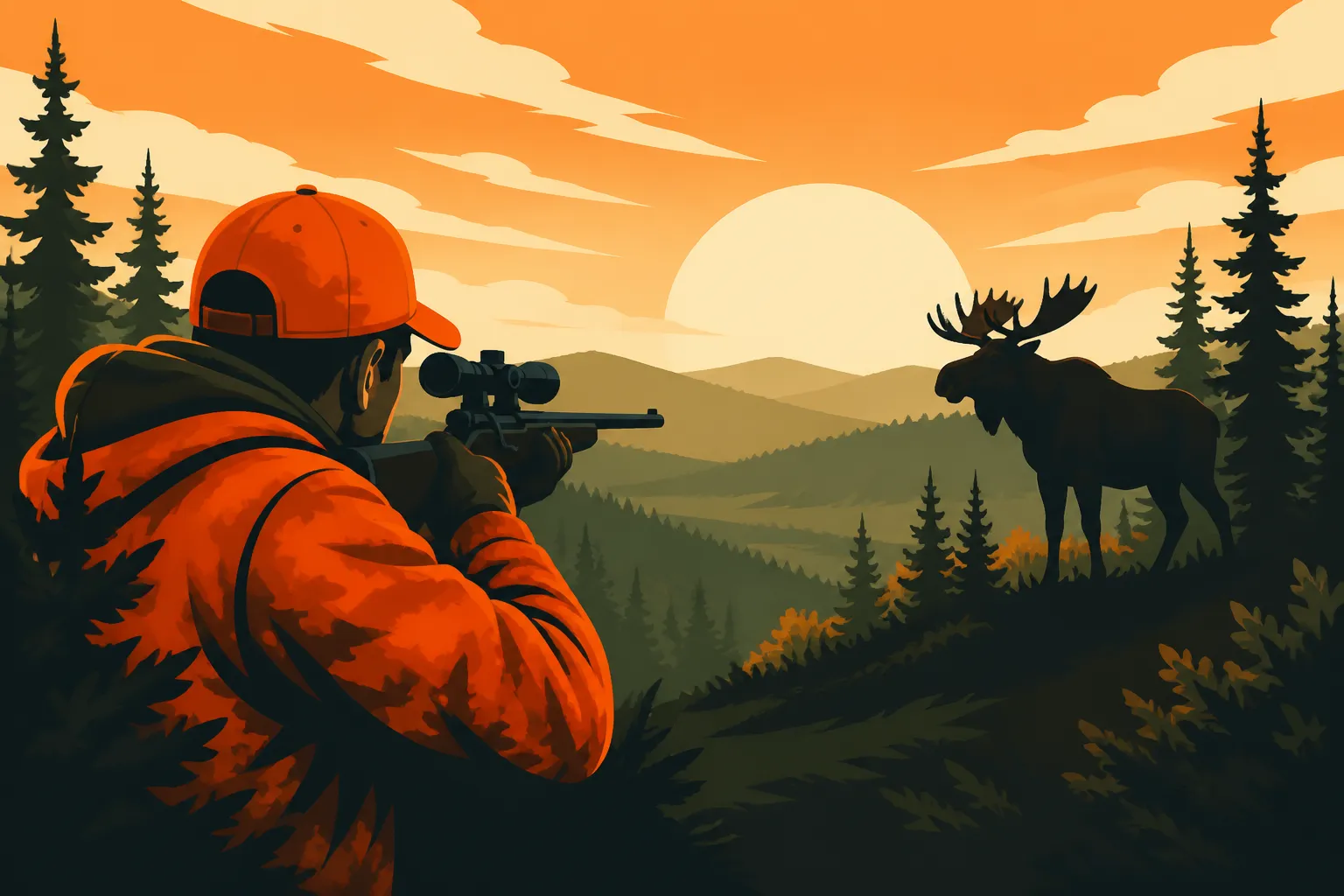
Without a doubt, moose are the quintessential big game animal of the Chapleau Country. This region holds a healthy, albeit carefully managed, moose population, and drawing a tag here is a dream for many. These majestic animals thrive in the mixed forest and boreal environments, particularly where there's an abundance of young browse species like willow, trembling aspen, and balsam fir. They are also incredibly drawn to water – beaver ponds, marshy lake edges, and slow-moving rivers are prime locations to find them. During the rut, typically in late September and early October, bulls become more vocal and active, making calling a highly effective strategy. Calling a Bull Moose in the Rut is a true art form, and in a vast wilderness like Chapleau, it can be the key to bringing a bull within range.
Hunting moose here means long days of still-hunting through thick cover, glassing clearcuts (especially older ones that have regrown with browse), and patiently watching water sources. It's physically demanding, as a successful hunt often means packing out hundreds of pounds of meat from remote locations. The reward, however, is immense: the chance to pursue one of North America's largest big game animals in an equally grand setting. Just remember, these animals are masters of their environment, and you'll need to be too. They move silently through dense brush that seems impenetrable to a human, and often, the first sign of a moose is its sheer size as it materializes from the shadows.
Black Bear: Abundant but Elusive
The black bear population in the Chapleau Country is robust, and opportunities to harvest a bear are excellent, especially during the spring or fall seasons. Bears here benefit from the vastness of the forest and a diverse diet that shifts with the seasons. In spring, they emerge hungry and often concentrate on green-up areas, logging roads, and south-facing slopes. As summer progresses, they turn their attention to berry crops – blueberries, saskatoons, and raspberries are crucial food sources, dictating where bears will be found. By fall, they are frantically trying to put on weight for winter, often frequenting areas with abundant hard mast (if available, but less common in pure boreal) or lingering berry patches.
Most bear hunting in this region, particularly for non-residents or those without extensive local knowledge, involves baiting. Setting a Bear Bait Site in Ontario requires commitment and consistent effort, but it's a proven method for drawing in bears and allowing for careful identification and shot placement. Whether you're hunting over bait or spot-and-stalking in areas known for natural food sources, remember that bears are intelligent and possess an incredible sense of smell. Wind direction, quiet movement, and scent control are paramount. A successful bear hunt in Chapleau is a testament to patience and understanding the seasonal movements of these powerful animals.
Whitetail Deer on the Fringes
While Chapleau is synonymous with moose and bear, whitetail deer are certainly present, though generally in lower densities than in the southern or agricultural regions of Ontario. You're more likely to encounter whitetails on the southern fringes of the Chapleau District, particularly where the boreal forest transitions into more mixed forest types, or closer to human settlements and any limited agricultural interfaces. They will utilize areas with younger growth, thick cedar swamps for winter cover, and areas where logging has created new browse.
Hunting whitetails in the heart of Chapleau's boreal expanse can be a tough proposition. You'll often be looking for isolated pockets of deer, rather than widespread populations. When hunting deer here, focusing on edges – where different habitat types meet, or where human activity has created openings – is often the most productive strategy. Hunting an Ontario Bush Edge or exploring old clearcuts where new growth provides food and cover can yield results. Don't expect to see dozens of deer, but the deer you do encounter are often tough, self-reliant animals that have survived in a truly wild environment.
Upland Birds and Small Game Opportunities
Beyond the big game, the Chapleau Country offers fantastic opportunities for upland bird and small game hunters. Ruffed grouse are plentiful throughout the region, especially along old logging roads, bush trails, and edges where forest types change. Spruce grouse, with their more docile nature, are also found in the denser coniferous stands. Ruffed Grouse Hunting Ontario's Bush Roads is a classic northern pursuit, offering a chance to stretch your legs and fill a game bag while waiting for larger game or simply enjoying a walk in the woods.
Snowshoe hare populations can boom and bust in cycles, but when numbers are high, they provide exciting hunting, particularly with hounds in the snowy late fall and winter months. The sheer amount of undeveloped land means that finding fresh tracks and cover for these speedy little animals is rarely an issue. For those who appreciate the smaller details of a northern hunt, these species provide an excellent complement to a big game adventure, offering consistent action and a chance to experience the full spectrum of Chapleau's wildlife.
Essential Hunting Strategies for Chapleau Country
Hunting the Chapleau Country isn't just about showing up; it's about being prepared, both mentally and practically. The vastness and wildness demand a thoughtful approach and a set of strategies tailored to truly remote hunting.
Scouting and Navigating the Remote Terrain
In an area as immense and wild as Chapleau, effective scouting and navigation are non-negotiable. Forget driving around looking for fresh tracks from your truck – you need to understand the landscape from a broader perspective first. Satellite imagery is your best friend here. Tools like onX Hunt and GoHunt, for example, allow you to pour over topo maps and satellite views before you even leave home. You can identify potential access points, old logging roads, clearcuts, beaver ponds, and transition zones that might hold game. Mark potential camping spots and escape routes. Scouting With Satellite Imagery in Ontario isn't just a convenience; it's a necessity for breaking down thousands of square miles into manageable, huntable areas.
Once on the ground, don't rely solely on your phone or GPS. Battery life is finite, and technology can fail. Always carry a physical map and compass, and know how to use them. The old logging roads can be confusing, with numerous forks and dead ends. Take note of landmarks, use a compass bearing to maintain direction, and always know your way back to a known point. Reading an Ontario WMU Map Before You Go is critical, not just for boundaries, but for understanding the general topography and features of your chosen hunting area. The ability to navigate confidently is a huge part of being safe and successful in Chapleau.
Patience and Persistence: A Northern Mantra
Hunting in the Chapleau Country isn't a quick affair. It's a test of patience and persistence. Animals here are not used to constant human pressure, but they also have vast areas to roam. You might not see game every day, and that's okay. The key is to keep moving purposefully, or to sit patiently in high-percentage areas. Still-hunting slowly through promising cover, stopping frequently to glass and listen, is often more effective than crashing through the bush.
For moose, especially, calling is often a waiting game. You might call for an hour before getting a response, or not get one at all. But that one response could be the bull of a lifetime. For bear hunting, sitting a bait site requires hours of quiet vigilance. The wilderness here demands that you slow down, observe, and adapt. The hunter who gets frustrated and gives up early is rarely successful in Chapleau. Embrace the quiet, enjoy the journey, and understand that success often comes to those who endure.
Gear and Safety Considerations
When you're miles from the nearest paved road, your gear selection and safety protocols are not just preferences; they are life support. A comprehensive truck kit is a must for any northern Ontario hunt. Truck Kit for a Northern Ontario Hunt means more than just a spare tire; it's emergency fuel, extra food and water, a tow strap, a shovel, and tools for minor repairs. For personal gear, a reliable GPS, a satellite communication device (like a Garmin InReach or Spot device), and a robust first-aid kit are non-negotiables. Cell service is spotty at best once you leave the main highways, so don't count on it.
Safety also extends to understanding wildlife. This is bear country, and while encounters are rare, knowing bear behaviour and carrying bear spray is prudent. What to Do If You Get Turned Around is a real concern in this vast landscape, so always let someone know your detailed hunt plan, including where you'll be and when you expect to return. Dress in layers to accommodate the often unpredictable northern weather, and good quality, waterproof footwear is essential for navigating wet terrain. The Chapleau Country offers an incredible adventure, but it demands respect and thorough preparation to ensure a safe and memorable experience.
Logistics and Planning Your Chapleau Hunt
Embarking on a hunt in the Chapleau Country means facing some unique logistical challenges. This isn't a place you just decide to "pop up" to for a weekend; it requires careful forethought and arrangement.
Access and Accommodation Options
Getting into the Chapleau Country typically involves driving the main highways like Highway 101 or Highway 129, which cut through or skirt the region. From these main arteries, a network of gravel logging roads branches off, providing access to vast areas of Crown Land. Many of these logging roads are active, so be aware of heavy truck traffic, and some may be less maintained or even decommissioned, requiring a reliable 4×4 vehicle. For truly remote areas, especially those surrounded by water, a float plane or a boat-in trip might be your only option. Flying Into a Remote Ontario Camp or Boating Into a Crown Land Camp can unlock untouched hunting grounds, but these come with added costs and planning.
Accommodation largely depends on your hunting style. For the rugged adventurer, camping on Crown Land is a popular and cost-effective choice. Just be sure to understand the regulations regarding Crown Land use, including fire restrictions and responsible waste management. For those seeking more comfort, there are local lodges and outfitters in and around the town of Chapleau and surrounding communities that offer everything from basic cabins to fully guided packages. These often provide invaluable local knowledge and can greatly simplify the logistical burden of a northern hunt.
Regulations, Tags, and Licences
Before you even dream of packing your bags, you need to be intimately familiar with Ontario's hunting regulations. This is paramount for any hunt, but especially in a remote area where conservation officers regularly patrol. You'll need an Ontario's Outdoors Card Explained, which is your basic identification as a hunter in the province. On top of that, you'll require the appropriate resident or non-resident hunting licences and species-specific tags. For moose, you'll need to participate in Ontario's allocation process, which involves applying for tags in specific WMUs – Chapleau's WMUs are highly sought after. Ontario Moose Tag Allocation Process can be complex, involving a points system. For bear, you'll need a Black Bear Validation Certificate in addition to your licence and tag.
Regulations can change year to year, and they vary significantly by WMU and species. Always consult the official Ontario Hunting Regulations Summary for the most current and detailed information for the specific WMUs you plan to hunt. Understanding bag limits, season dates (which can vary even within the Chapleau area), and rules regarding firearm transport and blaze orange requirements are critical. Ignorance of the law is never an excuse, especially when deep in the bush.
Working with Outfitters and Guides
For many hunters, particularly non-residents or those new to the challenges of northern Ontario, booking with an outfitter or guide can be a game-changer. An outfitter can streamline much of the logistical headache, providing transportation, accommodation, pre-scouted areas, and often, access to precious moose tag allocations. Hunting Guides and Outfitters in Ontario can vary widely in their offerings, from basic housekeeping camps where you bring your own food and gear, to fully guided American Plan experiences.
While an outfitter does add to the cost of the trip, the value they provide in terms of safety, local expertise, and increased chances of success can be immense. They understand the nuances of the terrain, animal movements, and regulations specific to their operating area. When considering an outfitter, ask for references, inquire about their success rates (and what those rates truly mean), and clarify exactly what is included and excluded in the package price. This region is a serious undertaking, and having experienced professionals on your side can make all the difference between a frustrating trip and a successful, lifelong memory.
Disclaimer
This article is for general informational purposes only and does not constitute professional advice. Laws, prices and regulations vary by location and change over time. Consult a qualified professional for guidance on your specific situation.