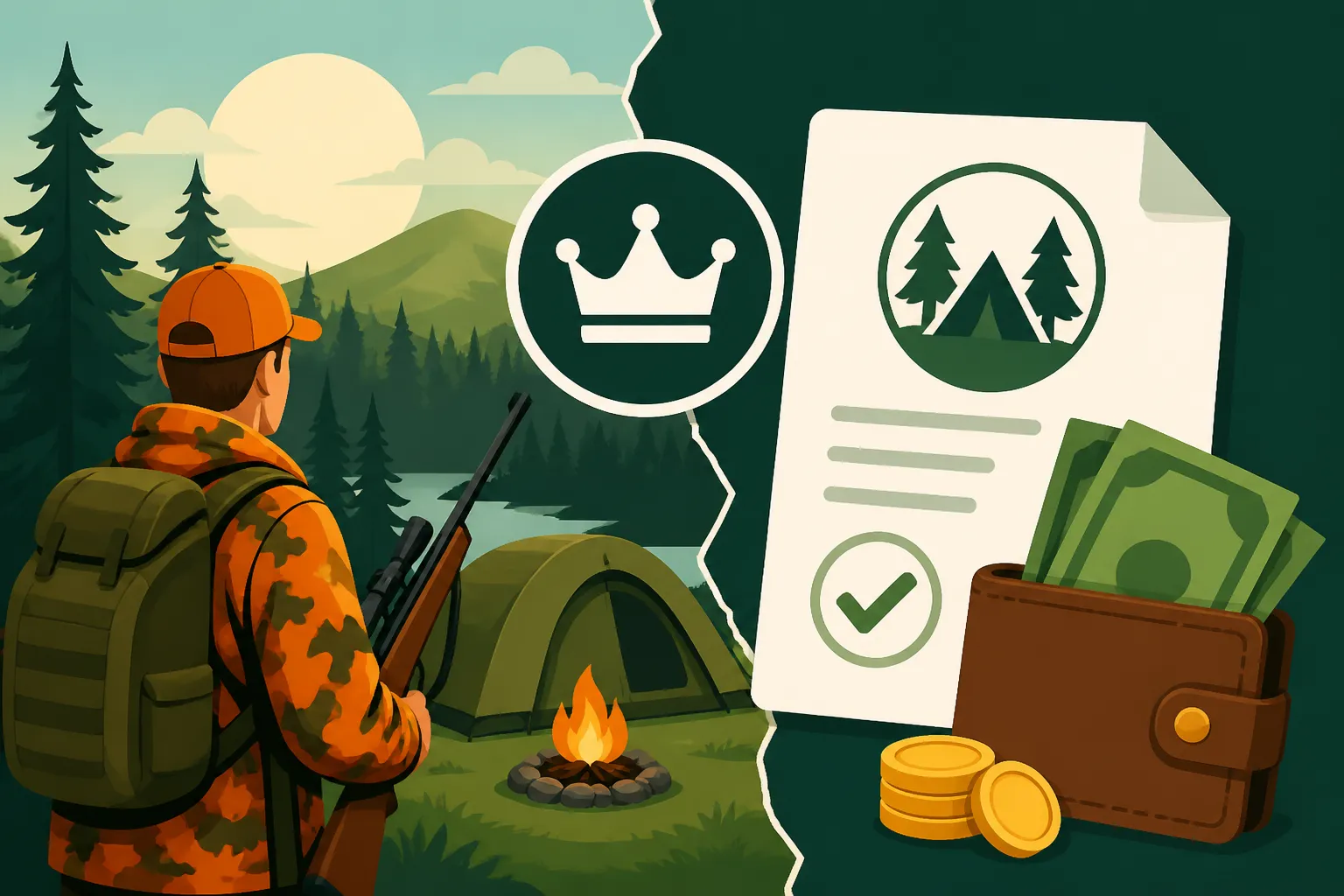
What a Crown Land Camping Permit Costs
It’s easy to feel a bit overwhelmed when you start planning a Crown Land camping trip in Ontario, especially when you’re trying to figure out all the rules and, let’s be honest, what it’s actually going to cost you. Many folks get confused about who needs a permit, when, and how much damage it's going to do to their wallet. This guide is here to untangle the mystery surrounding the Ontario Crown Land Camping Permit, explaining not just the financial aspects but also the practicalities, so you can plan your wilderness adventure with confidence.
Understanding Ontario's Crown Land Camping Permits
Ontario is blessed with an incredible amount of Crown Land – vast stretches of untouched wilderness that are publicly owned and managed by the provincial government. For many of us, this land represents the true spirit of Canadian outdoor adventure: a place to escape, reconnect with nature, and explore without the confines of developed campgrounds. However, just because it’s public doesn't mean it's a free-for-all, especially for visitors.
What is Crown Land Camping, Anyway?
Crown Land camping generally refers to pitching a tent, parking a trailer, or setting up a temporary camp on these public lands outside of designated provincial parks or private campgrounds. It’s often referred to as "backcountry" or "dispersed" camping. The allure is undeniable: solitude, untamed landscapes, and the freedom to truly immerse yourself in the natural world. Imagine waking up to the sound of loons on a remote lake, or setting up camp deep within a boreal forest with no one else for miles around. It’s a completely different experience than a crowded RV park, offering a raw and authentic connection to Ontario’s wild heart. This is often the ideal setting for Hunting Ontario's Crown Land.
These lands are managed for multiple uses, including forestry, mining, and recreation, so rules are in place to ensure sustainability and minimize impact. Unlike a provincial park, you won't find picnic tables, fire pits, or maintained washrooms. It's a true "pack in, pack out" philosophy, demanding a higher degree of self-sufficiency and respect for the environment. Understanding these fundamental differences is key to a successful and responsible Crown Land camping experience.
Who Actually Needs a Permit?
This is where much of the confusion lies. In Ontario, residents typically do not need a permit to camp on Crown Land for up to 21 days at any one site, provided they are not in a provincial park or specific designated areas. This long-standing tradition allows Ontarians to enjoy their natural heritage freely. However, if you are a non-resident of Ontario – meaning you don't permanently reside here – the rules change significantly.
Non-residents are generally required to obtain a Crown Land Camping Permit when camping on Crown Land north of the French and Mattawa Rivers. This permit acts as a form of user fee, contributing to the management and conservation efforts of these valuable public spaces. It ensures that visitors from outside the province are also contributing to the upkeep of the land they enjoy. Without this permit, you could face fines and be asked to leave. It's crucial to check the exact regulations for your specific area, as some exceptions or special designations might apply, but as a general rule, if you’re visiting from out of province, expect to need one. For more detail, refer to Where a Non-Resident Camping Permit Applies.
Breaking Down the Cost Structure
When it comes to the actual cost of a Crown Land Camping Permit, it’s important to understand that you won't find a single, flat fee that applies to everyone in every situation. The costs are structured to reflect different durations and residency statuses, aligning with the province's aim to balance public access with resource management. Remember, specific dollar amounts can change, so always double-check the official government channels for the most current figures.
Daily Versus Extended Options
The Crown Land Camping Permit typically comes in a daily rate structure. This means you pay a certain amount per person, per night, for the duration of your stay. For a short weekend trip, this daily rate might seem straightforward. However, if you're planning a longer adventure, such as an extended fishing trip or a multi-week hunting excursion, these daily costs can add up.
There might also be options for slightly longer periods, such as weekly rates, which could offer a small discount compared to simply multiplying the daily rate by seven. These options are designed to provide flexibility, allowing you to choose the permit duration that best suits your trip length. The key is to calculate your total days and compare the available options to find the most economical choice for your specific needs. Keep in mind, these permits are generally issued on an individual basis, meaning each non-resident adult in your camping party will need one.
Factors Influencing the Permit Price
The primary factors determining the cost of your Crown Land Camping Permit are your residency status and the duration of your trip. As mentioned, Ontario residents do not typically pay a fee for general Crown Land camping. This is a significant difference compared to non-residents.
For non-residents, the per-person, per-night fee is the standard. There isn't usually a sliding scale based on group size beyond each individual needing their own permit. The costs are also uniform across most Crown Land areas where permits are required, meaning you won't typically find different price points for camping in Northwestern Ontario compared to areas in the Northeast. However, always confirm this when you purchase your permit, as special designated areas or specific types of Crown Land might occasionally have unique regulations or fee structures. It’s always best to consult the most recent information provided by the provincial government, as these details can be adjusted over time.
Here's a quick look at the core differences:
| Permit Requirement Factor | Ontario Resident | Non-Resident |
|---|---|---|
| General Crown Land Camping | No permit required (up to 21 days at one site) | Permit required (north of French/Mattawa rivers) |
| Cost Structure | Generally no direct cost | Per person, per night |
| Duration Limits | Max 21 days at one site | Permit specifies duration |
| Purpose of Permit | N/A | Contributes to Crown Land management & conservation |
The Practicalities of Obtaining and Using Your Permit
Once you understand why you need a permit and the general shape of the cost, the next step is actually acquiring it. The process is designed to be relatively straightforward, but it does require some planning and attention to detail.
Where and How to Get Your Permit
The most common and convenient way for non-residents to obtain a Crown Land Camping Permit is through the Ontario government's online licensing and permit portal. This digital platform allows you to apply, pay, and receive your permit electronically, often from the comfort of your home. It’s a streamlined process that ensures you have your documentation before you even hit the road.
Alternatively, you might be able to purchase permits at certain ServiceOntario centres or authorized licence issuers in person. These physical locations can be helpful if you have specific questions or prefer a face-to-face transaction. However, given the remote nature of many Crown Land camping areas, securing your permit online well in advance of your trip is often the most practical approach. Always ensure you are using an official government site or authorized vendor to avoid scams. For related information, you might check Ontario's Outdoors Card Explained.
What Information You'll Need
When applying for your permit, you'll need to provide some essential information. This typically includes:
- Proof of non-residency: You’ll need to demonstrate that you are not an Ontario resident, often by providing an out-of-province identification or address.
- Your Outdoors Card number: If you plan to hunt or fish in Ontario, you will already have an Outdoors Card. This card is your unique identification number for recreational activities and is often linked to other permits. Even if you're just camping, having this information ready can sometimes streamline the process. You can find more about it here: Getting an Ontario Outdoors Card.
- Start and end dates of your camping trip: Be precise with your dates, as your permit will only be valid for the specified period.
- Number of individuals in your party: As permits are often per person, you'll need to account for all non-resident adults.
- The general area or Wildlife Management Unit (WMU) where you plan to camp: While not always required to be hyper-specific, indicating the region helps the province track recreational use. Having a general idea of your route and chosen area is beneficial. You can explore WMU details at Ontario's Wildlife Management Unit System.
- Payment information: You'll need a valid credit card or other accepted payment method for the permit fees.
Ensure all information is accurate, as discrepancies could lead to issues if you are checked by a conservation officer in the field.
Adhering to Crown Land Camping Regulations
Beyond just having the permit, it's crucial to understand and adhere to the broader regulations that govern Crown Land camping. The permit grants you the privilege of camping, but it doesn't exempt you from responsible behaviour. These rules are in place to protect the environment, ensure public safety, and maintain the quality of the wilderness experience for everyone.
For instance, there are strict rules around fire bans, which are common during dry summer months. Ignoring a fire ban can lead to severe penalties and devastating wildfires. There are also guidelines on proper waste disposal – remember the "pack in, pack out" principle. This means absolutely everything you bring in, including food scraps, must leave with you. Additionally, respect for wildlife, quiet hours, and avoiding damage to natural vegetation are all part of the unwritten and written code of conduct. You’ll want to review Camping Rules on Ontario Crown Land to be fully prepared. The wilderness is a shared resource, and our actions directly impact its health and accessibility for future generations.
Beyond the Permit: Planning Your Ontario Crown Land Adventure
While the Crown Land Camping Permit is a critical piece of the puzzle for non-residents, it's just one aspect of planning a successful and enjoyable trip into Ontario’s vast wilderness. There are many other considerations, from navigation to additional costs, that can significantly impact your experience.
Mapping Your Trip: Tools for Success
Navigating Crown Land requires good planning and reliable tools, especially since cell service often drops off the map in remote areas. Gone are the days of relying solely on paper maps, though a physical map and compass should always be part of your backup plan. Modern technology offers powerful solutions to help you find your way and understand the terrain.
Platforms like onX Hunt have become invaluable for hunters and campers alike. They provide detailed satellite imagery, topography, and crucial land ownership data, clearly delineating Crown Land from private property. This is incredibly helpful for finding legal access points, identifying potential camping spots, and understanding the surrounding landscape. Similarly, tools like GoHunt offer a wealth of information for scouting, including detailed maps and data that can help you pinpoint areas of interest, whether you're looking for a secluded campsite or prime hunting territory. Using these tools to plan your route and identify potential hazards or points of interest well before you leave home can make a huge difference in your confidence and safety once you're out in the bush. For a deeper dive into these resources, check out Scouting With Satellite Imagery in Ontario.
Hidden Costs and Preparations
Beyond the permit, there are several other expenses and preparations you'll need to factor into your budget and packing list. First and foremost is travel. Whether you're driving hundreds of kilometres or flying into a northern community and then driving, fuel costs, vehicle maintenance, and potentially accommodation before or after your bush trip can add up.
Then there's your gear. Crown Land camping demands self-sufficiency, so you’ll need a reliable tent, sleeping bags suitable for the expected temperatures (Ontario weather can be unpredictable!), cooking equipment, water filtration, and first-aid supplies. Don't forget bug repellent, especially if you're coming during black fly or mosquito season! Food and provisions for your entire trip are also essential, as there are no convenience stores in the wilderness. If you plan to hunt or fish, you'll also need to purchase the appropriate Ontario Hunting Licences and What They Cost and tags, which come with their own set of fees. It's wise to create a detailed checklist and budget to ensure you haven't overlooked anything crucial for a safe and comfortable trip. You can also read Truck Kit for a Northern Ontario Hunt for more ideas.
The Unquantifiable Value of Ontario's Crown Land
While there's a cost associated with the non-resident camping permit, it's important to recognize the immense value that Ontario’s Crown Land offers. This isn't just about a transaction; it's about contributing to the preservation and responsible management of incredible natural resources. The fees collected from permits play a role in funding conservation initiatives, managing wildlife populations, maintaining remote access points, and enforcing regulations that protect these pristine environments.
For many, the experience itself is priceless: the chance to escape the hustle and bustle, to challenge oneself in the wilderness, to witness breathtaking sunrises over an untouched lake, or to experience the thrill of a remote hunt. The quiet solitude, the abundant wildlife, and the sheer scale of Ontario's natural beauty are what draw people from all corners of the globe. Investing in a permit isn't just about legal access; it's about being part of a larger effort to ensure that these wild places remain wild for generations to come.
Disclaimer
This article is for general informational purposes only and does not constitute professional advice. Laws, prices and regulations vary by location and change over time. Consult a qualified professional for guidance on your specific situation.