Vehicle Rules on Ontario Crown Land
Navigating Ontario's vast Crown Land can feel like a maze, especially when you're trying to figure out where you can legally drive your truck or ATV without running afoul of the rules or causing damage. It’s a common frustration for hunters, whether you're heading deep into the boreal forest or just trying to access a local woodlot. This guide is here to untangle the complexities of vehicle use on Ontario Crown Land, helping you understand the regulations, use the right tools, and enjoy your hunt responsibly and legally.
The Foundation of Ontario's Crown Land Vehicle Rules: Why They Exist
Ontario's Crown Land is a precious resource, spanning millions of acres, and it's managed for a multitude of uses – from forestry and mining to recreation and, of course, hunting. The vehicle rules aren't just there to make things difficult; they're in place to strike a delicate balance between allowing public access and protecting the environment, ensuring safety, and maintaining sustainable resource management. It's about preserving these wild spaces for generations to come, something every hunter understands intrinsically.
Balancing Access with Conservation
Think about it: if everyone could drive anywhere they pleased, sensitive ecosystems would be quickly damaged, trails would erode, and the solitude many of us seek in the outdoors would vanish. The rules around vehicle use, particularly motorized vehicles, are designed to minimize this impact. They often designate specific roads or trails for access, leaving vast tracts of land as non-motorized zones to protect wildlife habitats, prevent soil erosion, and safeguard water quality. It's a constant effort to allow hunters and other outdoor enthusiasts to enjoy the land while ensuring we're not loving it to death. This is especially critical in areas that might be important for Moose in Ontario's Boreal Forest or White-Tailed Deer Across Ontario.
Different Types of Crown Land and Their Implications
It's not all one big, uniform chunk of land. Ontario Crown Land falls under various designations, and these can significantly impact vehicle access. For instance, "General Use Areas" might have more lenient rules, while "Enhanced Management Areas" or "Conservation Reserves" might have tighter restrictions to protect specific values, like a rare plant species or a critical wildlife corridor. Then you have areas managed under specific Forest Management Plans, which might dictate temporary road closures or access restrictions during logging operations. It's really important not to assume that what's allowed in one WMU is okay in another. Understanding Ontario's Wildlife Management Unit System is your first step to grasping these nuances.
The Role of Forest Management Plans
Many of the roads you'll use on Crown Land, particularly in Northern Ontario, are part of active or historical forestry operations. These forest access roads are critical for resource extraction, but they also offer hunters a lifeline into remote country. Forest Management Plans (FMPs) dictate not only where and when trees are harvested but also how these roads are built, maintained, and ultimately, whether they remain open or are decommissioned. It's common to find roads that were once wide-open logging routes now gated, bermed, or overgrown after an area has been harvested. Always check current plans and road statuses, as these can change quickly and without much fanfare.
Understanding Permitted Vehicles and Restrictions
So, what can you actually drive on Crown Land, and where? This is where the rubber meets the road, quite literally. The rules vary depending on the type of vehicle, the specific land designation, and even the time of year. It’s not just about having the right licence; it's about knowing where your vehicle is legally allowed to operate.
ATVs, UTVs, and Off-Road Motorcycles
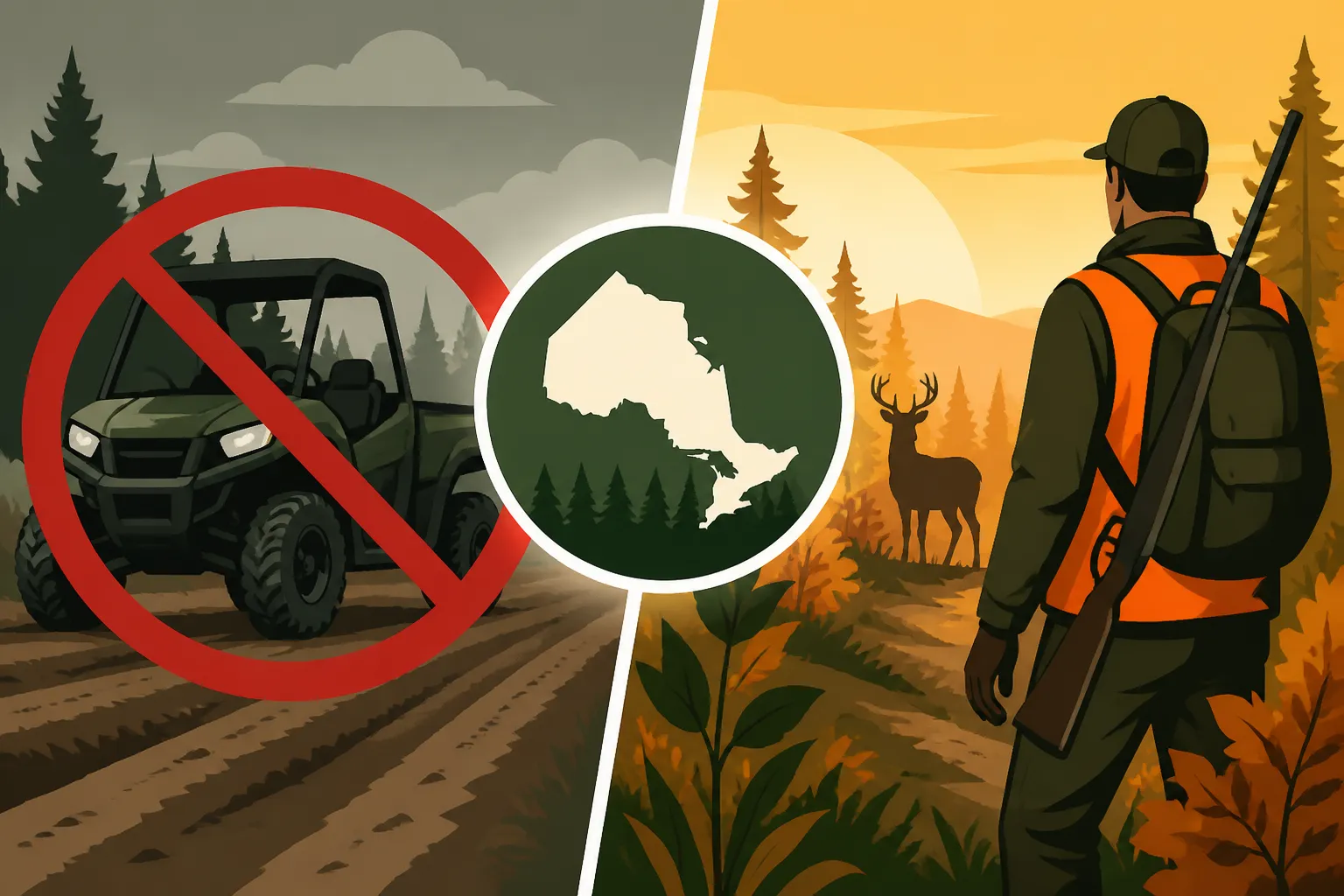
Ah, the trusty ATV or UTV – a hunter’s best friend for getting gear, or a downed animal, out of the bush. Generally, Off-Road Vehicles (ORVs) like ATVs and UTVs are permitted on Crown Land, but with significant caveats. You can typically use them on existing forest access roads and designated multi-use trails. However, driving cross-country, creating new trails, or operating in sensitive areas is almost universally prohibited. The rules are designed to prevent damage to vegetation, wetlands, and wildlife habitat. For specific regulations regarding these vehicles, check out ATV Rules on Ontario Crown Land. Remember, just because there's a faint path doesn't mean it's a legal trail.
Trucks and SUVs on Forest Access Roads
For most hunters, the journey into Crown Land starts with a truck or SUV on a forest access road. These roads are often the main arteries into prime hunting areas. Generally, if a road is open and maintained, you can drive your street-legal vehicle on it. However, "maintained" can be a very loose term in the north! Some roads quickly degrade into impassable tracks that require a high-clearance 4×4, or even an ATV. The challenge comes when roads become decommissioned, gated, or have physical barriers (like large rocks or berms) to prevent vehicle access. Respect these closures. They're usually there for a reason, whether it's environmental protection, public safety, or preventing illegal dumping. Always plan for the worst-case scenario with your vehicle, especially when you're preparing a Truck Kit for a Northern Ontario Hunt.
Snowmobiles and Winter Access
When the snow flies and deer head to their yards, snowmobiles become the primary mode of motorized transport for winter hunting (where permitted) or for accessing traplines. Snowmobiles generally have different regulations than summer ORVs. They are often permitted on designated snowmobile trails (often maintained by local clubs) and on Crown Land where there are no specific prohibitions. However, the same principles apply: avoid driving off-trail in sensitive habitats, adhere to speed limits, and respect private property boundaries. Remember that many summer forest access roads are not suitable or legal for snowmobile use and may have hazards hidden under the snow.
Vehicles in Remote or Sensitive Areas
This is where things get tricky. Certain areas of Crown Land, particularly those designated as Conservation Reserves, Wilderness Areas, or specific remote regions, might have outright prohibitions on all motorized vehicles. The idea is to preserve a truly wild experience and protect the most fragile ecosystems. This might mean hiking, canoeing, or snowshoeing is your only option. It's crucial to consult maps and regulations for your specific hunt area. You might be able to drive part way in, park, and then need to Canoe-In Hunting on Ontario Crown Land or hike the rest of the way. Always prioritize non-motorized access in these pristine environments.
Here's a quick summary table of common vehicle types and their general access considerations:
| Vehicle Type | Common Access | Key Restrictions & Considerations |
|---|---|---|
| Trucks/SUVs | Forest access roads, maintained gravel roads | Must be street-legal. May encounter seasonal closures, gates, berms, or impassable conditions. |
| ATVs/UTVs | Forest access roads, designated multi-use trails | Generally prohibited off-trail, creating new trails. Respect private land. Check specific WMU rules. |
| Snowmobiles | Designated snowmobile trails, Crown Land | Seasonal use only. Avoid off-trail travel in sensitive areas. Adhere to trail permits if applicable. |
| Off-Road Motorcycles | Designated trails, specific Crown Land routes | Similar restrictions to ATVs. Often less common for hunting applications due to cargo limitations. |
Navigating Access: How to Find Specific Rules for Your Hunt Area
One of the biggest headaches for hunters is figuring out exactly where they can and can't go. The provincial government provides a lot of information, but it's not always easy to digest or locate for your specific spot on the map. Thankfully, modern tools and a bit of diligent research can make all the difference.
Decoding Crown Land Use Policy Atlases (CLUPA)
The Ontario government's Crown Land Use Policy Atlas (CLUPA) is your official source for land use designations. It's an online mapping tool that shows you the policy report for any parcel of Crown Land in the province. While it can be a bit clunky to use, it's invaluable for determining if the area you're interested in is a General Use Area, a Conservation Reserve, or something else entirely. Each designation will have a policy report outlining permitted activities, including vehicle use. It's not the most user-friendly interface, but it's the authoritative word on the subject.
Using Digital Mapping Tools
This is where technology really shines for hunters. Apps like onX Hunt and GoHunt have revolutionized how we navigate and understand public land. They often have layers that show Crown Land boundaries, forest access roads, and even some trail systems. The beauty of these apps is their ability to overlay this information directly onto a satellite map, giving you a real-world view of the terrain and potential access points. For example, Reading Ontario Crown Land Layers on onX can provide incredible detail about property lines, roads, and topography right on your phone, even when you're deep in the bush with no cell service (provided you've downloaded the maps offline). These tools can also help identify Hunting an Old Logging Road in the North that might be passable or show you alternative routes.
Checking Local Regulations and Forest Management Updates
Beyond the broad strokes of CLUPA, local nuances matter. Contacting the local Ministry of Natural Resources and Forestry (MNRF) office for the WMU you plan to hunt can yield invaluable, up-to-date information. They can tell you about recent road closures, active logging operations, or temporary restrictions. Additionally, active Forest Management Units (FMUs) often have public information centres or websites where you can review current Forest Management Plans, including details on road access. Don't underestimate the power of a quick phone call to a local office; they're often the best source for hyper-local conditions. This is especially true if you're planning to hunt in areas like Hunting Northwestern Ontario's Big Bush where conditions can change rapidly.
Understanding Road Status: Active, Decommissioned, Restricted
Not all roads are created equal. An "active" forest access road is likely maintained, albeit sometimes minimally, and open to traffic. A "decommissioned" road, however, might have culverts removed, bridges taken out, or be purposely revegetated to prevent vehicle access. "Restricted" roads might be gated or bermed due to environmental concerns, active operations, or to limit pressure on specific wildlife populations. It's your responsibility to understand the status of any road you plan to use. Driving on a decommissioned or restricted road can not only lead to fines but also put you in a dangerous situation if the road is no longer safe for travel. Always scout ahead, and when in doubt, walk.
Consequences of Non-Compliance and Responsible Use
Ignoring vehicle rules on Crown Land isn't just a minor infraction; it can have serious repercussions, both for you and for the future of hunting access in Ontario. Being a responsible hunter means respecting the land and the rules that govern its use.
Fines and Penalties for Illegal Vehicle Use
The most immediate consequence of violating vehicle rules is facing fines. Operating a vehicle where it's prohibited, or failing to have proper registration and insurance for your ORV, can result in significant financial penalties. Conservation officers regularly patrol Crown Land, and they are well-versed in the regulations. Beyond fines, repeat offenses can lead to seizure of your vehicle or even suspension of your hunting privileges. It's simply not worth the risk. Always ensure you have your Ontario Hunting Licences and What They Cost and all relevant permits.
Environmental Impact and Hunter Reputation
Every track driven where it shouldn't be, every rut created by an illegal shortcut, contributes to environmental degradation. This isn't just about aesthetics; it affects wildlife habitat, pollutes water sources, and causes erosion. When these instances accumulate, it paints a negative picture of hunters as a whole. Protecting our image as ethical, conservation-minded outdoor enthusiasts is crucial for maintaining public support for hunting and ensuring continued access to Crown Land. Our actions collectively impact the perception of hunting, and irresponsible vehicle use can quickly erode trust.
Best Practices for Low-Impact Access
Being a responsible hunter means making choices that minimize your impact.
- Plan Ahead: Before you even leave home, use tools like onX Hunt or provincial mapping resources to identify legal access points and potential restrictions. Scouting With Satellite Imagery in Ontario can save you a lot of time and frustration.
- Stay on Designated Trails/Roads: If a road or trail is clearly marked or well-established, stick to it. Avoid creating new paths, especially through wetlands or sensitive vegetation.
- Respect Closures: If you encounter a gate, a berm, or signage indicating a closure, respect it. Don't go around it or try to remove it. These closures are for a reason.
- Be Prepared for Self-Extraction: Roads can be rough. Carry appropriate recovery gear, a spare tire, and know how to use it. Cellular service often ends quickly in the bush, so reliable communication devices are critical. Check Where Ontario Cell Coverage Ends before you venture out.
- Consider Non-Motorized Options: Sometimes, the best access is on foot, by canoe, or by bike. Embracing these methods not only minimizes your impact but also often leads to more rewarding hunting experiences in less-pressured areas.
- Report Concerns: If you see irresponsible vehicle use or potential damage, consider reporting it to the MNRF. Protecting the resource is everyone's responsibility.
By understanding and adhering to Ontario's vehicle rules on Crown Land, you're not just avoiding fines; you're actively contributing to the preservation of our hunting heritage and the wild places we cherish. Happy and safe hunting!
Disclaimer
This article is for general informational purposes only and does not constitute professional advice. Laws, prices and regulations vary by location and change over time. Consult a qualified professional for guidance on your specific situation.