Hunting the Prince Edward County Farms
Hunting in highly cultivated areas like Prince Edward County presents a unique set of challenges that can leave many hunters feeling frustrated or intimidated. Unlike vast tracts of northern bush, PEC is a mosaic of fertile farmland and scattered woodlots, meaning success hinges less on endurance and more on careful planning, diligent scouting, and most critically, establishing good relationships. This guide will walk you through the specifics of deer hunting in this productive agricultural region, helping you understand the landscape, secure access, and employ effective strategies to fill your tag.
Understanding the Prince Edward County Landscape for Deer
Prince Edward County, affectionately known as "The County," is a stunning peninsula on Lake Ontario, renowned for its wineries, tourism, and incredibly rich agricultural land. But for hunters, it's also a highly productive deer habitat, though one that demands a different approach than the deep wilderness.
The Unique Blend of Agriculture and Bush Lots
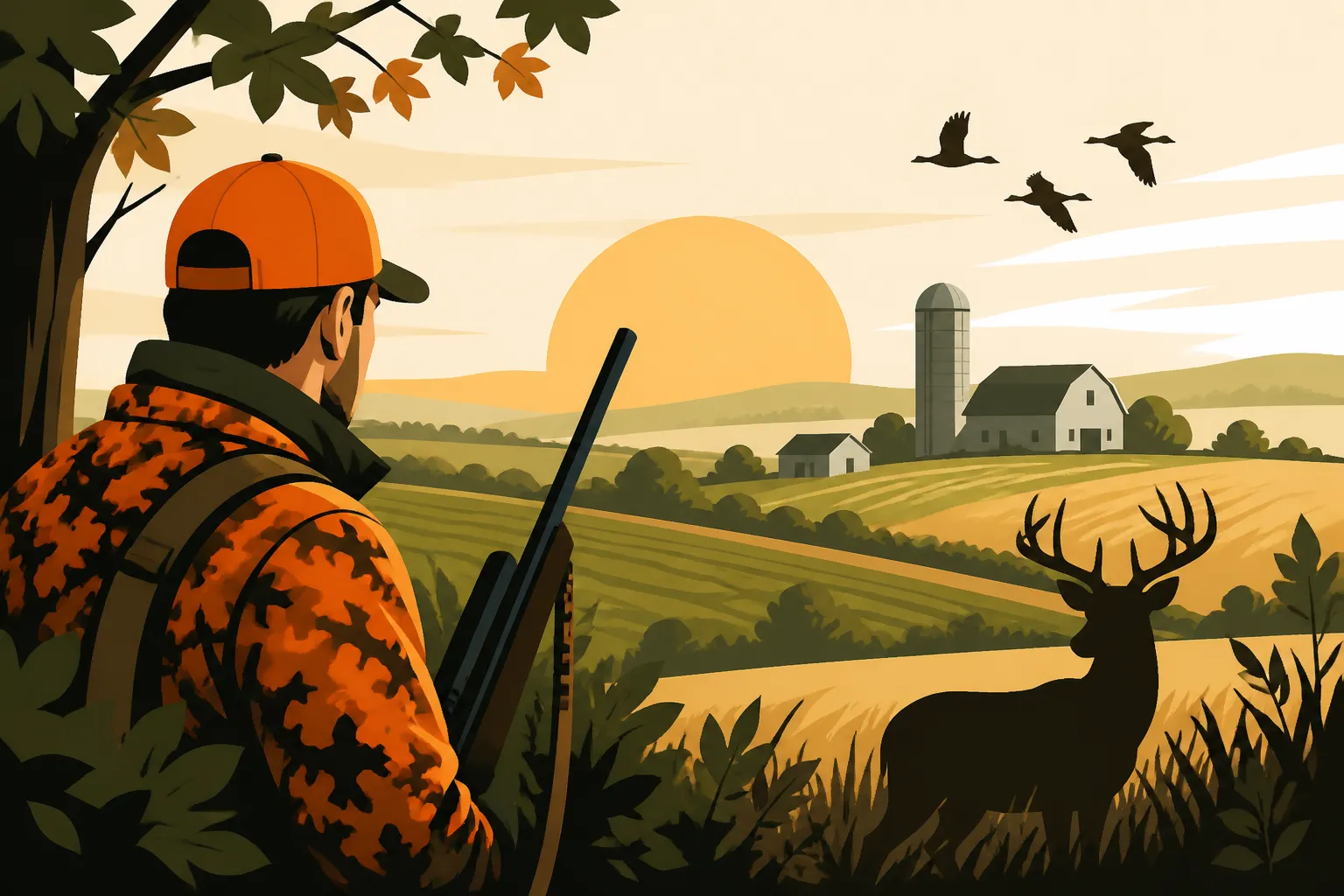
Imagine endless fields of corn, soybeans, winter wheat, and alfalfa, stretching towards the horizon, punctuated by small, dense woodlots, winding hedgerows, and the occasional thick river bottom or swampy area. This isn't continuous forest; it's a checkerboard of food and cover. Deer in PEC thrive on the abundant agricultural crops, which provide a reliable, high-calorie food source year-round. These animals are often heavier and healthier than their northern counterparts, thanks to this rich diet.
However, the cover, while dense, is fragmented. Deer rely on these smaller bush lots, fencerows, and even ditches for bedding and quick escapes. They become incredibly adept at using these narrow corridors to move unseen between feeding and bedding areas. A small, seemingly insignificant patch of cedars or a brushy creek bank can hold several deer, especially during daylight hours, as they seek refuge from human activity in the open fields. Understanding this fragmented nature is crucial for pinpointing where deer will be, particularly during legal shooting light.
Deer Behavior in a Farm-Dominated Area
Deer in Prince Edward County are, by necessity, highly adapted to human presence. They are often more nocturnal and incredibly wary, accustomed to farm machinery, vehicles on country roads, and general human activity. This means their daylight movement patterns can be much tighter, often occurring right at dawn and dusk, or during periods of low human disturbance. They'll hug cover, using every available hedgerow or creek bank to avoid being seen in the open.
You might not see deer leisurely strolling across a field at midday like you would in a more remote setting. Instead, they'll dart from one woodlot to a standing corn field, disappearing as quickly as they appeared. This makes scouting and understanding their travel routes paramount. They'll use distinct "pinch points" – narrow sections of cover, or places where natural barriers funnel them – to move from bedding to feeding. Their patterns are often predictable once you figure out these specific travel lanes, but those lanes can be very subtle and close to human activity. Learning to read these subtle signs and understanding their heightened wariness is key to success.
Key Food Sources Throughout the Seasons
The abundance of food is truly what makes Prince Edward County so attractive to whitetails. Their diet shifts with the seasons, and knowing what they’re currently keying in on can help you pinpoint their locations. In the early fall, deer will often be found browsing on alfalfa and clover fields, or hitting any available brassica plots. As corn and soybeans mature, these become a huge draw. Standing corn, in particular, offers both a fantastic food source and incredibly dense cover, practically becoming a temporary deer sanctuary. You might even find deer bedding deep inside a standing corn field for weeks at a time.
Later in the fall and into the winter, after harvest, deer will meticulously pick through leftover corn and soybean waste on the ground. Winter wheat fields offer tender green shoots in the colder months, providing another vital food source when other options are scarce. Beyond agricultural crops, don't forget natural browse in the woodlots – things like dogwood, maple saplings, and wild apple trees. An Hunting an Apple Orchard Edge can be an absolute magnet for deer, especially in the early season. Keeping an eye on what crops are in the ground and their stage of growth is an ongoing part of scouting this type of environment.
Navigating Access and Landowner Relations
This is arguably the single most important aspect of hunting in Prince Edward County. Unlike many parts of Ontario, public hunting land (Crown Land) is extremely scarce, if it exists at all, in this agricultural region. Success here is almost entirely dependent on securing permission from private landowners.
The Critical Importance of Permission
Let's be blunt: if you plan to hunt Prince Edward County, you must have permission. There's virtually no huntable Crown Land, so showing up without explicit, documented permission is not only ineffective but illegal, potentially leading to serious charges under Ontario Trespass Law for Hunters. This isn't like the North where you can just pull over and walk into the bush. Farms are private property, and respecting that is non-negotiable.
Many local hunters have spent years cultivating relationships, and new hunters often find it tough to break in. This reality can be frustrating, especially if you're used to more open access. However, it also means that once you gain permission, you often have a high-quality hunting experience on land that isn't overrun with other hunters. The key here is patience, persistence, and genuine respect. Don't underestimate how valuable a good relationship with a landowner can be; it's more precious than any gear you own.
Strategies for Approaching Landowners
Simply knocking on a door and asking "Can I hunt your land?" is usually met with a polite "no." You need to approach this like you're building a relationship, not just asking for a favour. Start early, well before the season. Consider writing a polite letter of introduction, explaining who you are, your hunting philosophy (safe, ethical, respectful), and offering to help with chores around the farm. Many farmers would appreciate an extra hand with fencing, clearing brush, or even just keeping an eye on their property.
When you do talk to them, dress neatly, be articulate, and be prepared to listen. Ask about their concerns – livestock, other family members, specific areas they don't want disturbed. Offer to show them your hunting license and proof of insurance. A crucial point is to offer to share your harvest, especially if they enjoy venison but don't hunt themselves. Sometimes, offering to help control nuisance animals (like coyotes or groundhogs) can also open doors. Remember, you're asking for a privilege, not a right. Building trust takes time, sometimes years, but the reward is often access to fantastic hunting.
Scouting and Digital Mapping Tools
Before you even think about approaching a landowner, do your homework. Tools like onX Hunt or GoHunt are absolutely invaluable for hunting in an area like Prince Edward County. These apps allow you to overlay property lines on satellite imagery, identify specific landowners, and even get contact information in some cases. This means you can pinpoint prime habitat (bush lots, creek bottoms, unharvested corners of fields) and then identify the specific property owners.
Using these digital maps, you can create a detailed plan of who you want to approach and what specific areas you're interested in. This level of preparation shows a landowner you're serious, organized, and respectful of their property boundaries. Furthermore, these tools help you avoid trespassing inadvertently, a critical consideration in a patchwork landscape. You can mark potential stand locations, game camera spots, and observed deer activity. Scouting from a distance with binoculars, observing field edges from public roads (without trespassing!), and using these mapping apps to understand the lay of the land will give you a significant advantage before you ever step foot on private property. Scouting With Satellite Imagery in Ontario is an essential skill here.
Effective Hunting Strategies for Prince Edward County Farms
Hunting in farm country requires a different set of tactics than hunting the big woods. Deer here are conditioned to human activity and respond differently to pressure.
Hunting Field Edges and Transition Zones
This is where the magic happens in farm country. Deer constantly move between food in the fields and cover in the woodlots or hedgerows. The edges of these fields are high-traffic areas, especially during the low-light hours of dawn and dusk. Setting up a stand or blind along a Hunting a Standing Corn Field Edge or a Hunting a Soybean Field at Dusk can be incredibly effective. Look for natural funnels where deer are forced to cross a narrow open strip, or where a fencerow provides just enough cover for them to feel safe.
Deer will often follow the contours of the field, especially if there's a slight dip or rise that offers some concealment. Pay close attention to corners of fields where multiple habitat types converge, or where a thicket meets a planted crop. These transition zones are not just travel routes; they are also where deer might pause to browse or scent-check before committing to the open field. Your stand placement should allow you to intercept deer as they enter or exit the field, catching them when they are still relatively comfortable with their surroundings.
Utilizing Small Bush Lots and Wooded Corridors
While the fields provide food, the small bush lots, wooded ravines, and thick fencerows are the deer's sanctuaries. These are their bedding areas, their escape routes, and their daylight havens. Don't dismiss a small, five-acre woodlot tucked between two cornfields; it can be holding several mature deer. These deer might bed down deep within these thickets during the day, only venturing out into the fields under the cover of darkness or during the first and last minutes of light.
When you gain access, focus your scouting on these pockets of cover. Look for trails, rubs, and scrapes within these small blocks. Deer will use these corridors to travel between larger bedding areas and feeding grounds, or simply to move from one side of a property to another. Placing a stand on the downwind side of a well-used trail, perhaps near a Hunting a Cedar Swamp Edge within one of these smaller woodlots, can be highly effective. The key is to be extremely quiet and scent-conscious when entering and exiting these areas, as deer are very alert to intrusion.
The Art of the Deer Drive (Where Legal and Practical)
Deer drives, when done safely and ethically, can be a highly effective tactic in fragmented farm country. This isn't about simply running deer wildly; it's about carefully pushing deer out of small, dense pockets of cover towards waiting hunters. In Prince Edward County, where deer often hunker down in thickets, a small drive with three or four hunters can sometimes be the only way to get them moving in daylight.
One or two "pushers" walk slowly and quietly through a designated bush lot, while "posters" are strategically placed downwind or along known escape routes. Communication and safety are paramount, ensuring everyone knows exactly where others are positioned and what lanes of fire are safe. Deer Drives With Three or Four Hunters requires excellent planning, clear communication, and a thorough understanding of the terrain and the deer's likely escape paths. Always ensure such a tactic is legal in your specific area and that all participants are on board with the safety protocols.
Stand Placement and Concealment
Deer in farm country are experts at detecting danger. Their survival depends on it. This means your stand placement and concealment need to be top-notch. When Hanging a Stand on an Ontario Bush Edge, ensure it provides ample cover for your silhouette against the skyline. Often, a stand placed deeper in the woods, looking out at a field edge, is more effective than one right on the edge. This allows deer to feel more comfortable approaching the edge, and you're less likely to be silhouetted.
Wind direction is absolutely critical. Always hunt with the wind in your favor, especially when deer are approaching from a suspected bedding area. They will typically circle downwind to scent-check an area before entering it. Consider using scent-control sprays and washing your hunting clothes in scent-free detergent. Minimize noise, and use natural cover like thick cedars or large oaks to break up your outline. Remember, deer here are used to seeing and hearing things, but they are incredibly sensitive to anything that doesn't fit the "normal" farm environment.
Gear and Considerations for Farm Country Hunts
Hunting in Prince Edward County presents some unique considerations when it comes to your equipment and post-harvest logistics.
Firearm and Bow Choices
The terrain in Prince Edward County often means shorter to medium-range shots, sometimes in thicker cover. For firearm hunters, shotguns with slugs or muzzleloaders are very popular, particularly in areas where rifle restrictions apply. If rifles are legal, a versatile caliber that performs well in both open fields and tighter bush, perhaps something like a .30-30, .308, or even a .243, is a good choice. Accuracy is key, regardless of the range.
Bowhunters will find that good accuracy in tight quarters is essential. A compound bow or crossbow (where legal) capable of fast, accurate shots is ideal. Tree stands are a common tactic, so ensure your bow setup is comfortable and quiet for shooting from an elevated position. Regardless of your weapon, practice extensively at various distances and from different shooting positions you might encounter in the field.
Warm Weather Field Dressing and Transport
Early season hunts in Prince Edward County, especially in September or early October, can still see quite warm temperatures. This makes proper Field Dressing in Warm Ontario Weather absolutely critical. Get the deer field-dressed as quickly as possible to begin the cooling process. Having a plan for getting the deer out of the field and to a cooler or processor quickly is paramount to preserving the meat.
Consider bringing a large cooler with ice, or making arrangements with a local butcher or cold storage facility in advance. If you're fortunate enough to harvest a deer on a warm day, you might need to quarter it in the field to facilitate quicker cooling and easier transport. Even if temperatures are moderate, don't leave a deer laying in the sun for hours. Respecting the animal means taking every step to ensure the meat is handled properly.
Blaze Orange Requirements and Safety
In a region with fragmented cover, private properties, and often other outdoor enthusiasts, safety is always the top priority. How Much Blaze Orange Ontario Requires is a standard regulation, but in areas like PEC, it's about more than just meeting the minimum. Be highly visible when moving through any public access points or areas where you might encounter other people.
Always be aware of your surroundings, beyond just the deer. Know where property lines are, where roads and homes are located, and where other hunters might be. Use binoculars to positively identify your target and ensure there is a safe backdrop for your shot. In these more populated hunting environments, a heightened sense of situational awareness is non-negotiable. Ethical hunting in Prince Edward County means prioritizing safety for yourself, other hunters, and the community at large.
| Feature | Hunting Prince Edward County Farms (Private Land) | Hunting Ontario Crown Land (Deep Bush) |
|---|---|---|
| Access | Requires landowner permission; typically no public land hunting. | Generally open to public hunting; check specific regulations. |
| Deer Density | Often very high due to abundant food; larger body sizes common. | Varies greatly; can be lower but more spread out; deer often leaner. |
| Deer Behavior | Highly wary, often nocturnal; uses small pockets of cover extensively. | Less pressure in remote areas; may move more during daylight; larger range. |
| Habitat Type | Mix of agricultural fields, small woodlots, hedgerows, creek bottoms. | Vast continuous forest, boreal bush, shield country, swamps. |
| Food Sources | Primarily agricultural crops (corn, soybeans, alfalfa, wheat), natural browse. | Natural browse (maple, willow, dogwood), mast crops (acorns, beech nuts). |
| Scouting | Focus on field edges, transition zones, pinch points, landowner relations. | Focus on clearcuts, burnt areas, food plots, large travel corridors. |
| Pressure | Limited to hunters with permission, potentially less crowded per property. | Can be high in accessible areas, but vastness allows for solitude. |
| Logistics | Often closer to amenities, easier game retrieval, but critical permission. | Remote, challenging retrieval, need for self-sufficiency, tougher travel. |
| Required Skills | Social skills, detailed map reading, patience with landowners, scent control. | Navigation, survival skills, tracking, physical endurance, wilderness savvy. |
Disclaimer
This article is for general informational purposes only and does not constitute professional advice. Laws, prices and regulations vary by location and change over time. Consult a qualified professional for guidance on your specific situation.