Hunting the Frontenac Arch Country
Hunting in the Frontenac Arch Country presents a unique set of challenges and rewards, often leaving hunters scratching their heads about where to start amidst its mosaic of terrain and land ownership. This guide is designed to cut through that confusion, offering practical advice and deep insights into successfully navigating and hunting this distinctive region of Ontario.
Understanding the Unique Landscape of the Frontenac Arch
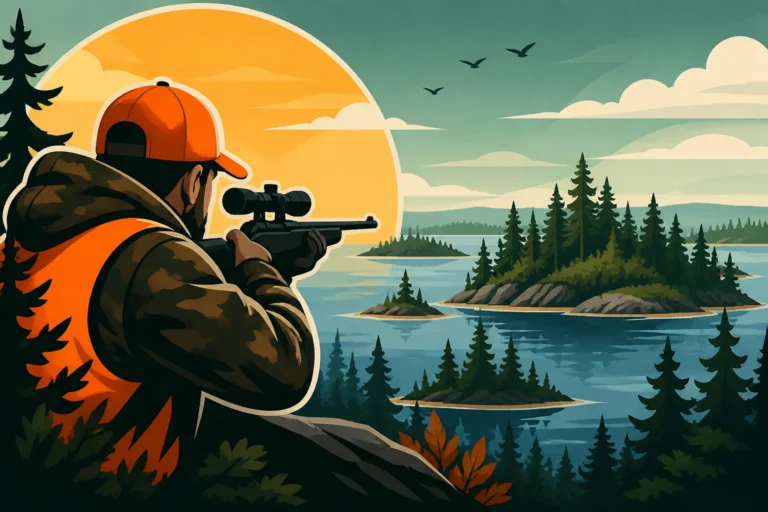
The Frontenac Arch isn't just another patch of Ontario bush; it's a geological marvel, a truly ancient landscape that acts as a natural bridge between the Canadian Shield to the north and the Adirondack Mountains in New York State. This unique corridor means you're dealing with a fascinating blend of rugged, exposed Precambrian granite bedrock, thin, rocky soils, and mixed forests. It's not the vast, uninterrupted wilderness of Northern Ontario, nor is it the sprawling, flat agricultural fields of the deep south. Instead, you'll find a patchwork of deep, clear lakes, meandering rivers, extensive wetlands, and heavily wooded areas interspersed with smaller pockets of farmland and rural residences.
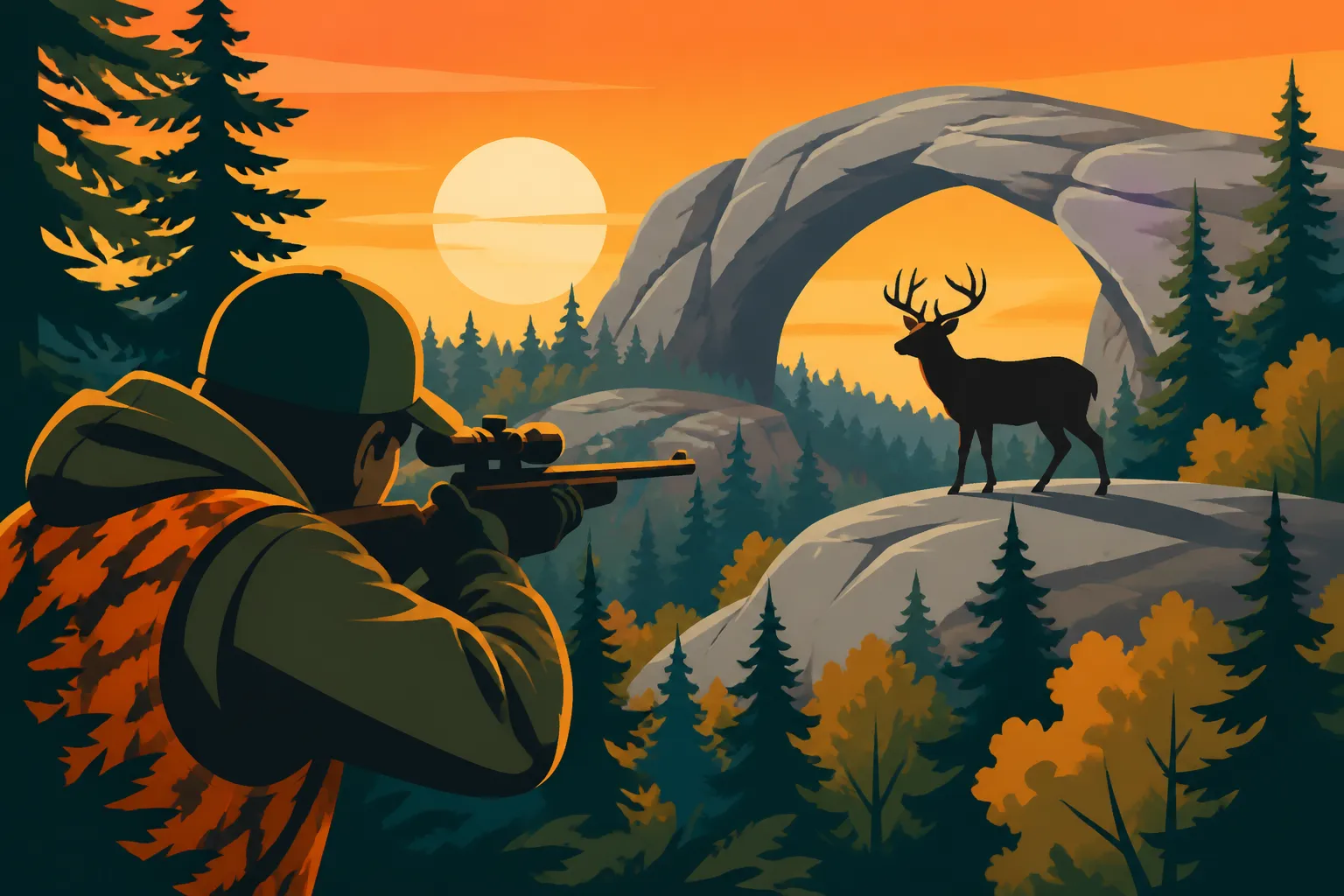
This fragmented, diverse habitat creates a hunting experience unlike many others in the province. The terrain can be quite challenging, with sudden elevation changes, rocky outcrops that seem to appear out of nowhere, and dense stands of mixed hardwoods and conifers. You might walk through an old-growth maple bush, then drop into a cedar swamp, only to find yourself scrambling over a granite ridge just a few hundred yards later. Understanding this characteristic "arch" of granite and its influence on the landscape is key to comprehending game movement and habitat use. The biodiversity here is also quite high, given its transitional nature, which means a wide array of game species call it home.
Prime Game Species and Hunting Opportunities
The Frontenac Arch is truly a multi-species hunter's paradise, offering a variety of opportunities that cater to different preferences and seasons. While white-tailed deer are often the main draw, don't overlook the incredible potential for other species.
White-Tailed Deer Hunting in the Arch
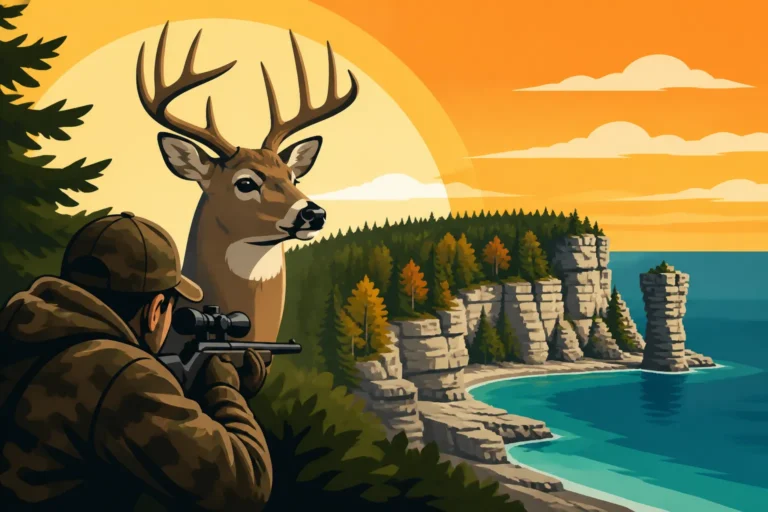
For many, Whitetail Hunting in Ontario is synonymous with the Frontenac Arch. The deer here are hardy, adapted to the rugged terrain and variable food sources. While they might not reach the sheer body mass of deer found further north, or the massive racks seen in nutrient-rich southern farmlands, the Arch produces some truly respectable bucks. The challenge often lies in finding them in such diverse cover. They use the rocky ridges for bedding, the cedar swamps for thermal cover, and the scattered agricultural fields or old apple orchards for feeding.
Hunting the rut in early to mid-November can be particularly exciting as bucks are on the move. Look for sign along pinch points between different habitat types, such as where a hardwood ridge meets a low-lying wetland. Scouting during the off-season is absolutely critical to locate these travel corridors and preferred bedding areas. The varying topography means deer will often stick to specific elevation bands or sheltered valleys during inclement weather, making it a game of understanding subtle terrain features.
Black Bear and Wild Turkey Presence
While not as renowned as prime bear hunting areas further north, black bears do inhabit the Frontenac Arch. Their numbers are generally lower, and they can be more elusive, but successful hunts do occur. Bear activity is often concentrated near areas with good berry crops in the late summer and fall, or around wetlands that provide various food sources. If you're seeking a challenge and enjoy the satisfaction of patterning a less-pressured bear, the Arch offers that potential.
Spring Turkey Hunting in Ontario in the Frontenac Arch has also become increasingly popular. The mix of hardwoods for roosting, open fields for strutting, and dense undergrowth for security provides excellent turkey habitat. Calling a gobbler off a ridge at first light, with the sun just beginning to peek over the granite outcrops, is an unforgettable experience. Fall turkey seasons also offer a unique challenge, focusing on breaking up flocks and calling in scattered birds, often with the added bonus of cooler weather and vibrant fall colours.
Small Game and Predator Hunting
Beyond the big game, the Frontenac Arch is a fantastic destination for small game hunters. Ruffed grouse thrive in the mixed forest edges, old logging cuts, and around beaver ponds. Walk an old bush road or a two-track trail in the fall, and you're very likely to flush a few. Small Game Hunting in Ontario provides a chance to explore this beautiful region more casually, often with a good bird dog by your side. Snowshoe hare can be found in denser conifer stands, especially near wetlands.
Coyotes are also plentiful throughout the Arch, offering year-round hunting opportunities. Their presence contributes to a healthy ecosystem, and calling them in can be an exhilarating experience, especially on a crisp winter morning. Keep in mind that understanding their patterns in this diverse habitat—how they use ridges for travel or wetlands for ambushing prey—is crucial for success.
| Game Species | Primary Habitat | Key Hunting Strategy | Best Time to Hunt |
|---|---|---|---|
| White-Tailed Deer | Mixed forests, rocky ridges, cedar swamps, farm edges | Scouting travel corridors, stand placement, understanding wind | Fall (especially the rut) |
| Black Bear | Dense forest, wetlands, berry patches, remote areas | Baiting (where legal), still hunting, spotting & stalking | Spring/Fall |
| Wild Turkey | Hardwoods for roosting, open fields for strutting | Calling, setting up against natural cover, decoys | Spring/Fall |
| Ruffed Grouse | Mixed forest edges, old cuts, bush roads | Walking logging trails, using flushing dogs | Fall |
| Snowshoe Hare | Dense conifer stands, thick undergrowth | Walking through thickets, running beagles | Winter |
| Coyote | Adaptable, found throughout all habitat types | Calling, stand hunting, understanding travel routes | Year-round |
Navigating the Landscape and Access Challenges
One of the biggest hurdles when Hunting the Frontenac Arch Country is figuring out where you can actually hunt. Unlike the vast expanses of Hunting Northwestern Ontario's Big Bush or other large Crown land blocks, the Arch features a complicated mosaic of public and private ownership.
Understanding Crown Land and Private Property
While there are parcels of Crown land, they are often smaller, more fragmented, and sometimes difficult to access. It's not uncommon for a public parcel to be completely landlocked by private property. This makes pre-scouting and diligent mapping absolutely essential. Relying solely on a general map can lead to frustration and potential trespass.
This is where modern mapping applications become invaluable. Tools like onX Hunt are game-changers, allowing you to clearly visualize property lines, differentiate between public and private land, and identify potential access points. Imagine pouring over satellite imagery, identifying a promising hardwood ridge or a thick cedar swamp, only to realize it's completely surrounded by private parcels. With onX Hunt, you can instantly see who owns the land and plan your approach accordingly, or even identify landowners to contact for permission. Similarly, many hunters check resources like GoHunt for regional data that can help identify potential areas.
For any hunt in this region, prioritizing Getting Private Land Permission in Ontario is crucial. Many landowners are open to hunters who are respectful, responsible, and ask for permission well in advance. Knocking on doors and building relationships can unlock access to prime, less-pressured hunting grounds that might otherwise seem inaccessible. Always carry written permission if possible, and leave the property exactly as you found it.
WMU Specifics and Access Points
The Frontenac Arch spans several Wildlife Management Units (WMUs), each with its own specific regulations and season dates. It's vital to know which WMU you're in and to meticulously check the provincial hunting regulations summary for that specific unit before heading out. Sometimes, a promising piece of cover might straddle two WMUs, meaning you need to be acutely aware of boundaries.
Accessing hunting areas often involves navigating a network of seasonal roads, old logging trails, or even walking in from public road allowances. Some areas might require a canoe or small boat to reach otherwise inaccessible shorelines or islands on the numerous lakes. Parking can also be a challenge, particularly in areas where rural residences are interspersed with the bush. Always ensure you're parking legally and not blocking any private driveways or access points. A great practice is to explore potential access points during the off-season, noting parking availability and any signs that might indicate restricted access.
Strategies for a Successful Hunt in the Arch
Hunting the Frontenac Arch requires a flexible mindset and an understanding of how to adapt your strategies to its unique environment. It's less about long-range glassing and more about intimate knowledge of small pockets of cover and understanding subtle nuances of deer movement.
Pre-Season Scouting and Mapping
Effective scouting begins long before the season opens. Use satellite imagery and digital mapping tools to identify potential funnels, bedding areas (often on rocky knolls or in dense cover), and feeding locations (old fields, orchards, agricultural edges). Look for natural pinch points created by terrain features, water bodies, or even old fencerows. Scouting With Satellite Imagery in Ontario can save you countless hours of aimless wandering, allowing you to pinpoint high-potential areas before you even set foot in the woods. Pay close attention to changes in elevation, as deer will often travel along contours to conserve energy or use them for tactical advantages.
Once you've identified promising spots from above, hit the ground. Look for rub lines, scrape lines, and well-used trails. Pay particular attention to transition zones – where hardwoods meet conifers, where high ground drops into a swamp, or where the bush meets a field edge. These are often high-traffic areas. Reading Whitetail Sign in Ontario Hardwoods will teach you to interpret deer activity and help you understand how they're using the Arch's diverse forest types.
Stand Placement and Still Hunting
Given the fragmented nature of the land and the often-dense cover, strategically placed treestands or ground blinds are often highly effective. Focus on those pinch points, saddles between ridges, or the edges of feeding areas. Consider how deer will approach from different directions, factoring in wind direction and thermals, which can be tricky in hilly terrain. For areas with less pressure, still hunting or slow stalking can also be incredibly productive. Move slowly, using the terrain and vegetation to break up your outline, constantly scanning ahead. The ability to be patient and observant is paramount when still hunting in the Arch.
When choosing a stand site, think about what a deer would want. During cold snaps, a south-facing slope or a thick Hunting a Cedar Swamp Edge provides excellent thermal cover. In warmer weather, breezy ridge tops or shaded valleys might be preferred. Always ensure your setup allows for a clear, ethical shot while minimizing your visibility and scent cone.
Adapting to Weather and Terrain
The weather in the Frontenac Arch can change quickly, especially in the shoulder seasons. Be prepared for everything from warm, sunny days to cold, driving rain or even early snow. Dressing in layers is crucial. The rocky, uneven terrain demands good quality, waterproof boots with excellent ankle support. A comfortable pack that can carry essentials like water, snacks, extra layers, a first-aid kit, and your mapping device is non-negotiable.
Don't be afraid to adjust your strategy based on the conditions. If it's windy, deer might bed down in sheltered depressions or thickets. If it's raining, they might move more freely under the canopy. The key is to be adaptable and to use every piece of information – from the latest weather forecast to the freshest tracks you find – to inform your next move. For instance, after a fresh snow, deer movement becomes much more apparent, allowing you to Reading Sign After a Fresh Snow and potentially track a target animal.
Ultimately, hunting the Frontenac Arch Country is about embracing its unique character. It's a place that rewards effort, patience, and a deep appreciation for its wild beauty.
Disclaimer
This article is for general informational purposes only and does not constitute professional advice. Laws, prices and regulations vary by location and change over time. Consult a qualified professional for guidance on your specific situation.