What a Hard Ontario Winter Culls
Ontario winter weather impacts wildlife populations through starvation, nutritional stress, and increased predation by wolves and coyotes.
Know what you’re after.
Big game, small game, upland birds, and waterfowl — identification, behavior, rut and migration timing, and how each species moves through the season.
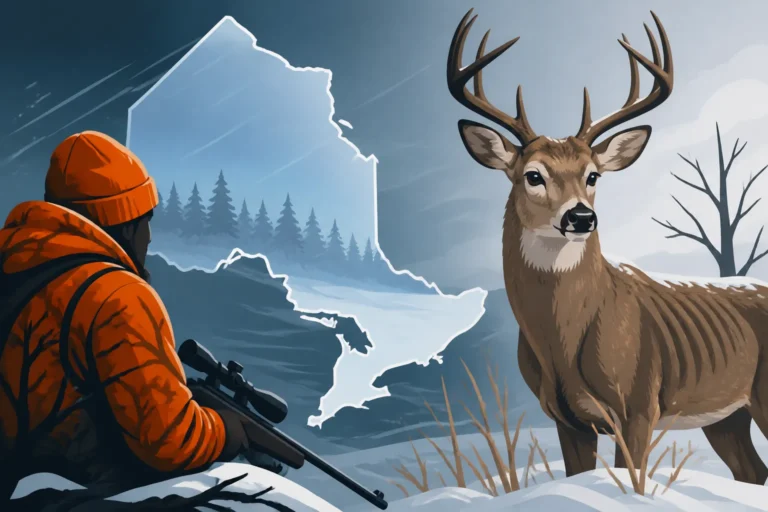
Ontario winter weather impacts wildlife populations through starvation, nutritional stress, and increased predation by wolves and coyotes.
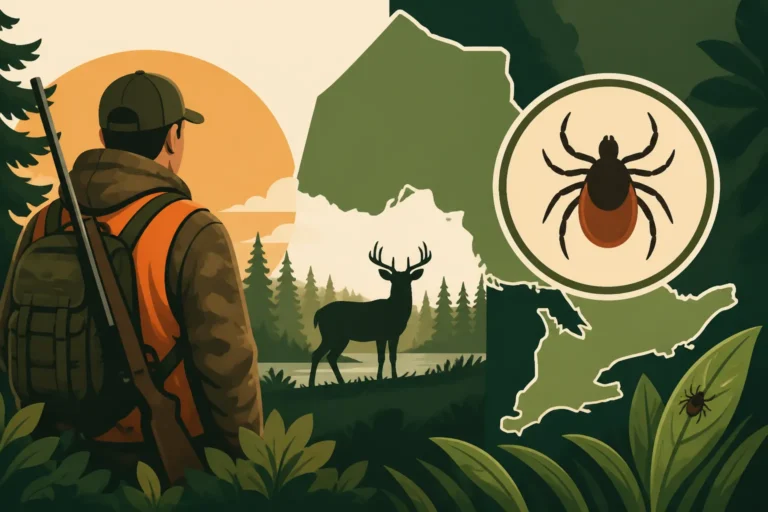
Ontario hunters learn blacklegged tick habitats and the twenty four hour removal window to prevent Lyme disease infections.
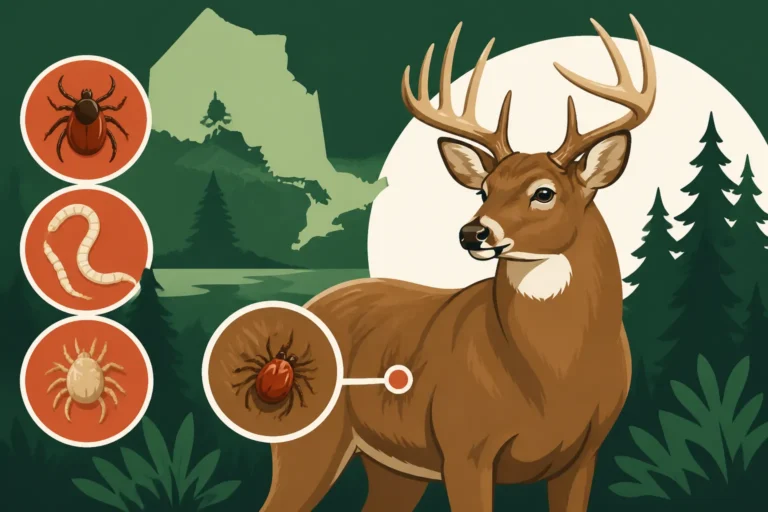
Ontario big game parasites like winter ticks and brainworms affect moose and deer, threatening animal health and hunter safety.
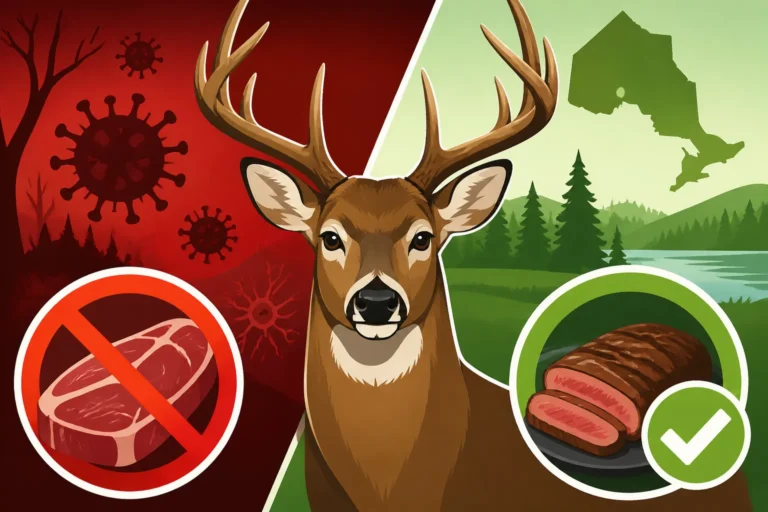
Chronic Wasting Disease risks and venison safety advice help Ontario hunters minimize health dangers from infected deer.
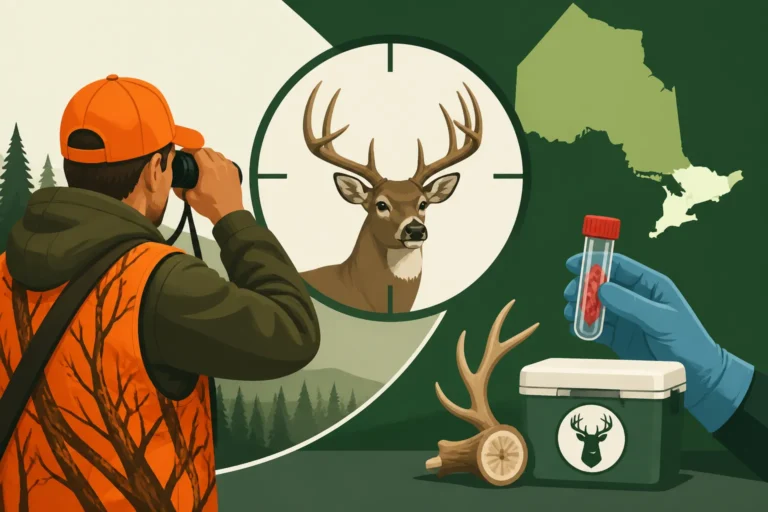
Ontario surveillance program monitors chronic wasting disease to protect deer, moose, and elk populations from fatal neurological damage.
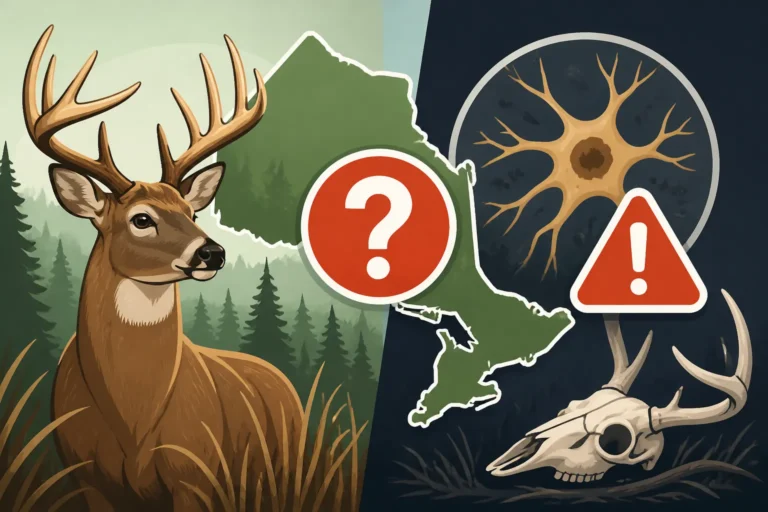
Ontario chronic wasting disease status explains prion impacts on deer, elk, and moose populations and human health risks.
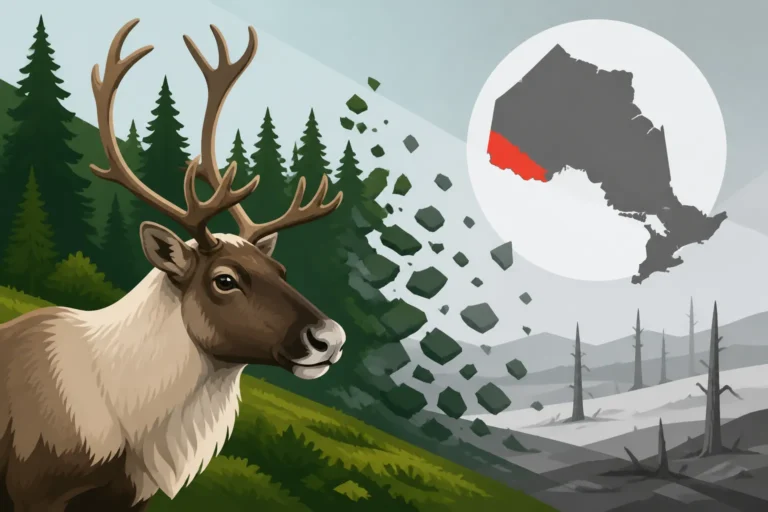
Ontario woodland caribou populations face shrinking ranges due to logging, resource extraction, shifting predator dynamics, and habitat fragmentation.
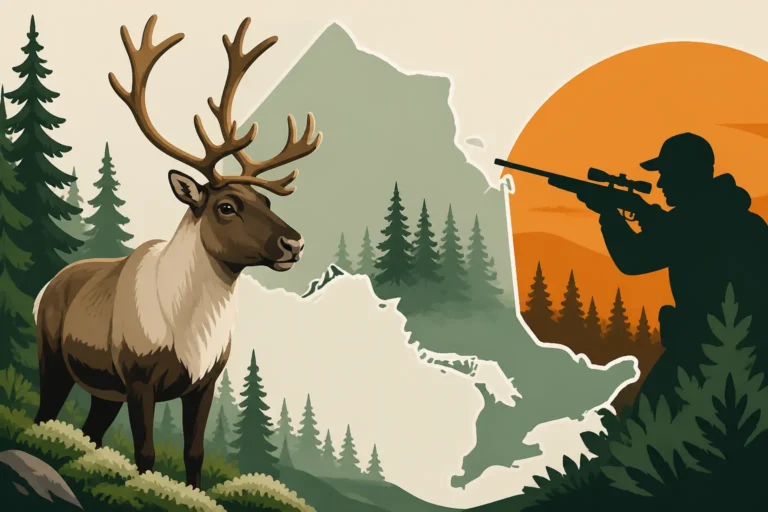
Ontario woodland caribou populations, their historical range decline, and their reliance on lichens in the boreal forest ecosystem.
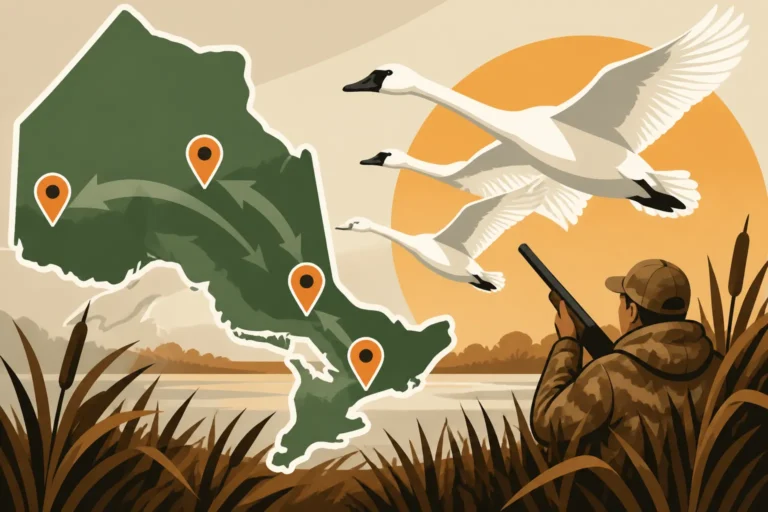
Tundra swan migration through Ontario reveals crucial stopover points, peak travel periods, and feeding habits for observing the birds.
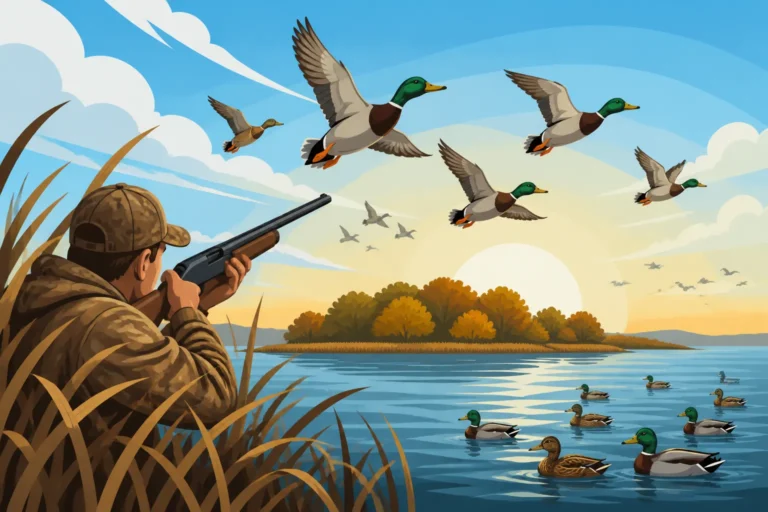
Lake St. Clair features shallow ten foot waters, abundant aquatic vegetation, and a vital location along the Mississippi Flyway.