Ontario’s Northern and Boreal Species
Ontario boreal forest game animals, unique wilderness habits, and effective hunting strategies for big game species.
Know what you’re after.
Big game, small game, upland birds, and waterfowl — identification, behavior, rut and migration timing, and how each species moves through the season.
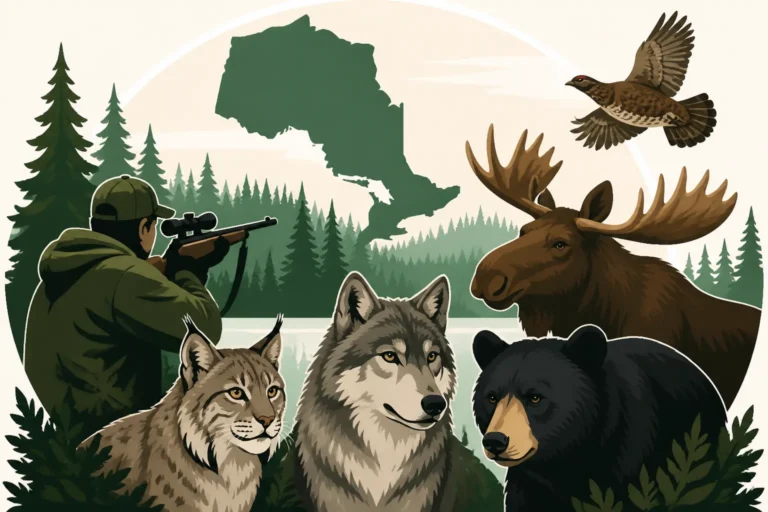
Ontario boreal forest game animals, unique wilderness habits, and effective hunting strategies for big game species.
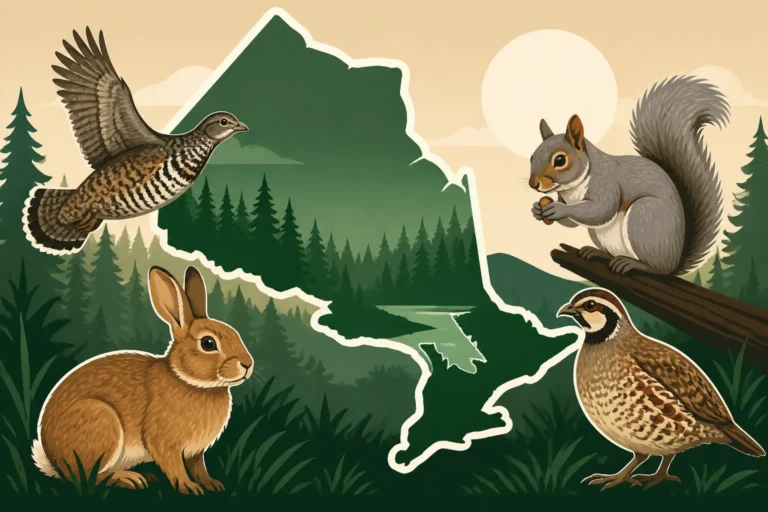
Small game species in Ontario, including rabbits, squirrels, and upland birds, require specific licenses and hunting regulations.
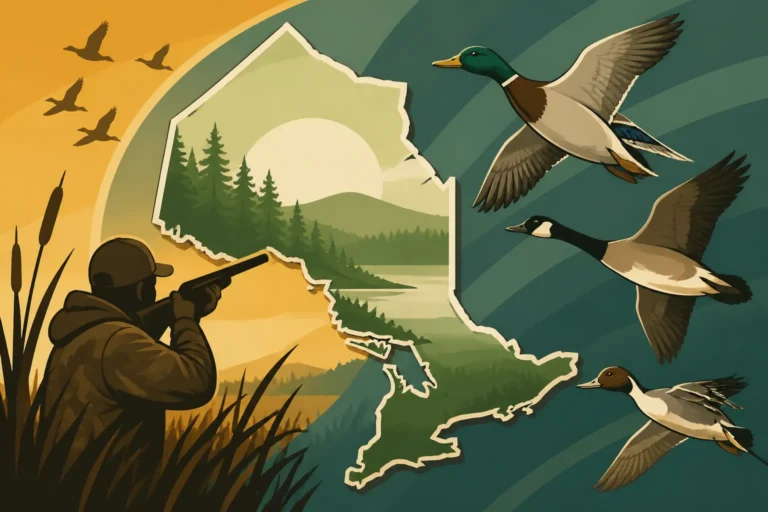
Ontario waterfowl flyways, including the Mississippi and Atlantic routes, guide migrating ducks and geese across provincial wetlands.
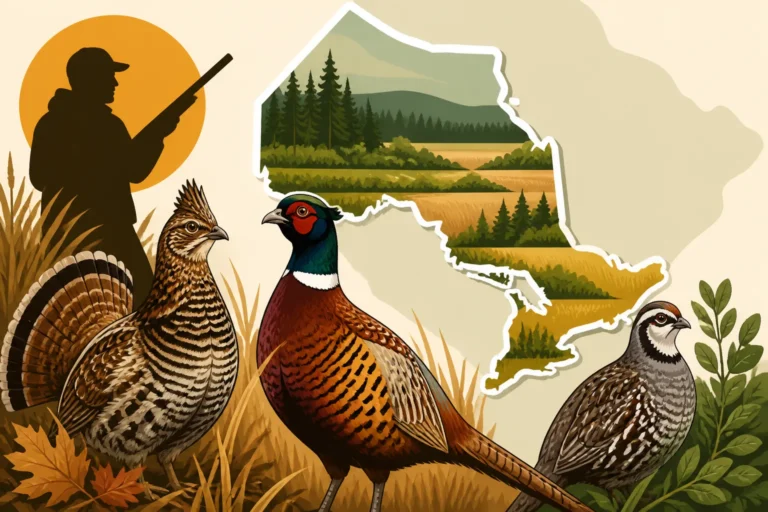
Ontario upland game birds, including ruffed grouse and spruce grouse, and their preferred forest habitats are explained to help hunters.
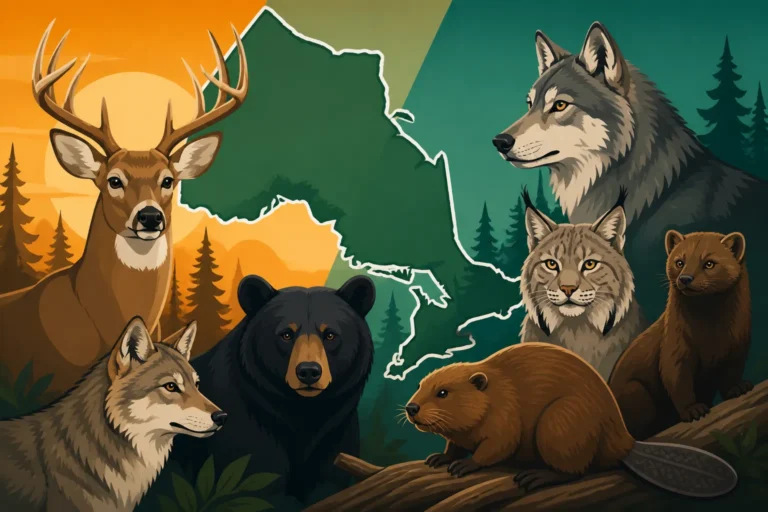
Ontario predators and furbearers maintain ecosystem health, control prey populations, and support wetland habitats across the province.
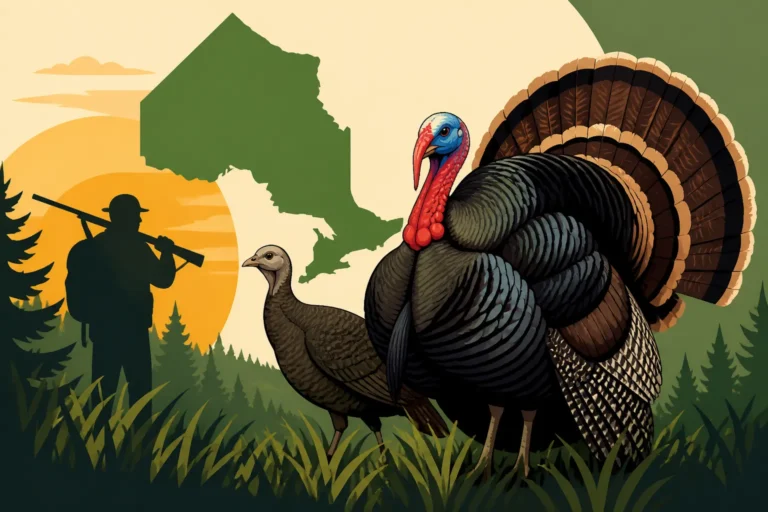
Ontario wild turkeys, extirpated by the early 1900s, returned through a successful 1980s trap-and-transfer conservation program.
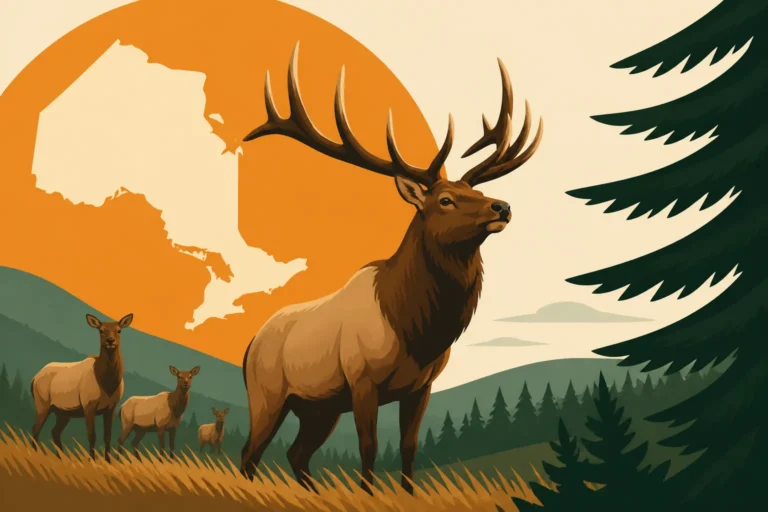
Ontario elk restoration efforts brought back thriving herds, offering unique wildlife viewing and ethical hunting opportunities today.
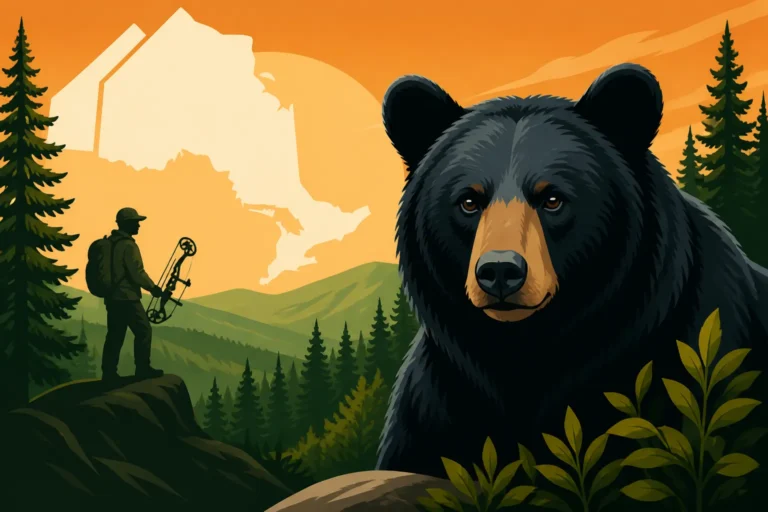
Ontario black bear population estimates, regional distributions, and management practices help hunters and nature enthusiasts understand these animals.
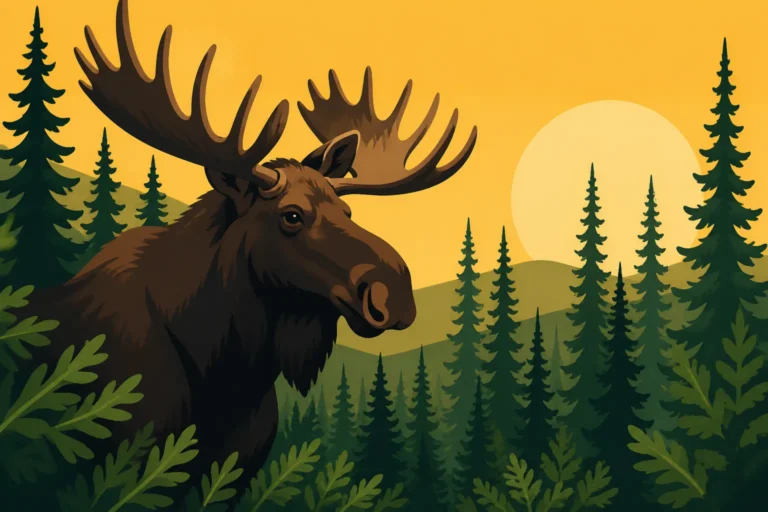
Ontario moose populations in the boreal forest face regional declines, historical shifts, and growing management challenges.
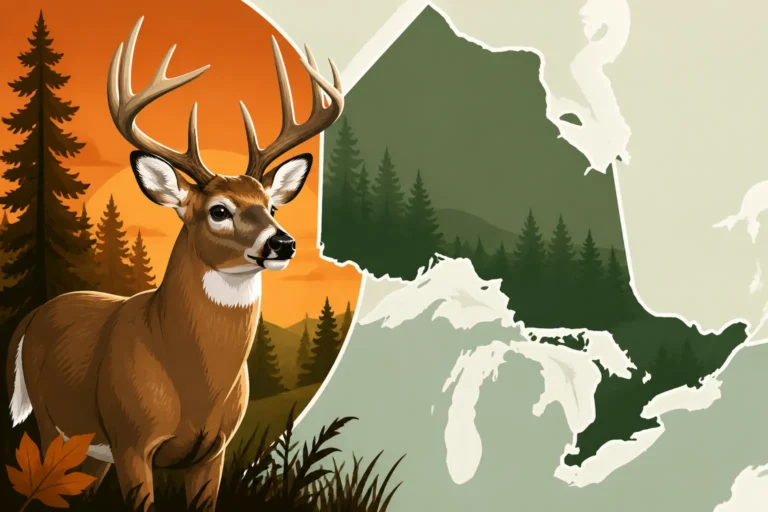
White-tailed deer populations across Ontario, from southern farmlands to northern boreal fringes, differ by region and season.