How Elk Came Back to Ontario
Ontario elk restoration details the historical loss, human settlement impacts, and successful conservation efforts returning herds.
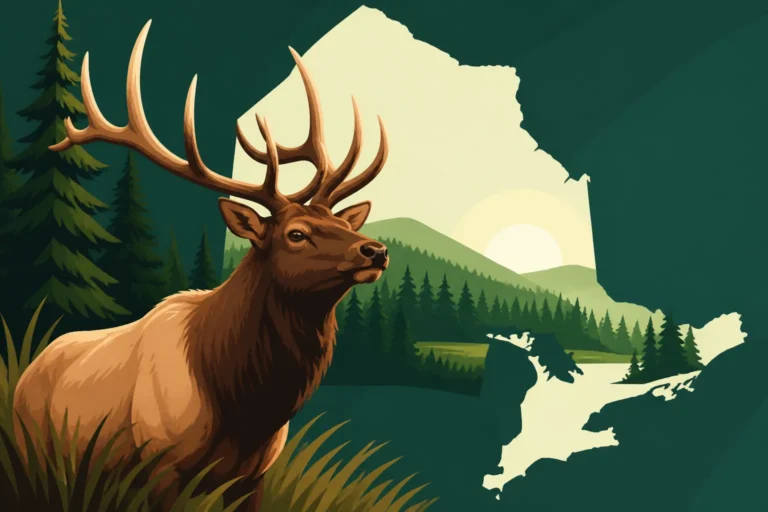
Ontario elk restoration details the historical loss, human settlement impacts, and successful conservation efforts returning herds.
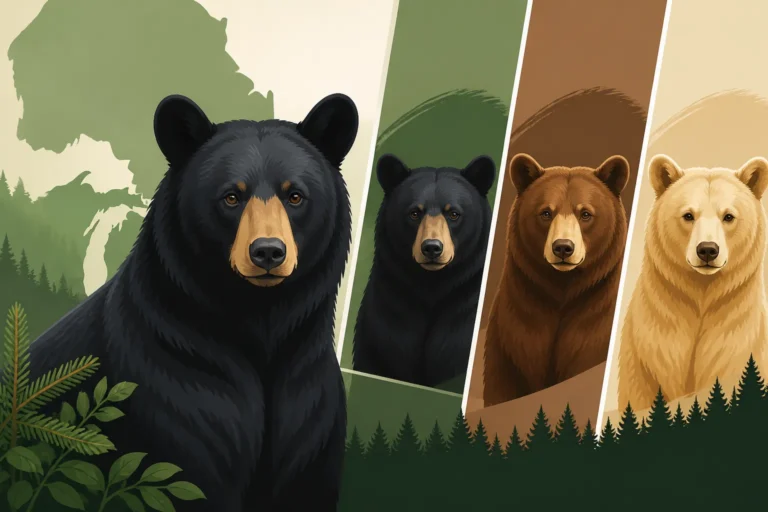
Ontario black bear colour phases, including cinnamon, brown, and blonde, explained through genetics and geographic traits.
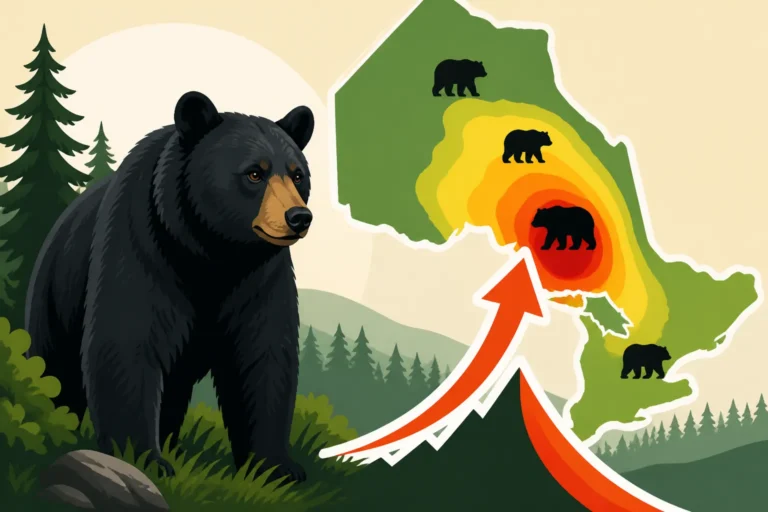
Ontario black bear populations, estimated at 85,000 to 100,000 individuals, fluctuate based on winter severity and food availability.
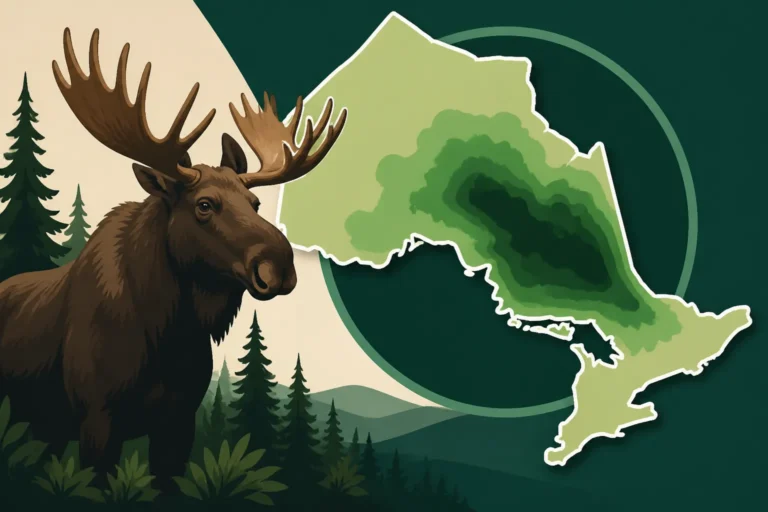
Ontario moose densities peak in northern boreal forests containing wetlands and young regenerating clear-cuts aged 3 to 15 years.
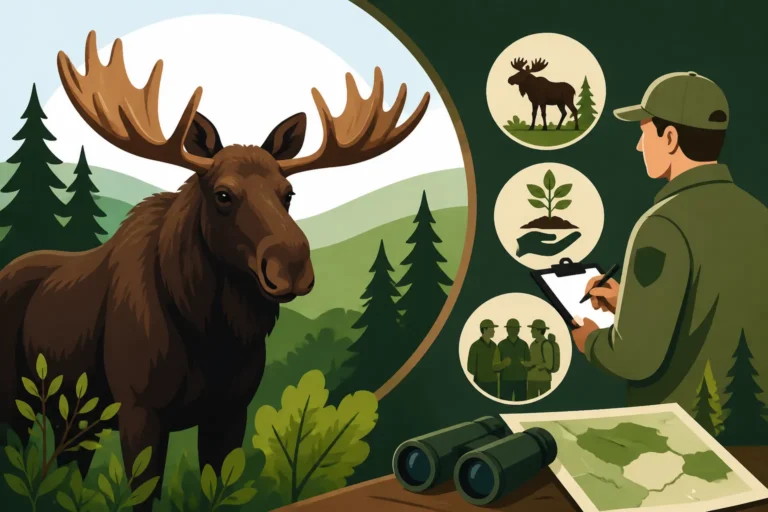
Ontario moose populations face threats from winter ticks, habitat loss, wolves, bears, and brainworm carried by northern deer.
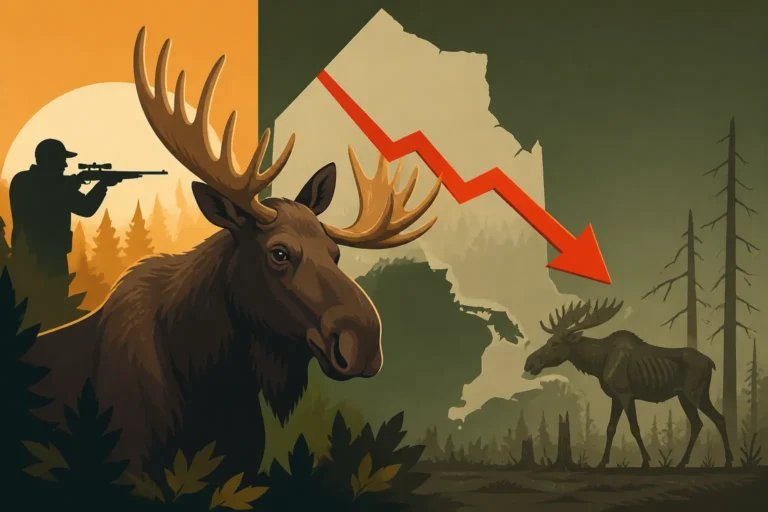
Ontario moose population decline trends, regional variations across Wildlife Management Units, and impacts on hunter success rates.
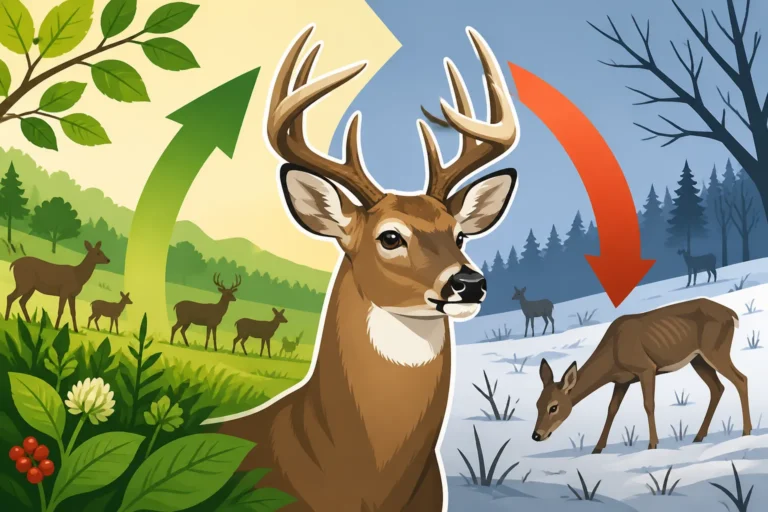
Ontario deer populations fluctuate due to natural reproduction rates, habitat carrying capacity limits, and varying mortality factors.
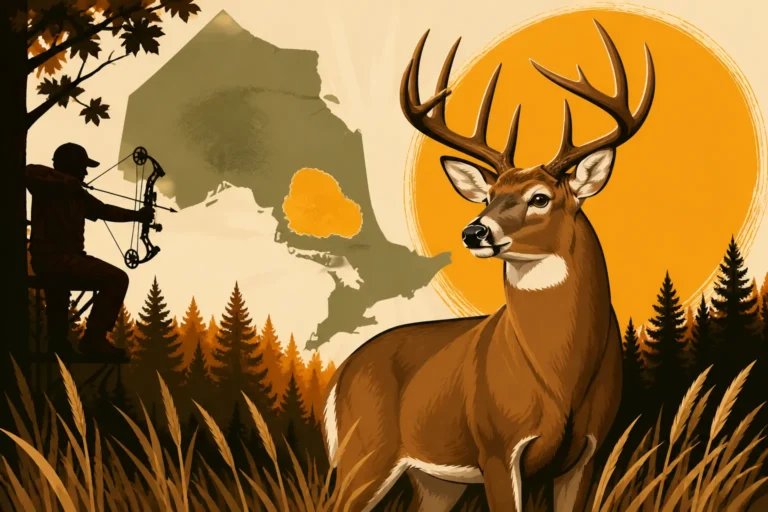
Ontario deer hunters learn pre-rut, peak, and post-rut phases, plus how temperature and snow impact animal movement during the season.
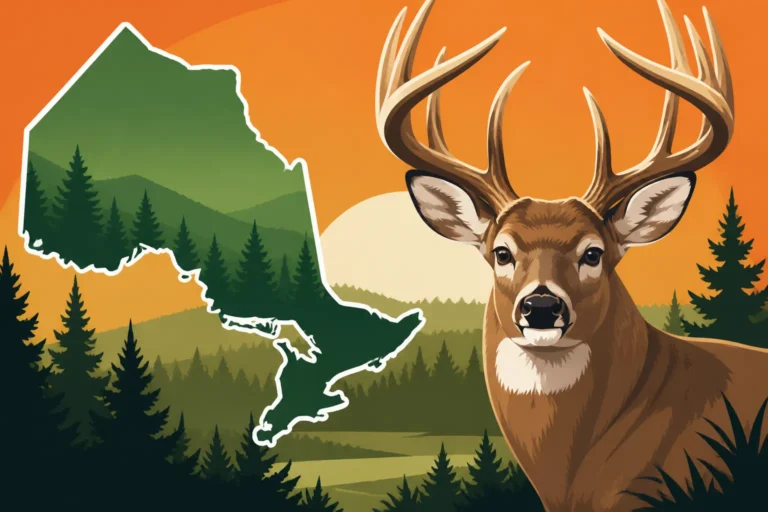
Ontario whitetail deer hunting strategy explains how genetics, age, nutrition, and low pressure produce massive trophy bucks.
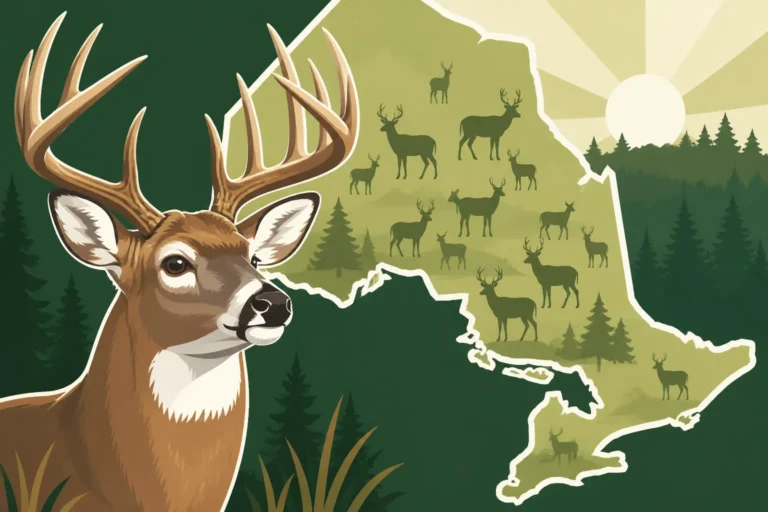
Ontario whitetail deer population numbers remain difficult to pinpoint because biologists track herd trends and harvest data across diverse landscapes.