Hunting Ontario’s Northern Boreal Units
Oh, the thought of heading north, deep into Ontario's boreal forest for a hunt—it stirs something primal in a lot of us, doesn't it? It’s a dream for many, but it also comes with its own unique set of challenges, from navigating immense tracts of wilderness to understanding the specific behaviours of the game that calls this rugged landscape home. This guide is here to walk you through what it really takes to hunt Ontario's northern boreal units, helping you plan an adventure that's both successful and safe in this truly wild part of our province.
Understanding Ontario's Boreal Landscape
The northern boreal forest of Ontario is a vast, untamed wilderness that truly distinguishes itself from the mixed forests and farmlands of the south. If you've ever stood on the edge of a pristine northern lake, surrounded by towering black spruce, balsam fir, and jack pine, you know the feeling. It's an environment that demands respect and thorough preparation, but it also offers some of the most rewarding hunting experiences imaginable.
The Vastness and Unique Ecology
Imagine an area stretching for hundreds of thousands of square kilometres, where human settlements are few and far between, and the primary inhabitants are wildlife. That's the boreal forest. It's characterized by its coniferous dominance, interspersed with trembling aspen and white birch stands in areas recovering from fire or logging. This creates a mosaic of habitat types – dense stands of timber, open bogs, vast muskeg, intricate lake systems, and winding rivers. The ground can be a spongy carpet of moss and lichen, or rocky outcrops left by ancient glaciers. This diverse ecology supports a vibrant array of wildlife, but also makes travel and navigation incredibly challenging. It's not uncommon to hike for hours without crossing a single trail, navigating solely by compass or GPS. The sheer scale means that understanding migration patterns, historical burn areas, and even prevailing wind directions becomes critical for success. This isn't just a place to hunt; it's an ecosystem to understand and immerse yourself in.
Key Game Species of the Boreal Forest
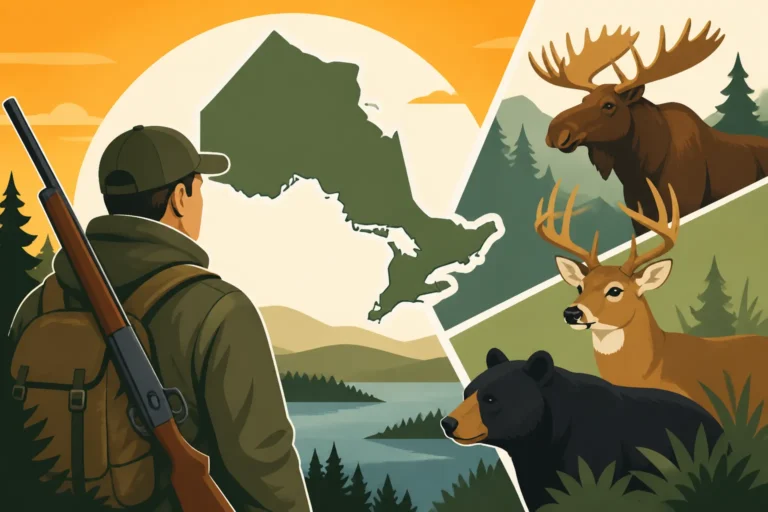
When we talk about hunting the northern boreal, we're really talking about a few key species that thrive in this rugged environment. Each offers a distinct challenge and demands specific hunting approaches.
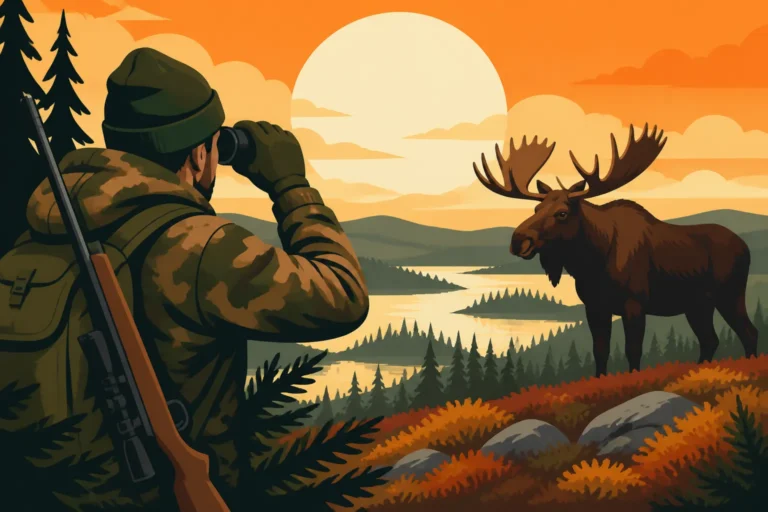
- Moose: Without a doubt, the moose is the king of the boreal forest. Their massive size and elusive nature make them a highly sought-after trophy. Moose prefer areas with a mix of dense forest for cover and wetlands or riparian zones for forage. You'll often find them browsing on willows, aquatic vegetation, and young aspen shoots. Hunting moose in the boreal often involves long days of still-hunting, calling, or even hunting from a boat or canoe along lake edges and river systems. Success often hinges on finding fresh sign – tracks, rubs, and beds – and understanding their daily patterns, which can vary greatly depending on the time of year and weather. For a deeper dive, check out Moose Hunting Ontario's Northern Bush.
- Black Bear: Ontario's boreal forest is also prime black bear country. These intelligent and adaptable omnivores thrive on the abundant berries, nuts, and insect larvae found in the diverse habitat. Bears are creatures of habit, often following consistent travel corridors, especially when food sources are plentiful. Hunting them frequently involves baiting, particularly during the spring and fall seasons, but spot-and-stalk or still-hunting can also be effective for those who prefer a more active approach. Understanding bear behaviour, recognizing a sow with cubs, and judging size are all crucial skills for a safe and ethical bear hunt here. You can learn more about this by reading Black Bear Hunting in Ontario and Spring Bear Hunting in Ontario.
- Upland Birds: While big game often gets the spotlight, the boreal forest offers fantastic opportunities for upland bird hunting. Ruffed grouse, in particular, are widespread, often found along old logging roads, forest edges, and areas with mixed deciduous and coniferous growth. Spruce grouse are also present, though they prefer denser coniferous stands. These hunts are a great way to add excitement and delicious table fare to your trip. You might stumble upon them while scouting for moose, or you can dedicate specific time to walking trails and forest edges with a shotgun. For tips on hunting these birds, consider Ruffed Grouse Hunting Ontario's Bush Roads.
- Other Opportunities: While less commonly targeted by non-resident hunters, the boreal also holds opportunities for small game like snowshoe hare, and predators like wolves and coyotes, particularly in winter. Some areas might even offer chances at fox or lynx, usually through trapping, which has its own set of distinct rules and traditions.
Planning Your Boreal Adventure: Logistics and Preparation
Hunting in Ontario's northern boreal units isn't like heading out to a local woodlot. It requires meticulous planning and a deep understanding of the unique logistical challenges inherent in such remote landscapes. This isn't just about packing your rifle; it's about planning an expedition.
Access Challenges and Solutions
Getting into the heart of the boreal forest can be an adventure in itself. Roads are often few and far between, and even those that exist can be rough, unmaintained logging roads that demand a robust vehicle.
- Fly-in Camps: For truly remote experiences, many hunters opt for fly-in camps. This typically involves flying into a remote lake or outpost cabin via a float plane. These operations are often run by outfitters who provide cabins, boats, and sometimes even guide services. The obvious advantage is access to areas with virtually no human pressure, offering untouched hunting grounds. The downside is the cost and the strict weight limits on what you can bring in and out. If this sounds appealing, consider discussing options with local outfitters when planning your Moose Hunting Ontario's Northern Bush trip.
- Boat-in Access: For those seeking a slightly less expensive, but still remote, option, boat-in access is popular. This involves driving to the end of a maintained road, launching a boat, and then navigating a lake or river system to a remote cabin or a pre-determined camping spot on Crown Land. This can be fantastic for moose hunting, as moose often frequent shorelines. Canoe-In Hunting on Ontario Crown Land can give you an idea of the commitment needed, even with a powered boat. You'll need a reliable boat, extensive navigation skills, and a plan for fuel and emergency repairs.
- Bush Roads and ATV Trails: For hunters willing to put in the effort, many parts of the boreal forest are accessible via networks of old logging roads and ATV trails. These roads can be extremely rough, with washouts, mud holes, and overgrown sections. A high-clearance 4×4 truck is often a necessity, and even then, you might need to park and hike, or use an ATV for the final leg. Always be aware that these roads can become impassable quickly with rain or snow. It's crucial to have good maps, know how to use them, and ideally, travel with another vehicle for safety. Remember to check local regulations regarding ATV use on Crown Land.
Essential Gear for Remote Boreal Hunts
Forget your casual deer hunting pack; boreal hunting demands a comprehensive and resilient gear list. The conditions can be unforgiving, with sudden weather changes, challenging terrain, and the knowledge that you're often days away from immediate assistance.
- Clothing System: Layers are paramount. Think moisture-wicking base layers, insulating mid-layers (fleece or down), and a waterproof, windproof outer shell. Temperatures can swing dramatically, from frosty mornings to warm afternoons, and rain can turn into snow without much warning. Always pack an extra set of dry clothes, especially socks.
- Navigation Tools: This is non-negotiable. A reliable GPS unit with pre-loaded maps, a physical compass, and detailed topographic maps are absolute must-haves. Even with modern technology, a dead battery or a dropped device can leave you in a real bind. Learn how to use all three in conjunction. We'll delve into specific apps like onX Hunt and GoHunt later.
- Shelter and Sleep System: A robust tent or a well-maintained cabin is essential. For camping, choose a tent that can withstand strong winds and heavy rain. A sleeping bag rated for colder temperatures than you anticipate is a good idea, as is an insulated sleeping pad to keep you warm from the ground up.
- Survival Kit: This isn't just a suggestion; it's a lifeline. Include a first-aid kit, fire-starting materials (multiple options), a multi-tool or knife, headlamp with extra batteries, signal mirror, whistle, emergency blanket, and enough food and water for at least 2-3 extra days beyond your planned trip. A satellite communication device (like a Garmin inReach or a Zoleo) is also strongly recommended.
- Game Processing and Retrieval: If you're successful on a big game hunt, you'll need the right tools to process your animal in the field. This includes sharp knives, a game bag or two, rope, and perhaps a small gambrel or block and tackle system. For moose, quartering the animal is often the only feasible way to get it out of the bush. Consider how you'll keep meat cool, especially in warmer early seasons; Meat Care in Ontario's Warm Early Seasons can be a great resource here.
- Weapon and Ammunition: Ensure your rifle or bow is sighted in and in perfect working order. Bring ample ammunition, as opportunities can be fleeting, and you might need extra for practice or if something goes awry. Understand Ontario's specific rules on legal firearms and bows for big game.
Navigating the Boreal: Maps, Technology, and Safety
The vastness of Ontario's northern boreal units means that getting lost isn't just an inconvenience; it can be life-threatening. Modern technology has certainly made navigation easier, but it doesn't replace fundamental bushcraft skills and a solid safety plan.
Modern Mapping Tools
Gone are the days when a paper map and compass were your only tools. Today's digital mapping platforms offer incredible detail and functionality, making them invaluable for scouting and on-the-ground navigation.
- onX Hunt: This application has become a game-changer for many hunters. With onX Hunt, you can download offline maps to your smartphone or tablet, showing property boundaries (including Crown Land), topographic features, and even recent satellite imagery. You can mark waypoints for potential stand locations, game sightings, or your vehicle, and track your movements in real-time. This is incredibly useful for navigating complex terrain and understanding where you are in relation to public and private lands. You can scout from home, identify potential access points, and plan your routes, all before you even leave.
- GoHunt: While perhaps more widely known for Western big game draws, GoHunt also offers robust mapping features and extensive data, which can be invaluable for broader hunt planning in any region, including Ontario. Their platform can help with understanding unit boundaries, historical harvest data (where available), and general terrain analysis. Combining the detailed ground-level information of onX Hunt with the broader planning capabilities of GoHunt can give you a powerful edge. Always check the specific data layers available for Ontario to ensure it meets your needs.
- Beyond Apps: While these apps are fantastic, they are still dependent on battery life and device function. Always carry a physical map (a topographic map is best) and a reliable compass. Learn to orient yourself using natural features, the sun, and terrain. Knowing how to read a map and use a compass effectively means you're never truly lost, even if your electronics fail. For more on this, check out Scouting With Satellite Imagery in Ontario and Reading an Ontario WMU Map Before You Go.
Communication and Emergency Preparedness
In remote boreal settings, cell service is often non-existent. Having a plan for communication and emergencies isn't just smart; it's absolutely critical.
- Satellite Communication Devices: Devices like the Garmin inReach or Zoleo are paramount. These allow you to send and receive text messages virtually anywhere, regardless of cell service, and most importantly, they have an SOS function to contact emergency services in a true crisis. This isn't just about calling for help; it's about checking in with loved ones and providing peace of mind. Many offer tracking features, so someone back home can see your progress.
- Emergency Signals: Beyond technology, carry traditional signaling tools. A loud whistle can carry surprisingly far in the quiet bush. A signal mirror can attract attention from aircraft. Brightly coloured clothing (blaze orange is mandatory for certain seasons anyway) can make you more visible.
- The Buddy System: Never hunt alone in truly remote areas. A hunting partner can provide invaluable assistance in an emergency, from providing first aid to helping extract game or navigating. If you must hunt solo, ensure your detailed hunt plan (including your route and expected return time) is left with someone reliable.
- First Aid Training: Consider taking a wilderness first aid course. Basic first aid knowledge is crucial, but knowing how to manage injuries or medical emergencies when help is hours or days away is a completely different skill set. This includes everything from treating severe bleeding to splinting fractures and recognizing signs of hypothermia.
- What to Do If You Get Turned Around: It happens to the best of us. Panic is your biggest enemy. If you find yourself disoriented, stop, assess your situation, and try to retrace your steps. Use your map and compass, or your GPS. If you're truly lost, stay put, make yourself visible, and conserve your energy. For more specific advice, read What to Do If You Get Turned Around.
Hunting Strategies for Northern Game
Hunting in Ontario's boreal units isn't about sitting in a comfy blind waiting for deer to walk by. It's often an active, physically demanding pursuit that requires patience, persistence, and an understanding of how game animals interact with this unique environment.
Moose Hunting Tactics in the Boreal
Moose hunting in the boreal is a quintessential northern experience, but it demands specific tactics to be successful.
- Calling: During the rut, which typically peaks in late September and early October, calling can be incredibly effective. Cow calls (long, drawn-out moans) can bring in curious bulls, while aggressive bull grunts and antler raking can challenge a dominant bull. It's a game of patience and knowing when to call, how loud, and for how long. Calling often works best when set up near water, like a beaver pond or a lake shore, as the sound carries well and moose naturally frequent these areas. Calling a Bull Moose in the Rut offers more insights into this exciting method.
- Still-Hunting and Tracking: For the rest of the season, or for those who prefer a quieter approach, still-hunting through areas of prime moose habitat is productive. This means moving slowly, stopping frequently to glass and listen, and paying close attention to fresh sign. Look for tracks in mud or snow, fresh browsed saplings, and rubs on trees. Moose are huge animals, but they can move silently through thick cover.
- Hunting From a Boat or Canoe: Many boreal areas are defined by extensive lake and river systems. Hunting from a boat or canoe allows you to cover vast distances, access remote shorelines, and spot moose feeding in aquatic vegetation. This is particularly effective during the early morning and late evening when moose are most active near water. Remember to be mindful of legal shooting hours and rules about hunting from a boat. Hunting Moose From a Boat or Canoe provides excellent tips for this strategy.
- Habitat Focus: Moose favour areas with a mix of young regeneration (often post-logging or burn areas), dense cover, and easy access to water. Pay attention to how moose use different parts of the landscape. They'll often bed down in dense stands during the day and move to more open feeding areas at dawn and dusk. Hunting Moose Around an Ontario Beaver Pond is a perfect example of focusing on prime habitat.
Black Bear Hunting in the Northern Wilderness
Black bears are numerous in Ontario's boreal, offering excellent hunting opportunities. Their intelligence and keen senses make them a formidable quarry.
- Baiting: Baiting is a very popular and effective method for hunting black bears in Ontario, especially for non-resident hunters working with an outfitter. A well-established bait site can draw bears in consistently, allowing hunters to observe them, judge their size, and wait for an ethical shot. Setting up a bait site requires careful planning, adherence to regulations, and consistent maintenance. You'll need to know how to properly Setting a Bear Bait Site in Ontario to maximize your chances.
- Spot-and-Stalk: For the more adventurous, spot-and-stalk hunting for bears can be incredibly rewarding. This involves glassing clearings, cutovers, berry patches, and open areas during times when bears are actively feeding. This requires patience, good optics, and the ability to move silently through the bush. It's a challenging but deeply satisfying way to hunt.
- Understanding Bear Habits: Bears follow food. In spring, they emerge hungry and will seek out early green vegetation. In fall, they're focused on building up fat reserves for winter, making them highly active in berry patches (blueberries, saskatoons, wild raspberries) and areas with oak or beech trees (though less common in the deep boreal). Understanding these seasonal dietary shifts is key to locating bears.
Upland Birds and Small Game Opportunities
Don't overlook the smaller game found throughout the boreal. It adds another layer of enjoyment and can provide a welcome break from the intensity of big game hunting.
- Ruffed and Spruce Grouse: These birds are often found along the edges of old logging roads, forest trails, and areas with mixed cover. Walking these routes quietly, with a shotgun at the ready, can yield surprising success. Pay attention to drumming logs for ruffed grouse. Spruce grouse tend to be less wary and often hold tight, making them easier targets but sometimes harder to spot.
- Snowshoe Hare: These elusive hares are abundant in many parts of the boreal, particularly in dense coniferous stands. They are masters of camouflage but can be spotted moving through thick cover, especially after a fresh snow, which provides excellent tracking opportunities. Rabbit and Hare Hunting in Ontario can provide further strategies for these fun hunts.
- Integrating Small Game: The beauty of small game in the boreal is that it can often be integrated into a larger big game hunt. While waiting for moose or bear, you might encounter grouse, adding some extra meat to the cooler and keeping you alert and engaged.
| Species | Prime Boreal Habitat | Key Hunting Considerations |
|---|---|---|
| Moose | Mixed forest, wetlands, shorelines, regenerating cuts | Calling (rut), still-hunting, boat/canoe access, tracking |
| Black Bear | Berry patches, cutovers, dense forest, river corridors | Baiting, spot-and-stalk, understanding food sources |
| Ruffed Grouse | Old logging roads, forest edges, mixed growth | Walking trails, flushes, dog work |
| Spruce Grouse | Dense coniferous stands, swamp edges | Very still, often hold tight, slower pace |
| Snowshoe Hare | Thick coniferous swamps, dense undergrowth | Tracking in snow, still-hunting, dog work |
Licensing, Regulations, and Respecting the Land
Hunting in Ontario, especially in the vast boreal region, comes with specific rules and ethical considerations. Understanding these is not just about staying legal; it's about being a responsible conservationist and respecting the land and its resources.
Understanding WMUs and Special Regulations
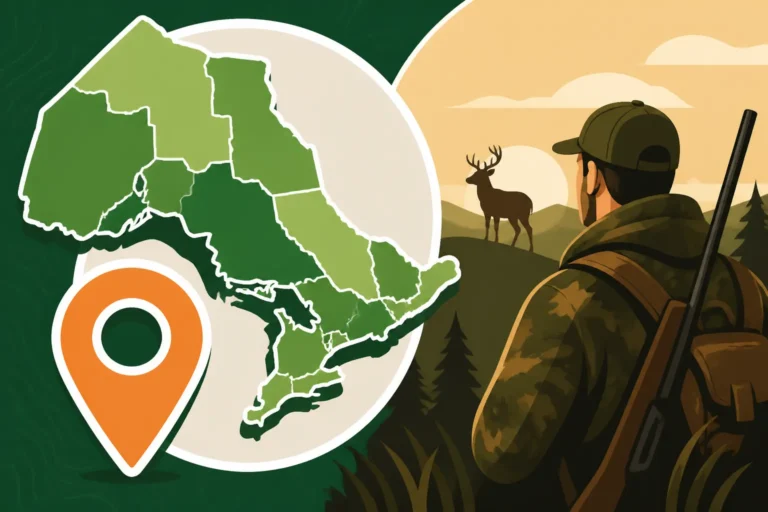
Ontario is divided into numerous Wildlife Management Units (WMUs), and the boreal region encompasses many of these. Each WMU can have slightly different season dates, bag limits, and specific regulations for certain species.
- WMU Importance: Before you even plan your trip, you must identify the specific WMU you intend to hunt. This will dictate your legal hunting seasons for species like moose, bear, and deer (if present), as well as any specific tag requirements. Many northern WMUs have extensive Crown Land, which is public land available for hunting. To get a handle on the broader system, check out Ontario's Wildlife Management Units.
- Licensing and Tags: Every hunter in Ontario, resident or non-resident, needs an Outdoors Card. You then purchase specific licences and tags for the species you intend to hunt. Moose tags, for example, are allocated through a draw system and can be highly sought after. Bear hunting often requires a specific validation certificate. It's crucial to understand Ontario Hunting Licences and What They Cost and all the nuances of the draw systems, especially for moose.
- Crown Land Rules: Much of the boreal hunting occurs on Crown Land. While generally open to hunting, there are rules regarding camping (a permit may be required for non-residents), tree stand placement, and vehicle use. Always verify these regulations before you head out. Hunting Ontario's Crown Land details these important aspects.
- Firearms and Ammunition: Be aware of the legal firearms and ammunition for big game in Ontario. There are minimum calibre requirements for rifles and specific rules for bows and muzzleloaders. If you're a non-resident, there are strict rules for bringing firearms across the Canadian border, including a Non-Resident Firearm Declaration form.
Conservation and Ethical Hunting Practices
Hunting in the boreal is a privilege, and with that comes the responsibility to practice ethical hunting and contribute to conservation.
- Respecting Wildlife: This means ensuring clean, ethical kills, making every effort to recover wounded game, and knowing your limits as a shooter. It also means recognizing when an animal is a sow with cubs (illegal to harvest bear cubs or a sow with dependent cubs) or a juvenile animal you're not targeting. It's about respecting the animal itself and its place in the ecosystem.
- Leave No Trace: The boreal forest is pristine, and it should stay that way. Pack out everything you pack in, including spent shell casings, food wrappers, and any other garbage. Minimize your impact on the land. If you're camping, follow established fire safety protocols and leave your campsite cleaner than you found it.
- Reporting Your Harvest: Many species require mandatory harvest reporting. This data is crucial for wildlife management and helps the province make informed decisions about future seasons and bag limits. Failing to report your harvest can result in penalties.
- Understanding Indigenous Rights: It's important to be aware that Indigenous peoples in Ontario have constitutionally protected hunting and fishing rights. You may encounter Indigenous hunters and trappers on Crown Land, and mutual respect is paramount.
- Dealing with Meat and Trophies: Once you've harvested an animal, responsible meat care is crucial, especially in remote areas. Proper field dressing and cooling are essential to prevent spoilage. If you plan to take meat or a trophy (antlers, hide, skull) home as a non-resident, understand the export permit requirements. These are often obtained through your outfitter or at designated provincial offices. For handling meat in changing temperatures, Hanging Meat in Fall Temperature Swings has useful advice.
Hunting Ontario's northern boreal units is an unforgettable experience, a true test of skill, endurance, and preparation. It's not for the faint of heart, but for those willing to embrace the challenge, it offers deep rewards and a connection to the wild that is increasingly rare.
Disclaimer
This article is for general informational purposes only and does not constitute professional advice. Laws, prices and regulations vary by location and change over time. Consult a qualified professional for guidance on your specific situation.