Ticks and Parasites in Big Game
There’s nothing quite like the feeling of a successful hunt in Ontario, but that excitement can quickly turn to a nagging worry when you start processing your game and notice something… off. Finding ticks, cysts, or other signs of parasites on your harvested deer, moose, or bear can be unsettling. It makes you question the health of the animal, the safety of the meat, and even your own exposure. This guide is here to shed light on the common ticks and parasites found in Ontario's big game, help you identify them, and provide practical advice on how to handle your harvest safely and confidently, easing those anxieties so you can fully appreciate your hard-earned bounty.
The Creepy Crawlies and Hidden Invaders of Ontario's Big Game
Ontario's wilderness is teeming with life, and that includes a variety of organisms that call our big game species home. While many are benign, some can impact the health of the animal, and, in rare cases, even pose a risk to humans. Understanding what these are and how they operate is the first step in being a responsible and informed hunter.
External Pests: Ticks and Their Impact
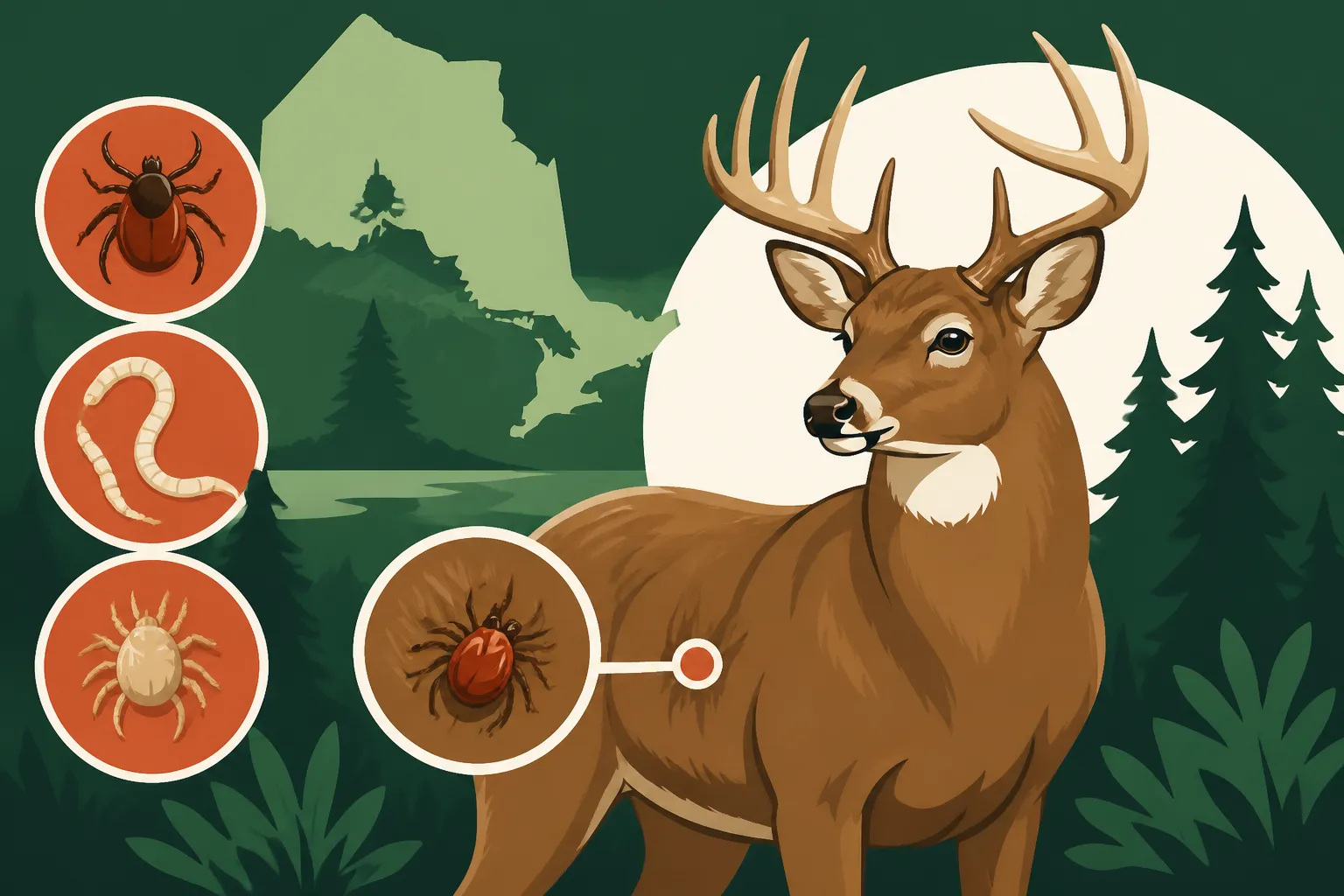
When you’re out in the bush, especially during certain seasons, ticks are almost an unavoidable part of the experience. They latch onto animals, just like they can latch onto us, and feed on blood. For hunters, the primary concern revolves around two main types: the winter tick and the deer tick.
The winter tick (also known as moose tick) is a real issue, particularly for our moose population. Unlike other ticks that drop off and re-attach, the winter tick spends its entire life cycle on one host. Imagine hundreds, even thousands, of these tiny vampires feeding on a single moose through the colder months. This severe blood loss can weaken the animal considerably, leading to what’s often called "ghost moose" syndrome, where the moose rubs off large patches of hair trying to alleviate the intense itching. This hair loss leaves them exposed to the cold, further stressing their system, and can ultimately lead to starvation or increased vulnerability to predators. It’s a stark reminder of nature’s harsh realities when you come across a moose carcass that has clearly succumbed to a heavy tick load. For more on this, you might find How Winter Ticks Affect Moose Survival to be a helpful read.
Deer ticks, or black-legged ticks, are smaller and a concern for deer, but more importantly, they are the primary vector for Lyme disease, which can be transmitted to humans. While finding deer ticks on a harvested deer doesn't necessarily mean the meat is compromised, it's a huge flag to be vigilant about your own body for bites. These ticks are active when temperatures are above freezing, meaning you can encounter them during most hunting seasons, even in the late fall or early spring turkey hunts. Always check yourself thoroughly after being in the field, and certainly after handling a game animal. The frustration of dealing with a potential Lyme exposure is something no hunter wants.
Internal Guests: Worms, Cysts, and Other Concerns
Beyond the skin, there’s a whole world of internal parasites that can reside within big game animals. These are often less visible until you begin the field dressing process, and they can certainly raise eyebrows and concerns about meat quality.
One of the most well-known internal parasites in Ontario big game is the meningeal worm, or brainworm. While relatively harmless to its primary host, the white-tailed deer, this tiny nematode can be devastating to moose and sometimes elk, for whom it is an aberrant host. When a moose ingests the larvae (often from accidentally eating snails or slugs while browsing), the worm migrates to the brain and spinal cord, causing neurological damage. This leads to symptoms like stumbling, blindness, head tilting, and general disorientation, making the animal act "drunk." Hunters might observe such behaviour in live animals, or find evidence of advanced brainworm if they harvest a moose that had been exhibiting these signs. It's a sad sight to see an animal struggling with this condition. For a deeper dive into this, check out What Brainworm Does to Moose.
Other internal parasites include various lungworms, which can sometimes be found in the respiratory system, or liver flukes, which, as their name suggests, inhabit the liver. These often appear as small, whitish cysts or flat, leaf-like worms. While these might look alarming, they are generally specific to the animal host and rarely pose a risk to humans once the meat is properly cooked. However, finding them can still be unsettling. It's a natural part of the ecosystem, but it's important to know what you're looking at.
It's also worth noting that while not a parasite, Chronic Wasting Disease (CWD) is a concern often grouped with discussions about animal health because of its neurological effects. CWD is a fatal, transmissible neurological disease of deer, moose, elk, and caribou. It's caused by prions, not parasites, but it's a serious wildlife disease that raises similar questions about meat safety and herd health. Ontario maintains a strong surveillance program to keep it out of the province. Understanding What CWD Means for Ontario Deer is crucial for all hunters.
What to Look For: Field Signs and Carcass Clues
Knowing what to look for, both in the living animal and after the harvest, is critical for assessing the health of your game and ensuring safe handling. It’s all about observation and diligent inspection.
Live Animal Indicators
Sometimes, the best clues come before the shot is even fired. Observing a big game animal in its natural habitat can reveal a lot about its health. We touched on the "ghost moose" appearance—a moose with significant hair loss, often in patches or streaks, looking shaggy and thin in late winter or early spring. This is a tell-tale sign of a heavy winter tick infestation. Such an animal is likely under extreme stress and may be struggling to survive.
With deer, while external ticks might be present, you're less likely to see dramatic outward signs of internal parasites unless the infestation is very severe. However, neurological symptoms like stumbling, circling, or showing no fear of humans can be signs of advanced brainworm or other debilitating diseases. Any animal acting strangely should give you pause. It’s a good practice to use your optics to really study an animal before you decide to take it, looking for anything that seems off in its posture, gait, or overall condition. Hunters often discuss these observations on forums or via resources like GoHunt, sharing insights that help everyone stay informed about local herd health.
Post-Harvest Inspection
This is where the rubber meets the road. Once the animal is down and you begin the field dressing process, a thorough inspection of the carcass and internal organs is paramount. This isn't just about finding parasites; it's about ensuring you're taking home healthy meat.
Here's a table to help you quickly identify some common findings:
| Parasite/Tick Type | Common Host(s) | Appearance on Animal/Meat | Potential Impact on Meat (Human) | Action for Hunter |
|---|---|---|---|---|
| Winter Tick | Moose, Deer, Elk | Thousands of ticks, hair loss, thin condition ("ghost moose") | None (external only) | Thoroughly clean carcass, check yourself for ticks. |
| Deer Tick | Deer, Moose, Elk, Humans | Tiny (poppy seed to sesame seed size), often embedded | Lyme Disease risk (to humans) | Diligent personal tick checks, remove promptly. |
| Meningeal Worm | White-tailed Deer (primary), Moose, Elk (aberrant) | Neurological signs in moose/elk (stumbling), no visible signs in deer meat | None (specific to animal) | If animal showed severe neurological signs, consider submitting samples for testing. |
| Liver Flukes | Deer, Moose, Elk | Flat, leaf-like worms in liver; cysts or tunnels | None (proper cooking) | Discard affected liver, meat is generally safe if cooked. |
| Lungworms | Deer, Moose, Elk | Small worms/cysts in lungs or airways | None (proper cooking) | Discard affected lung tissue, meat generally safe. |
| Muscle Cysts | Various (e.g., Sarcosporidia) | Small, rice-grain sized cysts within muscle tissue | None (proper cooking) | Visually inspect meat; trim heavily affected areas. Cook thoroughly. |
During field dressing, pay close attention to the liver, lungs, heart, and muscle tissue. Look for:
- Abnormal growths or cysts: These could be small, firm nodules in the muscle, or fluid-filled sacs on organs. For example, deer can sometimes have muscle cysts from protozoa like Sarcosporidia. While often harmless to humans if the meat is cooked thoroughly, it's wise to trim heavily affected areas.
- Discoloration or lesions: Any unusual spots, dark areas, or lesions on organs should be noted. A healthy liver should be a uniform, deep reddish-brown.
- Worms: While rare in muscle, you might occasionally see small worms or larvae in the gut cavity or within organs.
- Overall condition: Does the animal appear emaciated or overly thin despite its size? A poor body condition can indicate a chronic health issue.
If you discover something truly alarming, like widespread lesions or an animal that was severely emaciated with suspicious growths, it's always best to err on the side of caution. Consider contacting your local Ministry of Natural Resources and Forestry (MNRF) office to report your findings. They might ask you to submit samples for testing. Using platforms like GoHunt can help you quickly find the relevant contact information for reporting game health concerns in your specific Wildlife Management Unit.
Hunter Safety and Meat Handling
Beyond identifying parasites, the critical next step is ensuring your own safety and that of the meat you intend to consume. Proper handling is key to minimizing any risks associated with these natural occurrences.
Protecting Yourself in the Field and Kitchen
Your personal safety should always be a top priority. When field dressing, especially in warmer temperatures, always wear gloves. This isn't just for cleanliness; it's a barrier against potential pathogens from the animal, and also from ticks or other external parasites you might encounter while handling the hide. Even if you don't see any obvious parasites, using gloves is a simple, effective precaution. After field dressing, thoroughly wash your hands and any tools you used with soap and water.
Ticks, particularly deer ticks, are the primary direct concern for hunters. What Lyme Disease Means for Ontario Hunters is a serious topic, and vigilance is your best defense. After any time spent in the bush, perform a thorough tick check on yourself, your clothing, and your gear. Pay special attention to warm, hidden areas like armpits, groin, behind the knees, and hairline. Remove any attached ticks carefully with fine-tipped tweezers, pulling straight up with steady pressure. Save the tick in a sealed bag or container with the date and location if you're concerned about Lyme disease, as it might be useful for identification if symptoms develop.
Ensuring Safe Consumption of Your Harvest
For the vast majority of parasites found in wild game, thorough cooking is your best friend. Heat effectively kills bacteria, viruses, and most parasites, rendering the meat safe for consumption. This means cooking your game meat to an internal temperature of at least 160°F (71°C) for ground meat and 145°F (63°C) with a three-minute rest for whole muscle cuts. Always use a meat thermometer to be sure.
If you find small cysts or other localized abnormalities in a specific part of the meat, it's generally recommended to trim away and discard the affected tissue. For organs like the liver, if you find liver flukes, simply discard the entire organ. The muscle meat is usually unaffected and perfectly safe to eat once properly cooked. Remember, these are wild animals living in a natural environment, and encountering some parasites is a normal part of their biology. The key is knowing how to react. For guidance on handling your meat post-harvest, especially in varying temperatures, refer to Field Dressing in Warm Ontario Weather and Meat Care in Ontario's Warm Early Seasons. These practices are vital for both safety and quality.
Mitigating Risk and Reporting Your Observations
Being proactive and knowing when to report unusual findings are crucial aspects of responsible hunting in Ontario. Your actions contribute to the broader health of our wildlife populations.
Best Practices in the Field
Being aware of the seasons and habitat types can help you anticipate certain risks. For instance, if you're hunting moose in late winter, be prepared for the possibility of a tick-laden animal. Similarly, knowing that deer ticks are active in milder weather means being extra vigilant during early fall or late spring hunts. When scouting a new area, perhaps using a detailed map or a hunting app like GoHunt, consider the local conditions and what species thrive there. High deer densities, for example, can sometimes contribute to higher rates of certain parasites.
Understanding how environmental factors affect game animals can also provide clues. How Deep Snow Shapes Ontario Game might influence where animals congregate and thus, where parasites might spread more easily. Staying informed about current wildlife health advisories in your region is always a smart move. Check official government websites before heading out.
The Importance of Reporting Your Observations
Your role as a hunter extends beyond the harvest; you are also an invaluable set of eyes and ears for wildlife management. If you encounter an animal exhibiting severe signs of illness (like advanced neurological symptoms or extreme emaciation not explained by injury) or find unusual, widespread anomalies in a harvested animal that go beyond typical minor cysts or worms, reporting it to the MNRF is extremely important.
Here's why: your observations contribute to their surveillance programs. The MNRF tracks wildlife health, including diseases like CWD, brainworm prevalence, and the impact of winter ticks. Early detection of new diseases or significant changes in parasite loads can allow for targeted management strategies, protecting both wildlife and potentially human health. Reporting is simple and can usually be done through provincial wildlife health hotlines or online portals. Even a quick note about an odd observation can be a piece of a larger puzzle. Reporting Your Ontario Harvest isn't just about tagging your animal; it's also about contributing to the bigger picture of wildlife management, and Why Mandatory Reporting Matters for the health of our herds. You can often find links to reporting mechanisms through trusted hunting resources, and a quick check on GoHunt before your trip can ensure you have the right numbers or websites handy. While getting your Ontario Hunting Licences and What They Cost is the first step, understanding your responsibilities as a conservationist goes far beyond that.
Disclaimer
This article is for general informational purposes only and does not constitute professional advice. Laws, prices and regulations vary by location and change over time. Consult a qualified professional for guidance on your specific situation.