When Divers Reach the Great Lakes
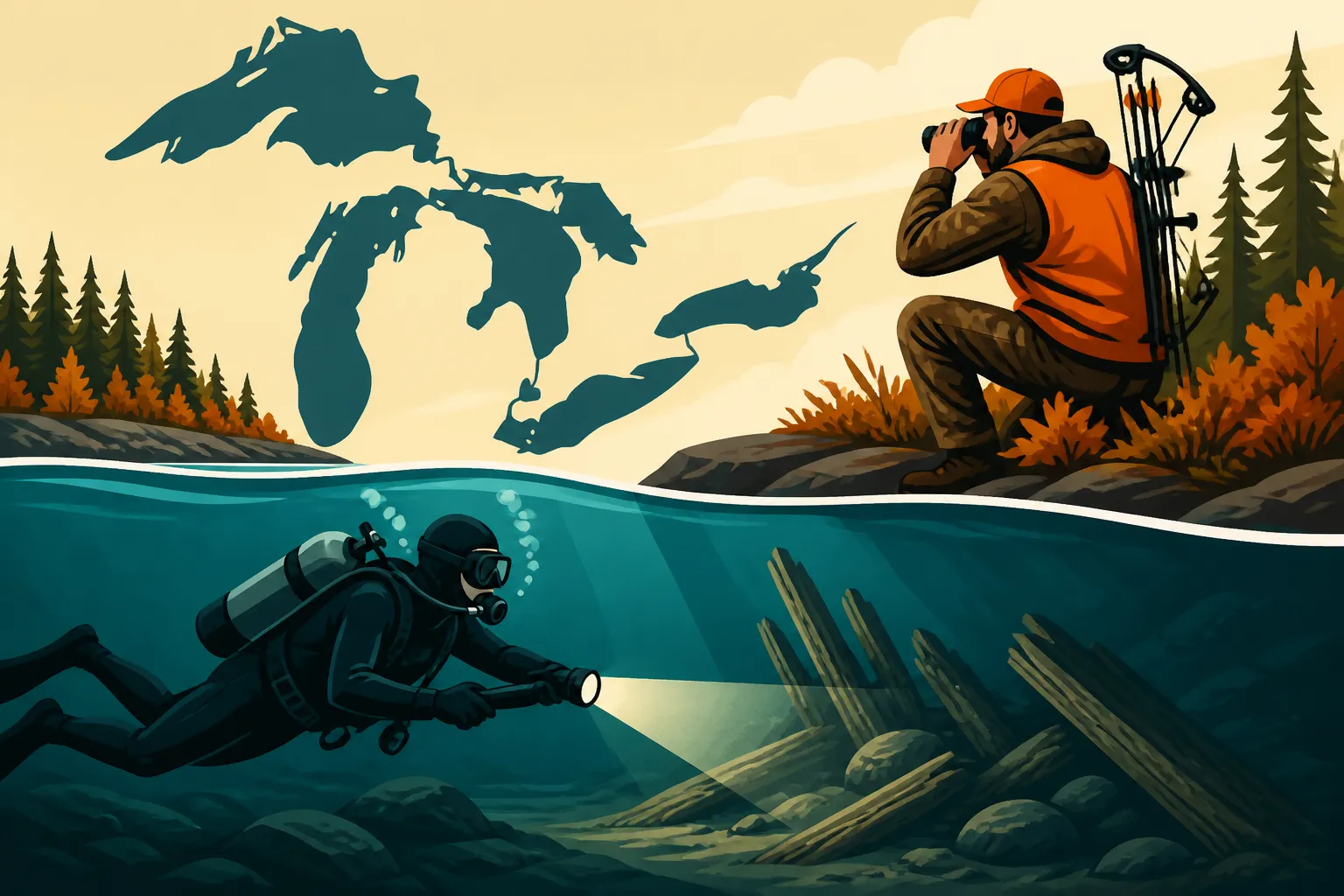
There's a special kind of anticipation that builds when you're a diver duck hunter on the Great Lakes. You've got your boat tuned up, your decoys rigged, and you're just waiting for that massive push of birds from the north. But figuring out when those divers truly reach the Great Lakes can feel like chasing a ghost, with cold fronts and shifting winds making all the difference. This guide will help you understand the timing of diver duck migrations into Ontario's Great Lakes, giving you the insights you need to be in the right place at the right time and fill your bag.
Understanding Diver Migration Patterns on the Great Lakes
Diver ducks, unlike their dabbling cousins, tend to prefer larger, deeper bodies of water, which makes the vast expanse of the Great Lakes an irresistible draw. Their migration patterns are often less about specific dates on a calendar and more about the relentless march of colder weather from the northern reaches of their breeding grounds. This makes timing their arrival both thrilling and sometimes frustrating, as conditions can vary wildly year to year.
The Early Season Push: A Mixed Bag
When the duck season first opens in Ontario, you might encounter a smattering of diver ducks on the Great Lakes. These are often resident birds, or perhaps some of the earlier migrants that have made shorter hops from nearby breeding grounds. Think of this as the warm-up act; you might see some Redheads or even early Scaup, but it's rarely the mass migration that diver hunters dream of. These birds can be a pleasant surprise, but they don't represent the main event.
Hunting during this early period, often in late September or early October, requires focusing on local movements and smaller concentrations of birds. They might be utilizing shallower bays or protected points, not yet fully committed to the deep, open water where they'll later concentrate. Patience is key, as is understanding that the true diver spectacle is still to come. You're essentially playing a waiting game, keeping an eye on the skies and the weather reports for what's brewing further north.
The Main Event: Colder Weather and the Big Flight
The real influx of diver ducks on the Great Lakes typically kicks off when serious cold fronts begin to sweep down from the Canadian prairies and the boreal forest regions. This usually means late October and certainly through November. As ice starts to form on smaller, inland lakes and ponds up north, it acts like a giant broom, pushing thousands upon thousands of divers south. This is when species like Greater and Lesser Scaup (often called bluebills), Canvasbacks, Redheads, Goldeneyes, and Buffleheads start arriving in significant numbers.
This period, stretching into early December, is prime time for Diver Hunting Ontario's Big Water. The sheer volume of birds can be staggering, forming massive rafts out on the open water. These birds are driven by instinct and a need to find open water and abundant food sources before winter truly locks things down. They'll often follow the major flyways, funneling right into the Great Lakes basin. Knowing Ontario's Ducks and Geese by Flyway can give you a better idea of these routes.
Late Season Opportunities and Freeze-Up
Even as winter tightens its grip, the Great Lakes continue to offer opportunities for diver hunters, often right up until the official close of the Ontario Duck Season Dates by District. As smaller water bodies freeze solid, divers will congregate on the largest remaining open water. This means focusing on main lake basins, major points, and areas with strong currents that resist freezing. Goldeneyes and Buffleheads, in particular, are incredibly hardy and will often stick around until the very last bit of open water disappears.
This late season hunting can be incredibly productive but also challenging. The weather is often brutal, with biting winds and heavy seas. Hunters need to prioritize safety and have the right equipment. The birds are also generally warier, having run the gauntlet of countless hunters on their journey south. Understanding their movements as ice pushes them off certain areas and into others is crucial for success. These late-season divers are survivors, and it takes a dedicated hunter to pursue them in these conditions.
Key Factors Influencing Diver Arrival Timing
Predicting the exact day the divers will show up in force is a fool's errand. It's not a single event but a dynamic process influenced by a complex interplay of natural factors. Hunters who understand these variables are much better equipped to anticipate the best hunting windows.
Weather Systems and Northern Freeze-Up
The most significant driver of diver migration into the Great Lakes is undoubtedly the weather. Cold fronts pushing south from Manitoba, Saskatchewan, and northern Ontario are the engine of this migration. As these fronts bring sustained freezing temperatures, particularly across the boreal forest, small lakes, potholes, and river systems begin to skim over with ice, then lock up solid. This deprives divers of their primary feeding and resting areas, forcing them to move.
A strong, sustained cold snap that pushes deep into the continent will almost guarantee a major flight of birds. Conversely, a mild autumn can delay the main migration by weeks, leaving hunters scanning empty skies and wondering where all the birds are. It's not just the temperature, but the persistence of the cold that matters. A brief cold snap might bring a few birds, but it takes consistent freezing to truly trigger the mass exodus. Many hunters use weather apps and even hunting intelligence platforms like GoHunt to track these large-scale weather patterns far to the north, looking for those telltale deep freezes.
Food Availability and Staging Areas
While cold weather pushes divers south, abundant food sources act as magnets, pulling them into specific areas on the Great Lakes. Many diver species feed heavily on aquatic invertebrates, particularly zebra and quagga mussels, which have become incredibly abundant in the lower Great Lakes. These mussels, though an invasive species, provide a critical high-energy food source for migrating divers. Areas with dense mussel beds will consistently hold large numbers of birds.
Iconic locations like What Long Point Means to Waterfowl and Why Lake St. Clair Draws So Many Ducks are not just famous for their size but also for the incredible density of food sources available. Divers will stage in these areas, feeding heavily to fuel the remainder of their migration or to build up reserves for the winter. Understanding where these primary food sources are located and how easily accessible they are (which can be impacted by water levels or current) is vital for locating concentrated diver populations.
Water Levels and Habitat Conditions
The dynamic nature of Great Lakes water levels also plays a role in where divers will congregate. High water levels might flood previously dry areas, creating new feeding opportunities in shallower bays or along inundated shorelines. Conversely, low water levels can expose mussel beds, making them less accessible, or concentrate birds into fewer, deeper areas. Divers are highly adaptive, but their distribution is undeniably influenced by these hydrological changes.
Furthermore, factors like aquatic vegetation, bottom substrate, and even currents can dictate where divers feel most comfortable feeding and resting. Calm, sheltered bays might be preferred during stormy weather, while during fair skies, birds might venture further out into open water. Knowing the nuances of the Great Lakes' constantly shifting environment, and how divers respond to these changes, is a lifelong study for dedicated waterfowl hunters.
Scouting and Preparing for the Diver Influx
Being ready for the diver migration means more than just having your gear in order; it means being a diligent student of the environment and a master of preparation. The unpredictable nature of these hunts demands flexibility and a keen understanding of what the birds need.
Monitoring Weather and Migration Reports
The absolute best way to anticipate diver arrivals is to closely monitor long-range weather forecasts for northern Ontario and the prairie provinces. Look for sustained cold fronts, significant snowfall, and widespread ice formation. These are your early warning signs. Beyond general weather, keep an eye on online hunting forums, local outfitter reports, and even general birding observations. Many hunters use advanced weather tracking and mapping applications, sometimes referred to as tools like GoHunt, to get detailed satellite imagery and weather overlays that can highlight ice formation or significant temperature drops in crucial northern staging areas.
Additionally, paying attention to local conditions on your chosen Great Lake is paramount. Are you seeing new groups of birds? Are there different species showing up? The first few rafts of new divers can often be an indicator of a larger push to come. Don't underestimate the value of simply driving the shoreline, glassing the water, and talking to other passionate hunters. Collective intelligence can often paint a clearer picture than any single source.
Gear Considerations for Big Water Hunts
Hunting divers on the Great Lakes is a serious undertaking that requires specialized gear and a strong emphasis on safety. A stable, seaworthy boat is non-negotiable, along with all required safety equipment, including a VHF radio, flares, and adequate PFDs for everyone onboard. Decoy spreads for divers are often large, featuring dozens or even hundreds of decoys to attract birds to your spread. A variety of diver species decoys can be effective, mimicking the large rafts birds are accustomed to seeing.
Remember, all waterfowl hunting in Ontario requires the use of Non-Toxic Shot Requirements for Waterfowl. Steel shot is the most common, but bismuth or tungsten alternatives offer better performance if your budget allows. Dress in layers, as conditions on the big water can change rapidly and dramatically. Waterproof, windproof outer layers are essential, as is proper footwear. Cold water immersion is a real danger, so appropriate clothing and safety protocols are not just recommendations – they're critical for survival.
Understanding Local Hotspots and Movements
Even within the vastness of the Great Lakes, divers will concentrate in specific areas. These hotspots are often characterized by accessible food sources, shelter from prevailing winds, or natural funnel points in their migration routes. Years of experience, combined with scouting, will help you identify these key areas. Hunters often use Scouting With Satellite Imagery in Ontario to look for potential staging areas, current breaks, or subtle underwater structures that might hold mussels.
Divers tend to be creatures of habit, often flying specific routes to and from feeding and resting areas. Observing these flight lines from shore or carefully from a boat can give you a significant advantage. Wind direction also plays a critical role, as divers prefer to land and take off into the wind. Setting your decoys and blind location to take advantage of the wind and the birds' natural approach paths is a crucial part of a successful Marsh Hunting Ducks on the Great Lakes or big water diver hunt. Knowing the Duck Daily Bag Limit by Species is also essential to ensure you are hunting legally and responsibly.
Here's a general guide to when you might expect different diver species to become abundant on the Great Lakes:
| Species | Typical Arrival Window (Great Lakes) | Peak Abundance (Great Lakes) | Notes |
|---|---|---|---|
| Redhead | Mid-October to Early November | Early to Mid-November | Often among the first significant divers. |
| Canvasback | Early November to Mid-November | Mid-November | Strong preference for mussel beds. |
| Greater Scaup | Late October to Mid-November | Mid-November to Early December | "Bluebills," often in huge rafts. |
| Lesser Scaup | Late October to Mid-November | Mid-November to Early December | Similar to Greater Scaup, but often in shallower areas. |
| Ring-necked Duck | Mid-October to Early November | Late October to Mid-November | Favors marshier, vegetated areas more than other divers. |
| Common Goldeneye | Early November to Early December | Mid-November to Late December | Hardy, stay late into winter. |
| Bufflehead | Late October to Late November | Mid-November to Mid-December | Small, fast, and often found closer to shore. |
Disclaimer
This article is for general informational purposes only and does not constitute professional advice. Laws, prices and regulations vary by location and change over time. Consult a qualified professional for guidance on your specific situation.