Why Berry Crops Move Ontario Bears
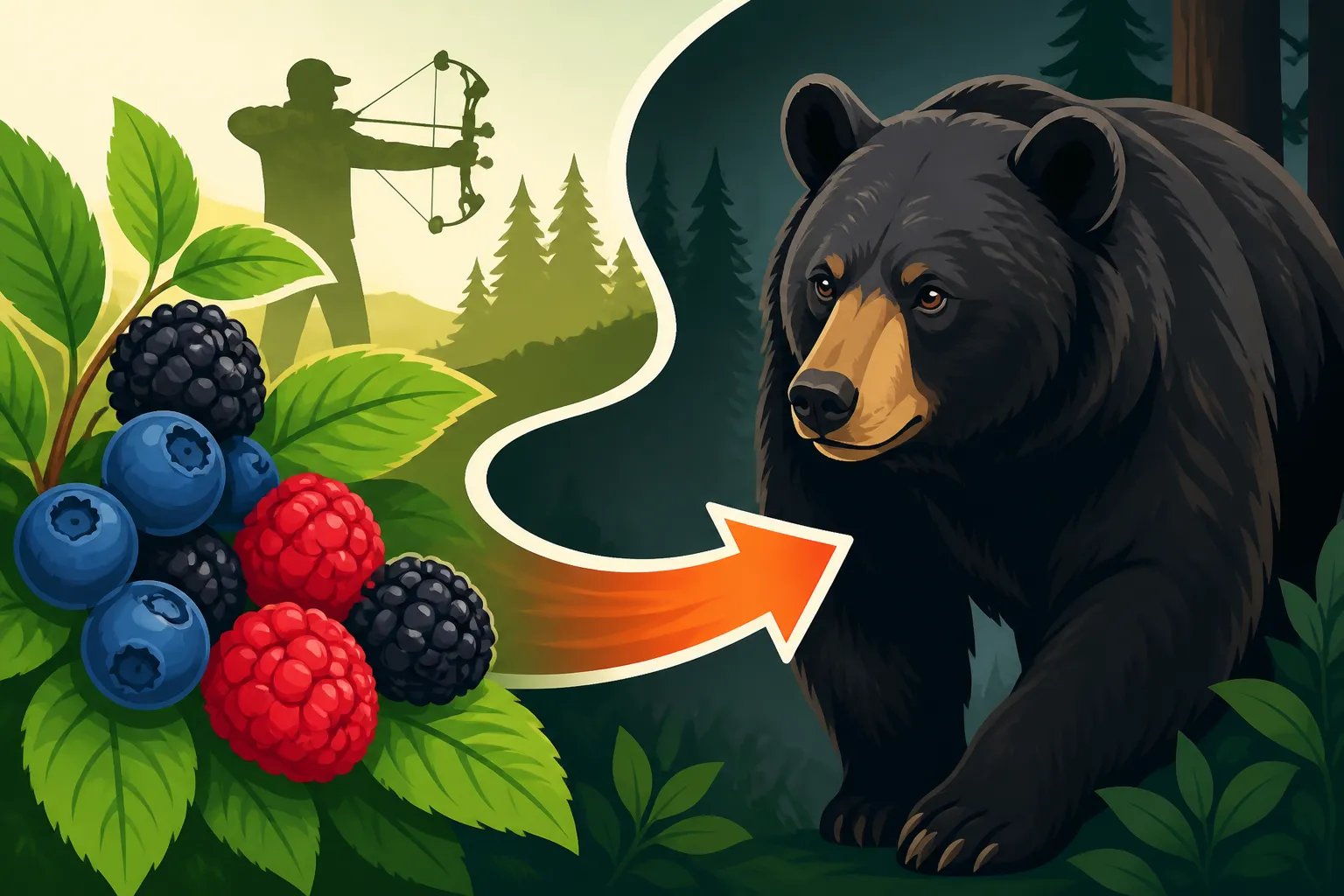
It can be incredibly frustrating to scout a prime bear hunting spot for weeks, set up a perfect bait, and then suddenly, the bears seem to vanish into thin air. You've done everything right, but the woods feel empty. More often than not, this sudden disappearance isn't due to hunting pressure or a lack of bears, but rather a shift in their diet dictated by natural food sources – and in Ontario, few things move bears as dramatically as the ripening of berry crops. This guide will delve into the intricate relationship between Ontario's black bears and their seasonal berry buffet, helping you understand their movements and adapt your hunting strategies.
The Seasonal Rhythm of an Ontario Bear's Diet
Black bears in Ontario are opportunists, and their diet changes significantly throughout the year, driven by the availability of high-energy foods. Their entire existence revolves around putting on enough weight to survive the long winter hibernation, and berries play a monumental role in this annual race against the calendar.
Spring's Lean Offerings and the Early Search
When bears first emerge from their dens in the spring, usually in late March or April in southern Ontario and a bit later further north, they're often groggy, dehydrated, and significantly lighter than when they went in. Their metabolism is slow, and they're not immediately looking for a massive meal. The first few weeks are about rehydrating and finding easily digestible, high-moisture foods.
Initially, their diet consists of whatever they can find from the previous fall, like leftover nuts or seeds, along with new green growth. Tender shoots of grass, aspen catkins, and emerging wetland plants are common. They'll also scavenge winter-killed deer or moose if they stumble upon them, or even carrion left over from trapping activities. This is a lean period, and bears are spreading out to find sustenance. As the season progresses, they'll key into insects, grubs, and the occasional fawn or moose calf, but these are often high-effort meals for relatively low caloric return compared to what's coming. This is often the time when you might first be Setting a Bear Bait Site in Ontario The sparse natural food means a well-maintained bait can be very effective in pulling bears in.
Summer's Abundance and the Rise of Berries
As spring melts into summer, the landscape of Ontario begins to burst with life, and for black bears, this means an explosion of natural food sources. June typically sees the first significant protein intake as bears key into ant colonies, raiding nests for larvae and pupae. But it's July and August when the true feast begins: berries.
From the tart wild strawberries of early summer to the juicy blueberries, raspberries, and saskatoons that follow, berries become the cornerstone of a bear's diet. These fruits are packed with carbohydrates and sugars, providing the quick energy and fat-building blocks bears desperately need. The sheer volume of berries available in good years means bears can spend hours, even days, gorging themselves, barely moving from a productive patch. Understanding What Bears Eat in a Boreal Spring and how that transitions into summer berry consumption is key for hunters.
Why Berry Abundance Dictates Bear Movement
The relationship between bears and berries isn't just about food; it's about survival. The success of a berry crop can quite literally determine the health and even the numbers of a local bear population.
The Energetic Imperative: Packing on Pounds
For a black bear, every calorie counts, especially from late summer through fall. They are in a frantic race against the approaching winter to accumulate enough fat reserves to sustain them through hibernation. A bear that doesn't put on sufficient weight might not survive the winter, or a sow might not be able to successfully carry and nurse cubs through the denning period.
Berries, particularly high-sugar varieties like blueberries and raspberries, are calorie powerhouses. Bears can consume incredible quantities, digesting them quickly and converting the sugars into fat. Imagine a bear spending 18 hours a day, methodically stripping berries from bushes, almost like a furry vacuum cleaner. This intensive feeding creates a "fat factory" that is absolutely essential for their survival. A bumper berry crop in a given year means bears can achieve their pre-hibernation weight goals faster and more efficiently, leading to healthier, more robust individuals and potentially higher cub survival rates the following spring. Conversely, a poor berry year forces bears to seek out less ideal food sources, often leading them into conflict with humans.
Following the Fruiting Cycles Across the Landscape
Ontario's vast and varied landscape means that different berry species ripen at different times, and even within the same species, ripeness can vary depending on elevation, sunlight, and moisture. Bears are incredibly adept at sensing these changes and will move across their home range, sometimes for significant distances, to capitalize on the freshest, most abundant berry patches.
Early summer might see them feasting on wild strawberries and juneberries in open fields or forest edges. As July progresses, raspberries and blueberries become dominant, found in clear-cuts, along old logging roads, and in open, rocky areas of the Canadian Shield. Later in the summer, chokecherries and saskatoons ripen in denser bush, and as fall approaches, highbush cranberries and mountain ash berries provide a crucial late-season carbohydrate source. A bear might spend a week gorging on a blueberry barren, then move several kilometers to a marsh edge where cranberries are just turning red. This migratory pattern, though often subtle, can make a previously active bait site suddenly go cold as bears abandon it for the natural bounty. This is why Scouting With Satellite Imagery in Ontario can be so useful; you can often spot clear-cuts or open areas that might be prime berry habitat.
The Impact of a Poor Berry Year
Not every summer is a bounty. Drought, late frosts, or excessive rain can significantly diminish berry crops in certain areas. When this happens, the bears don't just disappear; they change their behaviour dramatically. A poor berry year often leads to what wildlife biologists call "nuisance bear" situations.
With their primary food source scarce, bears become less selective and more desperate. They'll start pushing into agricultural fields, especially corn or oat fields, causing crop damage. More alarmingly, they'll venture closer to human settlements, raiding bird feeders, garbage cans, and even backyard fruit trees. This increased presence near populated areas can lead to public safety concerns and often higher rates of human-bear conflict. For hunters, a poor berry year means bears might be more receptive to baits, as the artificial food source becomes a much more attractive option than the sparse natural alternatives. However, it also means that bears might be moving through areas they wouldn't normally frequent, requiring hunters to be more adaptable in their scouting and stand placement. Understanding these dynamics is crucial when planning for Black Bear Hunting in Ontario.
Scouting and Hunting Strategies Based on Berry Crops
Adapting your hunting strategy to understand and anticipate bear movement influenced by berry crops is a game-changer. It shifts your approach from simply finding bears to understanding why they are where they are.
Reading the Landscape for Bear Sign
To effectively hunt bears, you need to think like one. Start by identifying potential berry-rich habitats within your chosen Wildlife Management Unit (WMU). Old clear-cuts, burned-over areas from past wildfires, power line corridors, rocky ridges, and marshy edges are all prime locations for various berry species. Even using tools like GoHunt can help you identify these habitat types on a map before you even step foot in the bush.
Once you're in the field, look for specific bear sign related to berry foraging. Bear droppings are your best indicator; look for scat filled with berry seeds, pulp, and skin. The colour and consistency can tell you how recent the feeding was and what species of berry they were consuming. Look for broken branches on berry bushes, especially on higher branches, where bears have pulled them down to reach fruit. Torn-up ground around blueberry patches indicates a bear raking berries off the plants. Finding these signs confirms that bears are actively feeding in the area. Pay close attention to trails leading into and out of these berry patches, as these become natural travel corridors for bears moving between feeding and bedding areas. Knowing how to interpret these signs is part of Reading an Ontario WMU Map Before You Go and then confirming your suspicions on the ground.
Adjusting Your Hunt Plan
Armed with knowledge about berry crops, you can make more informed decisions about your hunting location and timing. If you're running a bait site, a sudden influx of ripe berries nearby might cause bears to temporarily abandon your bait. In such cases, you might need to increase the attractiveness of your bait with stronger scents or more appealing foods, or consider moving your stand closer to natural food sources.
For hunters who prefer still-hunting or spot-and-stalk, focusing your efforts on these active berry patches becomes paramount. Instead of walking aimlessly, you're targeting areas where bears are actively feeding and concentrating. Consider setting up a ground blind or treestand on the edge of a large berry patch, particularly during the early morning or late evening when bears are most active. Travel corridors leading to and from these patches are also excellent ambush points. Remember that bears can be incredibly focused when feeding on berries, making them potentially less aware of their surroundings. This is especially true when you're looking for Black Bears Across Ontario's Bush Country. Using scouting cameras can also help you understand the timing of bear visits to berry patches versus your bait, allowing you to fine-tune your approach. GoHunt offers features that can assist in tracking game movements relative to natural food sources over time.
For those planning a fall hunt, understanding the late-season berries like highbush cranberries is key. These can provide a critical food source right up until denning. Knowing where these patches are can extend your hunting opportunities well into the cooler months. Consider areas often found in Hunting Northwestern Ontario's Big Bush or Hunting Northeastern Ontario's Clay Belt which are known for extensive berry-producing habitats.
| Berry Type | Typical Ripening Period | Bear Preference | Habitat |
|---|---|---|---|
| Wild Strawberry | Late June – Early July | High, early season treat | Open fields, forest edges, clearings |
| Raspberry | Mid-July – Early August | Very high, primary summer food | Clear-cuts, burned areas, forest edges |
| Blueberry | Late July – Mid-August | Extremely high, critical for fat building | Rocky outcrops, open forests, barren lands |
| Saskatoon Berry | Late July – Mid-August | High, found in various forest types | Forest clearings, stream banks, open woods |
| Chokecherry | Mid-August – Early Sept | High, important late-summer/early fall food | Forest edges, disturbed areas, roadsides |
| Highbush Cranberry | Late Sept – Oct | Moderate, important late-season food when other are gone | Moist woodlands, swamp edges, stream banks |
| Mountain Ash Berry | Sept – Oct | Moderate, late-season option | Mixed forests, rocky areas |
Understanding why berry crops move Ontario bears isn't just about successful hunting; it's about gaining a deeper appreciation for the wildlife you pursue. It's about respecting the intricate dance between animal and environment, and becoming a more knowledgeable and adaptable hunter. Next time your bait goes cold, instead of getting discouraged, consider if a juicy berry patch might be calling your bear away.
Disclaimer
This article is for general informational purposes only and does not constitute professional advice. Laws, prices and regulations vary by location and change over time. Consult a qualified professional for guidance on your specific situation.