Where Ontario’s Moose Are Densest
Trying to pinpoint where Ontario's majestic moose are most abundant can feel like searching for a needle in a province-sized haystack. With its vast wilderness, knowing where to focus your efforts is key to a successful hunt, saving you countless hours of scouting and frustration. This guide is dedicated to breaking down Ontario's moose country, revealing the regions and factors that contribute to higher moose densities, helping you plan your next big adventure.
Understanding Moose Habitat in Ontario
Before we dive into specific regions, it's crucial to understand what makes an area prime moose habitat. Moose are incredibly specialized browsers, and their survival hinges on a delicate balance of food availability, cover, and water. Ontario's diverse landscape offers various environments, but not all are created equal when it comes to supporting a thriving moose population.
Prime Ecological Zones for Moose
Ontario's moose primarily thrive in the province's vast boreal forest, which stretches across the northern half of the province. This isn't just one type of forest; it's a mosaic of mixed woods, conifer stands, wetlands, and regenerating clear-cuts. Moose are particularly fond of areas where these different habitats meet, offering a smorgasbord of their preferred forage. Think of areas rich in willow, aspen, balsam fir, and red osier dogwood, especially when it’s young growth. These are the salad bars of the moose world.
Beyond the sheer volume of palatable plants, the overall health of the ecosystem plays a huge role. Healthy forests, interspersed with recent disturbances like logging or natural fires, create an abundance of browse at a height moose can easily reach. When you're out scouting, look for these transitions – the edges where mature forest gives way to younger growth or where uplands meet low-lying wet areas. This interspersion is critical.
Impact of Logging and Forest Regeneration
It might seem counterintuitive, but logging, when managed properly, can be a boon for moose populations. Freshly logged areas, particularly those 3 to 15 years post-harvest, often explode with the kind of young, succulent browse that moose absolutely crave. These regenerating areas provide dense thickets for cover and a rich food supply, acting like super-sized feeding stations. As these areas mature, their value as prime forage declines, pushing moose to new, younger growth.
This constant cycle of disturbance and regeneration means that the best moose hunting can shift over the years. What was a hotspot a decade ago might be less productive now, as the forest has grown too tall for easy browsing. This is where tools like satellite imagery and land management maps become invaluable. Utilizing resources such as GoHunt's mapping features can help hunters identify these cut blocks and plan their approach, understanding that moose will follow the available food sources across the landscape.
Water Features and Aquatic Vegetation
Moose are semi-aquatic animals, and water is as vital to them as good browse. Lakes, rivers, ponds, and extensive wetlands provide not only refuge from insects and predators but also a crucial food source: aquatic vegetation. Lily pads, horsetails, and other submerged plants are highly nutritious and a favorite summer treat. These watery havens also offer relief during hot weather, allowing moose to cool down and conserve energy.
You'll often find moose concentrating around beaver ponds and river systems, especially during warmer months. These areas offer a buffet of aquatic plants and often have rich, regenerating shoreline browse due to beaver activity. When you're considering Hunting Moose Around an Ontario Beaver Pond, remember that these environments are often magnets for moose. The presence of water also contributes to a more diverse plant community, creating a richer habitat overall.
Northwestern Ontario: The Heart of Moose Country
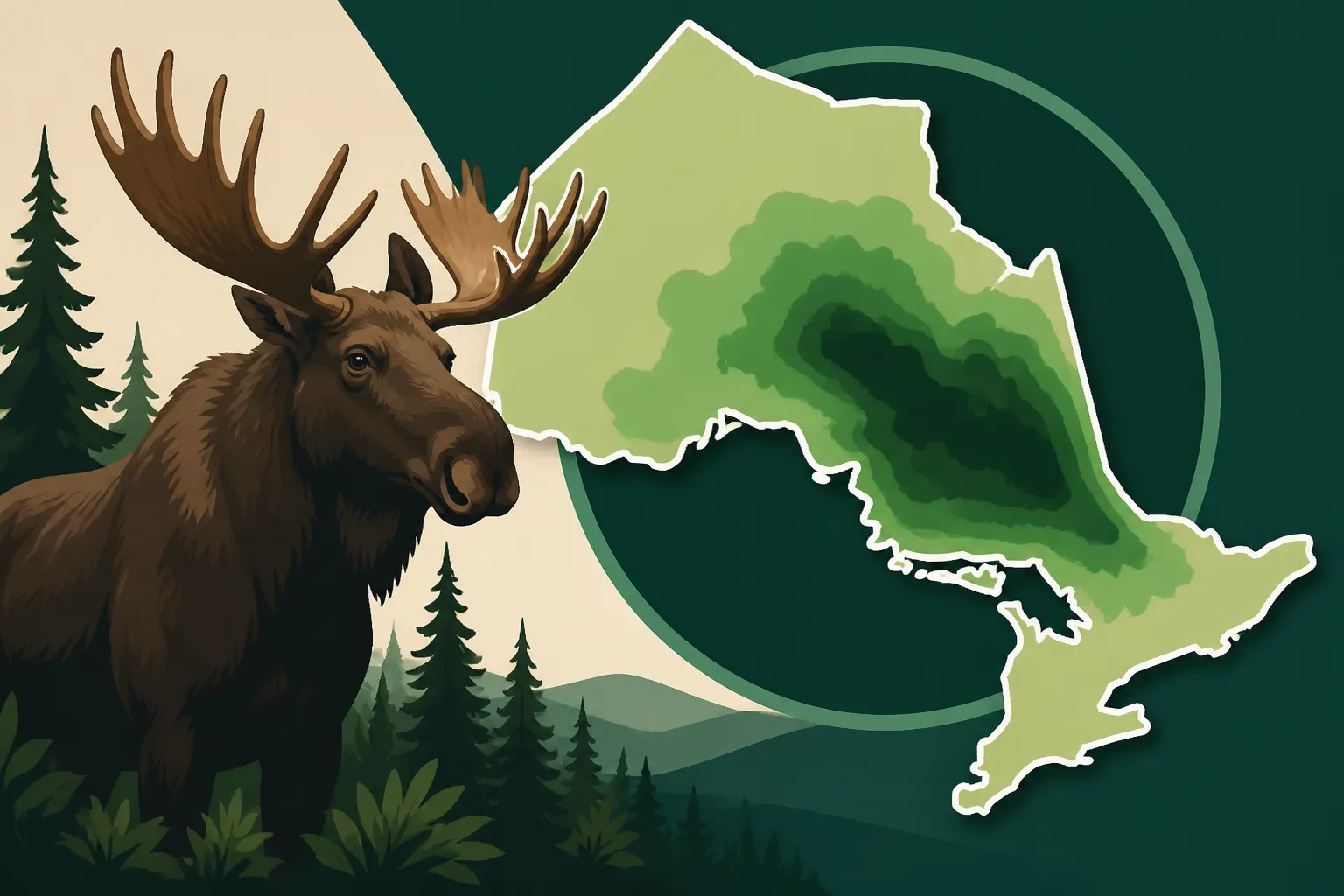
When most people picture moose hunting in Ontario, their minds often drift to the vast, untamed wilderness of Northwestern Ontario. And for good reason – this region consistently boasts some of the highest moose densities in the province, offering incredible opportunities for hunters willing to venture into its expansive bush.
The Thunder Bay and Kenora Districts
The districts surrounding Thunder Bay and Kenora are renowned for their robust moose populations. WMUs (Wildlife Management Units) in this region, such as WMU 15A, 15B, and parts of 13, are frequently cited as top-tier areas. What makes them so productive? It's a combination of factors: immense tracts of undeveloped boreal forest, a healthy cycle of logging and regeneration providing consistent browse, and an abundance of lakes, rivers, and wetlands.
The sheer scale of the land means moose have vast areas to roam, find food, and escape pressure. While hunting pressure certainly exists, particularly on easy-access roads, there's always more country to explore. Hunters who are prepared to put in the effort, whether that means Canoe-In Hunting on Ontario Crown Land or simply hiking further from the truck, often find success. These areas are characterized by a mix of coniferous and deciduous trees, with extensive alder and willow thickets along water bodies.
Rainy River and Lake of the Woods Areas
Further west, towards the Manitoba border, the Rainy River and Lake of the Woods areas (including WMUs like 10, 11A, and 12B) also offer excellent moose hunting. This region shares many of the habitat characteristics of the broader Northwest, but with its own unique flavour. The mosaic of forests, farmland fringes, and countless islands in Lake of the Woods provides diverse opportunities.
The proximity to agricultural lands in some parts can also mean slightly better nutritional profiles for moose, potentially leading to larger body sizes, though they primarily remain forest dwellers. These areas require a good understanding of navigation and often involve boat access to truly reach less-pressured zones. If you’re considering a big trip, exploring WMUs near Fort Frances or Sioux Lookout will quickly put you in prime moose country.
Remote Northern Sections of the Northwest
For those seeking the ultimate wilderness experience and potentially even higher, albeit harder-to-reach, densities, the remote northern reaches of Northwestern Ontario are unparalleled. Areas above the main highway corridors, accessed by float plane or extensive bush roads, hold populations that see minimal human disturbance. WMUs like 1A, 2, and 3 are truly vast and offer a unique, challenging hunt.
These areas represent pristine boreal wilderness, where moose densities are sustained by abundant traditional forage and less pressure. However, hunting here requires significant planning, robust gear, and an understanding of remote travel. It's not for the faint of heart, but the rewards can be substantial for those who embrace the isolation and the true wild nature of the hunt. This is where you might encounter a bull that has seen very few human faces in its life.
Northeastern Ontario: The Clay Belt's Abundance
While Northwestern Ontario often gets the lion's share of attention for moose, Northeastern Ontario, particularly its famous Clay Belt region, is another undeniable stronghold. This area offers a different kind of moose country, but one that is equally productive for those in the know.
Cochrane and Timmins Districts
The Clay Belt, stretching through the Cochrane and Timmins districts, is a geological anomaly: a fertile, clay-rich plain in the heart of the Canadian Shield. This unique soil type supports a different forest composition than the rocky shield country, leading to excellent moose habitat. WMUs such as 29, 30, and 39 are consistently strong performers for moose hunters.
The Clay Belt is characterized by extensive stands of trembling aspen, balsam poplar, white birch, and black spruce, providing a consistent supply of high-quality browse. Logging is active here, creating those crucial regenerating areas that moose flock to. The relatively flatter terrain, interspersed with numerous creeks and small rivers, makes for good moose movement and accessible hunting, often along logging roads. Hunters interested in Hunting Moose Off a Bush Road will find ample opportunity here.
Hearst and Kapuskasing Areas
Moving further north within the Clay Belt, the areas around Hearst and Kapuskasing (e.g., WMUs 17, 18A, 18B) are also prime moose territory. These regions maintain high moose densities thanks to the same combination of excellent habitat and ongoing forest management practices. The expansive, flat terrain can make for some challenging tracking, but the rewards are often worth the effort.
These northern Clay Belt areas see significant snow accumulation in winter, which can concentrate moose in specific yarding areas, offering different hunting strategies depending on the season. The vastness ensures that even with a good number of hunters, there's always undisturbed ground for moose. Many outfitters operate in these regions, catering to hunters looking for a guided experience.
Chapleau and Gogama Country
South of Timmins, the Chapleau and Gogama country offers a transition from the Clay Belt to more classic Canadian Shield landscape, but still holds strong moose populations. WMUs like 21A, 21B, and 27 are known for their rugged beauty and healthy moose numbers. This area is a bit more undulating, with a mix of wetlands, rocky outcrops, and mixed forests.
The terrain can be more challenging here, demanding greater physical effort, but it also means less pressure in some pockets. The numerous lakes and rivers provide critical habitat components, and the varied topography creates diverse browse opportunities. Hunters often find success focusing on clear-cuts and burn areas in this region, especially if they can get off the beaten path.
| Region | Key WMUs (Examples) | Dominant Habitat Types | General Moose Density Outlook | Typical Hunting Pressure | Access Considerations |
|---|---|---|---|---|---|
| Northwestern Ontario | 15A, 15B, 10, 1A | Boreal forest, vast wetlands, mixed wood clear-cuts | High to Very High | Moderate to Low (remote) | Road, Boat, Fly-in |
| Northeastern Ontario | 29, 30, 17, 21A | Clay Belt aspen/spruce, mixed wood, regenerating cuts | High | Moderate | Road, ATV |
| Central Ontario (North) | 41, 42 | Mixed forest, rocky shield, wetlands, smaller cuts | Moderate to High | Moderate | Road, ATV, Hiking |
| Southern Ontario (Far North) | 48 | Mixed hardwood/conifer, smaller bush lots, agriculture | Low to Moderate | High | Primarily private land, some Crown |
Central Ontario: Opportunities in Mixed Forests
While the vastness of the north is often synonymous with moose, Central Ontario offers its own unique moose hunting opportunities, though often with a different set of challenges and landscape characteristics. Here, you'll find moose in a mixed forest environment, requiring a slightly different scouting approach.
Algonquin Fringe and Surrounding WMUs
The areas immediately surrounding Algonquin Provincial Park, particularly to the east, west, and north, are known to hold respectable moose populations. WMUs like 41, 42, and parts of 47 offer a blend of mature forests, regenerating clear-cuts (especially outside the park boundary), and numerous lakes and rivers. While not as high density as the northern Clay Belt or Northwest, these areas are often more accessible for many hunters.
The terrain here can be rugged, with rocky Canadian Shield outcrops and dense mixed forests. Moose densities are influenced by habitat quality and localized management efforts. Hunting in this region often means covering more ground and focusing on smaller pockets of ideal habitat rather than vast, uniformly productive areas. It's a fantastic region for those who enjoy the challenge of Hunting Ontario's Mixed Hardwood Bush.
Haliburton Highlands and North Bay Districts
Further south and east, regions like the Haliburton Highlands and the districts around North Bay (including WMUs like 47 and parts of 48) also contain huntable moose populations. These are generally areas with extensive Crown Land and a mix of deciduous and coniferous forests. The moose here are often more dispersed than in the far north, requiring diligent scouting and persistence.
The challenge in these more accessible areas is often balancing hunting pressure with finding productive habitat. Moose adapt to human activity, sometimes utilizing denser cover or shifting their movements to nocturnal patterns. Hunters here benefit greatly from understanding local game movements and employing strategies that minimize disturbance, such as still-hunting or carefully choosing stand locations. For those willing to put in the legwork and adapt their tactics, these areas can be quite rewarding.
Factors Influencing Moose Density Beyond Geography
While broad geographic regions give us a good starting point, moose density isn't static. It fluctuates based on a complex interplay of environmental, biological, and anthropogenic factors. A truly informed hunter understands these dynamics.
Habitat Quality and Food Availability
At the most fundamental level, moose density is directly tied to the availability and quality of their food. As we discussed, young, regenerating forests are critical. If an area lacks adequate browse, or if the browse is too old and tall, moose numbers will naturally be lower. Climate change and extreme weather events can impact forage production, and thus moose health and density. A poor berry crop, for instance, might mean bears don't focus on berries, potentially increasing predation pressure on moose calves if they turn to other food sources.
Furthermore, the diversity of food matters. A moose needs a variety of nutrients, and areas with a rich mix of deciduous trees, shrubs, and aquatic plants will support healthier and more numerous moose. Areas experiencing significant forest fires, while initially devastating, can eventually lead to incredible post-fire regeneration, creating ideal habitat for years to come.
Predation and Disease Pressures
Moose face natural predators, primarily wolves and black bears, which can significantly impact calf survival and, by extension, overall population density. Areas with high wolf densities might see lower moose numbers, especially if other prey species like deer are scarce. While a Hunting Wolves in Ontario's North season exists, it's carefully managed and doesn't drastically alter predator populations across large areas.
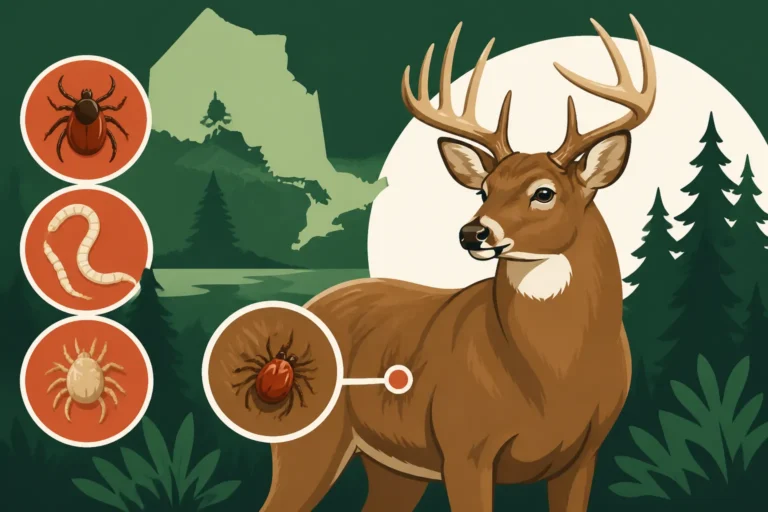
Diseases and parasites also play a role. The winter tick (Dermacentor albipictus) can cause severe hair loss, anemia, and even death, particularly in calves and yearlings. Brainworm (Parelaphostrongylus tenuis), while not directly killing moose, can cause neurological damage, making them more vulnerable to predators or accidents. Understanding How Winter Ticks Affect Moose Survival helps paint a clearer picture of regional population health. The province actively monitors these factors and adjusts tag allocations accordingly.
Hunting Pressure and Management Strategies
Hunting pressure is an obvious factor. Highly accessible areas, especially those with good road networks, tend to experience more hunting pressure, which can disperse moose and reduce their visible numbers. However, Ontario's moose tag allocation system, particularly the draw for bull and cow tags, aims to manage populations sustainably. The system is designed to distribute hunting pressure and ensure long-term population health.
The Ministry of Natural Resources and Forestry (MNRF) conducts aerial surveys and gathers harvest data to estimate moose populations and set tag quotas. This scientific approach helps ensure that moose numbers remain healthy. Using a tool like GoHunt to analyze historical harvest data or WMU-specific information can give you an edge in understanding which areas might be under less pressure or have better success rates for specific tags, even within traditionally dense regions.
Ontario's Moose Population Decline and Conservation Efforts
It's important to acknowledge that some regions of Ontario have seen declines in moose populations over recent decades. This is a complex issue attributed to a combination of factors including climate change (leading to increased tick prevalence and heat stress), habitat alteration, and disease. The MNRF, alongside various conservation groups, is actively working on What Ontario Is Doing for Moose through habitat enhancement projects, research, and careful harvest management.
Hunters play a vital role in these conservation efforts by adhering to regulations, accurately reporting harvests, and supporting sustainable management practices. While these declines are a concern, strong populations still exist in the regions mentioned above, especially when hunters are willing to seek out less-pressured areas. Understanding the challenges faced by moose helps us appreciate the success of a hunt even more.
Utilizing Resources for Scouting and Trip Planning
Finding the densest moose populations requires more than just knowing a general region; it demands detailed scouting and intelligent trip planning. Fortunately, modern tools and traditional knowledge can both be incredibly helpful.
Digital Mapping and Satellite Imagery
In today's age, digital mapping applications like GoHunt, onX Hunt, or even Google Earth, are indispensable for scouting. These tools allow you to analyze terrain features, identify recent cut blocks, locate water sources, and plan access routes, all from the comfort of your home. By overlaying public land boundaries, historical satellite imagery, and topographic maps, you can pinpoint potential moose hotspots before you even set foot in the bush. This is especially useful for understanding areas where Logging Cutblocks Change Deer Range, or in this case, moose range.
Look for areas with a high diversity of habitat types within a small radius: young regenerating forest for browse, mature forest for cover, and wetlands or lakes for water and aquatic plants. Identify potential pinch points, travel corridors, and natural funnels that moose might use. Remember, what looks good on a map still needs ground-truthing, but it dramatically reduces the amount of blind wandering.
WMU Data and Local Knowledge
Ontario's Wildlife Management Unit system is the framework for all hunting regulations, and understanding the data associated with specific WMUs is critical. Researching historical harvest success rates for a particular WMU, as well as applying for a specific moose tag type, like a bull versus cow tag (see Applying for a Bull Versus Cow Tag), can provide valuable insights. The MNRF provides annual hunting summaries that detail regulations and sometimes offer population insights, though specific density maps are not usually public.
Beyond official data, local knowledge is invaluable. Talking to residents, trappers, or other hunters who frequent an area can offer a wealth of information that maps simply can't provide. They might know about specific logging operations, beaver activity, or wintering areas that are moose magnets. While everyone has their secret spots, most experienced outdoors enthusiasts are willing to share general advice about productive areas. This blend of digital research and personal connection is often the winning combination.
Timing Your Hunt and Understanding Moose Behavior
Knowing where the moose are densest is one thing, but knowing when and how to hunt them is another. Timing your hunt to coincide with periods of high moose activity, like the rut, can dramatically increase your chances. For example, understanding When Ontario's Moose Rut Peaks allows you to focus your efforts during a time when bulls are more vocal and on the move.
Moose behavior changes throughout the season and even throughout the day. In early season, they might be more concentrated near water sources. Later in the fall, they might shift to upland areas for different browse. Paying attention to weather patterns, wind direction, and the time of day can significantly improve your odds, even in areas with "just" moderate densities. Remember, moose are creatures of habit, and understanding their patterns in a specific area is key to intercepting them.
Disclaimer
Please remember that hunting regulations, season dates, and tag allocations can change annually. Always consult the most current Ontario Hunting Regulations Summary available from the Ministry of Natural Resources and Forestry (MNRF) before planning any hunting trip. This guide is for informational purposes only and should not be considered a substitute for official government documentation. Responsible and ethical hunting practices are paramount.