Black Bears Across Ontario’s Bush Country
The majestic black bear is one of Ontario's most iconic and elusive big game animals, yet for many, they remain a creature of mystery and sometimes, apprehension. Whether you're a seasoned hunter, a curious nature enthusiast, or simply someone who spends time in Ontario's vast wilderness, understanding these intelligent animals is key to appreciating their role in our ecosystem and ensuring safe coexistence. This comprehensive guide will delve deep into the world of Ontario's black bears, covering everything from their biology and behaviour to hunting strategies and safety protocols.
Understanding Ontario's Black Bear Population
Ontario's black bear population is a remarkable success story, thriving across vast swathes of the province. Unlike some other big game species, their numbers generally remain robust, offering ample opportunities for wildlife viewing and regulated hunting. However, understanding the nuances of their distribution and the factors that influence their populations is crucial for anyone venturing into their domain.
Historical Trends and Current Estimates
For decades, black bears in Ontario have shown a stable to increasing population trend. Historically, bear populations faced pressures from unregulated hunting and habitat loss, but modern conservation efforts, sound wildlife management, and the sheer amount of wilderness available have allowed them to flourish. Today, Ontario is home to a very healthy bear population, estimated to be in the range of 75,000 to 100,000 animals. These numbers are a testament to the resilient nature of the species and the effectiveness of provincial wildlife strategies. While estimates can fluctuate due to environmental factors, the overall picture is one of a thriving and well-managed resource.
The Ministry of Natural Resources and Forestry (MNRF) continually monitors bear populations through various methods, including harvest data from hunters, nuisance bear reports, and field studies. This scientific approach ensures that hunting quotas and season lengths are adjusted to maintain a sustainable population, preventing overharvesting while also managing human-bear interactions. This long-term data collection helps biologists understand trends in reproduction, survival rates, and movements, providing the foundation for responsible management of this important species.
Regional Densities and Distribution
While black bears are widespread across Ontario, their densities vary significantly depending on the region and habitat availability. They are predominantly found in the forested areas of the province, from the Great Lakes-St. Lawrence Forest region in the south to the vast Boreal Forest in the north. Generally speaking, the highest densities of black bears are found in Northern Ontario, particularly in areas rich with mixed forests, berry patches, and wetlands that provide abundant food sources and secure cover.
Regions like the districts around Thunder Bay, Kenora, and Cochrane are renowned for their healthy bear populations. These areas offer vast tracts of Crown land, remote wilderness, and a diverse array of forage that allows bears to thrive. Southern Ontario, while still home to bears, typically sees lower densities, with populations concentrated in larger forested tracts and areas bordering agricultural land where food can be plentiful. Hunters looking to target areas with robust populations often use resources like GoHunt to analyze historical harvest data and identify promising Wildlife Management Units (WMUs) where the highest bear densities are found. Understanding these regional differences is vital, whether you're planning a hunting trip or just hiking.
Factors Influencing Bear Numbers
Several environmental and ecological factors play a significant role in influencing black bear numbers and their overall health in Ontario. Food availability is arguably the most critical factor. Bears are opportunistic omnivores, relying heavily on seasonal food sources like berries (blueberries, saskatoons, raspberries), acorns, beech nuts, and various herbaceous plants. A poor berry crop due to a late frost or dry summer can lead to bears ranging farther in search of food, potentially bringing them into more frequent contact with human settlements.
Habitat quality, including the presence of dense cover for security and denning sites, is another major influence. Large, undisturbed forest blocks with diverse vegetation are ideal. Additionally, the severity of winter can impact cub survival and the overall health of bears emerging from hibernation. Mild winters generally mean better survival rates for cubs and less stress on adults, while prolonged, harsh winters can lead to higher mortality, especially among younger bears. Disease, while not a major widespread threat currently, is also monitored. These complex interactions of food, habitat, and climate constantly shape the dynamics of Ontario's black bear populations.
Black Bear Biology and Behavior in Ontario
Black bears are incredibly adaptable and intelligent animals, exhibiting a wide range of behaviours that allow them to thrive in Ontario's diverse environments. Understanding their biology and seasonal habits is not only fascinating but also essential for anyone interacting with them, from casual observers to dedicated hunters.
Diet and Foraging Habits Throughout the Seasons
Black bears are true omnivores, and their diet changes dramatically with the seasons, reflecting the availability of food sources in their environment. When bears leave the den in spring, their bodies are depleted, and they focus on easily digestible greens like grasses, sedges, and young shoots, often found in low-lying, wet areas or along roadsides. They'll also actively seek out carrion, consuming winter-killed deer or moose, which provides much-needed protein. As spring progresses, they might forage for grubs, insects, and emerging buds. This early season diet is critical for them to regain strength after months of fasting.
As summer arrives, the focus shifts heavily to berries. Ontario's forests provide an abundance of blueberries, raspberries, saskatoons, and chokecherries, which become a primary food source. Bears will spend hours gorging themselves, building up crucial fat reserves. In agricultural areas, they may also frequent cornfields or oat fields. As fall approaches, their diet pivots again to hard mast like acorns and beech nuts, which are rich in fats and carbohydrates, essential for packing on pounds before hibernation. This hyperphagia, or excessive eating, is a critical phase, as the success of their winter den depends on the fat reserves accumulated during the fall.
Denning Behavior and Hibernation Cycle
The denning behaviour of black bears is a remarkable adaptation to Ontario's harsh winters. As fall progresses and food becomes scarcer, bears enter a state of torpor, often referred to as hibernation, though it's not as deep as some other hibernating animals. They seek out secure den sites, which can be incredibly diverse: hollow logs, rock crevices, dug-out depressions under tree roots, or even shallow scrapes in dense brush. The choice of den site is often influenced by local topography and available cover, with some bears returning to the same den site year after year.
Once in the den, their heart rate slows, body temperature drops slightly, and metabolic processes decrease significantly. They do not eat, drink, or defecate during this period, surviving solely on their stored fat reserves. While in the den, sows will give birth to their cubs, typically in late January or early February. The mother's body heat and milk sustain the tiny, helpless cubs until spring. The duration of denning varies with latitude and individual condition, but bears generally emerge from their dens sometime in April or early May, ready to begin the cycle anew.
Reproductive Cycles and Cub Rearing
Black bears in Ontario typically reach sexual maturity between three and five years of age. Mating usually occurs in late spring or early summer, peaking in June and July. However, bears exhibit a fascinating reproductive strategy called "delayed implantation." After mating, the fertilized egg does not immediately implant in the uterine wall. Instead, it floats freely for several months, only implanting in the fall if the sow has accumulated sufficient fat reserves to sustain herself and her developing cubs through the winter. This ensures that cubs are only born when the mother is in optimal physical condition to raise them.
Cubs are born blind, hairless, and tiny, weighing only about half a pound, making them entirely dependent on their mother. They remain in the den with the sow for their first few months, feeding on her rich milk. By the time they emerge in spring, they are larger and more developed, able to follow their mother and learn essential survival skills. Cubs will stay with their mother for approximately 1.5 to 2 years, learning foraging techniques, how to avoid danger, and where to find food. During this period, the sow will not breed again, dedicating all her energy to raising her offspring. This strong maternal bond is why it is illegal and unethical to shoot a sow with cubs in Ontario, a crucial rule for sustaining healthy bear populations.
Recognizing Black Bear Sign and Identifying Activity
Venturing into Ontario's bush means entering black bear country. Being able to read the landscape for signs of bear activity is a critical skill, whether you're a hunter, hiker, or just spending time outdoors. These signs tell a story about where bears are feeding, travelling, and resting, and they can significantly enhance your chances of a successful hunt or simply help you avoid an unexpected encounter.
Tracks, Scat, and Rubs: What to Look For
Identifying bear sign starts with their tracks. Black bear tracks are distinctive, showing five toes and often prominent claw marks. Their hind tracks can sometimes resemble human footprints but with the characteristic five toes. The front paw print is typically wider and shorter than the hind, which is longer and narrower. Look for these tracks in soft earth, mud along stream banks, or sandy areas, especially after a rain. Fresh tracks indicate recent activity. For those using apps like GoHunt, understanding the terrain where tracks are most likely found can help narrow down your search area.
Scat (feces) is another undeniable sign of bear presence. Bear scat varies greatly depending on their diet. In spring, it might be green and herbaceous, full of grasses and plant matter. In summer, it will likely be purple or dark, packed with berry seeds. In fall, it could be chunky, filled with nuts or corn husks. The size of the scat can give a rough idea of the bear's size. Finally, rubs are common. Bears will rub their backs against trees, leaving hair and sometimes claw marks, often to mark territory or scratch an itch. These rubs are usually found on utility poles, fence posts, or prominent trees along trails.
Feeding Sign and Habitat Preferences
Black bears are always on the hunt for food, and their feeding activities leave behind obvious clues. In spring, look for overturned rocks or torn-apart logs where they've dug for insects, grubs, or small rodents. Broken branches in berry patches, especially where they've stood up to reach higher berries, are a clear indication of summer feeding. In agricultural areas, flattened corn stalks or tracks in a soybean field at dusk signal their presence. You might even find torn-up ant hills or bee nests.
Their habitat preferences often revolve around food and cover. They favour mixed forests with a good understory, especially near water sources like swamps, streams, or beaver ponds. These areas provide both abundant food in the form of berries and nuts, and dense cover for bedding and security. Old growth forests with hollow logs for denning are also highly sought after. Scouting these types of areas, perhaps by using topographical maps on platforms like GoHunt, can significantly increase your chances of finding active bear sign and potentially, the bears themselves. When scouting a wildlife management unit, look for areas where these prime habitat features converge.
Understanding Bear Vocalizations and Body Language
While bears are generally quiet animals, they do have a range of vocalizations and body language signals that are important to understand, especially if you find yourself in close proximity to one. Most commonly, bears will communicate through huffs, grunts, and jaw popping, often as a warning. A huff or snort is typically a sign of mild annoyance or agitation. Jaw popping is a more serious warning, indicating the bear is feeling threatened and might be considering a charge. Cubs, when distressed or playing, will often make whimpering or bawling sounds.
Observing a bear's body language is equally important. A bear standing on its hind legs is usually trying to get a better view or scent of its surroundings, not necessarily being aggressive. Raised hackles, flattened ears, or a direct stare can indicate a defensive posture. Bears may bluff charge, running towards you and then stopping abruptly, as a warning. The key is to avoid actions that might be perceived as threatening, such as sudden movements or direct eye contact. Knowing these signals can help you assess a situation and react appropriately to ensure both your safety and the bear's.
Black Bear Colour Phases and Identifying Characteristics
When we talk about "black bears," it's easy to assume they're all uniformly black. However, in Ontario, and across North America, black bears can exhibit a fascinating array of colour phases. Beyond colour, there are also key physical characteristics that experienced outdoorspeople use to distinguish between males and females, and even estimate a bear's age and size.
Beyond the Black: Common Colour Variations
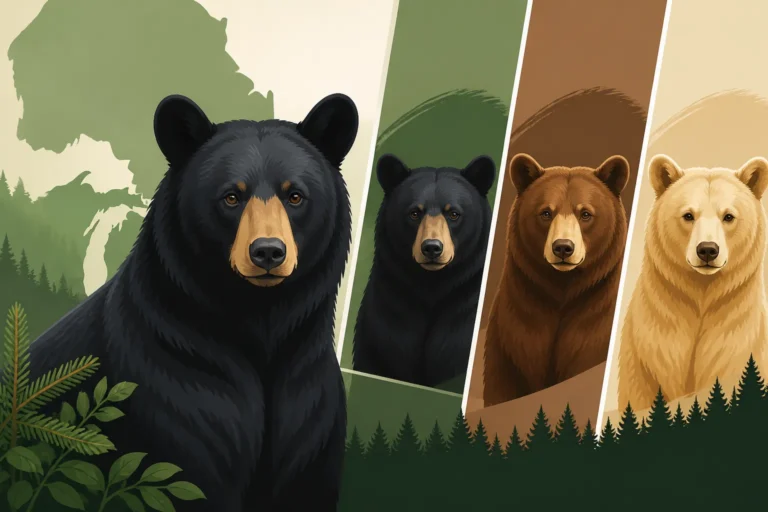
While the majority of Ontario's black bears are indeed black, don't be surprised if you encounter bears sporting different shades. These variations, often referred to as "colour phases," can range from dark brown to cinnamon, and even a reddish-brown or blonde. These colour differences are genetic, much like hair colour in humans, and are particularly common in Western North America, but they do occur in Ontario as well. Sometimes, a bear might appear lighter due to faded fur or a fresh coat after shedding.
It's not uncommon to see a cinnamon-phased bear in some parts of Ontario, though they are certainly less frequent than their black counterparts. These colour variations are purely cosmetic and don't indicate a different species or sub-species; they're all Ursus americanus. Many bears, regardless of their main body colour, will also have a distinctive white chest blaze, which can vary in size and shape, adding another unique identifier to each individual bear. Being aware of these colour phases helps hunters avoid misidentification and appreciate the diversity within the population.
Telling Boars from Sows with Cubs
Distinguishing between a boar (male) and a sow (female), especially when you're trying to determine if she has cubs, is one of the most critical skills for ethical bear hunting in Ontario. As established, it is illegal and against conservation principles to harvest a sow with cubs. While it can be challenging, particularly with younger bears or in thick cover, there are several indicators that experienced hunters rely on.
Boars typically have a larger, more blocky head with smaller ears that appear farther apart due to their broader skull. Their shoulders are often more heavily muscled, giving them a more robust, "bulldog" appearance. Sows, on the other hand, tend to have a more refined, triangular head with larger, more prominent ears. Their body profile might appear sleeker, especially if they haven't been fattening up for winter. The most definitive sign of a sow with cubs is, of course, the presence of cubs themselves. Always observe a bear for an extended period, looking for any cubs following behind or nearby, before making the decision to harvest. Take your time, use binoculars, and err on the side of caution. Judging a boar from a sow with cubs takes practice and patience.
Estimating Age and Size in the Field
Estimating a bear's age and size in the field is a skill honed over many hours of observation. While challenging, certain visual cues can help you gauge a bear's maturity and potential size before the shot. Younger bears, often 1-2 years old, tend to have a "leggy" appearance, with their legs looking disproportionately long for their body. Their heads might appear larger in relation to their bodies, and their ears will seem quite prominent. They also tend to move more nervously and quickly.
Mature bears, particularly large boars, will have a more substantial, rounded body shape, with a noticeably thicker neck and shoulders. Their heads will appear smaller in proportion to their massive bodies, and their ears will seem less prominent or even small and wide-set. Their belly often sags lower, indicating significant fat reserves. When they walk, they often move with a deliberate, confident gait. For hunters, accurately estimating size is key to determining if a bear is a mature animal worth harvesting, and it's a vital part of ethical hunting. Experienced hunters often use landmarks or bait barrels to help estimate size. What a big boreal black bear weighs can vary significantly, but visual cues like these help in the field.
Managing Human-Bear Conflicts and Coexistence
As black bear populations thrive across Ontario, encounters between bears and humans are inevitable. Whether you're hunting, camping, or living in bear country, understanding how to manage potential conflicts and foster coexistence is paramount for both human safety and bear welfare.
Bear Safety in the Bush: What Hunters Need to Know
For hunters spending extended periods in the bush, bear safety is a non-negotiable part of the planning. Always carry bear spray and know how to use it. While firearms are present, bear spray is often the most effective deterrent in a surprise encounter. Make noise as you move through thick brush to avoid startling a bear, especially in dense cover or near water where they might not hear you approaching. Be extra vigilant when you are field dressing an animal; the smell of blood and gut piles can attract bears from a distance.
When approaching a fresh kill, especially if you leave it unattended, do so cautiously, making noise and assessing the area for bear presence. If a bear has claimed your kill, it's generally best to retreat and reassess the situation later, or even abandon the animal. No game animal is worth a dangerous encounter. Store food properly in camp, away from your sleeping area, preferably in bear-resistant containers or hung from a tree. Understanding these basic principles, even when hunting other species like whitetail hunting in Ontario, can prevent unwanted interactions.
Best Practices for Camp and Bait Site Management
Proper camp and bait site management are crucial in minimizing human-bear conflicts, particularly for those involved in bear hunting. When setting up a bear bait site in Ontario, choose a location well away from frequently used trails, roads, and human dwellings. The site should be easily accessible for replenishment but remote enough to avoid attracting bears into populated areas. Use sturdy barrels or feeders that can withstand bear activity and contain the bait effectively.
Regularly clean up around the bait site, removing any spilled food or trash that could attract other wildlife or create an unsanitary environment. When you're in camp, store all food, cooking gear, and scented items (like toiletries) in a bear-resistant manner. This means in airtight containers, inside a hard-sided vehicle or cabin, or hung high in a tree, far from the trunk and branches. Never keep food inside your tent. Dispose of garbage properly by packing it out or storing it securely until it can be removed. These practices, part of Ontario's black bear rules, help prevent bears from associating humans with easy food sources, which is a major cause of nuisance bear behaviour.
Reporting Bear Sightings and Incidents
The Province of Ontario takes human-bear conflicts seriously and has systems in place to manage them. If you encounter a bear that is causing property damage, posing an immediate threat to public safety, or exhibiting aggressive behaviour, it's important to report it. For non-emergency situations where a bear is simply rooting through garbage or passing through an urban area, you can contact the Bear Wise program's toll-free line during specific months of the year.
In emergency situations, such as a bear entering a schoolyard, stalking people, or attacking pets, you should immediately call 911. Reporting these incidents helps the MNRF monitor bear activity, identify potential problem areas, and take appropriate action to ensure public safety. This also contributes to the overall data used to manage bear populations, helping to track the efficacy of current strategies and identifying areas where additional public education or intervention might be necessary. Your report is a vital part of Ontario's wildlife management efforts.
Hunting Black Bears in Ontario: Regulations and Ethics
Black bear hunting is a popular and well-regulated activity in Ontario, contributing significantly to conservation efforts through license fees and offering unique wilderness experiences. However, success hinges not just on skill, but on a deep understanding of the regulations and a commitment to ethical practices.
Overview of Ontario's Black Bear Season Rules
Ontario's black bear season is typically divided into two main periods: a spring hunt and a fall hunt. The specific dates and regulations can vary slightly by Wildlife Management Unit (WMU) and year, so always consult the current Ontario Hunting Regulations Summary before planning your hunt. Generally, the spring bear season runs from May 1 to June 15, while the fall season extends from August 15 to November 30. There are specific rules regarding the use of bait, hunting methods, and bag limits, which are typically one bear per hunter per year.
It's critical to acquire the appropriate Ontario black bear licence cost and bear validation certificate before hunting. Non-residents must hunt with an approved outfitter. Baiting black bear in Ontario is a common and legal method, but there are regulations regarding bait size, placement, and content. The most important rule to remember is the prohibition against shooting a sow with cubs, which is a key tenet of ethical hunting and conservation. Always confirm the most up-to-date rules on the MNRF website or official publications.
| Feature | Spring Bear Season (May 1 – June 15) | Fall Bear Season (Aug 15 – Nov 30) |
|---|---|---|
| Primary Focus | Bears emerging from dens, actively seeking food, often near green-up. | Bears in hyperphagia, building fat reserves, focused on berries/mast. |
| Vegetation | Sparse, excellent visibility for spotting. | Dense, challenging visibility, often requiring baiting or still-hunting. |
| Weather | Mild to warm, potential for black flies/mosquitoes. | Cooler, stable weather, fewer insects (later in season). |
| Cubs Present | Very likely, often with sows. Extreme caution needed. | Cubs from current year still with sow, but more independent. |
| Baiting | Highly effective as bears are very hungry post-denning. | Effective, especially during poor natural food years. |
| Trophy Quality | Good, bears have full winter coats. | Excellent, bears are at their heaviest and have prime coats. |
| Other Game | Limited other hunting opportunities. | Overlaps with deer, moose, grouse seasons. |
Ethical Hunting Practices and Shot Placement
Ethical hunting is about respect for the animal and the resource. This means always striving for a quick, clean kill. For black bears, proper shot placement is paramount due to their robust build and dense muscle. A broadside shot aiming for the vitals (heart and lungs) is typically preferred. The "kill zone" on a bear is slightly different than a deer; it sits a bit further back behind the shoulder, slightly lower. It is essential to understand bear anatomy to ensure a lethal shot. Many hunters practicing spring bear hunting in Ontario will study anatomical diagrams and even practice shooting at bear-shaped targets to ensure they are prepared.
Beyond shot placement, ethical hunting also includes knowing your effective range and staying within it. Never take a risky shot that could result in a wounded, unrecoverable animal. Patience is key; wait for the bear to present a clear, ethical shot. Following up on a shot bear diligently and quickly recovering the animal is another critical ethical responsibility. This minimizes suffering and ensures the meat and hide are preserved. Responsible hunters understand that their actions reflect on the entire hunting community.
Post-Harvest Care and Meat Handling
Once a bear is harvested, proper post-harvest care is crucial for meat quality and hide preservation. Due to the warmer temperatures often encountered during both spring and early fall seasons, getting the bear cooled down quickly is paramount to prevent spoilage. Field dressing should commence immediately after harvest to allow the carcass to cool internally. Skinning a bear for a rug or for meat requires a methodical approach. The thick fat layer of a bear can retain heat, so it’s often advisable to remove the hide as soon as possible.
Many hunters will quarter a moose alone in the bush, and a similar approach can be taken with a bear. Remove all four quarters, backstraps, and other prime cuts. Pack the meat out in game bags, keeping it clean and cool. If processing yourself, ensure all fat is trimmed from the meat to enhance flavour and storage life, as bear fat can go rancid quickly. Whether you’re processing the meat for consumption or preparing the hide for a taxidermist, immediate and careful handling significantly impacts the final quality. Remember to register your harvest as required by Ontario's regulations to contribute to important wildlife management data.
Planning Your Ontario Black Bear Hunt
An Ontario black bear hunt can be an unforgettable experience, offering incredible challenges and rewards. However, a successful hunt doesn't just happen; it's the result of careful planning, research, and understanding the unique aspects of hunting these intelligent animals in Ontario's vast wilderness.
Choosing a Wildlife Management Unit WMU
Selecting the right Wildlife Management Unit (WMU) is one of the most critical decisions when planning your black bear hunt in Ontario. Different WMUs have varying bear densities, habitat types, and accessibility. Generally, northern WMUs tend to have higher bear populations and more remote wilderness, offering a classic "bush hunt" experience. These areas often have extensive Crown land hunting Ontario's Crown land. Southern WMUs, while still having bears, might be more fragmented, with bears often found on the edges of agricultural land or in larger pockets of forest.
Researching harvest success rates for different WMUs from previous seasons can provide valuable insight. Resources like GoHunt can be invaluable for studying WMU boundaries, habitat maps, and historical harvest data, helping you identify areas with good bear numbers and suitable habitat. Consider factors like accessibility (road access, boat-in, fly-in), available accommodations (camping, lodges, outpost camps), and hunting pressure. Some WMUs might be heavily hunted, while others offer more solitude. Your choice of WMU will heavily influence the type of hunt you experience.
Deciding Between Spring and Fall Seasons
Ontario offers both a spring and a fall black bear season, and each has its unique advantages and challenges. Deciding which season to hunt often comes down to personal preference and what kind of experience you're looking for.
The spring bear season, typically running from May 1 to June 15, coincides with bears emerging from their dens, often very hungry and actively seeking food. Visibility in the bush is generally better as foliage is not yet fully out, making spotting easier. However, this is also when sows will have young cubs, requiring extreme diligence to ensure you don't harvest a mother bear, a major ethical and legal concern. Insect pressure (black flies and mosquitoes) can also be intense during the spring. Timing an Ontario spring bear hunt requires careful consideration of these factors.
The fall bear season, usually from August 15 to November 30, sees bears in a state of hyperphagia, vigorously feeding to build up fat reserves for winter. They are often at their heaviest and have thick, prime coats, making for excellent trophy opportunities. While foliage can be dense in early fall, it thins out as the season progresses, improving visibility. Hunting a fall bear bait in September is a popular strategy. The weather is generally cooler and more pleasant, and insect pressure significantly diminishes, especially later in the season. The downside is that bears can become very pattern-oriented to natural food sources, making baiting potentially less consistent if natural food is abundant.
DIY vs. Guided Hunt Considerations
Once you've decided on a season and a general area, the next big question is whether to pursue a do-it-yourself (DIY) hunt or book a guided trip. Both options offer distinct experiences and should be chosen based on your experience level, budget, and desired comfort.
A DIY bear hunt in Ontario offers incredible freedom and a deep sense of accomplishment. It's often more budget-friendly, especially if you have your own gear and are comfortable navigating the wilderness. However, it requires extensive scouting, knowledge of bear behaviour, proficiency in bushcraft, and the ability to manage all aspects of the hunt, from setting up a bear bait site in Ontario to meat care and navigation. This option is generally best suited for experienced hunters who are familiar with the area or possess strong wilderness skills. Many resident hunters opt for DIY on Crown land.
Booking a guided black bear hunt in Ontario provides a more structured and often higher-success experience, particularly for non-residents, as Ontario requires non-residents to hunt with an outfitter. Outfitters provide accommodation, pre-scouted areas, active bait sites, and invaluable local knowledge. This significantly reduces the logistical burden and increases your chances of success. Of course, a guided hunt comes at a higher cost, reflecting the services and expertise provided. Ontario black bear hunt prices can vary widely based on the outfitter, duration, and inclusions. It's an excellent choice for first-time bear hunters, those new to Ontario's wilderness, or anyone looking for a more comfortable and facilitated hunting experience.
Disclaimer
The information provided in this guide is for general informational purposes only and does not constitute legal advice. Hunting regulations in Ontario can change frequently. It is the responsibility of every hunter to consult the most current Ontario Hunting Regulations Summary published by the Ministry of Natural Resources and Forestry (MNRF) before participating in any hunting activity. Always adhere to all provincial and federal laws.