The Primary Moose Application Deadline
There are few feelings worse for an avid hunter than realizing you’ve missed a crucial deadline, especially when it comes to something as sought-after as an Ontario moose tag. The primary application period for moose tags is incredibly important for anyone hoping to head into the northern bush, and missing it can set back your hunting plans significantly. This guide is here to walk you through exactly when that vital deadline falls, why it's so critical, and what you need to know to ensure you're always in the running for an Ontario moose tag.
Understanding Ontario's Moose Tag Allocation
Ontario's moose hunting is managed through a complex but necessary system designed to balance harvest with population health across different Wildlife Management Units (WMUs). It's not simply a matter of buying a tag; you have to apply for specific WMUs, and your chances are often influenced by a system of preference points. This makes the primary application period the cornerstone of securing a moose tag for the upcoming season.
Why the Primary Draw Matters So Much
The primary moose tag allocation stage is your absolute best chance to secure one of those coveted tags. During this period, all eligible hunters who apply have their points considered in a lottery-style draw. If you've been patiently accumulating points, this is when they actually come into play, significantly increasing your odds in more competitive WMUs. Think of it as the main event; everyone who is serious about hunting moose in Ontario aims to be in this draw. Missing it means you bypass the chance to utilize those hard-earned points, which can be a real punch to the gut after years of building them up. The number of tags available is at its highest during this initial allocation, making your statistical probability of success much greater than in subsequent stages.
The Core of the Moose Tag System
The Ontario moose tag system works by allocating a set number of tags for bulls, cows, and calves within each specific WMU. Hunters apply for their preferred WMU and tag type. The more applications received for a particular WMU, the tougher the draw, which is where those preference points come in. Every year you apply and aren't successful in the primary draw, you generally accrue another point. These points are like seniority, giving you an incrementally better chance in future draws. Understanding how the system operates, including Ontario's Moose Tag Allocation Process and How Ontario Moose Points Accumulate, is essential for strategic application. This framework ensures that tags are distributed fairly, and it also encourages hunters to consider different WMUs based on their point levels and desired harvest.
When the Primary Moose Application Deadline Hits
This is the million-dollar question for many hunters. Getting this date wrong can mean a whole year of missed opportunity. While specific dates can sometimes shift slightly, the primary application deadline for Ontario moose tags is remarkably consistent.
The Typical Timeline You Need to Know
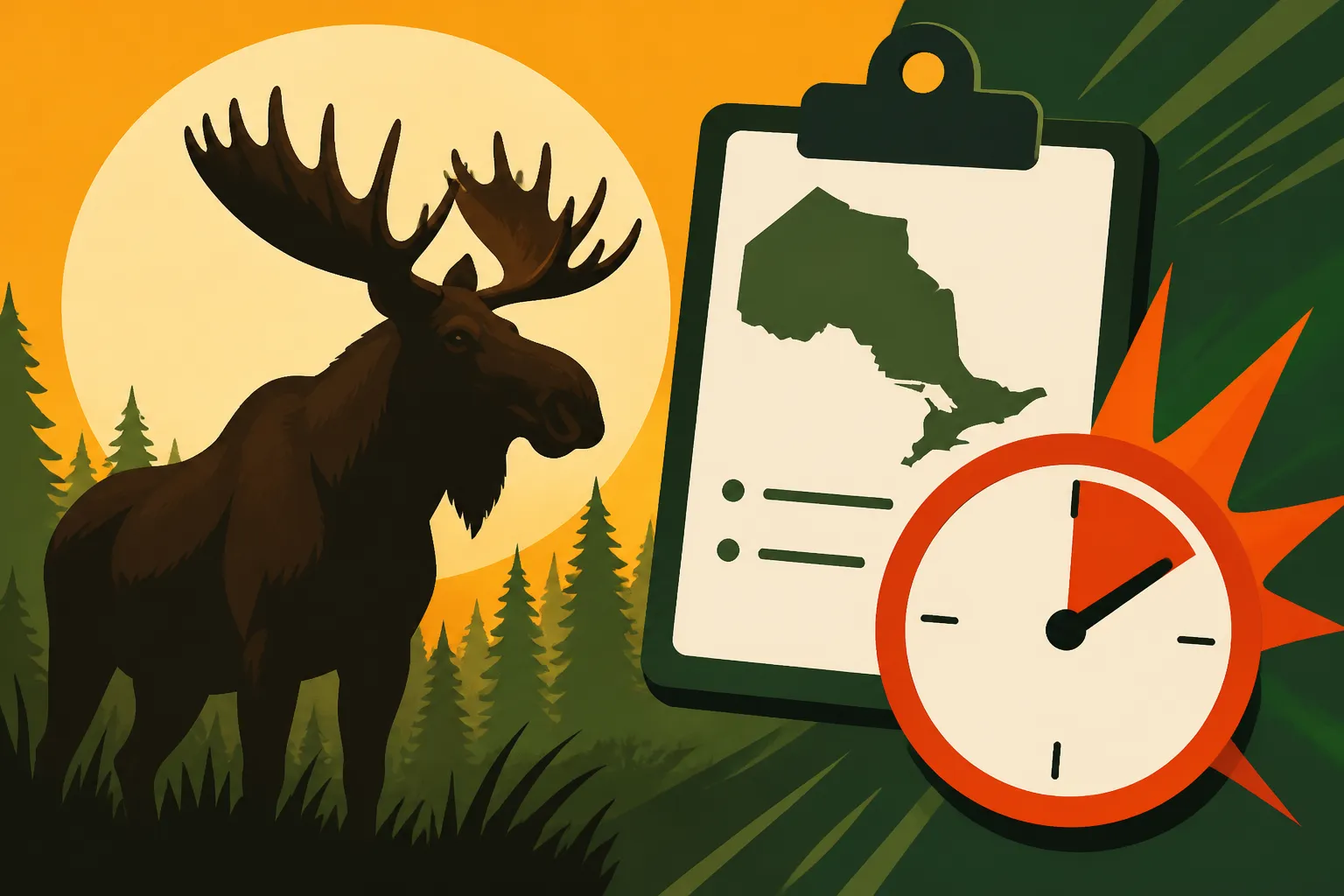
For hunters aiming for a moose tag in Ontario, the primary application deadline is consistently April 30th each year. This date is critical and should be marked in bold on every hunter's calendar. Applications typically open much earlier in the year, often around the beginning of March, giving you a good window to submit your choices. However, life gets busy, and it's easy to let it slip until the last minute. Always, always, confirm the exact dates in the current year's Ontario Hunting Regulations Summary, available on the provincial government's website. They are the official source, and while April 30th is a very strong historical precedent, it's never wise to assume. Remember, this isn't just about applying; it's about getting your application submitted and paid for by the stroke of midnight on that final day.
Don't Miss Out: What Happens If You're Late
Missing the April 30th deadline for the primary moose application is a significant setback, and unfortunately, there's no going back once it passes. If you miss this window, you cannot participate in the primary allocation draw for that hunting season. This means you also do not accrue a preference point for that year, effectively putting you a year behind in the race for a tag in high-demand WMUs. Your only recourse would then be to participate in The Second Chance Moose Allocation stage, which occurs later in the year. The problem with the Second Chance draw is that it's for leftover tags, typically in less desirable WMUs or for tag types (like calf tags) that aren't as sought after. Your odds are generally much lower, and the flexibility in choosing your preferred hunting location and tag type is severely limited. It's a tough lesson to learn, and one that emphasizes the importance of marking that April 30th deadline well in advance.
Navigating the Application Process
Once you know when to apply, the next step is understanding how to apply. The process is streamlined through the provincial online portal, but there are still details, especially around group applications, that you need to be aware of.
How to Apply Through the Ontario Hunting Portal
The application for an Ontario moose tag is done entirely online through the Fish and Wildlife Licensing Service. You'll need an active Outdoors Card and a valid hunting licence to even begin the process. If you're a non-resident, make sure you understand the Rules for Non-Residents Hunting Ontario. Here's a general breakdown of the steps:
- Log In: Visit the official Ontario hunting and fishing licence website and log in using your Outdoors Card number or account details. If you don't have one, you'll need to get an Ontario's Outdoors Card Explained first.
- Navigate to Applications: Look for the "Apply for Draws" or "Big Game Draws" section.
- Select Moose: Choose the moose tag application option.
- Enter WMU Choices: You'll be prompted to select your preferred WMU (Wildlife Management Unit) choices. You can typically list several WMUs in order of preference. Researching Ontario's Wildlife Management Units beforehand is crucial to make informed decisions.
- Choose Tag Type: Indicate whether you're applying for a bull, cow, or calf tag, keeping in mind that not all WMUs offer all tag types.
- Confirm or Create Group: If you're hunting with a group, you'll either confirm your participation in an existing group or create a new one. More on this below.
- Review and Submit: Double-check all your selections, especially your WMU choices and group details, before submitting your application.
- Pay the Application Fee: A small fee is usually required to submit your draw application. Payment must be processed by the deadline.
It's a straightforward digital process, but taking your time and ensuring accuracy is vital. A mistake in a WMU code or a forgotten step could cost you dearly.
Group Applications and Point Accumulation
Many moose hunters in Ontario prefer to apply as a group, and the system is set up to accommodate this. Ontario Group Moose Tag Rules allow multiple hunters to pool their preference points. Here's how it generally works:
- Group Leader: One person acts as the group leader and initiates the group application.
- Inviting Members: The leader invites other hunters to join the group, usually by their Outdoors Card number.
- Accepting Invitation: Each invited member must accept the invitation to become part of the group.
- Points Combined: When applying, the group's points are tallied. The system generally uses the average of all group members' points, or sometimes the lowest point total among the group, to determine the draw odds. This is why it's so important to understand How Ontario Moose Points Accumulate and When Claiming a Tag Resets Your Points if you're part of a group.
- One Application: The entire group submits one single application with shared WMU preferences.
- Shared Fate: If the group draws a tag, everyone in the group receives a validation for that tag. If they don't draw, everyone in the group gains another preference point.
Applying as a group can increase your collective chances, especially if some members have higher point totals, but everyone needs to be on the same page regarding WMU choices and understanding that if one person gets a tag through the group, everyone's points are generally affected as if they had also received a tag. It's a strategic decision that requires good communication among your hunting party.
Beyond the Deadline: What Comes Next
Submitting your application by April 30th is a huge hurdle cleared, but it's not the end of the journey. After the primary draw closes, there are still a few more stages to the moose tag allocation process.
When Primary Moose Results Are Posted
The waiting game after the April 30th deadline can feel agonizing, but patience is a virtue in moose hunting. Typically, primary moose draw results are posted online in late May to early June. You can usually check your application status directly through the Fish and Wildlife Licensing Service portal where you applied. You won't receive a physical tag in the mail immediately; rather, you'll get a notification of your success (or lack thereof) and details on how to acquire your physical tag or validation. Keep an eye on the official provincial channels for the exact date results will be available. If you're successful, congratulations! Now the real planning for your Moose Hunting Ontario's Northern Bush can begin in earnest.
Preparing for the Second Chance Allocation
If you didn't draw a tag in the primary allocation, don't despair entirely. Ontario offers a Second Chance Moose Allocation, which is exactly what it sounds like: another opportunity to acquire a tag. This stage typically opens in late June or early July. These are generally tags that were left over from the primary draw, perhaps because not enough eligible hunters applied for certain WMUs or specific tag types. The key differences are:
- No Points Used: Preference points do not come into play during the Second Chance draw. It's a random lottery among all eligible applicants.
- Limited Availability: The selection of WMUs and tag types is much more restricted. You might find tags only for calf moose, or for bull/cow tags in WMUs that are more challenging to access or have lower moose densities.
- Individual Applications: Second Chance applications are typically individual, not group-based.
While it's not the ideal scenario, participating in the Second Chance allocation means you still have a shot at getting out into the field for moose that year, even if it's not in your first-choice WMU or for your preferred tag type. It's always worth checking out the available tags if the primary draw didn't go your way.
Here’s a quick overview of the key dates for the primary moose tag application:
| Event | Typical Timeframe | Notes |
|---|---|---|
| Primary Application Opens | Early March | Good time to start researching WMUs and forming your group. |
| Primary Application Deadline | April 30th | Critical date – do not miss this! |
| Primary Draw Results Posted | Late May to Early June | Check the official Fish and Wildlife Licensing Service portal. |
| Second Chance Application Opens | Late June to Early July | For leftover tags; no points used, individual applications. |
Knowing these dates, especially that crucial April 30th deadline, is half the battle. Staying organized and proactive will significantly boost your chances of getting that highly anticipated Ontario moose tag and experiencing a hunt of a lifetime in the vast northern wilderness.
Disclaimer
The information provided in this guide is for general knowledge and informational purposes only, and does not constitute legal advice. Hunting regulations in Ontario can change, and it is the hunter's responsibility to consult the most current official Ontario Hunting Regulations Summary, published by the provincial government, for the exact and up-to-date rules, seasons, and deadlines. Always ensure you are in full compliance with all applicable laws and regulations before engaging in any hunting activities.