Ontario Non-Resident Licence Options
Planning a hunting trip to Ontario as a non-resident can feel like navigating a dense cedar swamp without a compass. You’re excited about the prospect of big game or a diverse small game season, but the thought of figuring out exactly what licences you need, where to get them, and what specific rules apply to you can be a real headache. This guide is here to untangle that knot, walking you through all your non-resident licence options so you can focus on the hunt itself, not the paperwork.
Understanding Your Non-Resident Hunter Status in Ontario
First things first, let’s clarify what it means to be a non-resident hunter in the eyes of Ontario’s regulations. It's not just about where you live; it's about establishing your status to ensure you apply for the correct permits and licences. Misunderstandings here can lead to frustrating delays or even legal issues, so it’s crucial to get this right from the outset.
Who Qualifies as a Non-Resident Hunter
In Ontario, a "non-resident" is generally defined as any person who is not a resident of Canada. This typically means if you're coming from the United States or any other country outside of Canada, you'll be classified as a non-resident hunter. It's a pretty straightforward distinction, but it triggers a whole different set of regulations compared to what Canadian residents follow. You’ll find that certain opportunities, like the provincial moose draw, are structured differently, and the cost of licences will also vary significantly.
This classification is important because it dictates which licence types are available to you and what additional permits or certifications you might need. For instance, while Canadian residents might have access to specific draws or certain licence bundles, non-residents typically need to purchase their licences based on the species they intend to hunt, and often through an outfitter or by applying for specific validation tags. Knowing your status from the start helps you avoid the common pitfall of accidentally trying to apply for a resident-only permit.
Why Non-Resident Rules Are Different
The reasons behind different rules for non-residents are multi-faceted, stemming from conservation efforts, economic considerations, and managing hunting pressure. Ontario's wildlife resources are a precious public trust, and the government aims to ensure their sustainability for both residents and visitors. Non-resident hunters often contribute significantly to the provincial economy through outfitters, accommodations, and local businesses, which is certainly appreciated. However, the varying rules also help regulate the total number of hunters in certain areas, particularly for high-demand species like moose or deer.
These differences can include higher licence fees, specific requirements for using a licensed outfitter (especially for moose and bear), and limitations on accessing certain draws or tags. It’s not meant to be exclusionary, but rather a way to manage the resource effectively. Understanding this perspective can help you appreciate why the rules are structured the way they are, rather than seeing them as arbitrary obstacles. It's all part of Ontario's comprehensive approach to wildlife management and ensuring a healthy future for its game populations.
The Essential Outdoors Card for Non-Residents
Before you can even think about purchasing a hunting licence in Ontario, whether you're a resident or non-resident, you absolutely need an Outdoors Card. Think of it as your primary identification number for all things hunting and fishing in the province. Without it, you simply cannot buy any licence or tag. It's a physical card, much like a driver's licence, that proves you're authorized to participate in these outdoor activities. You can learn more about Ontario's Outdoors Card Explained to get a full picture of its importance.
Acquiring an Outdoors Card is usually the first step for any non-resident planning an Ontario hunt. You can apply for it online through the Fish and Wildlife Licensing Service, or in person at a participating ServiceOntario centre or a licence issuer. Once you have it, it's valid for three calendar years, so you don't have to reapply every single season, which is a nice convenience. Just remember to keep track of its expiry date, as trying to buy a licence with an expired card will bring your plans to a screeching halt. Make sure to factor the cost and application time for the Outdoors Card into your initial trip planning.
Core Hunting Licence Options for Non-Residents
Once your Outdoors Card is sorted, you can dive into the specific hunting licences you'll need. Ontario offers distinct licences based on the type of game you're pursuing. It’s not a one-size-fits-all situation, and you'll need to select the appropriate licence for your target species, whether that's small game, deer, moose, or bear. Each has its own set of regulations and potential additional requirements.
Non-Resident Small Game Licence
If you're looking to enjoy the fast-paced action of hunting grouse, rabbits, or even coyotes, the Non-Resident Small Game Licence is your ticket. This licence covers a wide variety of species, offering excellent opportunities for those who enjoy upland birds or furbearers. The beauty of a small game hunt in Ontario is that it often doesn't require the same level of pre-planning or outfitter arrangements as big game. Many small game species have generous seasons and bag limits, making for a rewarding experience.
To purchase this licence, you'll need your valid Outdoors Card and proof of previous hunting experience or completion of an approved hunter education course. For many hunters from the United States, your state's hunter education certificate will suffice as proof of experience. Once acquired, this licence allows you to pursue species like Ruffed Grouse, Spruce Grouse, rabbits, squirrels, and furbearers like coyotes and foxes. Always check the specific regulations for the Wildlife Management Unit (WMU) you intend to hunt, as season dates and bag limits can vary by region. You might also want to explore Ontario Small Game Licence Rules for more detailed information.
Non-Resident Deer Licence Options
Deer hunting is a hugely popular pursuit in Ontario, and non-residents have a few pathways to participate. Unlike residents, who might apply for antlerless deer tags through a draw, non-residents typically purchase a general deer licence, which usually allows for the harvest of an antlered deer (buck). However, securing an antlerless tag as a non-resident is a different beast entirely and often requires participation in a controlled deer hunt or specific outfitter allocations.
When you purchase a Non-Resident Deer Licence, you're buying the privilege to hunt white-tailed deer during the prescribed seasons in specific WMUs. The season dates will vary greatly depending on whether you're interested in Bowhunting Ontario's Long Archery Season, Rifle Hunting Ontario's Deer Season, or Hunting Ontario's December Muzzleloader Days. It's absolutely critical to research the WMU you plan to hunt to understand the legal weapon types, season dates, and specific tag requirements. Many non-residents work with an outfitter to navigate these nuances, particularly if they are after a specific type of hunt or need assistance with logistics like finding suitable hunting grounds.
Non-Resident Moose Licence Requirements
Moose hunting in Ontario is often considered the pinnacle of big game hunting for many, offering a truly wild and challenging experience in the province's vast northern forests. For non-residents, securing a moose licence is a more complex process than for deer or small game. The primary way for non-residents to hunt moose in Ontario is through a licensed outfitter who has an allocation of moose tags. This means you generally cannot just purchase a moose licence and head out on your own as a non-resident.
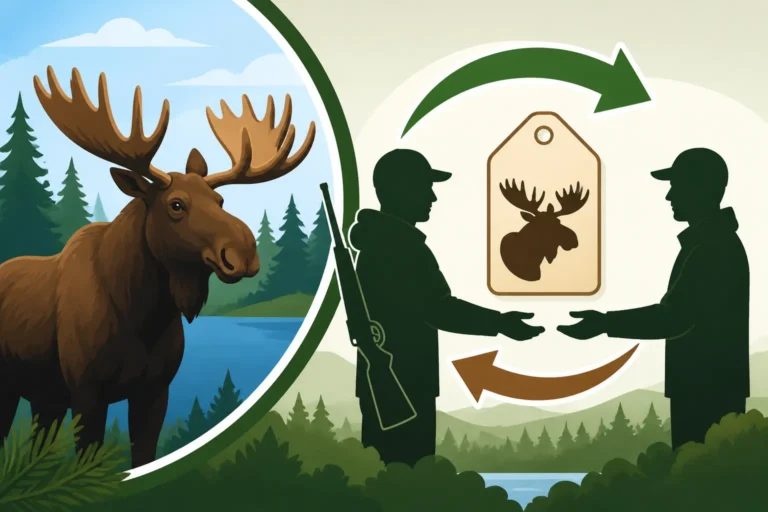
Outfitters receive a limited number of moose tags, either bull, cow, or calf, for their non-resident clients. When you book a guided moose hunt with a reputable outfitter, the moose tag is typically included as part of your package. This system helps manage the moose population and ensures that non-resident hunting is conducted in a structured, managed way. You'll need to coordinate closely with your chosen outfitter, as they will guide you through the specific requirements and regulations. For anyone dreaming of a moose hunt, understanding Ontario's Moose Tag Allocation Process is paramount.
Non-Resident Black Bear Licence Process
Black bear hunting is another major draw for non-residents in Ontario, especially during the spring and fall seasons. Ontario boasts a healthy black bear population, offering fantastic opportunities for a successful hunt. The process for non-residents to obtain a black bear licence is somewhat less restrictive than for moose, but still requires adherence to specific rules.
Non-residents can purchase a Black Bear Licence, but they must hunt with a licensed bear outfitter or holder of a Bear Management Area (BMA) licence. This means you can't simply buy the licence and go hunt on your own. The outfitter will provide guidance, set up bait sites if that's your chosen method, and ensure you're hunting within the legal framework. It’s crucial to research and book with a reliable outfitter well in advance, as popular spring and fall bear hunting spots fill up quickly. Many non-residents find that booking a spring bear hunt offers an exciting early-season adventure. Don't forget to check Ontario's Black Bear Rules for all the specific regulations, including bag limits and season dates for your chosen WMU.
Special Tags and Permits Non-Residents Need to Know About
Beyond the core species-specific licences, there are several additional tags and permits that non-residents might encounter, depending on their hunting plans. These aren't just extra bits of paper; they are critical components that authorize specific hunting activities or grant access to particular game. Overlooking any of these can invalidate your hunt, so pay close attention to what applies to you.
Migratory Game Bird Stamp and Permit
If your Ontario hunting adventure includes chasing ducks, geese, or other migratory game birds, your regular small game licence isn't enough. You'll also need to purchase a federal Migratory Game Bird Hunting Permit and affix a Canadian Wildlife Habitat Conservation Stamp to it. This is a federal requirement that applies to all hunters, resident and non-resident alike, who wish to hunt migratory birds anywhere in Canada. The funds generated from the sale of these stamps go directly towards critical wetlands and wildlife habitat conservation projects, so it's a good cause too!
You can usually purchase the Migratory Game Bird Hunting Permit and stamp online or from post offices. It's a quick and easy process, but one that's easily forgotten in the excitement of planning a big trip. Make sure you have it in hand before you head out to those productive marshes or stubble fields. Without it, even with a valid small game licence, you’re not legally allowed to hunt ducks or geese. Checking specific provincial Ontario Goose Season Dates by District and bag limits is also key, as these can vary by region and species.
Black Bear Validation Certificate
For those non-residents pursuing black bear, simply having a Black Bear Licence and hunting with an outfitter isn't the whole story. You'll also need a Black Bear Validation Certificate. This certificate is crucial and must be purchased in addition to your licence. It acts as the actual tag that you notch and attach to the bear immediately after harvest.
The validation certificate helps the Ministry of Natural Resources and Forestry (MNRF) manage harvest numbers effectively. It’s important to understand that while your outfitter will guide you through the hunt itself, you are personally responsible for ensuring you have all the correct documentation, including this certificate, before you even step foot in the woods. Ensure you ask your outfitter about the Black Bear Validation Certificate well in advance, as it’s a non-negotiable part of a legal black bear hunt. More specifics on this can be found under What the Bear Validation Certificate Requires.
Moose Draw and Outfitter Tag Access
As mentioned earlier, non-residents generally access moose tags through licensed outfitters. Unlike residents who participate in a highly competitive provincial draw system, non-residents don't directly apply for draw tags. Instead, outfitters are allocated a certain number of tags for their clients. This allocation is a significant part of an outfitter's business, allowing them to provide guided moose hunts.
When booking a moose hunt with an outfitter, it's essential to confirm that they have a non-resident moose tag available for your desired hunting period and species (bull, cow, or calf). The outfitter will then take care of the specifics of registering that tag to you. This system means that your primary focus as a non-resident moose hunter shifts from navigating the draw system to choosing the right outfitter. Reputable outfitters will be transparent about their tag allocations and what they offer. This structure ensures that moose hunting pressure is managed, and non-residents still get to experience an incredible hunt through guided opportunities.
Controlled Deer Hunt Validations
While non-residents can purchase a general deer licence for an antlered deer, gaining access to antlerless deer can be more challenging. In some specific Wildlife Management Units, particularly those with higher deer populations or specific management goals, antlerless deer opportunities are managed through controlled deer hunts. These hunts often require an additional validation or draw, and non-resident access is typically very limited or non-existent in the general draw.
However, non-residents might gain access to antlerless deer tags if they are part of a guided hunt through an outfitter who has secured such validations for their clients, often in areas with specific herd management needs. This isn't a common scenario, and it's something you would need to specifically arrange with an outfitter well in advance. Always clarify with your outfitter what kind of deer tags are included in your package and whether antlerless opportunities are part of the offering. This can be especially important if your goal is to fill the freezer, as some years, a particular WMU may only allow antlered deer for general tags.
The Application Process for Non-Residents
Navigating the application process can be one of the most daunting parts of planning an Ontario hunt, especially for non-residents. However, with the right information and a bit of foresight, it’s entirely manageable. Understanding where and how to purchase your licences, and being aware of critical deadlines, will save you a lot of stress.
Purchasing Licences Online and In-Person
Ontario has made significant strides in modernizing its licensing system. For most general licences and the Outdoors Card, non-residents have two main purchasing avenues: online or in-person. The online system, accessed through the Ontario Fish and Wildlife Licensing Service portal, is generally the most convenient method. You can create an account, purchase your Outdoors Card, and then select the appropriate hunting licences. It's available 24/7, meaning you can take care of your licensing needs from home, well before your trip.
Alternatively, you can purchase licences in person at a participating ServiceOntario centre or an authorized licence issuer (often bait and tackle shops, general stores, or some sporting goods retailers). While this might be necessary if you encounter issues online or prefer a face-to-face interaction, it's often less practical for non-residents, who might arrive just before their hunt. Whichever method you choose, always ensure you have all necessary identification and certifications (like proof of hunter education) readily available.
Navigating the Ontario Hunting Portal
The online portal for Ontario's Fish and Wildlife Licensing Service is a powerful tool, but like any government system, it can take a little getting used to. Many hunters, even residents, find it helpful to familiarize themselves with the interface before they need to make a purchase under pressure. This is where resources like GoHunt can be incredibly useful. While GoHunt itself doesn't issue licences, many hunters use such platforms for information and planning, which in turn prepares them for using the official government portal more effectively.
When you access the official portal, you'll first need to create an account if you don't already have one. This account will be linked to your Outdoors Card. Once logged in, you can apply for your Outdoors Card, purchase specific hunting licences (like small game, deer, or bear), and even review your hunting history. It's a central hub for all your licensing needs. Take your time when inputting information, double-checking your selections to avoid errors that could delay your licence issuance. GoHunt, for example, often provides excellent resources that can guide you through what options to look for on the official portal.
Important Deadlines and Planning Ahead
Unlike some general fishing licences which can often be bought on the fly, hunting licences, especially those tied to specific seasons or draws, often have important deadlines. For non-residents, this is particularly true if you are trying to coordinate with an outfitter or if you plan to hunt during a popular season. While general small game and deer licences might be available closer to the season, it’s always best practice to purchase them well in advance to avoid any last-minute stress or technical glitches.
For non-resident moose or bear hunts, where an outfitter is involved, your booking and associated tag allocation will typically be handled many months, sometimes a year or more, in advance. Outfitters need to manage their tag quotas and client schedules. Therefore, if you're dreaming of a big game hunt, start your planning, research, and booking process early. This proactive approach ensures you have all your ducks in a row – or rather, all your licences and tags – long before you pack your gear.
Essential Considerations Beyond Licences
Getting your licences squared away is a massive step, but for non-residents, there are still a few other critical considerations to keep in mind to ensure a smooth and legal hunting trip to Ontario. These range from firearm declarations to how you'll handle your harvest once your hunt is successful. Ignoring these details can lead to significant complications.
Bringing Firearms into Ontario
This is perhaps one of the most important logistical hurdles for many non-resident hunters: legally bringing firearms across the Canadian border. It's not a complicated process if you follow the rules, but failing to declare your firearms or possessing prohibited weapons can lead to serious legal trouble. The first step is to complete a Non-Resident Firearm Declaration Form (CAFC 909 EF). This form must be filled out in triplicate but not signed until you are in the presence of a Canadian Border Services Agency (CBSA) officer.
You'll present this form to the CBSA officer at your port of entry, along with your firearms. There's a fee associated with the declaration, and once confirmed, it acts as a temporary licence for your firearms for up to 60 days. Crucially, handguns are generally prohibited in Canada, and certain types of "assault-style" firearms are also banned. Always check the most current regulations on the RCMP's website or the CBSA website before you travel. For a deeper dive, read Bringing Firearms Into Ontario to ensure you're fully prepared.
Non-Resident Crown Land Camping Permits
If your hunting adventure involves heading into Ontario's vast wilderness and camping on Crown Land, non-residents need an additional permit beyond their hunting licences. While residents can generally camp for free on Crown Land for up to 21 days, non-residents are required to purchase a Crown Land Camping Permit if they are camping north of the French and Mattawa Rivers system. This permit helps manage tourism and ensures sustainable use of these remote areas.
This permit can typically be purchased online or from various outfitters and licence issuers. The cost will vary depending on the length of your stay. If you plan a true backcountry hunt, especially in Northern Ontario where there's extensive Crown Land access, make sure to add this to your checklist. Without it, you could face fines. It’s a small detail that’s easy to overlook but vital for a legal and worry-free camping experience during your hunt.
Reporting Your Harvest and Exporting Game
Once you’ve successfully harvested an animal, your responsibilities aren't over. Ontario requires hunters to report their harvest, typically through the Fish and Wildlife Licensing Service online portal. This data is critical for wildlife management, helping the MNRF monitor populations and set future seasons and quotas. Your outfitter will often guide you through this process for big game, but it's ultimately your responsibility.
For non-residents, another crucial step is exporting your game meat and any trophies (antlers, hides, skulls) back to your home country. This requires a Non-Resident Export Permit. This permit is necessary to legally take your game across international borders. You can typically obtain this permit from the MNRF, often facilitated by your outfitter. Make sure you understand the specific rules for processing, packaging, and declaring your game at the border, both on the Canadian side and upon re-entry into your home country. Proper documentation prevents delays and potential confiscation. For more details, refer to Getting a Non-Resident Export Permit.
Connecting with Ontario Outfitters
For many non-resident hunters, especially those pursuing big game like moose or bear, connecting with a reputable Ontario outfitter is not just a convenience, it’s often a necessity. Outfitters provide invaluable services, from securing non-resident tags and guiding you in the field to providing accommodations, meals, and even assistance with meat processing and trophy preparation. Their local knowledge of Ontario's Wildlife Management Units and game movements can dramatically increase your chances of a successful hunt.
When choosing an outfitter, don't rush the decision. Look for those with a strong track record, good client testimonials, and clear communication about what their packages include (and don't include). Platforms like GoHunt, while not directly managing bookings, can be a great resource for researching various outfitters, understanding different hunting styles, and figuring out what kind of experience you're looking for. Ask plenty of questions about everything from the hunt itinerary to camp logistics and emergency procedures. A good outfitter will be happy to answer your queries and ensure you're well-prepared for your Ontario hunting adventure.
| Licence Type (Non-Resident) | Typical Cost (Approx. CAD) | Covered Species/Activities | Key Requirements/Notes |
|---|---|---|---|
| Outdoors Card | $8.50 | Foundational card for all hunting/fishing | Valid for 3 years, proof of hunter education/previous hunting required. |
| Small Game Licence | $100 – $150 (annual) | Grouse, rabbits, hare, coyotes, foxes, etc. | Valid Outdoors Card, proof of hunter education. |
| Deer Licence | $200 – $300 (annual) | Typically one antlered white-tailed deer | Valid Outdoors Card, must hunt in specific WMUs, no general antlerless. |
| Moose Licence | $400 – $550 (annual) | Moose (bull, cow, or calf) | Valid Outdoors Card, must book with a licensed outfitter for tag allocation. |
| Black Bear Licence | $250 – $350 (annual) | Black Bear | Valid Outdoors Card, must hunt with a licensed outfitter/BMA holder. |
| Migratory Game Bird Permit | $17.00 | Ducks, geese, woodcock, snipe | Federal permit, requires Habitat Conservation Stamp. |
| Black Bear Validation Cert. | Included with outfitter pkg | Acts as physical tag for bear | Purchased in addition to licence; often facilitated by outfitter. |
| Crown Land Camping Permit | $10-$20/night (varies) | Camping on designated Crown Land | Required for non-residents camping north of French/Mattawa Rivers. |
| Non-Resident Firearm Decl. | $25.00 | Legal entry of firearms into Canada | Filled out at border, valid for 60 days; check prohibited items. |
| Non-Resident Export Permit | Free (from MNRF) | Exporting game/trophies from Canada | Required for taking game across international border; details apply. |
Costs are approximate and subject to change by the Ontario government. Always check official sources for current pricing.
Disclaimer
Please note that hunting regulations, seasons, and licensing requirements can change. This guide is intended for informational purposes only and does not constitute legal advice. It is the responsibility of every hunter to consult the most current Ontario Hunting Regulations Summary, available on the Government of Ontario website, before planning and engaging in any hunting activities. Always prioritize safety, ethical hunting practices, and compliance with all applicable laws.