Finding Bush Others Walk Right Past
It's an age-old frustration for any hunter: you pull up to a promising-looking bush lot or a well-known Crown land access point, only to find three other trucks already parked. The truth is, most hunters stick to the easy-to-reach spots, the obvious trails, and the well-worn paths. But what if I told you that some of the best hunting grounds in Ontario are often just a stone's throw away from these pressured areas, simply overlooked because they require a little more effort, a different mindset, or a keen eye for subtle details? This guide is all about showing you how to find those hidden gems, the bush others walk right past, and unlock opportunities that many leave on the table.
The All-Too-Common Problem of Overhunted Areas
Let's face it, we’ve all been there. You spend weeks scouting, pouring over maps, marking what looks like perfect habitat, only to arrive opening morning and discover that half the county had the exact same idea. It’s disheartening to say the least, and it’s a reality across much of Ontario, especially in more accessible regions. When hunting pressure is high, game animals adapt quickly. They become nocturnal, move to thicker cover, and often vacate areas that see frequent human disturbance. This isn't just about crowded parking lots; it's about deer, moose, and bears changing their patterns because they've been bumped, pushed, and pursued.
The Lure of the Obvious Spot
The easiest places to get to are almost always the hardest places to hunt successfully. Think about it: a clearly marked bush road, a well-maintained ATV trail, or a convenient cut line. These are natural magnets for hunters. They represent ease of access, which is tempting after a long week of work. But this very convenience is their downfall. Deer and moose, especially mature animals, learn these patterns quickly. They know where the vehicles are parked, where the scent trails of multiple hunters linger, and where the easiest routes for human ingress and egress are. Consequently, these "obvious" spots become high-traffic human zones, pushing wary game deeper into less disturbed territories. You might still see deer in these areas, but they’re often younger, more naive animals, or mature bucks moving only under the cloak of darkness.
The Frustration of Hunted-Out Bush
There’s nothing quite like the feeling of optimism turning into deflation as you push through a piece of bush, only to find boot prints, old shotgun shells, or even discarded lunch wrappers. It tells a story – this land has been worked, and likely overworked. When an area becomes "hunted out," it doesn't necessarily mean there are no animals left, but rather that any remaining game has been educated to the point of extreme wariness. They've learned to pattern hunters, to avoid certain times of day, or to abandon prime feeding and bedding areas if human intrusion is too frequent. For the diligent hunter, it means putting in all that effort for minimal reward, constantly feeling a step behind the game. This frustration is real, and it’s precisely why learning to identify and exploit overlooked pockets of habitat is such a game-changer. It’s about being smarter, not necessarily working harder, though a bit of extra effort never hurt anyone.
Reading the Land Like a Deerstalker, Not a Driver
Successful hunting in overlooked areas starts long before you ever step foot in the woods. It begins with meticulous scouting, much of which can be done from the comfort of your home. This involves becoming a student of the landscape, understanding how different features interact, and anticipating where game might seek refuge when pressured. You're looking for anomalies, difficult terrain, or subtle features that would deter the casual hunter.
Interpreting Topographic Maps and Satellite Imagery
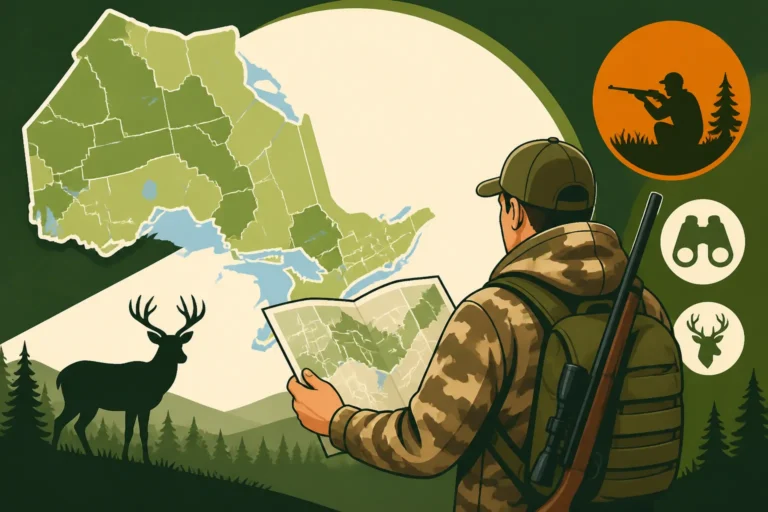
Modern technology has given us incredible tools for armchair scouting. High-resolution satellite imagery, combined with detailed topographic maps, can reveal secrets the average hunter misses. Services like GoHunt, for example, offer robust mapping features that let you dissect a landscape with astonishing detail. Look for subtle changes in elevation – even a few feet can create a thermal eddy or a sheltered bench where deer might bed. Identify pinch points created by terrain features, such as narrow strips of high ground between swamps or dense thickets. These funnels naturally direct animal movement.
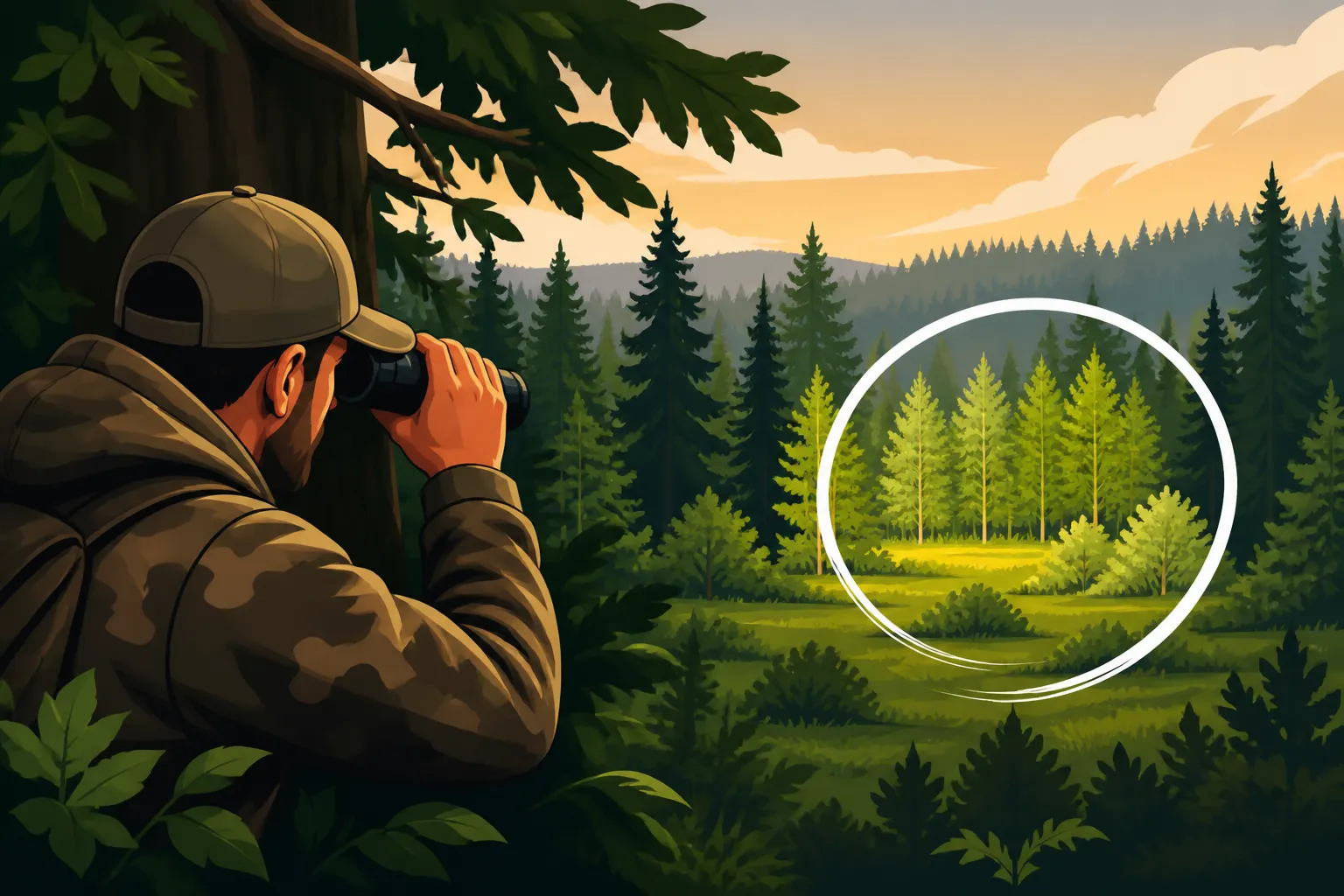
When you're scrutinizing satellite views, pay close attention to variations in vegetation. Are there small, isolated stands of mature timber surrounded by younger growth? Are there hidden clearings or old beaver ponds tucked away from main roads? Look for changes in tree species, density of cover, and even areas where the ground appears wet or marshy. These subtle differences often indicate prime bedding or feeding areas that are difficult for hunters to access, providing sanctuary for game. Many hunters use these tools to Scouting With Satellite Imagery in Ontario, uncovering routes and hidden spots that would take days to find on foot.
Identifying "Edge" Habitat and Transition Zones
Deer, moose, and other game animals are creatures of the "edge." They thrive where different habitat types meet, as these transition zones offer a blend of food, cover, and travel routes. Think about where a dense cedar swamp meets a hardwood ridge, or where a farmer's field borders a thick woodlot. These interfaces are bustling with activity. The key is to find edges that are harder to get to.
For instance, consider a bush lot adjacent to agricultural fields. While the field edge itself might be pressured, if there's a deep, tangled thicket or a small, isolated pocket of cover further inside the bush, away from the obvious access, that's where the smart deer will be. Similarly, where a young clearcut transitions into mature timber, or where a river bends, creating a sheltered bank with thick undergrowth, these are spots worth investigating. These areas provide both the abundant food found in new growth or open fields and the security of dense, old-growth cover. Learning to identify and target these often-overlooked transitions can be incredibly effective, especially when you are Hunting a Bush Lot Beside a Farm.
The Value of Remote Water Features
Water is life, and that's true for game animals too. While major rivers and lakes often see significant human traffic, it’s the smaller, more remote water features that can hold hidden treasures. Look for isolated beaver ponds, small tributaries, stagnant potholes, or even spring-fed seeps on your maps. These spots, especially in drier years or during the rut, become critical water sources and travel corridors.
Game animals often use these remote water features as safe havens or travel routes because they deter human intrusion. A large beaver pond, for example, might create a natural barrier, forcing hunters to go around it, while deer might easily navigate its edges or even cross its dam. These spots are also often flanked by dense cover, providing everything an animal needs: water, food (aquatic vegetation, browse around the edges), and security. Discovering a small, unnamed pond deep in the bush can be like finding gold, especially if it leads to a Hunting a Beaver Meadow Crossing. These areas often concentrate game, as they offer everything needed for survival in one secluded spot.
Unconventional Access: Thinking Beyond the Paved Road
The biggest reason many productive pieces of land go unhunted is simply difficult access. Most people opt for convenience, driving right up to their spot. But for those willing to put in a little extra effort, these barriers to entry become your best friend. They filter out the crowds, leaving the game animals feeling safer and often more active during daylight hours.
Foot Access: The Original Hunter's Advantage
In an era of ATVs and side-by-sides, simply walking further than the next guy is still one of the most effective strategies. If the nearest road access to a promising area is a kilometre or two away, most hunters won’t bother. This creates a natural buffer zone where game can feel relatively secure. Identify potential parking spots that are discreet and won't draw attention, then be prepared to put in the legwork.
Walking deep into the bush, especially off-trail, requires good navigation skills and physical stamina. However, the reward can be substantial. You'll often find less disturbed bedding areas, fresher sign, and animals that aren't constantly looking over their shoulder. Consider areas that might require you to cross a small creek, navigate a dense thicket, or climb a steep incline. These are the kinds of obstacles that deter most, but for the dedicated hunter, they are simply part of the journey to unpressured game. A good rule of thumb: if you don’t see obvious boot tracks for a while, you’re likely headed in the right direction. Remember, even a small, overlooked bush lot can hold a trophy if you’re willing to hike to its least accessible corner.
Water Access: Canoes, Kayaks, and Small Boats
Ontario is a province defined by its vast network of lakes, rivers, and wetlands. Many incredible hunting opportunities lie beyond road access, reachable only by watercraft. Using a canoe, kayak, or small motorboat can unlock entire tracts of Crown land that are otherwise isolated. Imagine paddling across a quiet lake at dawn, beaching your canoe on a remote shore, and stepping into untouched forest.
This strategy is particularly effective for moose and waterfowl, but also for deer along river systems or lake shorelines. Look for points of land, islands, or sections of the shore that are far from any roads or cottages. These spots often hold game that rarely sees human pressure. Just be sure to understand the specific rules for Canoe-In Hunting on Ontario Crown Land and always prioritize safety, especially with changing weather conditions and cold water. This method requires planning for transporting your gear, meat, and possibly even an entire animal out, but the solitude and potential for success are often unparalleled.
Old Logging Roads and Abandoned Trails
Many parts of Ontario, particularly in the northern and central regions, are crisscrossed by historical logging roads that are no longer actively maintained. Over time, these roads become overgrown, turning into faint trails or even just barely discernible cuts in the forest. While they might be impassable by vehicle, they can still offer an excellent, albeit challenging, foot access route into dense bush.
These forgotten pathways act as natural travel corridors for game and can lead you to areas that haven't seen a hunter in years. Use historical maps or even Google Earth's timeline feature to identify old road networks that have since faded into the landscape. Sometimes these old roads will follow contour lines, leading to natural benches or saddles that deer and moose frequent. They might also lead to forgotten clearings that are now grown over, providing browse for animals. Just be prepared for rough going, fallen trees, and potentially wet sections. You might find a forgotten stand of pine or an old apple orchard that acts as a hidden food source. Effectively, you'll be Hunting an Old Logging Road in the North, accessing areas that the casual hunter drives right past.
Signs of Unpressured Game: What to Look For
Once you venture into these less-traveled areas, knowing what to look for is paramount. The signs left by truly unpressured game are distinctly different from those found in areas where animals are constantly on high alert. You’re not just looking for any sign; you’re looking for evidence of relaxed, naturally behaving animals.
Fresh Sign That Doesn't Include Human Tracks
This might sound obvious, but it’s a critical distinction. In high-pressure areas, you often find fresh deer tracks alongside fresh human tracks. This means the deer are moving, but they’re also aware of, and often reacting to, human presence. In truly overlooked spots, you’ll find abundant, fresh game sign – rubs, scrapes, droppings, tracks, and bedding areas – without any evidence of recent human passage.
Look for heavily used game trails that show no sign of boot traffic. Observe how scrapes and rubs are oriented – are they near a hidden travel route, or exposed to an obvious path? Fresh droppings that haven't been disturbed, well-used bedding areas with minimal disturbance, and tracks that follow a natural, unhurried path all point to game that feels secure. These are the subtle clues that tell you you've found a sanctuary, a place where animals are behaving naturally, rather than reacting defensively to human intrusion.
Behavior and Movement Patterns
Unpressured game animals exhibit different behaviours than those constantly on edge. They tend to be more active during daylight hours, moving through open areas more confidently. You might observe deer grazing calmly in a small clearing in the middle of the day, or a bull moose leisurely browsing along a beaver pond edge. Their body language will be relaxed, not tense or skittish.
In contrast, game in pressured areas often moves primarily under the cover of darkness, or if seen during the day, they are typically running or quickly melting into the densest cover. The goal is to find areas where you can observe these natural patterns. Seeing animals that are "just being animals" – feeding, resting, and moving without apparent concern – is a strong indicator that you've found a honey hole that others are missing. These observations also help you understand their daily routines and predict future movements.
Browse Lines and Food Sources
The availability and condition of food sources can also tell you a lot about hunting pressure. In areas with high deer density and low pressure, you might find distinct browse lines on trees and shrubs, indicating consistent feeding. This is often more pronounced on preferred browse species like dogwood, aspen, or maples. If you find a patch of prime browse that is heavily nipped back and there's no sign of recent human presence, you've likely found a key feeding area.
Furthermore, look for less obvious food sources that might be overlooked. Old apple trees on an abandoned farmstead, isolated oak stands producing acorns, or forgotten patches of wild berries can be goldmines. If these food sources are being heavily utilized and appear undisturbed by humans, it suggests animals are spending a lot of time there without feeling threatened. Abundant, un-trampled forage, especially in critical periods like late fall or early spring, signals a haven for game.
Case Studies: Finding Hidden Gems in Ontario's Diverse Landscapes
Ontario's vast and varied landscape offers endless opportunities for finding overlooked hunting spots, whether you're in the dense forests of the north or the patchwork of fields and woodlots down south. Applying these principles to specific regional examples can illuminate how truly effective this approach can be.
The Southern Ontario Woodlot
In Southern Ontario, private land dominates, and hunting often revolves around gaining landowner permission. But even within private land, certain small woodlots get overlooked. Imagine a farmer's property with a large, accessible bush at the front, and a smaller, thicker, perhaps wetter woodlot tucked away at the very back, requiring a long walk across a couple of fields or even a drainage ditch to reach. Most hunters, if they even get permission, will focus on the front bush.
However, that small, isolated back bush might be a sanctuary. It could have a dense cedar swamp on one side, an old fencerow offering cover, or a small, overlooked stream running through it. Deer, especially mature bucks, will gravitate to such spots, moving between the larger, more obvious feeding fields and the security of that hidden pocket. Your approach might involve scouting a particular Hunting a Standing Corn Field Edge at dusk, but instead of focusing on the obvious entry, you seek out the least accessible corner of the adjacent woodlot. The key here is not just getting permission, but understanding which part of the property is truly less hunted.
The Northern Shield Country
Northern Ontario is known for its vast Crown land, but even here, hunters tend to congregate around main roads, established ATV trails, and popular lake access points. The Shield country, characterized by rugged granite outcrops, dense boreal forest, and countless lakes and rivers, offers incredible opportunities for those willing to venture deeper.
Consider a large WMU (Wildlife Management Unit) with plenty of accessible logging roads. Instead of driving down every branch road, pull out your topographic map and look for a series of small, interconnected lakes or beaver ponds several kilometres away from any road. This could be a perfect spot for moose, which love water and the browse it provides. Or, scout for a particularly rugged Hunting a Rock Ridge in Shield Country that rises sharply from a wetland. Most hunters will stick to the flats, but that steep, rocky terrain might offer secluded bedding areas for deer or bears, especially if it’s tough to navigate on foot. Access might involve a long hike, or perhaps even a float plane drop-off if you're feeling adventurous and Hunting Northwestern Ontario's Big Bush.
The Central Ontario Swamp Edge
Central Ontario, with its mixed forests, is home to both deer and moose. Swamps are common features in this landscape, and while many hunters avoid them due to the difficult terrain, the edges of these swamps can be absolute magnets for game, especially whitetails. The deepest, thickest parts of a swamp offer unparalleled security cover.
Imagine a large, impenetrable cedar swamp that stretches for kilometres. Most hunters will walk around it or try to hunt its most accessible edges near a road. However, if you study your map, you might find a narrow, slightly higher finger of land that extends into the swamp, or a dry "island" of hardwoods within the wet expanse. Such a feature provides both the security of the swamp and a drier place for animals to bed or travel. Deer will often utilize the very edge of the swamp, especially where it meets higher ground, for bedding and feeding. Learning to effectively hunt a Hunting a Cedar Swamp Edge where human pressure is low can be incredibly productive, as deer feel safe enough to move during legal shooting hours. It requires patience and persistence to navigate, but the reward of finding unpressured game is worth the effort.
Here's a quick summary of what to look for when identifying overlooked areas:
| Feature Type | Indicator of Overlooked Area | Why It Works |
|---|---|---|
| Topography | Steep slopes, rugged terrain, subtle elevation changes off trails | Deters casual hunters; creates natural funnels and thermal cover. |
| Vegetation | Dense thickets, isolated stands of specific tree species, wetlands | Offers thick security cover; food sources not easily seen or accessed. |
| Water Features | Remote beaver ponds, small tributaries, marshy pockets | Natural barriers to human access; provides essential water and unique habitat. |
| Access | Long walks from roads, water access only, overgrown old logging roads | Filters out most hunters; creates buffer zones where game feels safe. |
| Game Sign | Abundant, fresh sign without human tracks; relaxed animal behaviour | Indicates unpressured animals moving naturally, feeding, and bedding undisturbed. |
| Human Activity | Lack of existing trails, old shells, discarded litter | Clear sign that few, if any, other hunters have been in the area recently. |
Disclaimer
The information provided in this guide is for general educational and informational purposes only. Hunting regulations and conditions can change rapidly. Always consult the most current Ontario Hunting Regulations Summary, local authorities, and land managers before planning any hunting trip. Ensure you have all required licenses, tags, and permits, and adhere to all safety guidelines. Hunting involves inherent risks, and individual judgment and responsibility are paramount.