Hunting a Poplar Stand at First Light
That chill you feel in the pre-dawn air, the one that makes you question your sanity as you stumble through the dark, often comes with the nagging doubt: "Am I even in the right spot?" It’s a common frustration for many Ontario hunters, especially when targeting those elusive whitetails. Hunting a poplar stand at first light isn't just about showing up; it's about understanding why deer are there, how they move, and precisely how to position yourself for success. This guide will walk you through everything you need to know to transform those cold, dark mornings into memorable hunts in prime poplar country.
Why Poplar Stands Are Prime for First Light Action
Poplar stands, particularly those mixed with other hardwoods or along forest edges, are absolute magnets for deer, especially during those critical first hours of daylight. Many hunters overlook them, focusing solely on oak ridges or ag fields, but poplars offer a unique combination of food, cover, and travel routes that deer rely on heavily.
Understanding Deer Behavior in Poplars
Deer, especially mature bucks, are creatures of habit but also opportunists. They’ll often bed in thicker cover, like a dense cedar swamp or a brushy clearcut, but their first move at dawn is often to feed, relieve themselves, and potentially scent-check for does. Poplar stands fit perfectly into this morning routine. These areas often feature a more open understory than, say, a dense pine plantation, allowing deer relatively easy movement while still providing a sense of security due to the vertical structure of the trees. It’s not uncommon to see deer filtering out of deeper bedding areas, making their way to or through a poplar stand before heading to more exposed feeding areas or back to heavy cover. They might pause to browse on tender shoots or simply use the stand as a natural corridor between different parts of their core range.
The Nutritional Draw of Poplar
While not as famous as acorns or corn, poplar leaves, buds, and young shoots are a readily available and palatable food source for deer, particularly in the spring and early summer. But even into the fall, after a hard frost, deer will still browse on poplar. Young poplar regeneration, often found in cut-over areas or after a disturbance, can be incredibly nutritious. These stands often grow quickly and can provide a consistent buffet. A smart hunter, using tools like GoHunt's mapping features, can identify areas with different age classes of poplar, predicting where fresh, nutritious browse might be more abundant. This isn't just about finding food; it's about understanding a deer's dietary preferences throughout the seasons. If the acorns aren't dropping or the alfalfa field is too exposed, a secluded poplar stand can become the deer's primary breakfast spot.
Thermal Cover and Travel Corridors
Beyond food, poplar stands provide excellent thermal cover, particularly when the leaves are still on the trees. They break the wind and can trap warmth, making them comfortable for deer to linger as temperatures dip at first light. More importantly, these stands often serve as crucial travel corridors. Think of them as the highways deer use to get from Point A (bedding) to Point B (primary feeding or watering). They might follow subtle trails through the poplars, or the entire stand itself could be a broad travel lane. You'll often find these stands bordering denser cover, open fields, or water sources, making them natural pinch points where deer movements are concentrated. For example, a long finger of poplar extending from a large tract of bush towards an agricultural field is a classic first-light ambush spot. Deer will use that cover to approach the open area, feeling safer under the canopy as the sun begins to rise. This is where scouting for game trails and rub lines within the stand becomes critical, as covered in topics like Hunting an Ontario Bush Edge and Reading Whitetail Sign in Ontario Hardwoods.
Strategic Stand Placement for Dawn Patrol
Setting up your stand effectively in a poplar stand at first light requires meticulous planning, an understanding of wind, and an intimate knowledge of deer movement. It's not just about finding a tree; it's about finding the tree that puts you in the driver's seat.
Access and Wind Direction Are Key
Your approach to the stand at first light is almost as important as the stand itself. Deer are highly alert in the early morning, and any disturbance, scent, or sound will send them packing. This means planning your entry route to be as quiet and scent-free as possible.
- Approach Routes: Consider trails, old logging roads, or natural depressions that allow you to move silently. Avoid walking directly through potential bedding areas or primary feeding zones. A good access route should put you on the back side of the stand, away from where you expect deer to approach. You might even consider having a "clean" pair of rubber boots for the final stretch to minimize scent transfer.
- Wind Dominance: The wind is your ultimate guide and your worst enemy. At first light, thermals often drop or shift, pushing your scent downhill or across the landscape. You must hunt a poplar stand with a prevailing wind that carries your scent away from where deer are likely to approach or pass. This often means having the wind in your face or quartering into it as deer move. Always check the forecast leading up to your hunt, and be prepared to audible if the wind changes. Tools like GoHunt's wind mapping can give you precise, hour-by-hour wind predictions, allowing you to select the perfect stand for that specific morning. Never gamble with the wind, especially in the early hours. It's far better to stay home or choose an alternative stand than to blow out a prime spot with poor wind management.
Identifying Active Sign and Pinch Points
Once you've considered access and wind, it's time to zero in on the exact stand location. This comes down to reading the sign on the ground.
- Game Trails: Look for well-worn deer trails, especially those that converge or funnel through tighter sections of the poplar stand. Deer often use the path of least resistance. These trails will lead to and from bedding areas, feeding zones, and water. At first light, you want to be positioned along a trail that deer are likely to use as they transition from their nocturnal activities back to cover.
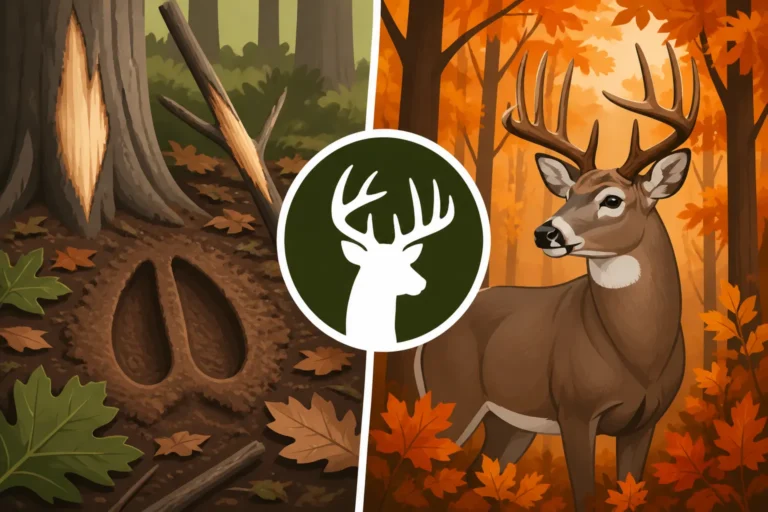
- Rubs and Scrapes: While rubs and scrapes are often associated with the rut, finding fresh ones in a poplar stand indicates active buck movement. A rub line leading through poplars can signify a travel corridor a buck is using regularly. A fresh scrape near a pinch point suggests a buck checking for does or marking his territory, often at dawn or dusk. Position your stand slightly downwind of these key indicators.
- Natural Funnels: Poplar stands can create natural funnels. This might be a narrow strip of poplars between two open fields, a point of timber extending into a swamp, or a section where a thicket forces deer movement into a smaller area. These are prime locations for an ambush. Think about how deer would naturally move through the terrain, seeking cover and efficiency. A perfect example would be a stand located where a long, thin poplar finger meets a larger block of Hunting Deer in Ontario's Mixed Forest, creating a bottleneck for deer moving between the two habitat types.
Preparing Your Stand Site
Before the season, or at least well before your first hunt, prepare your stand site. This isn't just about hanging your stand; it's about creating a silent, scent-free, and effective hunting zone.
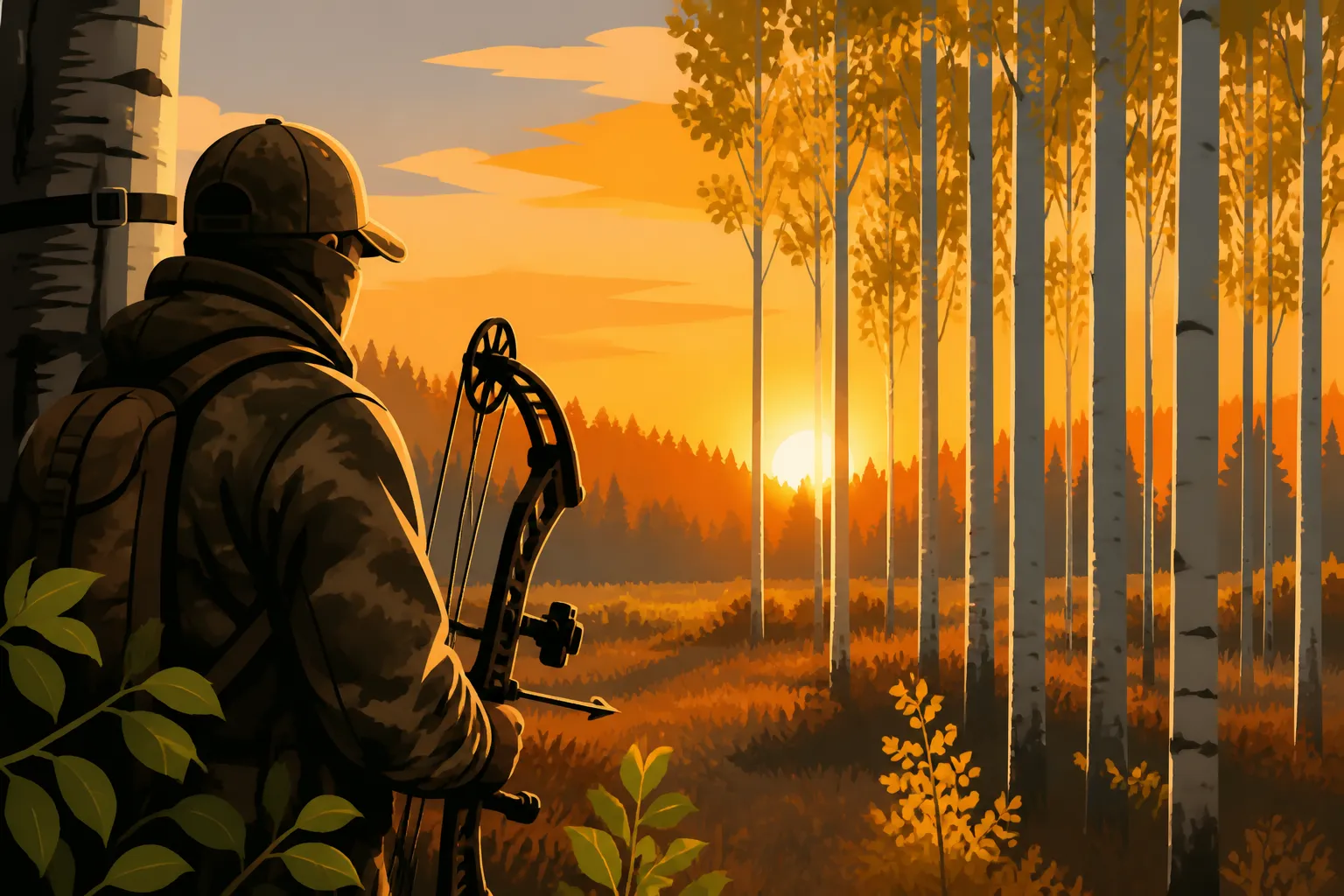
- Trim Shooting Lanes: Use hand saws or pruners to create clear shooting lanes towards any established trails or expected deer movement. Don't go overboard; trim just enough to get a clean shot. Remember, deer will be moving at first light, so lead their anticipated path. This includes trimming branches that might interfere with your draw cycle if you're bowhunting, which is often ideal for closer-range poplar stand encounters, as discussed in Bowhunting Ontario's Long Archery Season.
- Ground Clearing: Clear any noisy debris from around the base of your tree. Fallen leaves, dry twigs, and noisy brush can betray your position during your ascent or descent, or if you need to adjust your footing. A leaf blower or rake can make a world of difference.
- Safety First: Always use a safety harness when climbing and hunting from a treestand. Check your stand and straps for wear and tear. Your life depends on it. Moreover, consider using a haul line for your bow or rifle to ensure a safer climb and quieter setup once you're in the stand.
Your First Light Playbook in a Poplar Stand
The moment you settle into your stand, the real game begins. First light hunting in a poplar stand is all about precision, patience, and being ready for that fleeting window of opportunity.
The Art of a Quiet Approach
Getting into your stand silently in the dark is paramount. Any misstep, any rustle, any loud clank of gear, and you've likely just educated every deer in the vicinity.
- Pace Yourself: Rushing is your enemy. Walk slowly, deliberately, placing each foot carefully. Use a headlamp with a red or green light setting to preserve your night vision and minimize your visible signature. Keep the beam pointed at the ground ahead of you, not wildly swinging it around.
- Minimize Gear Noise: Before leaving your truck, silence your gear. Tape loose buckles, cinch down straps, and ensure nothing can clank against your stand or other equipment. Your backpack should be organized so that you don’t have to rummage for items, creating unnecessary noise.
- Utilize Natural Cover: As you approach, stick to the darkest shadows and use the topography to your advantage. Walk on the softest ground you can find, whether it’s a damp ditch bottom or a carpet of moss. Some hunters even coordinate their steps with natural sounds like wind gusts or passing trains to mask their approach, although this is less reliable in quiet bush.
Maximizing the First Hour of Light
That first hour, from legal shooting light until the sun is fully up, is often the most productive time in a poplar stand. Deer are transitioning, feeling secure under the canopy.
- Eyes and Ears: Be hyper-aware. Scan constantly, not just for deer, but for flicking ears, a horizontal line in the underbrush, or the subtle twitch of a tail. Use your binoculars regularly to pick apart shadows and identify movement. Listen for subtle sounds: a twig snap, rustling leaves, the distinct sound of a deer walking. Often, you'll hear them before you see them.
- Patient Observation: Don't be too quick to react. Many times, the first deer you see will be a doe or a small buck. Larger bucks often lag behind, especially if they are feeling pressured. Observe their travel patterns. Are they following a specific trail? Are they browsing? Understanding these patterns can inform future hunts, as detailed in Scouting With Satellite Imagery in Ontario.
- Using Calls Sparingly: While grunt calls and deer calls can be effective, use them sparingly and strategically at first light. An overzealous call can scare deer away or reveal your position. A soft doe bleat or a quiet tending grunt might pique a curious deer's interest without alarming it. If you see a buck moving away or hesitate, a well-timed, subtle call can sometimes turn him. The key is subtlety, especially in the quiet morning air.
Adapting to Changing Conditions
No two mornings are exactly alike. Being able to adapt on the fly is crucial.
- Wind Shifts: If the wind shifts unexpectedly, you need a plan B. Sometimes this means quietly climbing down and moving to an alternative stand, or cutting your hunt short to preserve the area. It's better to retreat and hunt another day than to blow out your best spot.
- Deer Movement Patterns: If deer aren't moving where you expected, assess why. Are they holding tighter to bedding? Is there a new food source? Perhaps the thermal currents are causing them to approach from a different direction. Use your observations to inform future stand placements or to adjust your calling strategy. Maybe you need to switch from a passive sit to a more active rattling sequence if the rut is on and deer are not moving naturally.
- Light Conditions: Overcast mornings will delay light penetration, giving deer more confidence to move longer. Bright, clear mornings will often shorten the window of intense activity. Adjust your expectations and vigilance accordingly.
Gear and Tactics for Success
Beyond knowing where and when to hunt, having the right gear and employing specific tactics can make all the difference in a poplar stand at first light.
Essential Early Morning Gear
Hunting in the low light of dawn demands specific equipment to ensure both success and safety.
- Optics: High-quality binoculars (8×42 or 10×42) are non-negotiable. They help you pick out details in shadows and confirm whether that dark shape is a stump or a deer. A rangefinder is also critical for accurately judging distances in dim light, especially when a buck suddenly appears.
- Clothing: Layering is key for Ontario's unpredictable morning temperatures. You'll likely start cold, but as the sun rises and you move, you'll warm up. Wear quiet fabrics like fleece or wool that won't rustle as you move or draw your bow. Blaze orange is a legal requirement in gun seasons for big game, so ensure you have enough, often a vest or hat, over your outer layers. Ensure you comply with Ontario Blaze Orange Requirements.
- Headlamp: A good headlamp with multiple brightness settings and a red or green light option is crucial for hands-free navigation in the dark.
- Scent Control Products: Sprays, detergents, and scent-free storage bags are all part of the regimen.
- Snacks and Water: Even for a few hours, bring a quiet snack and water. Hydration and a small energy boost can keep you focused.
Scent Control and Stealth Techniques
Deer have an incredible sense of smell, and at first light, with potentially shifting thermals, your scent can travel further than you think.
- Pre-Hunt Routine: Shower with scent-eliminating soap, wash your hunting clothes in scent-free detergent, and store them in airtight bags or containers. Dress at the truck, not at home, to avoid picking up household odors.
- Rubber Boots: Rubber boots are excellent for minimizing human scent transfer to the ground as you walk in. Make sure they're clean and free of gas or other foreign odors.
- Wind Checkers: A small bottle of wind-checker powder is invaluable. Use it frequently to confirm wind direction and thermal movement around your stand. Don't just rely on the forecast; actual conditions can differ.
- Movement in the Stand: Once you're in your stand, minimize movement. Make slow, deliberate motions. Use the cover of the poplar trunks to break up your silhouette. When you need to turn, pivot slowly at the hips. Any sudden, jerky movements will catch a deer's eye, especially in the dim light.
Post-Shot Strategy
Even after a successful shot, the hunt isn't over. The low light can make tracking difficult, and proper post-shot strategy is vital.
- Observe and Listen: After the shot, remain calm and in your stand. Note the precise spot the deer was standing, its reaction to the shot, and the direction it ran. Listen intently for crashing sounds that might indicate a fall. Mark the last spot you saw it with a mental note or by aligning it with a landmark.
- Wait: Resist the urge to immediately jump down and track. Give the deer time, especially if the shot wasn't perfect. For a suspected gut shot, waiting 6-8 hours (or even overnight if temperatures allow, as discussed in Meat Care in Ontario's Warm Early Seasons) is often recommended. For a good lung or heart shot, waiting 30-60 minutes is usually sufficient. Use this time to calm your nerves, replay the shot, and plan your tracking approach.
- Mark the Blood Trail: Once you start tracking, move slowly. Mark the blood trail with flagging tape or toilet paper every few yards. This helps you stay on the trail and quickly return to the last known blood if you lose it. Pay attention not just to blood, but to broken twigs, disturbed leaves, and tracks. If the blood dries up, expand your search in circles around the last marked spot, looking for any subtle sign.
- Pack Out Plan: Before you head into the woods, especially for bigger game like deer, have a plan for getting your animal out. This might involve a cart, sled, or calling friends for help. Removing an animal from a remote poplar stand at first light can be a significant undertaking, and it's best to be prepared. For those Deer Drives With Three or Four Hunters, a coordinated retrieval can make all the difference.
Hunting a poplar stand at first light in Ontario can be incredibly rewarding. It requires patience, attention to detail, and a deep respect for the animals you pursue. By understanding deer behavior, meticulously planning your stand, and executing a flawless morning strategy, you’ll not only increase your chances of success but also deepen your connection to the Ontario wilderness.
Disclaimer
Hunting is an activity that carries inherent risks. Always prioritize safety, adhere to all local, provincial, and federal hunting regulations, and ensure you have the necessary licenses and permits. The information provided in this guide is for educational and informational purposes only and should not replace professional instruction or official government publications. Always consult the most current Ontario hunting regulations before heading into the field.