Hunting an Old Logging Road in the North
It's easy to feel overwhelmed by the sheer scale of Ontario's northern wilderness, especially if you're looking for prime hunting ground without the expense of a fly-in camp or boat-in access. Many hunters struggle to pinpoint accessible yet productive areas that hold game. This guide will walk you through how to effectively locate, scout, and hunt those forgotten, old logging roads that crisscross the northern bush, turning what seems like endless forest into a manageable and fruitful pursuit.
Why Old Logging Roads Are Northern Ontario Gold Mines
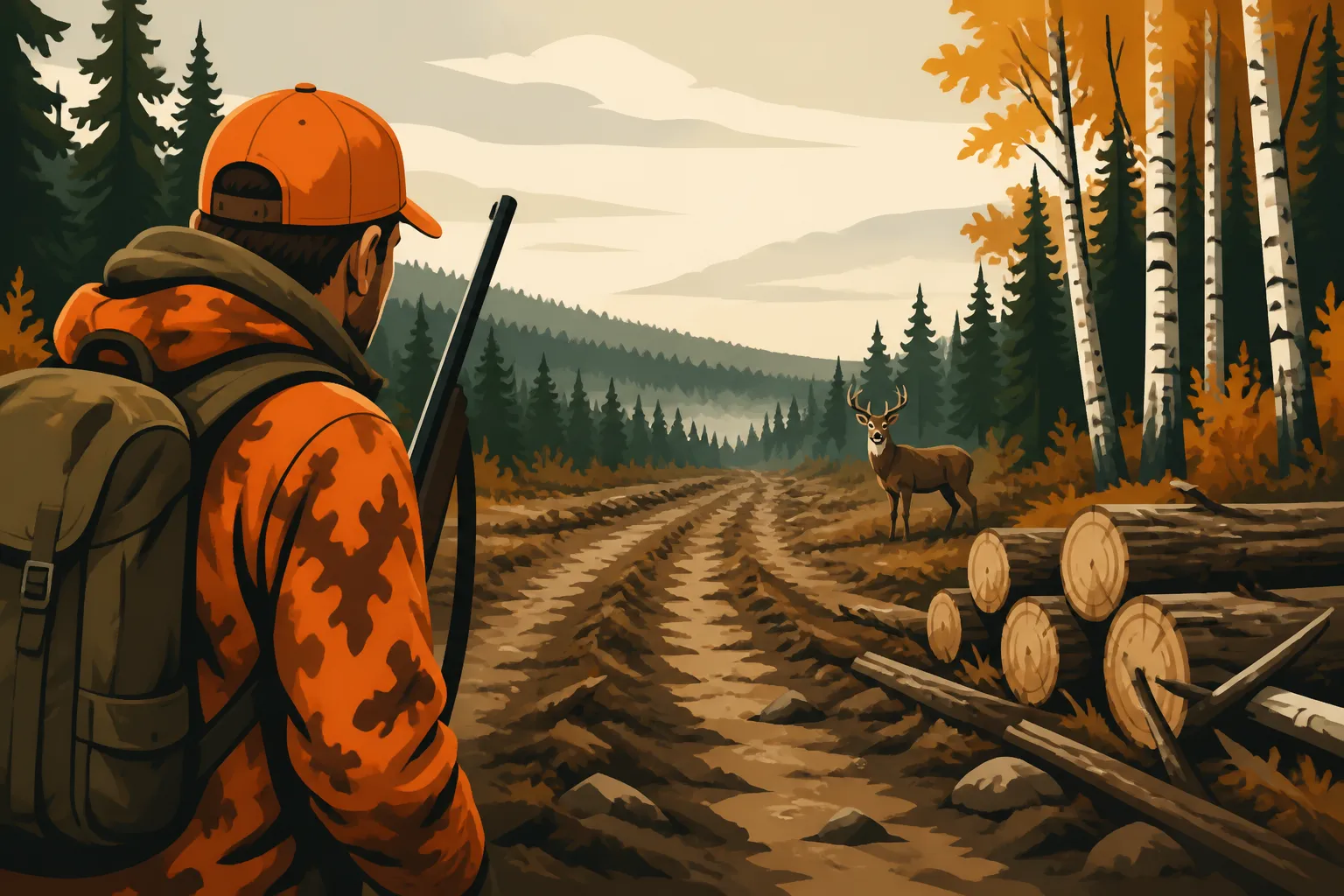
When you look at a map of Northern Ontario, it can be intimidating. Just endless green. But tucked within that vast expanse are networks of old logging roads, veins of opportunity waiting to be explored. These aren't always well-maintained arteries; often, they're overgrown, barely discernible tracks that have been reclaimed by nature over decades. Yet, they are absolute magnets for game, offering a unique blend of accessibility and prime habitat.
Understanding the Ecosystem They Create
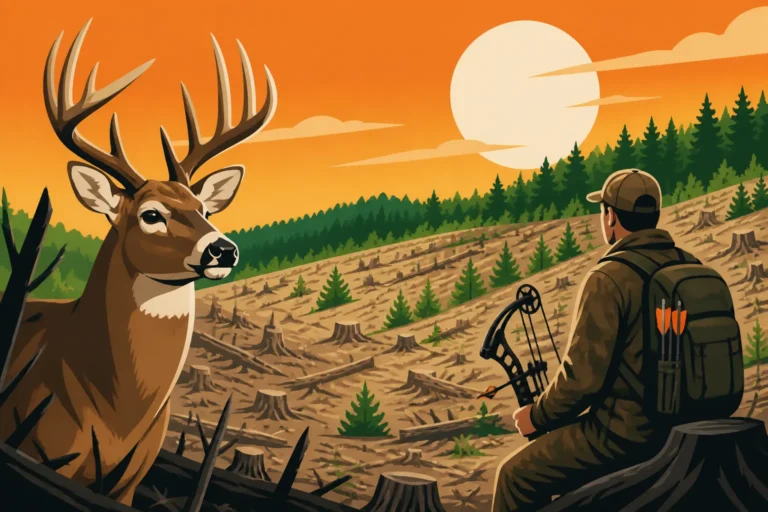
Logging operations, while initially disruptive, eventually create dynamic ecosystems that benefit a wide range of wildlife. When a forest is cut, it opens the canopy, allowing sunlight to reach the forest floor. This stimulates new growth – grasses, forbs, berry bushes, and young saplings – all critical food sources for herbivores like moose and white-tailed deer. The young, regenerating forest adjacent to these old roads provides dense cover for bedding and protection from predators. Over time, these old roads themselves become pathways for both animals and hunters, concentrating movement along easier travel routes. Think about it: a moose isn't going to slog through thick, tangled blowdowns if there's an easier path right there.
The Edge Effect and Game Concentration
The concept of the "edge effect" is huge here. Where two different habitat types meet, you often find a higher diversity and abundance of wildlife. Old logging roads create multiple edges: the edge between the road itself and the regenerating forest, and the edge between different stages of forest regrowth within old cutovers. Moose, for example, thrive where they can browse on new growth in sun-drenched clearings but quickly duck into dense cover for safety. Black bears are drawn to berry patches that flourish along these sunny fringes, especially in late summer and fall. Even ruffed grouse will spend their days dusting in the gravel or pecking at buds along the roadside, while their chicks find cover in the thickets nearby. These linear clearings act as natural funnels and travel corridors, making game movement more predictable for a savvy hunter.
Scouting and Interpreting Logging Road Sign
You can't just drive up an old logging road and expect game to jump out. Successful hunting in these areas starts long before you ever step foot in the bush, with thorough scouting and an understanding of what the land is telling you.
Mapping Your Reconnaissance Mission with Tools like GoHunt
Before you even leave your couch, modern mapping tools are your best friend. Services like GoHunt allow you to overlay satellite imagery with topo maps and Crown Land boundaries, giving you an unparalleled view of the landscape. Start by identifying large blocks of Crown Land, then zoom in to find the spiderweb of old roads. Look for areas where the forest transitions from mature timber to clearcuts or younger growth. These are the prime locations. Pay attention to how the roads connect to water sources – beaver ponds, small creeks, or even large lakes. Game will often use these corridors to access water. Identifying areas where there are pinch points, where the road runs between a swamp and a ridge, for instance, can be extremely productive. You can use these insights to plan your physical scouting trips. Knowing how to read an Ontario WMU Map Before You Go is also critical for understanding regulations and specific zones.
Identifying Fresh Activity and Seasonal Patterns
Once you're on the ground, or even reviewing recent satellite images, you're looking for clues. Animal tracks are the most obvious. Fresh moose tracks, especially those of a cow with a calf or a bull during the rut, tell you exactly where they've been. Keep an eye out for bear scat, indicating they're feeding on berries or grubs along the edges. Rubs on small trees, particularly by deer or moose, signal a buck or bull marking its territory. You'll want to differentiate between old, faded sign and fresh, crisp evidence of recent activity. In a late fall or early winter hunt, reading sign after a fresh snow can be a game-changer, revealing travel patterns that are otherwise invisible. Also, consider the seasonal aspect. In spring, bears will be emerging from dens and looking for early green-up along sunny road edges. In fall, moose and deer will be focused on browse and hard mast (like acorns, if you're lucky enough to find oaks in the north), which might be more abundant in disturbed areas along old roads.
Here's a quick guide to common signs and what they might indicate:
| Sign Type | What to Look For | Potential Species | Seasonal Relevance |
|---|---|---|---|
| Tracks | Clear imprints in mud, dust, or snow | Moose, Deer, Bear, Wolf, Coyote | All year, best after fresh precipitation |
| Scat | Pellets (deer/moose), berry-filled (bear), canine | Moose, Deer, Bear, Wolf, Coyote | All year, varies with diet |
| Rubs/Scrapes | Bark rubbed off saplings (rubs), pawed ground (scrapes) | Deer, Moose, Bear | Fall (rut for deer/moose), Spring/Fall (bear) |
| Beds | Flattened areas in dense cover, often near edges | Deer, Moose, Bear | All year, often sheltered |
| Browse | Clipped twigs, stripped leaves on young saplings | Moose, Deer | Winter (heavy), all year |
| Trail Cameras | Evidence of human presence, but also valuable intel | N/A | Year-round scouting |
Hunting Strategies for Logging Road Systems
Hunting these old logging road systems requires a blend of patience, stealth, and a good understanding of animal behaviour. It's not about driving down a road and hoping for the best; it's about using the road system to your advantage to put yourself in a position for success.
Still Hunting and Spot-and-Stalk Techniques
For many hunters, still hunting along these old logging roads is one of the most effective methods. This involves moving slowly, taking a few steps, then stopping for several minutes to observe, listen, and scan the surroundings. Animals often perceive slow, deliberate movement as less of a threat than erratic, fast movement. Use your binoculars to pick apart the regenerating forest on either side of the road, looking for horizontal lines in a vertical world – the back of a moose, the dark blob of a bear, or the flick of a deer's ear. Pay extra attention to where the road crosses small creeks, damp areas, or areas with dense cover, as these are natural bottlenecks.
Spot-and-stalk comes into play when you spot game at a distance. If you see a moose browsing a clearcut or a bear feeding on a berry patch down an old road, the challenge is to close the distance undetected. This requires careful use of wind, cover, and terrain. You might need to leave the road and use the thick forest or a rise in the land to conceal your approach. Knowing when to apply different tactics is key, whether you're trying Calling a Bull Moose in the Rut or quietly approaching a feeding deer.
Setting Up Ambushes and Stands
Sometimes, the best strategy isn't to walk at all, but to set up and wait. Identify key travel corridors, like where an old logging road meets a fresh cutover, a beaver pond, or a particularly thick patch of bedding cover. These are ideal locations for an ambush. You can utilize a portable treestand or simply find a natural blind that offers good concealment and a clear shooting lane. Think about the time of day: mornings and evenings are typically when animals are most active, moving between bedding and feeding areas. If you're hunting black bears, especially during the fall season, finding an area with a good natural food source like a hazelnut patch or a dense berry area near an old road can be highly productive. This is also a fantastic way to hunt grouse, as you can often hear them flush before you see them, and a patient wait can yield results as they return to feeding areas. For more general advice on Hanging a Stand on an Ontario Bush Edge, that article provides excellent insights.
Considering the Wind and Terrain
Never underestimate the wind. It's the most critical factor in deer and moose hunting, and equally important for bears. Always try to approach or set up with the wind in your face, or at least a crosswind, so your scent doesn't carry to the animals downwind. Northern Ontario's logging roads often follow the contours of the land, providing natural rises and dips. Use these to your advantage. A small knoll can hide your approach, or a low area can funnel game past your setup. Consider how animals will use the terrain as well – they'll often travel along the path of least resistance, which an old logging road provides, but they'll also use slight rises or benches to gain a vantage point before stepping out into the open. Understanding the local topography can significantly improve your chances when you are Hunting a Hardwood Ridge for Whitetails or focusing on moose.
Essential Gear and Safety for Logging Road Hunts
Hunting in Northern Ontario's remote logging road systems can be an incredibly rewarding experience, but it also demands a high degree of preparedness. The vastness and wildness of the landscape mean you need to be self-sufficient and ready for anything.
Navigation and Communication
While the logging roads offer relatively easy access, they can still lead you deep into vast wilderness. A reliable GPS unit, coupled with traditional map and compass skills, is non-negotiable. Don't rely solely on your phone; cell service is often non-existent in these areas. Tools like GoHunt can be invaluable for pre-loading maps and waypoints, even for offline use. Consider a satellite communication device, such as an inReach or Zoleo, for emergency communication. This isn't just for you, but for your family who might be waiting to hear from you. Always tell someone your hunting plan, including your intended route, expected return time, and specific WMU you'll be in. This simple step can be a lifesaver if you do get What to Do If You Get Turned Around.
Being Prepared for the Northern Ontario Wild
The weather in Northern Ontario can change in an instant, especially during the fall hunting seasons. Layered clothing is key, allowing you to adapt to fluctuating temperatures throughout the day. Waterproof outer layers are a must, as is quality, broken-in footwear suitable for wet, uneven terrain. Always carry a comprehensive first-aid kit, fire-starting supplies, a knife, extra food and water, and a headlamp with spare batteries. If you're exploring the more remote sections, a Truck Kit for a Northern Ontario Hunt can include items like a winch, shovel, tow strap, and extra fuel. Remember, these roads might not see traffic for days or weeks. If you're bringing an ATV, be sure to understand the ATV Rules on Ontario Crown Land to ensure you're hunting legally and safely. Always carry enough gear to spend an unexpected night in the bush, just in case.
Hunting old logging roads in Northern Ontario is more than just a method; it's an immersive experience that connects you deeply with the land and its wild inhabitants. With careful planning, thorough scouting, and a mindful approach to safety, these forgotten trails can lead you to some of the most rewarding hunts the province has to offer.
Disclaimer
The information provided in this guide is for general informational purposes only and does not constitute legal advice. Hunting regulations in Ontario are subject to change. Always consult the most current official Ontario Hunting Regulations Summary and the Fish and Wildlife Conservation Act before engaging in any hunting activities. It is your responsibility to understand and adhere to all applicable laws and regulations.