Dragging a Deer Out of a Swamp
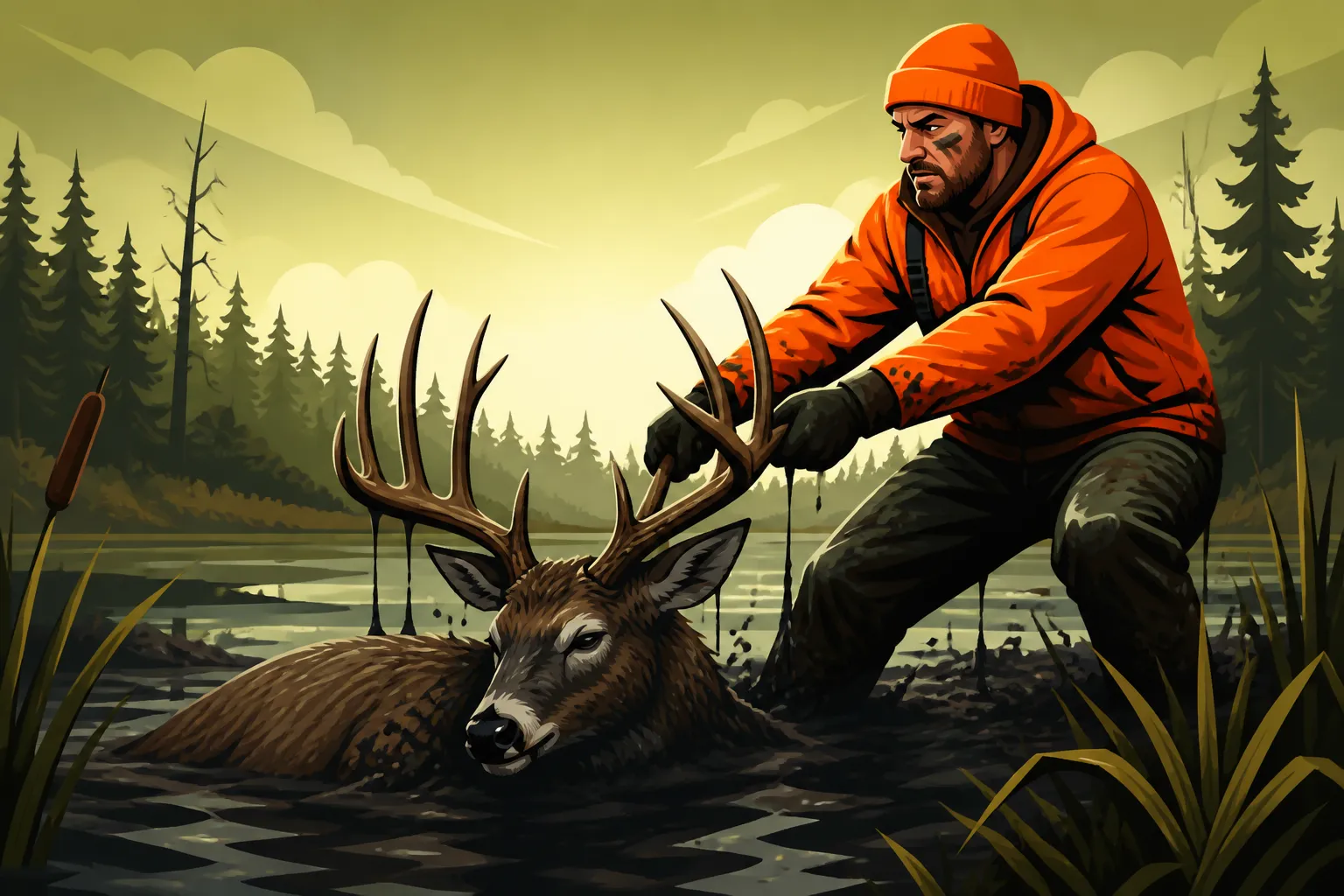
We’ve all been there, haven’t we? That moment of triumph when you finally connect with a beautiful Ontario whitetail, only for it to take its last breath in the absolute worst possible place imaginable: a thick, mucky, water-logged swamp. The initial surge of adrenaline quickly gives way to a sinking feeling in your stomach as you realize the real work is just about to begin. This guide is here to help you navigate that daunting task, offering practical, realistic strategies for getting your deer out of that bog and back to solid ground.
Anticipating the Unavoidable: Pre-Shot Planning and Swamp Reconnaissance
While no one aims for a deer to drop in a swamp, in Ontario's diverse landscape, from the southern cattail marshes to the northern spruce bogs, it's an ever-present risk. A little foresight can save you a world of hurt. It’s not about avoiding the shot, but about preparing for the worst-case scenario.
Scouting for Swampy Hazards
Before you even step foot into your hunting area, a good look at the topography can tell you a lot. Satellite imagery on apps like GoHunt is invaluable here. Zoom in on low-lying areas, especially those with dark green vegetation or noticeable water features. You'll quickly identify those beaver ponds, cedar swamps, and alder thickets that deer love to use for cover but that are a nightmare for recovery. Note these areas, and if possible, scout them in person during the off-season. You might discover a hidden game trail that skirts the worst of the muck, or a slightly firmer ridge you can aim for. Understanding the terrain, like when you're Hunting a Cedar Swamp Edge, is crucial.
Knowing the lay of the land also helps you anticipate where a deer might try to escape after a shot. If you’re hunting a hardwood ridge adjacent to a swamp, assume a wounded deer will head straight for the thick cover. This knowledge can influence your stand placement or even your decision to take a marginal shot. It’s about calculated risk, not outright avoidance.
Planning Your Recovery Route
Once you have a better understanding of the swampy areas, start mentally mapping out potential recovery routes. Look for any slightly higher ground, old logging trails, or even natural pinch points that might offer a firmer path. Think about access points – is there a bush road nearby, or will you need to boat in? Having a general idea of how you’d tackle a recovery before you've pulled the trigger can save precious daylight and energy if a deer does go down in the muck.
Consider the time of year too. Early season hunts, especially in September or October, mean warmer temperatures and softer ground, often with more standing water. Later in the season, particularly when the ground freezes or snow covers the swamps, access can be easier, but navigating deep snow can bring its own challenges. Knowing How Deep Snow Shapes Ontario Game also means understanding how it shapes your recovery efforts. These pre-hunt considerations are part of a responsible hunter's playbook.
Equipping for the Quagmire: Essential Gear for Swamp Deer Recovery
Dragging a deer out of a swamp isn't a job for your everyday hunting gear. You need specialized tools and clothing that can stand up to mud, water, and brute force. Skimping here will only lead to greater frustration and potential safety hazards.
Personal Protective and Navigational Gear
First and foremost, invest in proper waterproof gear. Chest waders or good quality hip waders are non-negotiable if you suspect any standing water. Even if it looks dry, the ground beneath can be saturated and treacherous. Waterproof boots that provide good ankle support are also critical to prevent sprains or losing a boot in deep mud. Long sleeves and gloves are advisable to protect against cuts, scrapes from brush, and insect bites, especially in warmer weather. A sturdy knife, a headlamp with fresh batteries, and a reliable compass or GPS device (even your phone with a mapping app like GoHunt) are indispensable. It’s easy to get Turned Around in the Bush when you're focused on dragging a heavy deer in thick cover.
| Gear Item | Purpose | Key Features |
|---|---|---|
| Chest Waders | Staying dry in standing water and deep muck | Durable, waterproof, good fit |
| Waterproof Boots | Foot protection and grip | Ankle support, aggressive tread, snug fit |
| Heavy-Duty Gloves | Protecting hands from brush, rope burn | Cut-resistant, good grip |
| Headlamp | Hands-free illumination, especially at dusk | Bright, long-lasting battery, red light option |
| GPS/Mapping App | Navigation, marking deer location, exit route | Offline maps (GoHunt is excellent), reliable |
| Rope/Drag Harness | Efficient deer dragging | Strong, comfortable handle, non-stretch |
| Game Cart/Sled | Reducing friction and effort (if terrain allows) | Durable, large wheels/runners, good capacity |
| First-Aid Kit | Addressing minor injuries | Basic wound care, pain relief |
| Whistle | Signalling for help | Loud, easily accessible |
Recovery Tools: Making the Drag Easier
Beyond personal gear, a few specialized tools can make all the difference. A sturdy deer drag rope or harness is essential. Look for one with comfortable handles that distribute the weight, rather than just a thin rope that will dig into your hands. If you’re lucky enough to find firmer ground within the swamp, a game cart with large, robust wheels can be a lifesaver. However, for truly mucky, soft bottom swamps, a plastic deer sled or a durable tarp will be far more effective at gliding over mud and brush, reducing friction significantly. Many hunters even carry a small, foldable saw for clearing stubborn branches that snag the deer.
For longer drags, especially in groups, a heavier-duty pulling harness that you can wear, distributing the weight across your shoulders and back, can be a game changer. Brands like Allen or even homemade setups can drastically improve comfort and efficiency compared to just pulling with your arms. Remember, the goal isn't just to get the deer out; it's to do it safely and without injuring yourself.
Into the Mire: Tactics for Extracting a Deer from a Swamp
Once the deer is down and you've geared up, it's time to tackle the actual extraction. This is where patience, strategic thinking, and sometimes sheer brute force come into play. Every swamp is different, but some fundamental tactics remain consistent.
Solo Swamp Recovery Techniques
Let's be honest, often we hunt alone, and that's when a swamp recovery really tests your mettle. Your first step after locating the deer is to field dress it immediately. This removes significant weight and helps cool the meat, which is critical, especially if you're Field Dressing in Warm Ontario Weather. Once field dressed, orient the deer's head towards your intended exit path. If you have a deer sled or a heavy-duty tarp, get the deer onto it. This drastically reduces friction, allowing it to slide over mud and brush.
When dragging solo, focus on short, controlled pulls. Don't try to power through 50 yards at once. Take a few steps, pull, rest, and repeat. If you're using a rope, try to loop it around your waist or over one shoulder to engage your core and legs, not just your back. This is where a good drag harness shines. Keep a close eye on your path; it's easy to get disoriented in thick cover. Use your GPS or a prominent landmark to maintain direction. If the mud is too deep, you might need to use a "log-rolling" technique, carefully rolling the deer a few feet at a time to firmer ground, then switching back to dragging.
Teamwork and Mechanical Advantage
If you have hunting partners, getting a deer out of a swamp becomes significantly easier – not easy, but easier. Communicate clearly about who is pulling and who is spotting obstacles. Two people pulling a deer on a sled can move a surprising amount of weight. For really tough spots, one person can pull from the front while another pushes or lifts from the rear, especially over logs or through thick brush.
For heavier deer or particularly challenging terrain, consider improvising. Can you use a sturdy branch as a lever to lift the deer over an obstacle? Could you fashion a makeshift stretcher with two long poles and a jacket if the mud is too deep for a sled? In some areas, an ATV might be legal on Crown Land trails or private property, but always check regulations beforehand, as ATV Rules on Ontario Crown Land are strict. Never attempt to drive an ATV into deep, unknown swamp conditions; it's a recipe for disaster and potential injury. Always prioritize safety over speed.
Navigating Different Swamp Types
Ontario's swamps aren't all created equal. A beaver flowage presents different challenges than a dense cedar swamp or a cattail marsh.
- Beaver Flowages: These are often characterized by standing water, submerged logs, and very soft, silty bottoms. Expect to be wet. Focus on finding the edges or any beaver dams that might offer a firmer (though often slippery) crossing. Be aware of deep pockets of water or sudden drop-offs.
- Cedar Swamps: These are typically dense with tight cedars, often with a thick layer of moss and detritus that can hide uneven ground or knee-deep water. The challenge here is less about deep mud and more about navigating the incredibly dense vegetation. A small saw or axe can be useful for clearing a path.
- Cattail Marshes: Common in southern Ontario, these can be deceptively challenging. The matted cattails create a false sense of solid ground, often hiding deep, soupy mud underneath. Stick to established game trails if possible, or try to identify slightly higher, drier sections within the marsh. These areas are notorious for hidden potholes and sudden deep spots.
No matter the swamp type, take your time. Rushing leads to mistakes, injuries, and more exhaustion.
Post-Recovery and Safety: Bringing Your Harvest Home
You've done it! The deer is out of the swamp and on solid ground. But the job isn't quite finished. Now, you need to ensure both your safety and the quality of your hard-earned meat.
Prioritizing Personal Safety After the Drag
After battling a swamp, you're likely exhausted, muddy, and potentially soaking wet. Your priority should immediately shift to your personal well-being. If you're wet and it's cold, hypothermia is a real risk. Get to warmth and dry clothes as soon as possible. Check yourself for any scrapes, cuts, or bug bites that may have occurred during the recovery. Clean and treat any wounds to prevent infection. Rehydrate with water and replenish your energy with some snacks.
It’s crucial to know your limits. Pushing yourself too hard can lead to serious injury, especially back strains. If you feel dizzy, severely fatigued, or experience muscle spasms, stop and rest. If you're alone and seriously injured, use your communication device to call for help. Having a fully charged satellite messenger or phone (where service is available) is non-negotiable for remote hunts.
Meat Care and Transport Considerations
With the deer finally on firm ground, give it a thorough once-over. If it spent any significant time submerged, wipe down the carcass as best you can to remove mud and debris. Pay extra attention to the field-dressed cavity, ensuring it's clean. If you had to delay field dressing due to the recovery challenges, do it immediately now. Get the deer cooling as quickly as possible. If ambient temperatures are mild, consider using ice packs in the body cavity if transport will be delayed.
For transport, secure the deer properly in or on your vehicle. If you're driving on public roads, ensure the deer is covered (a tarp works well) to prevent it from collecting road grime and to be respectful to other road users. Always ensure your tags are properly attached and notched according to Ontario regulations, as Ontario Tag Notching and Attachment Rules are strictly enforced. Finally, remember to report your harvest. This crucial step helps the Ministry of Natural Resources and Forestry manage game populations, ensuring healthy hunting opportunities for years to come.
Ultimately, dragging a deer out of an Ontario swamp is a rite of passage for many hunters. It’s tough, dirty work, but with the right planning, gear, and mindset, you can successfully recover your prize and turn a daunting challenge into a memorable story for the campfire.
Disclaimer
The information provided in this guide is for general informational purposes only. Hunting regulations and conditions in Ontario can change, and it is the hunter's responsibility to consult the most current Ontario Hunting Regulations Summary and local authorities before engaging in any hunting activities. Always prioritize safety and ethical hunting practices.