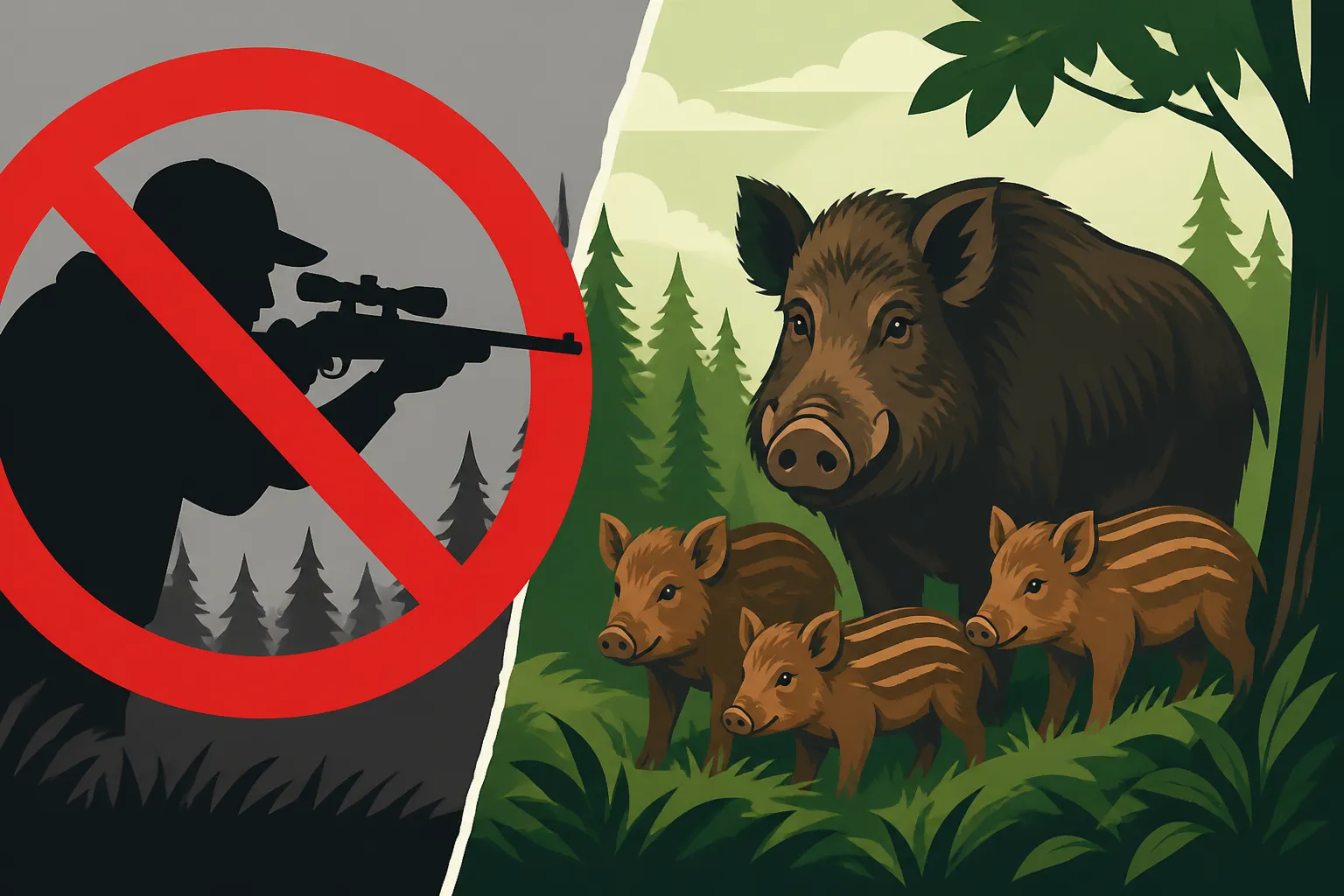
Why You Cannot Shoot a Sow With Cubs
It’s a scenario many bear hunters have found themselves in: you’ve spent countless hours scouting, set up your bait, and finally, a magnificent black bear steps into view. Your heart pounds, adrenaline surges, but then you notice it – a tiny shadow following close behind, or maybe a couple of smaller bears emerge from the bush. Instantly, the excitement is mixed with a knot of anxiety. Can you take the shot? The short answer in Ontario is a resounding no, you cannot shoot a sow with cubs, and this guide is here to deeply explain why this crucial regulation exists, how to identify these family groups, and the profound ethical and legal implications for every hunter in our province.
The Core Principle of Bear Conservation in Ontario
Ontario's approach to bear hunting is deeply rooted in conservation, ensuring the long-term health and sustainability of our black bear population. This isn't just about limiting harvest numbers; it's about protecting the very foundation of the bear's reproductive cycle.
Protecting Reproductive Sows
The most critical reason behind the prohibition on shooting sows with cubs is to safeguard the reproductive future of the black bear population. A mature female bear, or sow, is the engine of population growth. When a sow is removed from the population, especially one actively raising cubs, the impact extends far beyond that single animal. Not only is she gone, but her entire litter of cubs is also jeopardized, often leading to their demise. These cubs are entirely dependent on their mother for survival during their first year and often into their second. Without her, they lack the foraging skills, protection from predators (including other bears), and knowledge to survive the harsh Ontario wilderness.
This regulation ensures that breeding-age females have the opportunity to raise their young, contributing new generations to the population. It’s a foundational tenet of responsible wildlife management, recognizing that a healthy population relies on successful reproduction. For those interested in the broader context of bear management, understanding Ontario's Black Bear Rules is a great starting point.
Understanding "Cubs" in the Eyes of the Law
Defining what constitutes a "cub" is paramount for hunters. In Ontario, a cub is generally considered to be a bear under one year of age, still dependent on its mother. These are typically smaller bears, often seen walking directly behind or very close to the sow. They’ll exhibit playful behavior, follow her every move, and clearly rely on her for guidance and safety.
The challenge in the field, of course, is positive identification. Bears can vary greatly in size even within the same age class, and lighting conditions, distance, and cover can all conspire to make a solid judgment difficult. Hunters must err on the side of caution. If there's any doubt about whether a bear is accompanied by cubs or if a bear itself is a cub, the ethical and legal choice is always to pass on the shot. This is especially true for hunters new to bear country, where recognizing these subtle cues takes experience. It’s a core skill emphasized in any Ontario Hunter Education Requirements course.
Identifying Sows and Cubs in the Field
Distinguishing a lone adult bear from a sow with cubs, or even telling a large yearling from a smaller adult, requires keen observation, patience, and a solid understanding of bear behavior.
Visual Cues and Behavioral Indicators
When you're out there, waiting patiently in the bush, every detail matters. Here's what to look for:
- Size Comparison: This is your first clue. Cubs, especially spring cubs, are noticeably smaller than an adult sow. They might appear to be the size of a large dog, while the sow will be significantly larger. Yearlings, which are bears in their second year, are bigger than cubs but usually still smaller than their mother, though they can sometimes be hard to distinguish from a smaller adult male (boar) if alone. Always look for multiple bears. If you see one bear, wait. Often, others will appear.
- Behavioral Dependence: Cubs stick close to their mother. They’ll follow her intently, nuzzle her, and if startled, they'll often attempt to hide behind or climb her. A sow with cubs will also display protective behaviors; she'll be more cautious, often scanning her surroundings, and may react defensively to perceived threats. Young, independent bears (subadults) tend to move more confidently on their own, often exploring further from any other bear they're with.
- Gait and Movement: Cubs have a distinctive, somewhat clumsy gait, almost like they're still learning to coordinate their movements. They may stop frequently to play or investigate small objects, whereas an adult bear's movements are typically more deliberate and purposeful.
- Teats: While difficult to see unless the bear is very close and in perfect light, a sow that has recently nursed cubs might have visible teats. However, relying on this alone is impractical in most hunting scenarios.
Remember, the vastness of Ontario's wilderness means you're often dealing with varying light conditions, thick cover, and distances that can obscure your view. Whether you're Hunting Moose Around an Ontario Beaver Pond or waiting for a bear, patience is key.
The "Wait and Observe" Mentality
This is perhaps the most crucial piece of advice for ethical bear hunting. Never rush a shot. If a bear appears at your bait site or crosses your path, resist the immediate urge to shoulder your rifle or draw your bow. Instead, take a breath and observe.
- Use Optics: Always carry good quality binoculars or a spotting scope. Even if the bear is within rifle range, use your optics to carefully scan the area around it for cubs. Look behind trees, under brush, and anyplace a small bear might be trailing or hiding.
- Patience is a Virtue: Wait for the bear to move, to turn, to reveal its full size and stature. Wait to see if other bears emerge. Cubs can sometimes be surprisingly well-hidden or lag behind their mother. Many experienced hunters will wait for ten, fifteen, even twenty minutes or more, observing a potential target, before deciding whether to take a shot. This is especially true when Hunting a Fall Bear Bait in September, where multiple bears might visit a site.
- If in Doubt, Don't Shoot: This is the golden rule. If you have any uncertainty about whether the bear is a sow with cubs, or if you can't definitively identify it as a lone bear, do not take the shot. The potential legal penalties and, more importantly, the ethical implications of mistakenly taking a sow with cubs are simply not worth it. It’s far better to go home empty-handed than to make a regrettable mistake.
Ontario's Regulations and Ethical Hunting
The legal framework in Ontario is clear, reflecting the strong conservation ethic around bear hunting. Violating these rules carries significant consequences.
The Specifics of the Hunting Regulation
Ontario's hunting regulations explicitly prohibit the killing of a black bear cub or a sow accompanied by a cub or cubs. This isn't a guideline; it's a hard and fast rule outlined in the Ontario Hunting Regulations Summary, a document every hunter must be intimately familiar with. The Ministry of Natural Resources and Forestry (MNRF) enforces these regulations strictly.
The penalties for shooting a sow with cubs can be severe, including substantial fines, seizure of hunting equipment, loss of hunting privileges for multiple years, and potentially even imprisonment. Beyond the legal ramifications, such an act severely damages the reputation of hunters and the sport itself.
It's important to differentiate between a sow with cubs and a lone sow. A lone sow, not accompanied by cubs, is a legal target during the open season, provided all other regulations are followed. The challenge, as discussed, is in the positive identification. Many hunters use resources like GoHunt to stay up-to-date on regulations and to scout potential hunting zones efficiently, helping them ensure they are always on the right side of the law.
Ethical Considerations Beyond the Law
While legal compliance is mandatory, ethical hunting extends beyond just following the letter of the law. It encompasses a deeper respect for the animal, the environment, and the future of hunting.
- Responsibility to the Resource: Hunters are often referred to as conservationists, and for good reason. We pay for licenses and tags that fund wildlife management, and we actively participate in ensuring healthy populations for future generations. Intentionally or carelessly taking a sow with cubs goes against this fundamental responsibility. It’s a breach of trust with the resource itself.
- Public Perception: In an increasingly urbanized society, hunting faces scrutiny. Unethical practices, particularly those involving cubs, can be seized upon by anti-hunting groups and used to paint all hunters in a negative light. Every hunter has a role to play in upholding the highest ethical standards to ensure hunting's continued acceptance and practice. When Hunting a Beaver Dam Crossing or any other prime location, remember that your actions reflect on the entire hunting community.
- Personal Accountability: Ultimately, the decision to pull the trigger rests solely with the individual hunter. There’s no external pressure that should override your personal ethical compass. If you’re unsure, if you can’t make a positive identification, if you simply don’t feel right about the situation, then don’t shoot. That’s the mark of a truly responsible hunter. Remember the advice on Judging a Boar From a Sow With Cubs—it's about confidence in your identification.
Best Practices for Responsible Bear Hunters
Being a responsible bear hunter involves more than just knowing the rules; it requires preparation, practice, and a commitment to ethical decision-making in the field.
Pre-Season Preparation and Scouting
The work starts long before you ever step foot in the woods with your weapon.
- Study Bear Behavior: The more you understand black bears – their feeding habits, movement patterns, and social structures – the better equipped you'll be to make informed decisions. Learn about What Bears Eat in a Boreal Spring or Why Berry Crops Move Ontario Bears to understand their seasonal movements.
- Know Your Hunting Area: Thorough scouting helps. Using satellite imagery or tools like GoHunt can help you identify potential bear habitat and travel corridors. This familiarity can also help you anticipate where a sow might be leading her cubs.
- Trail Cameras: These can be invaluable tools, especially at bait sites. By reviewing trail camera footage, you can often identify individual bears, including sows with cubs, that are frequenting your area. This prior knowledge allows you to avoid certain bears or to be extra vigilant when a particular bear is present. However, always be mindful of specific trail camera regulations in your WMU. For general information on where to find bears, consider reading about Where the Highest Bear Densities Are.
- Baiting Ethics: If you're Setting a Bear Bait Site in Ontario, ensure it's set up in a way that allows for clear visibility from your stand. This means clearing shooting lanes and making sure there are no blind spots where cubs could be hiding out of view. Proper baiting practices, such as those covered in Baiting Black Bear in Ontario, are crucial.
Taking the Shot Safely and Ethically
When the moment of truth arrives, your focus and preparation will pay off.
- Ensure a Clean Kill Shot: This is paramount for any hunting, but especially for bears. A wounded bear can be dangerous and extremely difficult to recover, leading to unnecessary suffering. Only take a shot when you are absolutely confident in your ability to place it accurately for a quick, humane kill. Know your weapon’s capabilities and your own limits. This might mean practicing extensively before your hunt, especially if you're targeting a bear that could be What a Big Boreal Black Bear Weighs.
- Shooting Lanes and Distance: Make sure your shooting lanes are clear and you have a solid backdrop. Understand the effective range of your firearm or bow, and don't try to stretch it. A closer, more certain shot is always preferable to a long, risky one.
- Post-Shot Procedures: If you do take a shot, observe the bear’s reaction carefully. Mark the location of the shot and wait quietly for at least 30-60 minutes before tracking, especially if you suspect a gut shot. This gives the bear time to lay down and expire, making recovery much safer and easier. When tracking, look for blood, disturbed leaves, or broken branches.
Remember, every decision you make in the field, from scouting to shot placement, contributes to your success as a responsible hunter and helps preserve the integrity of hunting in Ontario. If you're a non-resident, be sure to understand what an Ontario guided bear hunt costs and what services they provide to help ensure a successful and ethical hunt.
Here’s a quick reference table to help with identification:
| Feature | Lone Mature Boar (Male) | Lone Mature Sow (Female) | Sow with Cubs (Female) | Cubs/Yearlings (alone) |
|---|---|---|---|---|
| Size | Often larger, broader head, heavier build. | Generally smaller than boar, more refined features. | Adult female, but accompanied by one or more smaller bears. | Small (cub) to medium (yearling), obviously not adult. |
| Shape | Blocky, thick neck, can have a noticeable hump. | More slender, longer snout, often a lighter build. | Same as lone sow. | Proportional to size, often "cute" or gangly. |
| Behavior | Confident, often solitary, may be cautious but less vigilant about surroundings than a sow. | Can be cautious, but if alone, less protective. | Extremely vigilant, protective, frequently looks around, cubs stay close. | Playful, curious, dependent, easily startled. Often seen trailing behind or near a larger bear. |
| Travel | Moves independently. | Moves independently. | Cubs will follow directly behind, often stopping when she stops. | Follows larger bear or moves tentatively if separated. |
| Warning Sign | None typically, unless multiple bears are seen. | None typically, unless multiple bears are seen. | Presence of other bears, especially small ones. | Presence of other bears, especially a larger one. |
Disclaimer
Hunting is a complex activity with inherent risks. The information provided in this guide is for general informational purposes only and is not a substitute for the official Ontario Hunting Regulations Summary, professional advice, or hunter education courses. Always consult the most current official regulations from the Ontario Ministry of Natural Resources and Forestry (MNRF) before participating in any hunting activity. Ensure you understand and comply with all applicable laws and regulations. The author and publisher are not responsible for any actions taken based on the information in this guide.