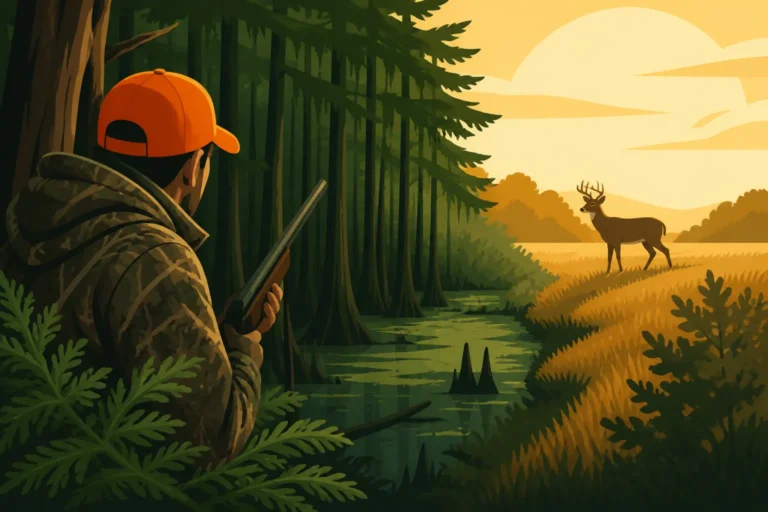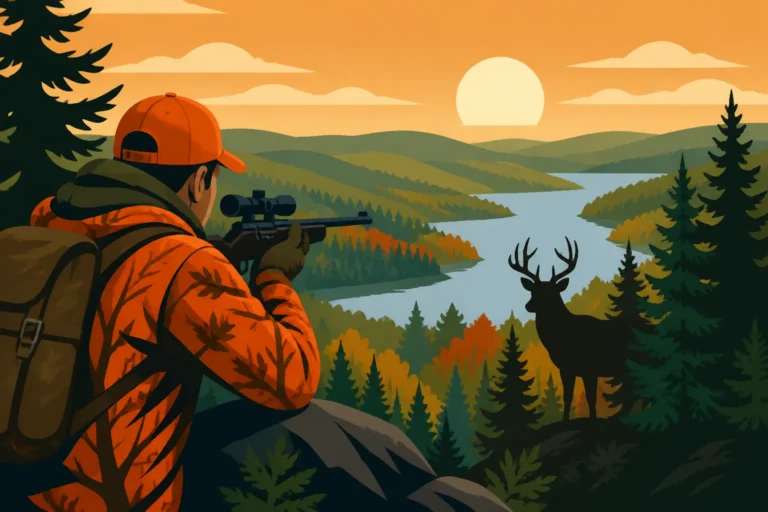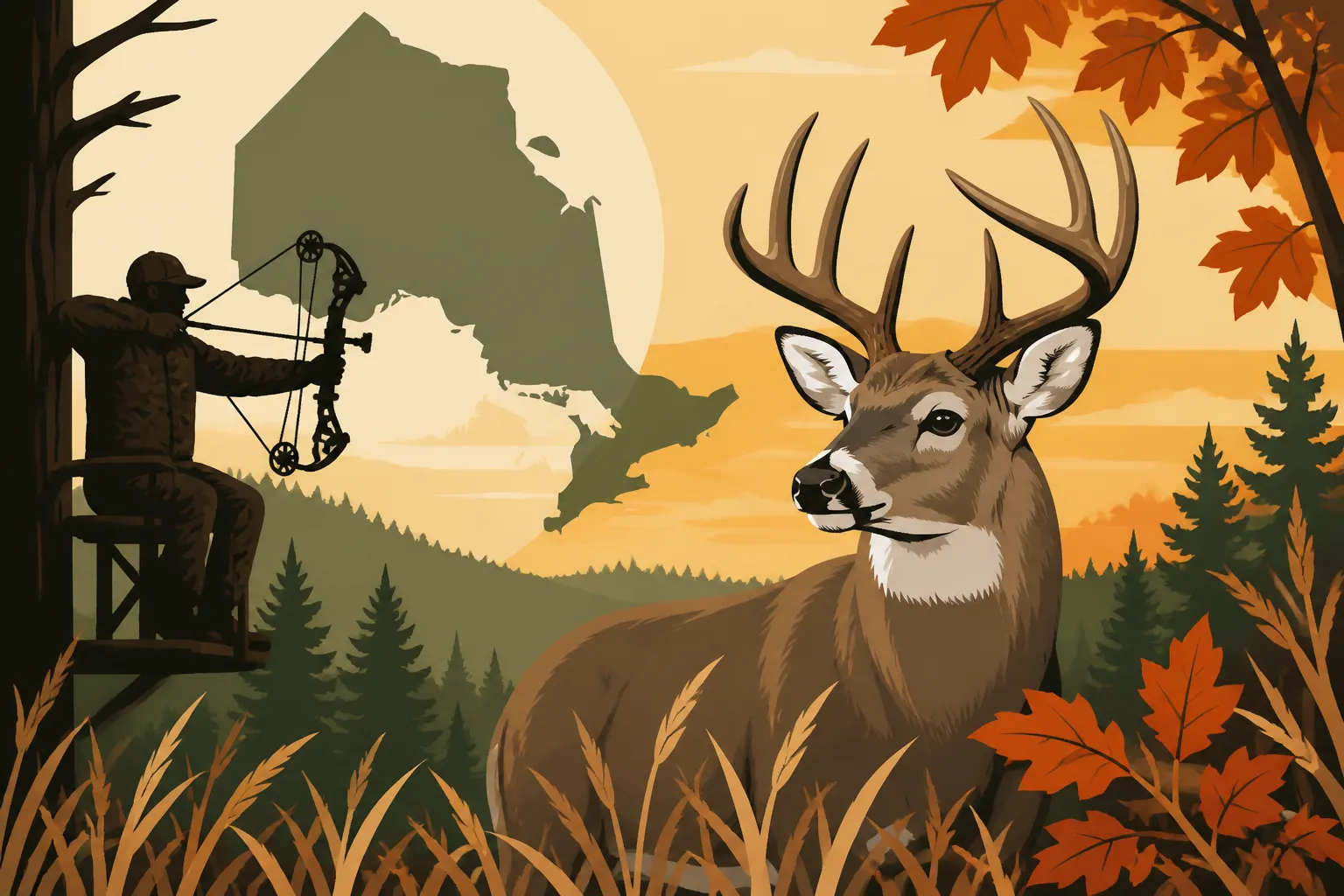
Hunting the Rut in Early to Mid November
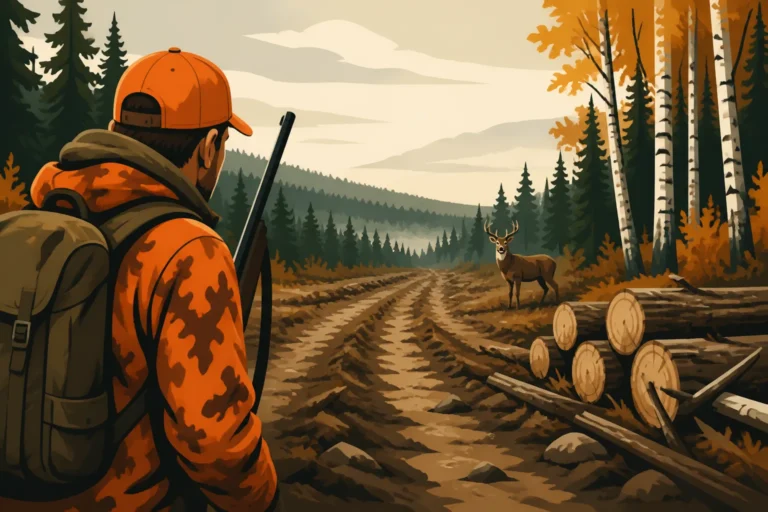
That time of year, when the calendar flips to November, often brings a mix of excitement and frustration for us Ontario deer hunters. You've heard the stories, seen the trail cam pics of big bucks chasing does, but actually being in the right place at the right time when the whitetail rut hits its stride can feel like pure luck. This guide is all about cutting through the noise and giving you a realistic, in-depth look at hunting the rut in early to mid-November across Ontario, helping you understand deer behaviour and deploy strategies that actually work.
Understanding the Rut's Phases in Early to Mid-November
Early to mid-November in Ontario is, for many, the sweet spot of the whitetail rut. It's not a single event but a dynamic period with distinct phases that dictate deer behaviour, and therefore, how we should be hunting them. If you expect every day to be a full-on buck parade, you'll be disappointed. Understanding these nuances is crucial for success.
The Peak of the Chase Phase
As we roll into early November, usually around the first week or so, we're often right in the thick of the "chase phase." This is the period most hunters dream about. Bucks, fueled by surging testosterone and a dwindling number of receptive does from the pre-rut, become incredibly active. They are on their feet, covering significant ground, scent-checking every doe group, and relentlessly pursuing any doe that's even remotely close to estrus. You'll see a lot of running and pushing, sometimes seemingly random bursts of energy from both sexes.
What does this mean for us? It means deer movement can be less predictable in terms of specific travel routes, but more consistent in terms of sheer activity. Bucks might appear in areas you wouldn't expect them to be during other times of the year, driven by the sole purpose of finding a hot doe. This is when patience in a good stand location really pays off. You might see bucks acting foolish, making mistakes they wouldn't normally make. They're singularly focused on breeding, often throwing caution to the wind. Does, on the other hand, are still trying to evade, leading to those exciting, high-speed chases through the bush.
The Breeding Frenzy
Following the chase phase, often around the second and third weeks of November, we transition into what many consider the true "peak" of breeding. This is when the majority of does come into estrus and bucks lock down with them. A mature buck might find a receptive doe and stay with her for 24-48 hours, sometimes longer, breeding her multiple times. During this "lockdown" period, the woods can feel eerily quiet. The frantic chasing might slow down dramatically. Bucks aren't running wild anymore because they've found what they're looking for. They're often bedded down with a doe in thick cover, conserving energy and defending her from other suitors.
This can be incredibly frustrating for hunters who expect non-stop action. You might wonder where all the deer went. But rest assured, they are there, just concentrated in smaller, denser pockets. This is why having multiple stand locations scouted in various types of cover is so important. When one area goes quiet, another might suddenly become active if a hot doe pulls a buck into it. Don't give up hope if things seem slow; it's simply a different stage of the rut. If you're Hunting the Rut in Early to Mid November and things go quiet, it's likely due to this lockdown phase.
Post-Breeding Activity Late November Transition
As we approach the very end of mid-November and push into late November, the primary breeding efforts start to wane for many does. However, not all does come into estrus at the exact same time, and some younger does might be cycling for the first time. This means there are often still some receptive does to be found. Bucks, especially those that haven't had a chance to breed yet, or those that have finished with their first doe, will be back on their feet, albeit perhaps with a bit less intensity than during the chase phase.
You might see younger, satellite bucks become more active now, as the dominant breeders are either exhausted or satisfied. This can be a great time to capitalize on those still-searching bucks. They're often hungry and depleted from the breeding efforts, making them susceptible to calling and strategic food source hunting. This transition is less about intense chasing and more about bucks methodically checking doe bedding areas and travel corridors for any remaining opportunities.
Key Hunting Strategies for the November Rut
Hunting the rut requires a shift in mindset and strategy compared to the pre-rut or late season. You're trying to capitalize on deer's primary instinct during this time: reproduction. This means being aggressive when appropriate, patient when necessary, and always playing the wind.
All-Day Stands and Strategic Locations
If there's one piece of advice that gets repeated about rut hunting, it's "hunt all day." And honestly, there's a reason for it. During the peak rut, deer movement can occur at any time. Bucks aren't just nocturnal anymore; they're actively searching and chasing throughout the daylight hours. A buck might chase a doe through your area at noon, or a receptive doe might bring a mature buck past your stand at 2 PM. Sitting All Day in an Ontario Blind significantly increases your odds.
When choosing a stand, think about pinch points and funnels. These are natural constrictions in the landscape that force deer into predictable travel paths. Think about narrow strips of timber between open fields, saddles in ridges, creek bottoms that lead through dense cover, or the edges of cedar swamps. Deer will naturally use these areas to move efficiently. Hardwood ridges are also prime locations, especially if they have good mast crops. Bucks will cruise these ridges, scent-checking for does. Using tools like GoHunt can help you identify these topographical features on satellite maps even before you step foot in the woods, allowing you to scout smarter. Finding a good spot and Hanging a Stand on an Ontario Bush Edge can pay dividends.
Areas where different habitat types meet, like where a swamp transitions to a hardwood forest, or a field edge meets thick cover, are also hotspots. Does will often stage in these edges before heading out to feed, and bucks will cruise them looking for does. Consider setting up on the downwind side of known doe bedding areas, allowing you to intercept bucks scent-checking for them.
Calling and Rattling During Peak Rut
The rut is arguably the best time to incorporate calling and rattling into your hunting strategy. Bucks are less wary and more susceptible to sounds that mimic other deer.
- Grunting: A standard grunt call can be incredibly effective. During the chase phase, a single "urrp" or a series of aggressive grunts can pique a buck's curiosity or challenge a dominant buck. In the lockdown phase, a soft tending grunt can sometimes entice a buck away from his doe, thinking another buck is encroaching. Vary your grunts; sometimes a deep, aggressive grunt is best, while other times a softer, pleading grunt will work. Don't be afraid to experiment.
- Snort-Wheeze: This is an aggressive vocalization that signals a buck is ready to fight. It's often used by dominant bucks to warn off rivals. If you know there's a mature buck in the area and you want to challenge him, a snort-wheeze can work, but use it sparingly and strategically. It's a high-risk, high-reward call.
- Rattling: Mimicking the sound of two bucks fighting can be a deer magnet, especially during the chase phase when bucks are eager to assert dominance or investigate a potential breeding opportunity. Start with a light tickling of antlers, then build up to a more aggressive, drawn-out fight, breaking off after about 30-60 seconds. Wait 15-20 minutes before rattling again. Ensure your setup offers good visibility for incoming bucks and that you're prepared to shoot quickly. In thicker Ontario bush, rattling volume might need to be increased slightly, or you might need to wait longer for a buck to work its way through the cover. Check out tips for Rattling and Calling Ontario Whitetails for more insights.
When calling and rattling, always be ready. Bucks can come in fast and silently. Have your bow or rifle ready, and make sure you're positioned for a shot. Wind is still paramount; try to call into the wind so the sound carries further, and any approaching buck has to circle downwind, bringing him past your shooting lane.
Scouting for Fresh Sign and Buck Travel
Even during the chaotic rut, scouting remains critical. The type of sign you're looking for, however, shifts slightly. Instead of just identifying bedding and feeding patterns, you're now focused on fresh sign that indicates active buck movement related to breeding.
Look for fresh scrapes and rubs. Scrapes are made by bucks pawing the ground, urinating on a "licking branch" above, and depositing scent. During the rut, these scrapes are actively checked and refreshed, often by multiple bucks. A scrape line along a field edge or a major travel corridor is a huge indicator of buck activity. Ruts are created when bucks rub their antlers on saplings and small trees, leaving visual and scent markers. Fresh rubs, especially large ones, indicate a buck has been in the area recently and is likely still cruising for does.
Use your boots on the ground to identify these signs, but also leverage digital tools. GoHunt's mapping features can help you identify potential travel corridors, pinch points, and cover changes where rubs and scrapes are likely to occur. Pay close attention to trails that connect bedding areas with feeding grounds, or those that parallel thick cover. Bucks will use these to scent-check for does. After a fresh snow, Reading Sign After a Fresh Snow becomes incredibly effective, as new tracks can tell you precisely where deer have been moving. Look for larger tracks with splayed toes, indicating a mature buck.
Essential Gear and Tactics for Peak Rut Success
While the rut is a magical time, it doesn't diminish the need for meticulous preparation and smart tactics. The deer are making mistakes, but you still need to be on your A-game.
Scent Control and Wind Awareness
I cannot stress this enough: during the rut, bucks are moving, but their noses are still their primary defense. All the calling, rattling, and stand time in the world won't matter if a buck smells you. Implement a rigorous scent control regimen:
- Washing: Use scent-free detergents for all your hunting clothes.
- Storage: Store clothes in airtight containers or bags with natural elements like pine needles or cedar.
- Shower: Shower with scent-free soap and shampoo before each hunt.
- Spray: Use a high-quality scent-eliminating spray on your clothes and boots before heading out.
- Cover Scents: Consider using a natural cover scent, like earth or pine, but ensure it's not overpowering. Doe estrus scents can be effective but must be used carefully to avoid spooking deer.
Beyond controlling your scent, understanding and playing the wind is paramount. Always know the wind direction and set up accordingly. This often means approaching your stand from a direction that keeps your scent blowing away from likely deer travel routes. In the mornings and evenings, pay attention to thermals. Warm air rises in the morning, carrying scent upwards, while cool air sinks in the evening, carrying scent downwards. Using an app like GoHunt that provides real-time wind conditions and thermal predictions can give you a significant advantage, especially when you are Hunting Ontario's Mixed Hardwood Bush where terrain can influence wind patterns.
Decoy Use and Placement
Decoys can be a powerful tool during the rut, but they need to be used judiciously. They work best in open or semi-open areas where deer can see them from a distance.
- Doe Decoy: A single doe decoy can draw in curious bucks, especially if paired with subtle doe bleats or grunts. Position it to face away from you, as bucks will often approach a decoy from the front to assess it.
- Buck Decoy: A smaller buck decoy (a 1.5 or 2.5-year-old) can challenge larger, more dominant bucks. Position it so it appears to be tending a doe (even if she's not physically there). Larger, dominant buck decoys can sometimes intimidate younger bucks or even older, wary bucks.
- Placement: Set your decoy upwind of your position, so any buck circling to get downwind of the decoy will present a shot. Make sure the decoy is visible but not so exposed that it looks unnatural. Always be mindful of other hunters, especially during gun season, and ensure your decoy is identifiable as a decoy to avoid accidents.
Decoys are not a magic bullet. In heavily pressured areas, deer might be wary of them. Sometimes, a well-placed decoy will pull a buck in perfectly, other times they might ignore it, or worse, skirt wide around it. It's a tactic that requires practice and good judgement.
Patience and Persistence
The rut is a marathon, not a sprint. While there will be bursts of intense activity, there will also be periods of quiet. Don't get discouraged if you're not seeing deer every hour. The best hunters often attribute their success to sheer stubbornness during this time.
- Stay in the Stand: As mentioned, deer can move at any time. Packing up early or arriving late means missing opportunities.
- Manage Expectations: Not every day will be epic. Focus on the process: scent control, playing the wind, being quiet, and staying alert.
- Be Flexible: If a stand isn't producing, and you're confident in your setup, give it time. If after a few sits, especially during different rut phases, you're not seeing anything, consider moving to a pre-scouted alternative. This is where having a few different locations mapped out on your GoHunt app comes in handy, allowing you to quickly adapt to changing deer patterns.
The rut is physically and mentally demanding. Dress appropriately for the cold Ontario November weather, bring enough food and water, and mentally prepare for long hours of stillness.
Adapting to Weather and Pressure During the Rut
Hunting in Ontario, especially in November, means dealing with variable weather and the reality of hunter pressure. These factors significantly influence deer movement and require flexibility in your approach.
Cold Fronts and Snow Cover
November in Ontario often brings the first significant cold fronts and, sometimes, even the first snow. These weather events can be a deer hunter's best friend during the rut.
- Cold Fronts: A sharp drop in temperature after a mild spell can trigger increased deer activity. Deer need to move and feed more to maintain body heat, and the cold often makes them more comfortable moving during daylight hours, particularly if it coincides with a new rut phase. The crisper air also makes bucks more eager to scent-check for does. So, if the forecast shows a significant temperature drop, plan to be in your stand.
- Snow Cover: The first snowfall is a game-changer. Fresh snow not only makes deer incredibly visible, but it also reveals their most recent movements. Reading Sign After a Fresh Snow becomes much easier, allowing you to pinpoint active scrapes, rubs, and most importantly, fresh tracks. You can see precisely where bucks are cruising, where does are bedding, and which travel corridors are most active. A light, fresh snow acts like a giant, real-time map. Pay attention to how deer move along contours, through thickets, and between cover types after a snowfall; these patterns will inform your stand placement.
Remember to dress for the conditions. Layering is key, as sitting still in cold temperatures can be brutal. Ensure your gear is waterproof and insulated.
Hunting Pressured Deer
Mid-November often coincides with the opening of gun seasons in many Ontario WMUs. This means a dramatic increase in hunter pressure, which can make deer, especially mature bucks, much warier. Hunting pressured deer requires a different approach.
- Find the Sanctuaries: Bucks will often retreat to the thickest, nastiest cover they can find – dense cedar swamps, overgrown clear-cuts, or remote pockets of bush that most hunters avoid. These become their daytime sanctuaries. Focus your efforts on hunting the edges of these areas, or even slipping into them if the wind and approach are perfect.
- Hunt Transition Zones: Deer will use transition zones, like fencelines between properties, narrow woodlots, or thick creek bottoms, to move stealthily between bedding and feeding areas, especially under pressure. These are often overlooked by hunters who focus on larger tracts of land.
- Patience: Under pressure, deer might not move as openly or as frequently during daylight. Your all-day sit strategy becomes even more critical. They might only move in brief windows, or they might be pushed past your stand by other hunters.
- Use the Pressure to Your Advantage: Sometimes, other hunters' movements can push deer towards you. If you know there's a drive happening or hunters are pushing a certain woodlot, position yourself on the downwind side of escape routes. This requires good communication if hunting with a group, or a keen understanding of other hunters' habits if on public land. For more specifics on when to hunt with a rifle, refer to Hunting Ontario's November Gun Season.
Knowing Your WMU and Regulations
Ontario's hunting regulations vary significantly by Wildlife Management Unit (WMU). What's legal or in season in one WMU might not be in another, especially during the rut. Before heading out, always consult the official Ontario Hunting Regulations Summary for your specific WMU.
- Season Dates: Verify the exact opening and closing dates for archery, shotgun, muzzleloader, and rifle seasons in your WMU. Early November might still be primarily archery in some areas, while mid-November often sees gun seasons open.
- Tagging Requirements: Understand your tag limits – whether you have an antlered tag, an antlerless tag, or a controlled hunt validation. Check out Ontario Deer Season Dates by WMU for a detailed breakdown.
- Legal Equipment: Ensure your firearm or bow meets the legal requirements for your WMU.
- Blaze Orange: If you're hunting during an active gun season, ensure you're wearing the required amount of blaze orange to stay safe and legal.
Always do your homework! Ignorance of the law is no excuse. Tools like GoHunt can provide WMU boundaries and information overlays, but always cross-reference with the official government regulations.
Here's a quick reference table summarizing rut phases and general tactics:
| Rut Phase (Early to Mid-November) | Primary Deer Behavior | Recommended Hunting Tactics | Key Considerations |
|---|---|---|---|
| Chase Phase | Bucks actively pursuing does, often high-speed. | Aggressive calling/rattling, all-day sits, pinch points. | Bucks are reckless; cover ground. |
| Breeding Frenzy (Lockdown) | Bucks paired with does, less overall movement. | Patience, hunt thick cover/bedding areas, subtle grunts. | Woods can seem "dead"; focus on hot does. |
| Post-Breeding Transition | Bucks searching for remaining receptive does. | Calling/rattling (less aggressive), food sources, cover. | Younger bucks more active; seek out unbred does. |
| Cold Front/Snow | Increased movement for feeding/breeding, visible sign. | Hunt all day, track fresh sign, focus on food sources. | Dress warm; easier to track and spot deer. |
| High Pressure | Deer retreat to thick cover, become more nocturnal. | Hunt sanctuaries, overlooked edges, transition corridors. | Stay quiet; use other hunters' movements to advantage. |
Hunting the rut in early to mid-November in Ontario is an incredible experience that, with the right knowledge and tactics, can lead to unforgettable success. Stay persistent, stay safe, and enjoy the wild drama unfolding in the November woods!
Disclaimer
Hunting involves inherent risks, and conditions can change rapidly. Always prioritize safety, understand and adhere to all local, provincial, and federal hunting regulations. This guide provides general information and should not replace official sources or professional advice. The author and publisher are not responsible for any incidents or accidents resulting from the use of this information.